
Durga Ashtami 2026 – Significance, Traditions and Celebrations
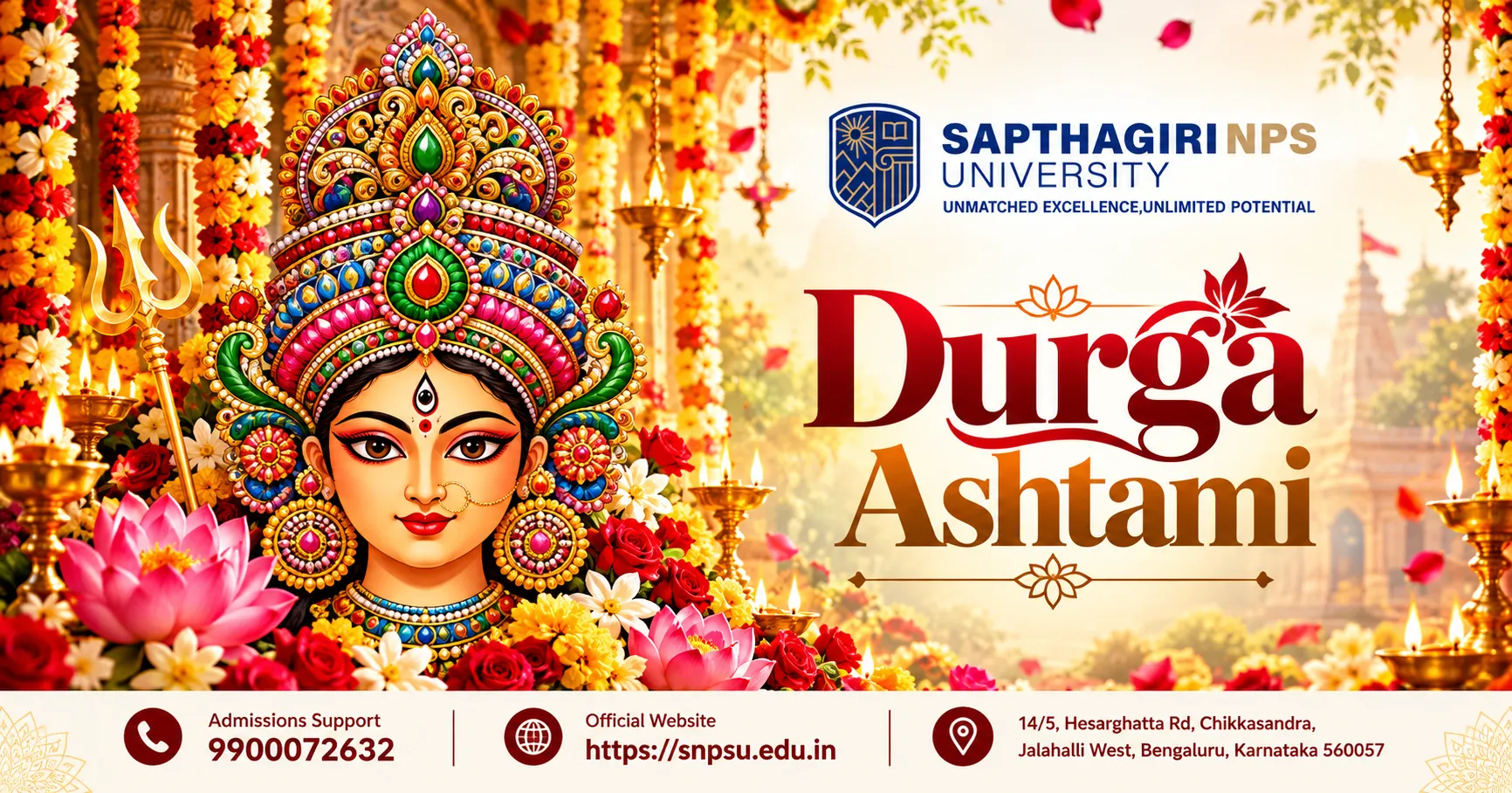
Durga Ashtami – History, Significance, Traditions and Celebrations
Understanding Durga Ashtami
Durga Ashtami is one of the important observances associated with Sharad Navratri and Durga Puja. The occasion is observed on the eighth lunar day, known as Ashtami, and is dedicated to the worship of Goddess Durga. It is also widely referred to as Maha Ashtami, particularly in the Durga Puja tradition. Durga Ashtami 2026 falls on Monday, 19 October 2026 in Bengaluru and Mumbai according to the cited Panchang calculations, with the Ashtami Tithi beginning on 18 October and ending on 19 October. The day occupies an important place within the wider festive period and is marked by prayers, devotional activities, traditional rituals and community participation. The Durga Ashtami festival is associated with themes of strength, devotion, courage and the victory of good over evil. Different regions and communities observe the occasion in their own ways, which gives the festival a rich cultural character. Some families observe special worship at home, while temples and community organisations may conduct elaborate ceremonies. In several Durga Puja traditions, Ashtami is one of the central days of worship and is accompanied by rituals such as Pushpanjali, Kumari Puja and Sandhi Puja, depending on local customs. The festival also provides an opportunity for families to come together, participate in cultural traditions and share festive greetings. For students and young people, understanding Durga Ashtami can provide valuable insight into India's diverse cultural heritage and the many ways traditional festivals are observed across different regions.
History and Cultural Background of Durga Ashtami
The cultural background of Durga Ashtami is closely connected with the wider traditions of Navratri and the worship of Goddess Durga. During Sharad Navratri, devotees worship different forms of the Goddess across the nine-day period, with regional traditions giving different names and forms to the celebrations. Maharashtra Tourism's Incredible India page describes the nine forms worshipped during Navratri and notes that eastern regions observe the period as Durga Puja. The eighth day holds particular importance because of its connection with Maha Ashtami and the principal rituals conducted during Durga Puja. The Significance of Durga Ashtami is traditionally understood through ideas of divine strength, protection, devotion and the triumph of positive forces over evil. Over generations, the observance has developed into both a religious and cultural occasion, with rituals varying according to region, family tradition and community practice. In eastern India, Durga Puja celebrations are often accompanied by elaborately decorated pandals, artistic idols, devotional activities and community programmes. In other regions, families may observe the day through temple visits, prayers, fasting and traditional offerings. These differences demonstrate that the Durga Ashtami traditions are diverse rather than identical throughout India. Despite these regional variations, devotion to Goddess Durga remains a central feature of the observance.
Significance of Durga Ashtami
The Significance of Durga Ashtami can be understood through the values traditionally associated with Goddess Durga, including courage, strength, determination and protection. For devotees, the day provides an opportunity to offer prayers, reflect on personal values and participate in established religious traditions. The festival is also connected with the broader Navratri theme of overcoming negativity and moving towards positive action. Maha Ashtami is considered one of the most important days of Durga Puja, and special worship is conducted in many communities. According to the cited Panchang source, nine forms or manifestations of Shakti are invoked during Maha Ashtami worship, while Kumari Puja is also observed in many traditions. The meaning of the occasion extends beyond rituals because festivals can also strengthen family connections and encourage younger generations to understand cultural practices. Students can learn about traditional stories, regional customs, music, art, clothing and community celebrations associated with the day. The occasion therefore combines religious observance with cultural learning and community participation. For an educational community, Durga Ashtami can become an opportunity to appreciate India's cultural diversity while encouraging values such as respect, responsibility, courage and togetherness.
Maha Ashtami and Durga Puja
Maha Ashtami has a particularly important place within Durga Puja. In the 2026 Durga Puja calendar for Bengaluru and Mumbai, Durga Ashtami is observed on 19 October. Traditional Durga Puja observances during Maha Ashtami may include Mahasnan, Shodashopachar Puja, invocation of the forms of Durga and other regional rituals. Kumari Puja is also associated with Maha Ashtami in several traditions. Another important observance is Sandhi Puja, which takes place around the transition between Ashtami and Navami according to the relevant Tithi. The precise practices and timings can vary according to regional calendars and community traditions. This is why families and devotees generally follow the calendar or guidance traditionally used in their locality. The importance of Maha Ashtami can also be seen in the scale of community participation associated with Durga Puja, where worship is combined with cultural programmes, artistic displays, devotional music and gatherings. These practices have helped establish Maha Ashtami as an important cultural and religious occasion within the wider Navratri season.
Durga Ashtami Traditions
Durga Ashtami traditions differ across India, but prayer and worship remain central to the occasion. Families may begin the day with traditional prayers and offerings, while temples and community organisations may conduct special ceremonies. Depending on individual and regional practice, devotees may observe fasting or follow particular dietary customs during Navratri. In Durga Puja communities, Pushpanjali is an important devotional practice, while Kumari Puja is observed in several traditions. Sandhi Puja is another significant ritual associated with the transition from Ashtami to Navami. Community celebrations may also feature decorated pandals, traditional artwork, devotional music, cultural programmes and gatherings. The form of celebration depends on the region and the customs followed by the participating community. Some families may prefer a simple home-based observance, while others may visit temples or participate in larger public celebrations. Children and students can also become part of the occasion by learning about its cultural background, participating in appropriate activities and understanding the meaning behind traditional practices. The diversity of Durga Ashtami traditions shows how cultural celebrations can retain their central identity while taking different forms in different parts of the country.
Durga Ashtami Celebrations
Durga Ashtami celebrations are particularly prominent in communities that observe Durga Puja. Eastern parts of India are widely associated with Durga Puja, while other regions celebrate the eighth day as part of Sharad Navratri. Public celebrations may include beautifully decorated pandals, artistic representations of Goddess Durga, devotional singing, prayers, cultural performances and community gatherings. Families may also visit temples, offer prayers and share traditional food according to their customs. The atmosphere surrounding the Durga Ashtami festival often combines devotion with cultural expression, allowing different generations to participate together. Students can observe how traditional art, music, decoration and community participation contribute to the celebration. In an educational environment, suitable cultural activities can help students understand the significance of the festival without reducing it to only a festive event. The celebration can instead become an opportunity to explore cultural heritage, regional diversity and the values associated with the occasion. The varied nature of Durga Ashtami celebrations across India demonstrates the country's rich cultural traditions and the different ways communities preserve and express them.
Durga Ashtami 2026 Date and Observance
Durga Ashtami 2026 will be observed on Monday, 19 October 2026 in Bengaluru and Mumbai according to the cited Panchang calculations. The Ashtami Tithi begins at 8:27 AM on 18 October 2026 and ends at 10:51 AM on 19 October 2026 for these locations. The wider 2026 festival calendar places Navratri beginning on 11 October, followed by Durga Ashtami on 19 October and Vijayadashami on 20 October. Because Hindu festival observances can depend on local sunrise, Tithi and regional traditions, exact ritual timings may differ from one location to another. Devotees generally follow their local Panchang, temple calendar or established family tradition when determining the appropriate time for worship. This makes it important to distinguish the general festival date from specific Puja timings.
Durga Ashtami and Student Cultural Learning
Durga Ashtami can provide students with an opportunity to explore India's cultural heritage through learning and participation. Understanding the Significance of Durga Ashtami can introduce students to traditional stories, religious practices, regional customs and artistic expressions associated with Goddess Durga. Students can also learn how the same festival is observed differently across communities while retaining common cultural themes. Cultural activities such as traditional art, music, dance, presentations and festive decorations can encourage students to engage with heritage in meaningful ways. Our university can provide an inclusive environment where students learn about different cultural traditions with respect and awareness. Such learning can help students appreciate the diversity of Indian festivals while developing values such as mutual respect, cultural understanding, cooperation and community participation. Durga Ashtami can therefore be viewed not only as a festival of religious importance but also as an occasion that creates opportunities for cultural education and intergenerational learning.
Durga Ashtami Celebrations at Our University
Our university can mark Durga Ashtami celebrations through meaningful cultural awareness, student participation and festive greetings. Suitable activities may include cultural presentations, traditional decorations, creative student programmes and opportunities to learn about the history and traditions associated with Maha Ashtami. Such initiatives can help students understand the cultural significance of the occasion while creating a respectful and positive campus environment. The celebration can also encourage students to explore regional variations in Durga Ashtami traditions and appreciate India's cultural diversity. Rather than focusing only on the visual aspects of the festival, students can learn about the values associated with courage, perseverance, devotion and positive action. A university environment provides an appropriate setting for cultural learning because students from different backgrounds can share knowledge and experiences with one another. Through responsible participation, Durga Ashtami 2026 can become an occasion for cultural awareness, community connection and meaningful student engagement.
A Meaningful Message of Durga Ashtami
The wider message associated with Durga Ashtami centres on strength, courage, devotion and the ability to move forward with determination. For students, these themes can be connected with everyday values such as perseverance in education, respect for others, responsibility and confidence when facing challenges. The festival also reminds communities of the importance of preserving cultural knowledge while respecting the diversity of regional practices. Maha Ashtami brings together religious traditions, cultural expression and community participation, making it an important part of the wider festive season. By learning about the Durga Ashtami festival, students can gain a better understanding of how India's cultural traditions have been preserved and expressed across generations. The occasion can therefore serve as a meaningful reminder of the importance of cultural awareness, positive values and community spirit.
Durga Ashtami – History, Significance, Traditions and Celebrations
1. What is Durga Ashtami and why is it celebrated?
Durga Ashtami, also known as Maha Ashtami, is one of the most significant days observed during the Hindu festival of Navratri and Durga Puja. It falls on the eighth day, or Ashtami Tithi, of the festival. The day is dedicated to the worship of Goddess Durga and is traditionally associated with divine strength, courage, protection and the victory of good over evil. Devotees participate in special prayers, rituals, offerings and other religious activities. In many communities, Durga Ashtami is considered an especially auspicious occasion for seeking the blessings of Goddess Durga and expressing devotion through traditional ceremonies.
2. What is the history of Durga Ashtami?
The traditions surrounding Durga Ashtami are rooted in ancient Hindu religious literature and practices associated with the worship of Goddess Durga. One of the most widely known narratives connects Goddess Durga with the battle against Mahishasura, a powerful demon who represented destructive forces. According to the traditional account, the Goddess fought Mahishasura and ultimately defeated him, symbolizing the triumph of righteousness over evil. Durga Ashtami commemorates an important stage of the Navratri observance and has developed into an important religious and cultural occasion across different parts of India.
3. What is the significance of Durga Ashtami?
Durga Ashtami holds deep religious and cultural significance for devotees of Goddess Durga. The eighth day of Navratri is traditionally considered an important time for worship, prayer and spiritual reflection. Goddess Durga is revered as a symbol of Shakti, or divine feminine power, and her worship represents strength, courage, protection and righteousness. For devotees, the day provides an opportunity to seek blessings, express gratitude and reflect on positive qualities such as determination, compassion and courage. The observance also forms an important part of the larger Navratri and Durga Puja celebrations.
4. When is Durga Ashtami celebrated?
Durga Ashtami is observed on the eighth lunar day, or Ashtami Tithi, during the Navratri period. The exact Gregorian calendar date changes every year because Hindu festivals follow the lunar calendar and are determined according to the relevant tithi. In many regions, Durga Ashtami forms an important part of the final stages of Navratri and Durga Puja celebrations. Devotees may observe special prayers, fasting, offerings and ceremonies according to their family, regional or religious traditions.
5. What rituals are performed on Durga Ashtami?
Durga Ashtami rituals vary according to regional and family traditions, but the day commonly includes special prayers and worship of Goddess Durga. Devotees may offer flowers, fruits, sweets, incense and other traditional offerings before the deity. Religious texts may be recited, devotional songs may be performed and special pujas may be conducted at homes, temples and community celebrations. In some traditions, Kanya Puja or Kumari Puja is also performed, where young girls are respectfully welcomed and offered food and gifts as a symbolic representation of the divine feminine. The specific rituals followed can differ considerably between communities.
6. What is Kanya Puja and how is it connected with Durga Ashtami?
Kanya Puja, also known as Kanjak Puja or Kumari Puja in different traditions, is an important practice observed by many devotees during Navratri, particularly on Ashtami or Navami. Young girls are traditionally welcomed, respectfully worshipped and offered food as a symbolic representation of the feminine divine. In some traditions, the girls are offered traditional dishes, sweets and gifts after the ceremony. The practice reflects the belief that feminine energy is worthy of reverence and respect. Customs surrounding Kanya Puja differ across regions and families, so the ceremony may be performed in different ways.
7. How is Durga Ashtami celebrated in different parts of India?
Durga Ashtami is celebrated in diverse ways across India. In West Bengal and several eastern regions, Maha Ashtami is a major day of Durga Puja and is marked by elaborate worship, cultural programmes and community gatherings. In northern parts of India, devotees may observe fasting, conduct Durga Puja and perform Kanya Puja. In southern and western regions, Ashtami may be observed as part of the broader Navratri traditions, with special prayers and offerings. Although the rituals and cultural expressions differ, devotion to Goddess Durga and the celebration of divine feminine power remain central themes.
8. What is the importance of fasting on Durga Ashtami?
Fasting is observed by many devotees during Navratri, including on Durga Ashtami. The practice is traditionally associated with devotion, self-discipline, spiritual focus and purification. Some devotees observe a complete fast, while others consume specific foods permitted according to their religious traditions. The nature of fasting varies significantly between individuals and communities. For many devotees, fasting is not simply a dietary practice but part of a broader period of prayer, reflection and religious observance dedicated to Goddess Durga.
9. What does Durga Ashtami teach about the victory of good over evil?
Durga Ashtami is strongly connected with the broader Navratri theme of the triumph of good over evil. The traditional story of Goddess Durga’s battle with Mahishasura represents the victory of righteousness and divine strength over destructive and unjust forces. The symbolism of the festival encourages reflection on qualities such as courage, perseverance, determination and faith. For students and younger generations, the occasion can also provide an opportunity to learn about Indian mythology, cultural traditions and the importance of values that encourage positive action and responsible behaviour.
10. How can students participate in Durga Ashtami celebrations?
Students can participate in Durga Ashtami by learning about the history, mythology, traditions and cultural significance of the festival. Educational institutions may organize cultural programmes, traditional dance performances, art activities, storytelling sessions, exhibitions and discussions related to Navratri and Goddess Durga. Students can also learn about the different ways Durga Ashtami is observed across India and appreciate the country's cultural diversity. Through such activities, students can develop greater awareness of Indian traditions while understanding broader themes such as courage, respect, devotion, community participation and the symbolic triumph of good over evil.
Contact Details – Our University
| Contact | Details | Action |
|---|---|---|
| Admissions Helpline | +91 9900072632 | 👉Call Admissions |
| admissions@snpsu.edu.in | 👉Email Admissions | |
| Address | #14/5, Chikkasandra, Hesarghatta Main Road, Bengaluru, Karnataka | 👉Visit Our University |
| Website | snpsu.edu.in | 👉Explore Our University |
Warm Durga Ashtami Wishes From Our University
Our university extends warm wishes to all students, parents, faculty members and the entire university community on the occasion of Durga Ashtami 2026. May this auspicious occasion inspire courage, knowledge, positivity, peace and renewed determination. May the spirit of Maha Ashtami encourage everyone to move forward with confidence, respect cultural traditions and embrace every new opportunity with a positive outlook. Wishing everyone a meaningful, joyful and peaceful Durga Ashtami.
Happy Durga Ashtami 2026!
Leave a Comment