

Kannada Rajyotsava 2026 – History, Significance & Celebration
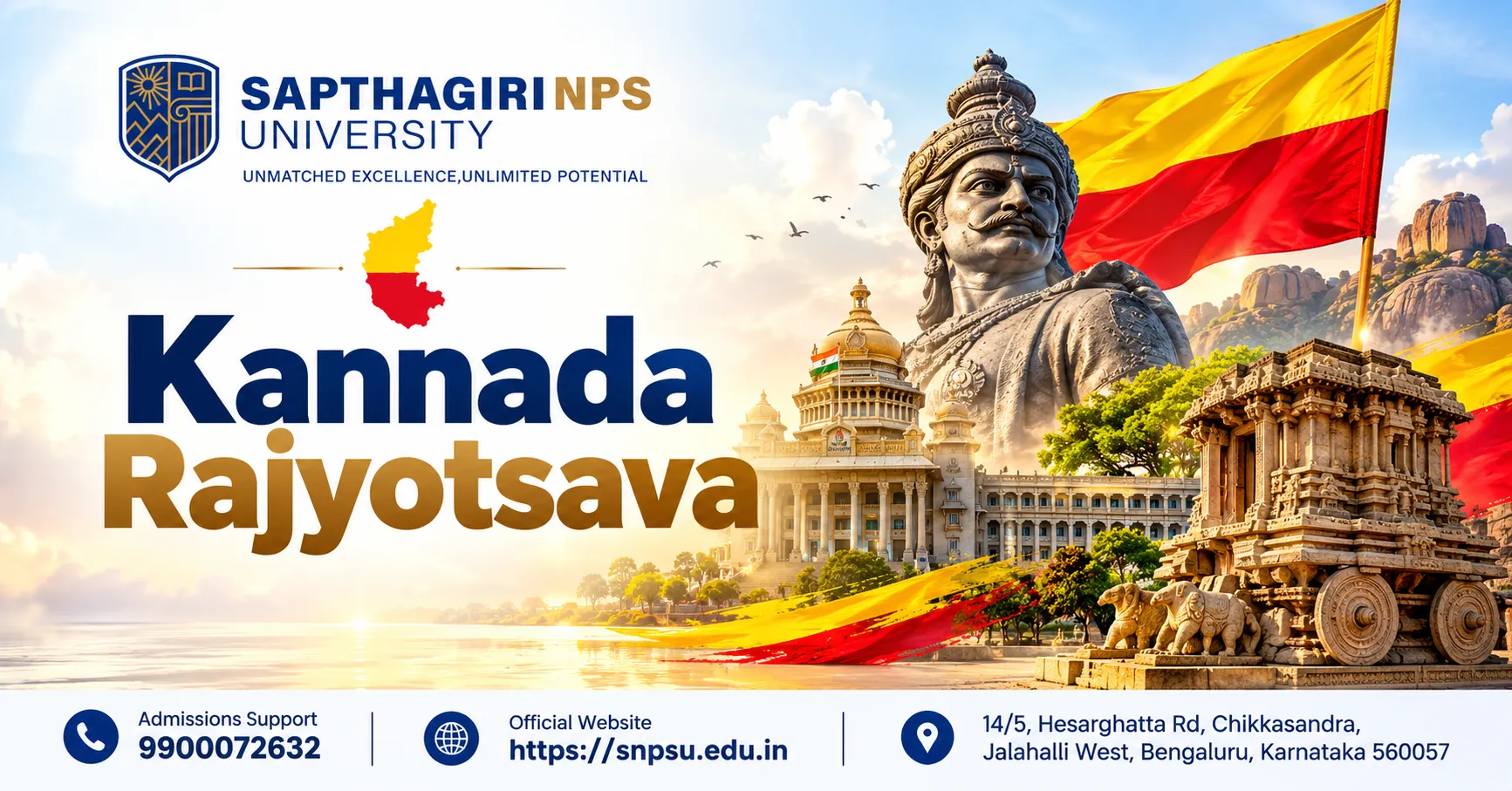
Kannada Rajyotsava – History, Significance, Culture and Celebrations
Celebrating the Cultural Spirit of Karnataka
Kannada Rajyotsava is a significant cultural occasion observed every year on 1 November to commemorate the formation of the state of Karnataka and celebrate the richness of Kannada language, literature, art, music and traditions. The occasion is widely known as Karnataka Rajyotsava and is also associated with Karnataka Formation Day. Karnataka was formed on 1 November 1956 under the States Reorganisation Act, bringing together Kannada-speaking regions into a unified state. Kannada Rajyotsava 2026 will be observed on Sunday, 1 November 2026, providing another opportunity to appreciate the cultural heritage and achievements associated with Karnataka. The day has a special place in the cultural calendar because it brings attention to the language and traditions that have developed across generations. A Kannada Rajyotsava celebration can include cultural programmes, literary activities, music, traditional performances, speeches and student participation. Educational institutions can use the occasion to help young people understand Karnataka's history while encouraging respect for language and cultural diversity. The celebration can also create opportunities for students to explore Kannada literature, folk traditions, performing arts and the contributions of people from Karnataka across different fields. In this way, the occasion becomes both a celebration and a learning experience.
The Historical Moment That Shaped a State
The History of Kannada Rajyotsava is closely connected with the reorganisation of Indian states on linguistic lines. Before 1956, Kannada-speaking areas were spread across different administrative regions. The States Reorganisation Act resulted in the formation of the state on 1 November 1956. The Government of India confirms that Karnataka was formed on this date under the States Reorganisation Act. The day subsequently became an important occasion for celebrating Karnataka's identity and cultural heritage. Over the years, the observance has developed into a major cultural celebration featuring programmes that highlight Kannada language, literature, music, art and traditions. Understanding this history allows students to see how language and cultural identity have played an important role in the development of modern Indian states. The story of Karnataka's formation also provides an opportunity to learn about India's broader journey of administrative reorganisation after independence. Rather than viewing the occasion only as a festival, students can explore the historical circumstances that shaped the state and understand how cultural identities can coexist within India's larger national framework. This historical perspective gives greater meaning to the celebrations held every year.
Understanding Karnataka Formation Day
Karnataka Formation Day is another important name associated with the observance of 1 November. The formation of the state in 1956 marked an important administrative development and is remembered annually through Karnataka Rajyotsava programmes. The occasion provides an opportunity to recognise the cultural and linguistic heritage of Karnataka while appreciating the state's contribution to India's development. Over time, 1 November has become a day when people across Karnataka participate in cultural events, public programmes and celebrations connected with Kannada identity. Schools, colleges, universities, government institutions and community organisations can use the occasion to conduct activities that introduce younger generations to the history and traditions of the state. Such activities may include Kannada poetry recitations, essay competitions, debates, music performances, traditional dances and exhibitions. Students can also explore the contributions of Kannada writers, artists, musicians, scientists, entrepreneurs and social contributors. Through these activities, Karnataka Formation Day becomes an opportunity to connect historical knowledge with contemporary cultural awareness. It also encourages students to appreciate the diverse traditions that form an important part of Karnataka's identity.
Why Kannada Rajyotsava Holds Cultural Importance
The Kannada Rajyotsava significance extends beyond the commemoration of a state's formation. It provides an opportunity to celebrate Kannada language and the cultural traditions associated with Karnataka. Kannada has a long literary heritage, and the state's cultural landscape includes poetry, theatre, music, folk traditions, visual arts and numerous regional customs. Government communications have described Kannada Rajyotsava as an occasion recognising Karnataka's culture and traditions, including its literature, art and music. The celebration can therefore encourage younger generations to engage with Kannada cultural heritage while also appreciating the diversity of languages and traditions found across India. For students, language and cultural celebrations can create opportunities to learn beyond conventional academic subjects. Reading Kannada literature, listening to traditional music, participating in cultural programmes or researching regional history can develop curiosity and cultural awareness. The occasion also encourages communities to preserve and share cultural knowledge in ways that remain meaningful for younger generations. By bringing together history, language and cultural expression, Kannada Rajyotsava creates a strong connection between Karnataka's past and its contemporary identity.
A Living Heritage of Language and Literature
Kannada literature forms an important part of the cultural heritage celebrated during Rajyotsava. Across different periods, Kannada writers and poets have contributed to poetry, prose, drama, philosophy and other forms of literary expression. A Kannada Rajyotsava celebration in an educational institution can provide students with opportunities to explore this literary tradition through readings, writing competitions, storytelling sessions and presentations. Students can be encouraged to discover the richness of Kannada vocabulary, poetic expression and regional storytelling traditions. Literary activities can also help learners understand how language evolves while retaining connections with historical and cultural traditions. The celebration does not need to be limited to formal speeches; it can include creative activities that make Kannada literature accessible to students from different academic backgrounds. Poetry recitation, short-story writing, literary quizzes and cultural exhibitions can turn the occasion into an interactive learning experience. Such programmes can encourage students to appreciate language as a means of communication, creativity and cultural preservation. Kannada Rajyotsava therefore offers a valuable opportunity to connect students with the literary heritage of Karnataka in an engaging and contemporary manner.
Music, Art and Traditions in the Celebration
The cultural character of Kannada Rajyotsava is also expressed through music, dance, theatre, visual art and traditional performances. Karnataka has a diverse cultural landscape, with different regions contributing distinctive artistic and folk traditions. A celebration can bring these expressions together and provide students with an opportunity to understand the diversity within the state itself. Traditional music performances, folk dances, theatre presentations and art exhibitions can make a campus programme vibrant while also providing educational value. Students who participate in such programmes can research the background of the art form they present and explain its regional or historical context to their audience. This approach transforms cultural performance into an opportunity for knowledge sharing. It can also encourage teamwork because many cultural activities require coordination, rehearsal and collaborative planning. The emphasis can remain on appreciation and learning, allowing students to recognise the richness of Karnataka's heritage. Kannada Rajyotsava thus becomes a platform where language, history and artistic expression come together in a meaningful celebration of cultural identity.
From Historical Identity to Contemporary Karnataka
The Kannada Rajyotsava significance can also be understood by looking at Karnataka's development over the decades since its formation. The state has contributed to India's progress through education, technology, science, industry, agriculture, arts, literature, entrepreneurship and many other fields. The annual celebration provides an opportunity to recognise this broad contribution while remembering the historical circumstances behind the formation of the state. Official government communications have highlighted Karnataka's contribution to India's progress and its cultural heritage. For students, this provides a useful connection between history and contemporary society. They can explore how Karnataka has developed across different sectors while maintaining strong cultural traditions. Discussions about the state's achievements can also encourage students to consider how education, innovation and responsible participation can contribute to future development. In this way, Rajyotsava can become more than a remembrance of the past; it can provide a platform for discussing the present and imagining constructive possibilities for the future.
Kannada Rajyotsava 2026 – A Meaningful Occasion for Students
Kannada Rajyotsava 2026 will be observed on 1 November 2026, continuing the annual tradition of commemorating Karnataka's formation and celebrating its cultural heritage. The date marks the formation of the state in 1956 under the States Reorganisation Act. Educational institutions can use the occasion to create programmes that combine historical learning with cultural participation. Students can organise Kannada language activities, cultural performances, literary competitions, exhibitions and presentations about Karnataka's heritage. Academic departments can also encourage research into Kannada literature, regional history, folk traditions and contemporary contributions from the state. Such activities provide students with opportunities to improve communication, creativity, teamwork and presentation skills while developing greater cultural awareness. The celebration can also bring students from different backgrounds together through shared participation. This is particularly meaningful in a university environment where learners may come from different regions of India. By celebrating Karnataka's heritage while welcoming diverse perspectives, institutions can create an inclusive cultural experience. Kannada Rajyotsava 2026 can therefore become a memorable occasion for learning, participation and appreciation of Karnataka's rich heritage.
Bringing Rajyotsava Into Campus Life
A meaningful Kannada Rajyotsava celebration at our university can combine cultural appreciation with student learning and participation. Students can participate in Kannada poetry, essay writing, storytelling, debates, quizzes, music, dance, drama and traditional cultural presentations. Faculty members can introduce the historical background of Karnataka Formation Day and explain why 1 November is remembered as an important date in the state's history. Student groups can prepare exhibitions featuring Kannada literature, cultural traditions, important historical developments and contemporary achievements associated with Karnataka. Such activities can create a lively academic environment while encouraging students to learn from one another. The celebration can also provide an opportunity for students who are familiar with Kannada traditions to share their knowledge with peers from different parts of the country. This exchange can strengthen cultural understanding and create a sense of participation within the campus community. By combining education and celebration, Rajyotsava can become an occasion where students experience Karnataka's heritage through language, art, history and community activities.
Preserving a Cultural Legacy for Future Generations
The continuing observance of Kannada Rajyotsava highlights the importance of preserving language and cultural heritage while allowing traditions to evolve with changing generations. Young people play an important role in keeping cultural knowledge meaningful because their engagement determines how languages, literature, music and traditions are carried forward. The occasion can encourage students to read Kannada literature, learn about regional traditions, participate in cultural activities and explore the history of Karnataka. It can also remind communities that cultural identity can be celebrated while respecting the many other languages and traditions that form India's diverse social fabric. The History of Kannada Rajyotsava provides the foundation for understanding why 1 November is significant, while contemporary celebrations give students opportunities to experience that heritage directly. As Karnataka Formation Day continues to be observed, the occasion can serve as a bridge between historical memory and present-day cultural expression. A thoughtful celebration can therefore create lasting interest in Kannada language and Karnataka's heritage. Kannada Rajyotsava ultimately offers an opportunity to celebrate history, literature, art, music and the continuing cultural journey of Karnataka.
Kannada Rajyotsava – History, Significance, Culture and Celebrations
1. What is Kannada Rajyotsava and why is it celebrated?
Kannada Rajyotsava is celebrated every year on 1 November to commemorate the formation of the state of Karnataka. The day marks an important moment in the history of Kannada-speaking regions, when various areas were brought together to form a unified state based largely on linguistic identity. Kannada Rajyotsava is an occasion to celebrate the Kannada language, literature, culture, traditions and heritage of Karnataka. The day is observed with cultural programmes, Kannada songs, traditional performances, public events and activities that highlight the richness of Karnataka’s cultural identity.
2. When is Kannada Rajyotsava celebrated?
Kannada Rajyotsava is celebrated on 1 November every year. The date is associated with the formation of the state that was initially known as Mysore State in 1956 and was later renamed Karnataka in 1973. Government institutions, schools, colleges, universities, cultural organizations and communities across Karnataka observe the occasion through flag-hoisting ceremonies, cultural programmes, speeches, competitions and other events. The day provides an opportunity for people to learn about Karnataka’s history while celebrating the Kannada language and the state’s diverse cultural traditions.
3. What is the history behind Kannada Rajyotsava?
The history of Kannada Rajyotsava is closely connected with the linguistic reorganization of Indian states. Before 1956, Kannada-speaking people lived across several administrative regions, including parts of the former Mysore State, Bombay State, Madras State and Hyderabad State. The States Reorganisation Act of 1956 brought many Kannada-speaking areas together under a single administrative unit. The newly enlarged Mysore State was formed on 1 November 1956. In 1973, the state was officially renamed Karnataka. Kannada Rajyotsava commemorates this historic unification and the development of Karnataka as a state.
4. What is the significance of Kannada Rajyotsava?
Kannada Rajyotsava has great historical and cultural significance for Karnataka. It celebrates the Kannada language and the cultural identity of the state while remembering the historical process through which Kannada-speaking regions were brought together. The occasion also provides an opportunity to recognize the contributions of Kannada writers, poets, artists, scholars, musicians and cultural personalities. For students, Kannada Rajyotsava is an opportunity to understand Karnataka’s history, appreciate its linguistic heritage and learn about the diverse traditions that contribute to the cultural identity of the state.
5. How is Kannada Rajyotsava celebrated across Karnataka?
Kannada Rajyotsava is celebrated throughout Karnataka through a wide range of cultural and educational programmes. Schools, colleges, universities and government institutions may organize flag-hoisting ceremonies, speeches, essay competitions, debates, quizzes, poetry programmes, singing competitions and cultural performances. Public celebrations may feature traditional music, dance and processions. Buildings and public spaces are often decorated in connection with the occasion, and people may participate in events celebrating Kannada literature and culture. The exact form of celebration varies between communities and institutions, but the Kannada language remains central to the observance.
6. What is the importance of the Kannada language on Kannada Rajyotsava?
The Kannada language is at the heart of Kannada Rajyotsava because the formation of Karnataka was closely connected with the unification of Kannada-speaking regions. Kannada has a long literary history and has contributed significantly to Indian literature, poetry, philosophy and cultural expression. The language is used in a wide range of literary and artistic traditions, including classical and modern writing. Kannada Rajyotsava provides an opportunity to encourage the learning, preservation and appreciation of Kannada while recognizing the contributions of generations of writers, scholars and artists who have enriched its literary heritage.
7. What are the cultural traditions associated with Kannada Rajyotsava?
Kannada Rajyotsava is associated with Karnataka’s rich and diverse cultural traditions. Celebrations may include folk dances, traditional music, Kannada poetry, theatre, literary programmes and cultural performances. Different regions of Karnataka have their own distinctive customs, art forms, food traditions and forms of folk expression. Programmes during Rajyotsava often bring these traditions together and provide a platform for students and communities to showcase Karnataka’s cultural diversity. The celebration therefore goes beyond language and highlights the broader heritage of the state.
8. What is the significance of the Karnataka state flag colours during Rajyotsava celebrations?
The red and yellow colours are strongly associated with Kannada identity and are commonly seen during Kannada Rajyotsava celebrations. They are displayed through flags, decorations, clothing and cultural-event materials across Karnataka. The colours have become recognizable symbols of Kannada cultural pride and are widely used during public celebrations. Their presence during Rajyotsava helps create a visual expression of the occasion and adds to the festive atmosphere surrounding events across the state.
9. How can schools and colleges celebrate Kannada Rajyotsava?
Schools and colleges can celebrate Kannada Rajyotsava through educational and cultural activities that encourage students to learn about Karnataka’s history and heritage. Institutions can organize Kannada essay and poetry competitions, debates, quizzes, speeches, traditional music and dance performances, storytelling sessions and exhibitions. Students can also explore the contributions of important Kannada writers, poets, artists and scholars. Such programmes provide an engaging way for young people to understand the significance of 1 November while developing appreciation for Kannada language, literature, history and culture.
10. What can students learn from Kannada Rajyotsava?
Kannada Rajyotsava gives students an opportunity to learn about Karnataka’s history, Kannada language, literature, culture and diverse regional traditions. The occasion helps students understand the historical importance of the unification of Kannada-speaking regions and the development of modern Karnataka. It also encourages appreciation of linguistic and cultural diversity and highlights the importance of preserving cultural heritage. Through participation in Rajyotsava programmes, students can develop greater awareness of Karnataka’s rich traditions while gaining a deeper appreciation for the language, literature, arts and cultural heritage that continue to shape the identity of the state.
Kannada Rajyotsava Wishes
Warm Kannada Rajyotsava wishes from our university! May the rich heritage of Kannada language, literature, art, music and traditions continue to inspire every generation. On this special occasion, we celebrate the cultural spirit of Karnataka and remember the significance of 1 November, when the state was formed in 1956 under the States Reorganisation Act. May this Kannada Rajyotsava 2026 bring happiness, harmony, pride and new opportunities to everyone. Let us continue to respect our cultural heritage, encourage learning and celebrate the diverse traditions that make Karnataka unique.
Happy Kannada Rajyotsava 2026!
ಕನ್ನಡ ರಾಜ್ಯೋತ್ಸವದ ಹಾರ್ದಿಕ ಶುಭಾಶಯಗಳು!
May Kannada language and Karnataka's rich cultural heritage continue to flourish and inspire generations to come.
Contact Details
| Contact Category | Details | Purpose |
|---|---|---|
| Admissions Helpline | +91 9900072632 | 👉Admission & General Enquiries |
| admissions@snpsu.edu.in | 👉Course & Admission Enquiries | |
| Campus Address | #14/5, Chikkasandra, Hesarghatta Main Road, Bengaluru – 560057, Karnataka, India | 👉Campus Visit |
| Online Admissions | Official Admission Portal | 👉Apply Online |
Join our university and begin your academic journey in a learning environment that encourages knowledge, innovation, practical skills, cultural awareness and personal growth.
Leave a Comment