
Engineering Degree in Bangalore | Courses & Career Opportunities
Engineering Degree in Bangalore – Complete Guide to Education, Admission and Student Development
Engineering Degree in Bangalore – A Complete Guide for Students
An Engineering Degree in Bangalore gives students an opportunity to pursue higher education in a city recognised for its educational environment, technology ecosystem, innovation, entrepreneurship, research, and professional development. Bangalore has become an important destination for students seeking engineering education because the city combines established educational institutions with a wider environment influenced by science, technology, digital transformation, and innovation. Students planning their higher education can use their university years to develop conceptual knowledge, practical understanding, analytical abilities, communication skills, teamwork, creativity, and professional confidence. Engineering education is not limited to attending lectures and completing examinations; it involves understanding principles, applying knowledge, solving problems, participating in projects, working with peers, using learning resources, and continuously improving technical and interpersonal abilities. Our university provides a structured educational environment where students are encouraged to participate actively in academic activities and develop a strong foundation for their future. The decision to pursue an engineering degree should also involve careful evaluation of academic facilities, faculty support, infrastructure, practical learning opportunities, student activities, admission requirements, and the overall learning environment. Students and parents can review official institutional information before making an informed admission decision. Bangalore's educational ecosystem provides an environment in which students can experience academic learning alongside broader exposure to technological developments and innovation. An Engineering Degree in Bangalore can provide a strong foundation for students who want to develop technical knowledge while preparing for a changing professional environment.
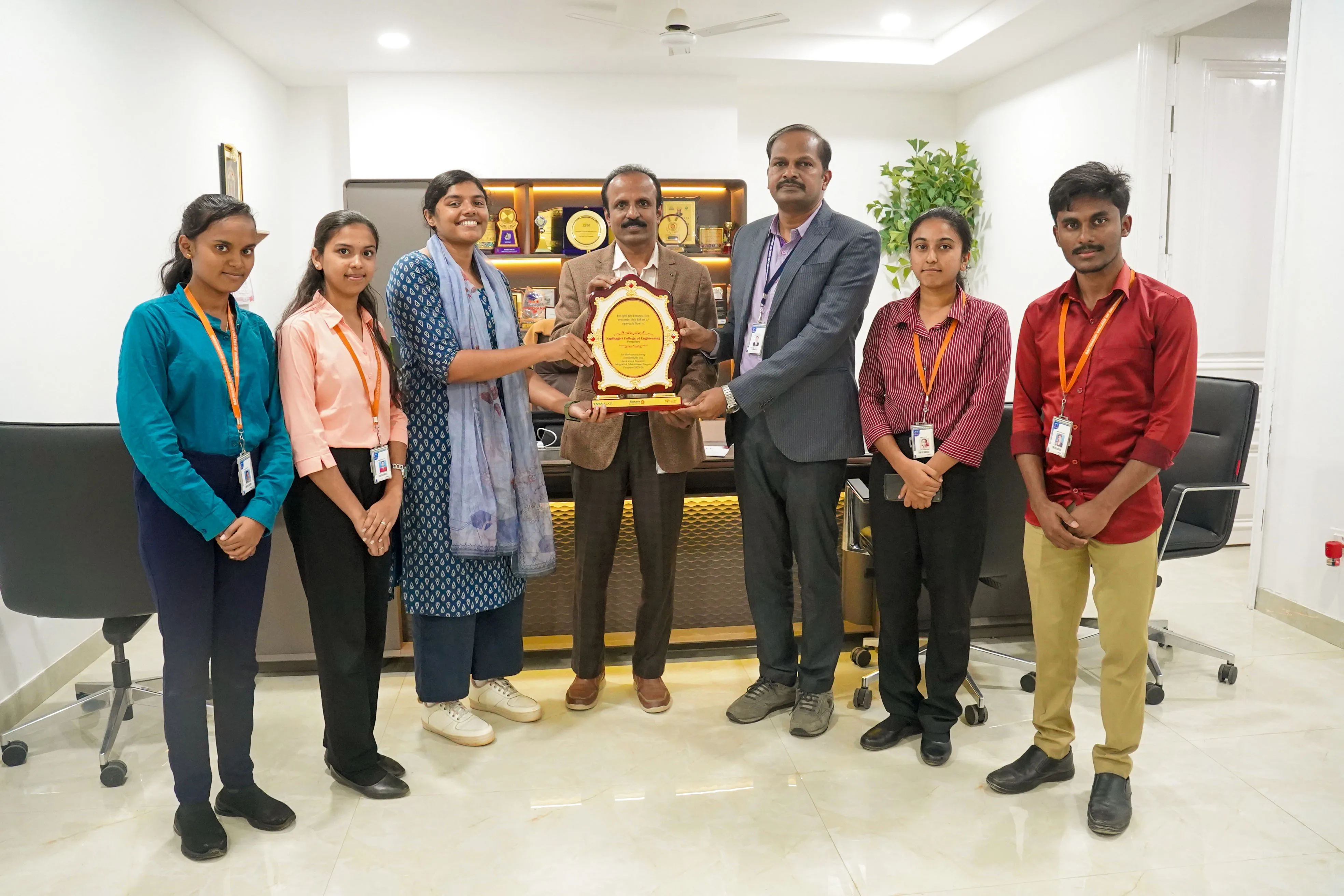
Our University provides a dynamic environment where students can develop their academic and professional potential. The image reflects a proud moment of achievement, collaboration, and recognition within our university community. Our University encourages students to participate in academic, technical, and co-curricular activities. We focus on developing practical skills alongside strong theoretical knowledge. Students receive opportunities to interact with experienced faculty members and industry professionals. Our engineering programmes are designed to support innovation, creativity, and problem-solving abilities. We encourage students to take part in projects, internships, workshops, and technical events. Our campus promotes teamwork, leadership, communication, and professional confidence. Students can explore emerging areas such as Computer Science, Artificial Intelligence, Data Science, Electronics, and other engineering technologies.👉 Click Here to Take Admission Immediately and begin your academic journey with Our University. Our University also supports students in preparing for career opportunities and higher studies. Recognition and achievements motivate students to pursue excellence in their chosen fields. We believe every student deserves opportunities to discover and strengthen their talents. Our learning environment encourages curiosity, collaboration, and continuous improvement. Faculty members guide students throughout their academic journey. Students are encouraged to transform classroom knowledge into practical solutions.👉 Click Here to Know More About Placements and Career Opportunities Our University aims to nurture responsible professionals ready to meet changing industry needs. The university community celebrates student accomplishments and encourages greater achievements. With academic learning, practical exposure, and professional development, students can build a strong foundation for their future. Our University is committed to creating meaningful learning experiences and supporting students in achieving their career aspirations.
Why Bangalore Is an Important Destination for Engineering Education
Bangalore has developed into a major educational and technology-oriented city, making it an attractive location for students planning higher education. The city brings together universities, educational institutions, research activities, technology organisations, entrepreneurship initiatives, and a diverse professional ecosystem. Students pursuing an Engineering Degree in Bangalore can study in an environment where technology and innovation are closely connected with everyday professional activity. This wider environment can encourage students to remain aware of developments in science, engineering, digital technologies, research, entrepreneurship, and emerging areas of professional practice. However, students should understand that the city itself is only one factor when selecting an institution. The academic environment, infrastructure, faculty interaction, practical learning, student support, project opportunities, and institutional approach to education are equally important. Our university provides an environment where students can develop academic knowledge while participating in practical and collaborative learning activities. Students can use their university years to build strong foundations, explore their interests, develop professional skills, and understand the changing expectations of the engineering sector. Bangalore's combination of education and technology creates a broader setting in which students can learn about the practical relevance of engineering knowledge. An Engineering Degree in Bangalore can therefore be considered as part of a wider educational experience connected with a technology-oriented city.
Connect With Our Admissions Team for Engineering Degree in Bangalore
Planning your next step after school and exploring an Engineering Degree in Bangalore can involve several questions about eligibility, applications, admission procedures, academic learning, campus facilities, internships, and student support. Our admissions team is available to provide relevant information and help students and parents understand the admission journey clearly. Instead of navigating the process alone, prospective students can connect with our team, discuss their requirements, clarify admission-related questions, and understand the next steps before submitting an application. Our university welcomes students who are looking to build a strong academic foundation and develop practical, technical, communication, and professional skills through higher education. Whether you are beginning your university search or are ready to start the application process, the official university and admission channels provide a convenient way to obtain current information.
Admissions & University Contact Information
| Contact Category | Details |
|---|---|
| Admissions & Application Support | 👉Speak With Our Admissions Team |
| Email & Online Information | 👉Send Your Admission Enquiry |
| University Location | 14/5, Hesarghatta Rd, Chikkasandra, Jalahalli West, Bengaluru, Karnataka 560057 |
Choosing the Right University for an Engineering Degree
Selecting a university is an important decision because students spend several years developing their academic knowledge, practical skills, professional confidence, and personal capabilities within that environment. When searching for an Engineering Degree in Bangalore, students and parents should compare institutions using reliable and current information. Factors such as academic quality, faculty support, infrastructure, laboratories, library resources, technology-enabled learning, practical exposure, project-based education, student activities, campus environment, and admission procedures should be considered carefully. Students should also understand how an institution supports independent learning, innovation, teamwork, communication, and professional development. A university should provide opportunities for students to engage actively with their education rather than depending entirely on classroom lectures. Our university provides prospective students with official information about academic education, admission procedures, facilities, and the learning environment. Students can review these details and consider how they align with their personal academic objectives before making a decision. It is also important to verify admission-related information through official sources because eligibility requirements and procedures may change over time. Choosing an institution based on accurate information can help students begin their higher education journey with greater clarity.
Advantages of Our University for Engineering Degree in Bangalore
For students planning an Engineering Degree in Bangalore, selecting an institution that supports academic learning, practical development, innovation, and professional growth can make the university experience more meaningful. Our university provides a structured and supportive educational environment where students can develop conceptual knowledge while gaining practical exposure through projects, laboratory activities, workshops, seminars, technical activities, presentations, discussions, and other experiential learning opportunities. The learning approach encourages students to understand engineering concepts clearly and explore how knowledge can be applied to practical situations. Faculty members guide students throughout their academic journey, helping them clarify concepts, participate actively in learning, improve their work, and approach technical challenges systematically. Students can also develop important skills such as analytical thinking, problem-solving, communication, teamwork, leadership, creativity, time management, and adaptability. These capabilities complement academic knowledge and can help students prepare for different academic and professional environments after completing their education.
Engineering Degree in Bangalore – Modern Library & Learning Facilities
Our University provides a supportive learning environment for students pursuing an engineering degree in Bangalore. The library offers valuable resources for academic study, research, and project preparation. Students can access textbooks, reference materials, journals, and other learning resources. The peaceful atmosphere helps students concentrate on their studies and assignments. Our University encourages students to develop strong reading and self-learning habits. Library facilities support students in understanding engineering concepts beyond regular classroom sessions. Students can also use the available resources while preparing for examinations and technical projects. The library promotes independent learning, creativity, and academic development. It provides a comfortable space for students to read, study, and exchange ideas.👉Explore Our University Library & Learning Facilities
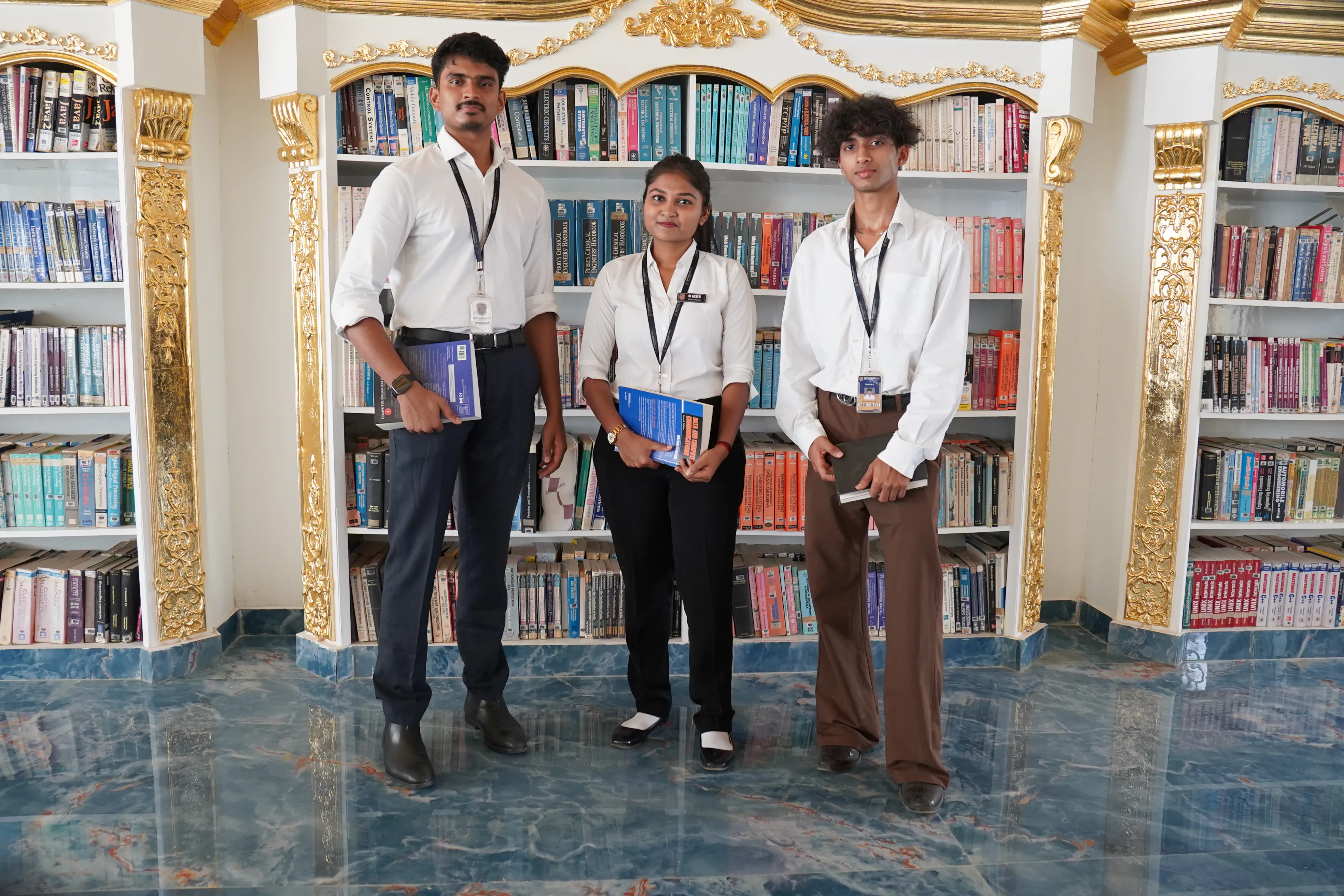
Students pursuing an engineering degree in Bangalore can benefit from accessible academic resources and a focused study environment. Our University continuously works to improve learning facilities according to student needs. The library contributes to a productive campus experience and supports students throughout their academic journey. With quality resources, guidance, and practical learning opportunities, students can build a strong foundation for their future careers.👉 Click Here to Know More
Another important advantage of choosing our university for an Engineering Degree in Bangalore is the opportunity to study in Bangalore, a city with a strong educational, technological, entrepreneurial, and innovation-oriented environment. Students can experience a broader ecosystem where technology plays an important role across different sectors and where awareness of emerging developments can complement academic education. Our university encourages students to remain curious about technological changes and develop the ability to continuously learn new concepts and skills. Practical learning and project activities can provide students with opportunities to apply their classroom knowledge, understand real-world challenges, work collaboratively, analyse problems, test solutions, and present their ideas. Such experiences can contribute to technical confidence and help students understand the practical relevance of their education. The university also encourages participation in workshops, seminars, technical activities, and other academic initiatives that can broaden students' knowledge and improve their communication and presentation abilities. Students can make use of their university years to explore their interests, strengthen their academic foundation, develop professional skills, and gradually understand the areas in which they would like to build their future.
Engineering Degree in Bangalore – Programme Details and Future Benefits
| Engineering Programme | Official Details | Future Benefits |
|---|---|---|
| CSE | 👉 View Programme Details | Builds a strong foundation in computing, programming, software development, databases, digital technologies, and logical problem-solving, supporting diverse technology-oriented career pathways. |
| AIML | 👉 View Programme Details | Develops knowledge of artificial intelligence, machine learning, intelligent systems, automation, and data-driven technologies, supporting future opportunities in technology-focused sectors. |
| CSE – Data Science | 👉 View Programme Details | Develops computing, programming, data analysis, and analytical skills that can support future work involving data, analytics, business intelligence, and technology systems. |
| AI & Data Science | 👉 View Programme Details | Combines artificial intelligence, computing, data analysis, and analytical thinking, supporting the development of skills relevant to intelligent and data-driven applications. |
| ECE | 👉 View Programme Details | Provides a foundation in electronics, communication, digital systems, and embedded technologies, supporting future opportunities across communication, electronics, automation, and related technology areas. |
| EEE | 👉 View Programme Details | Develops knowledge of electrical systems, electronics, power technologies, and control systems, supporting future opportunities in energy, automation, electrical infrastructure, and industrial applications. |
Internship and career development support can also form an important part of the overall engineering education experience. Our university supports students in developing professional readiness through opportunities for practical exposure, skill development, project work, communication activities, interview preparation, and career-oriented guidance. Internship experiences can help students understand professional working environments and gain exposure to how technical knowledge is applied in practical situations. Students may also develop workplace skills such as teamwork, communication, responsibility, time management, adaptability, and professional conduct through such experiences. Placement-related preparation can help students understand recruitment processes and improve areas such as resume preparation, aptitude, technical knowledge, communication, presentation, and interview confidence. While career outcomes depend on individual performance, skills, qualifications, market conditions, and employer requirements, structured preparation can help students approach future opportunities with greater awareness and readiness. For students searching for an Engineering Degree in Bangalore, considering the availability of internship exposure and career support can therefore be an important part of evaluating a university.
Our university also focuses on creating opportunities for students to develop through experiential and collaborative learning. Engineering education becomes more effective when students are encouraged to participate actively rather than depending entirely on lectures and textbooks. Group projects can help students understand teamwork and shared responsibility, while individual assignments can encourage independent thinking and self-discipline. Technical presentations can strengthen communication and confidence, while practical activities can help students understand how theoretical concepts are applied. Workshops and seminars can expose students to different perspectives, technologies, ideas, and approaches to problem-solving. Academic projects can encourage students to research topics, identify problems, evaluate possible solutions, implement ideas, analyse results, and communicate their findings. These experiences can help students develop a more practical understanding of engineering education while building professional habits that may be useful in future academic or workplace environments.
Infrastructure and learning resources are also important when evaluating an institution for an Engineering Degree in Bangalore. Students require suitable academic spaces and resources to support classroom education, practical learning, project development, independent study, research, and collaboration. Our university provides an educational environment designed to support these aspects of student development. Students can make use of academic resources and participate in activities that complement their regular studies. A supportive campus environment can also encourage students to interact with peers, participate in academic activities, work collaboratively, and develop greater independence. Students and parents should review the latest official information regarding available facilities and institutional resources before making their final decision. Evaluating infrastructure together with academic education, faculty support, practical exposure, student activities, and admission information can provide a more complete understanding of the university experience.
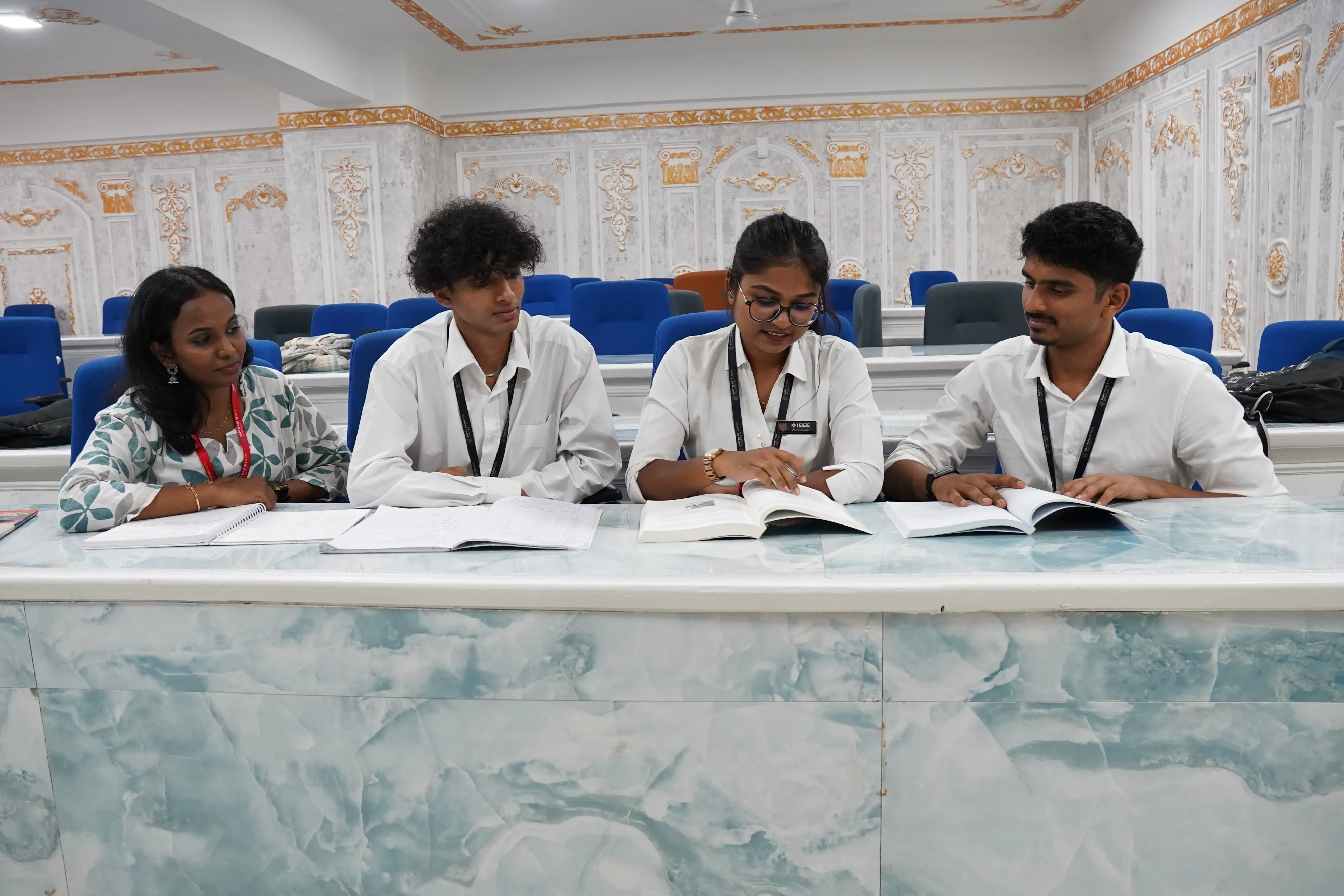
Our University offers a modern classroom environment that supports effective and interactive learning. The classrooms provide students with a comfortable and focused space for academic activities. Students pursuing an engineering degree in Bangalore can benefit from an engaging learning atmosphere. Faculty members use interactive teaching methods to make concepts easier to understand. Students are encouraged to participate actively in discussions and classroom activities. The learning environment promotes creativity, curiosity, and independent thinking. Students can develop strong technical knowledge through regular academic sessions. Collaborative activities help students improve teamwork and communication skills. Practical examples help connect classroom concepts with real-world applications. Our University encourages students to ask questions and explore new ideas. The modern classroom setting supports project work, presentations, and academic discussions. Students can build confidence while developing essential professional skills. The supportive environment helps students prepare for internships and future career opportunities. Explore Our University’s Modern Classroom Learning – 👉 Click Here to Know More.
Innovation is another important part of modern engineering education. Students pursuing an Engineering Degree in Bangalore can benefit from developing the ability to look at problems from different perspectives and consider practical ways to improve existing systems or create new solutions. Our university encourages students to develop curiosity, creativity, analytical thinking, and a willingness to experiment with ideas. Innovation can emerge through academic projects, technical activities, research, discussions, practical assignments, and collaborative problem-solving. Students can learn that developing a successful solution often requires research, testing, feedback, modification, and continuous improvement. This approach can help students become more comfortable with challenges where there is no single obvious answer. Developing an innovative mindset can also encourage students to explore entrepreneurship and technology-driven ideas in the future.
A further advantage is the opportunity for students to develop communication and interpersonal abilities alongside technical knowledge. Engineering professionals often work in teams, prepare technical documents, explain ideas, participate in meetings, present solutions, and communicate with people from different backgrounds. Our university encourages students to participate in presentations, discussions, group activities, projects, seminars, and other learning experiences that can strengthen these capabilities. Students can gradually become more confident in expressing their ideas, listening to others, responding to questions, and working toward shared objectives. Communication and teamwork are valuable complements to technical knowledge and can contribute to a student's overall professional development. Students can also develop leadership and responsibility by taking ownership of academic tasks and contributing actively to collaborative projects.
The academic environment provided by our university is intended to encourage continuous learning and adaptability. Technology continues to change, and engineering professionals need to remain willing to acquire new knowledge throughout their careers. An Engineering Degree in Bangalore provides a foundation, but students should also develop the habit of learning beyond the immediate academic curriculum. Our university encourages students to explore additional learning resources, participate in academic activities, work on projects, understand emerging developments, and develop independent study habits. These experiences can help students become more adaptable when they encounter new technologies, tools, professional expectations, and technical challenges. Continuous learning is particularly important in engineering because the technologies and applications used by professionals can evolve significantly over time.
Students and parents considering an Engineering Degree in Bangalore should also evaluate the overall educational experience rather than focusing on one individual factor. Academic quality, faculty guidance, infrastructure, practical learning, projects, student support, innovation, professional skill development, internships, career preparation, and campus environment can all contribute to the value of a university education. Our university provides students with an environment where these aspects can work together to support academic and personal development. Students are encouraged to take responsibility for their learning, make use of available resources, participate actively in university activities, and develop skills that can support their future goals. The university experience can become more valuable when students take an active role in their education and continuously seek opportunities to improve.
For students looking for an Engineering Degree in Bangalore, our university provides an opportunity to explore a structured academic environment focused on learning, practical exposure, innovation, skill development, professional preparation, and overall growth. Students can review the official admission information, understand eligibility requirements, explore the campus and academic environment, and speak with the admissions team before making an informed decision. Parents can also contact the admissions team to clarify questions regarding the admission process and other university-related information. Students should consider their academic interests, long-term goals, preferred learning environment, and personal expectations while evaluating their options. Our university aims to support students throughout their academic journey by encouraging knowledge development, practical understanding, independent learning, collaboration, communication, and professional confidence. An Engineering Degree in Bangalore can be an important step toward higher education and future professional development, and selecting an institution that provides a balanced learning environment can help students make meaningful use of their university years.
Academic Excellence Through Engineering Education
Engineering education requires students to develop a strong understanding of fundamental concepts before progressing toward more advanced applications. An Engineering Degree in Bangalore can provide a structured academic journey in which students gradually build their knowledge through classroom learning, assignments, laboratory activities, discussions, examinations, projects, and independent study. Academic development requires consistency because engineering concepts are often interconnected, and gaps in foundational knowledge can make advanced learning more difficult. Students should therefore develop regular study habits, revise concepts, practise problems, participate in classroom discussions, and seek clarification when they encounter difficulties. Faculty members can support this process by explaining complex concepts, providing feedback, encouraging questions, and guiding students through academic activities. Our university encourages students to develop conceptual clarity and active learning habits so that their education extends beyond examination preparation. Academic excellence also involves the ability to understand information, analyse problems, communicate ideas, and apply knowledge appropriately. Students who develop these habits during university can create a stronger foundation for their continued academic and professional development.
Practical Learning for Engineering Students
Practical learning is an important part of engineering education because students need opportunities to understand how theoretical principles operate in real-world situations. Students pursuing an Engineering Degree in Bangalore can develop practical understanding through laboratory activities, experiments, demonstrations, simulations, projects, technical assignments, workshops, and problem-solving exercises. These activities can help students connect classroom concepts with practical applications and understand why engineering solutions often require testing, analysis, modification, and improvement. Practical learning can also develop attention to detail, systematic thinking, technical confidence, and the ability to work with others. Students may encounter situations where the expected result is not achieved immediately, requiring them to examine the process, identify possible reasons, and try alternative approaches. Such experiences can contribute significantly to problem-solving ability. Our university encourages students to participate in academic activities that support practical application and experiential learning. Practical exposure can help students understand that engineering is not simply about knowing concepts but also about using knowledge responsibly to address real challenges.
Innovation and Creativity in Engineering Education
Innovation is an important aspect of modern engineering because technological progress often depends on people who can identify problems and develop improved solutions. Students pursuing an Engineering Degree in Bangalore can benefit from developing an innovative mindset during their academic journey. Innovation can begin with simple activities such as observing everyday problems, asking questions, researching existing solutions, comparing alternatives, and thinking about how a process or system could be improved. Students do not necessarily need to create completely new technologies to demonstrate creativity. Improving efficiency, reducing complexity, increasing usability, improving reliability, or finding a different approach to a known problem can also involve innovative thinking. Academic projects, technical activities, competitions, workshops, exhibitions, and research-oriented assignments can encourage students to explore ideas. Our university promotes an environment where students can develop curiosity, creativity, analytical thinking, and confidence while working on academic challenges. Learning to accept feedback and improve an idea is also an important part of innovation. Engineering education becomes more meaningful when students are encouraged to think independently and approach problems from different perspectives.
Technology-Enabled Learning in Bangalore
Technology has become an important part of modern education, particularly in engineering and technology-oriented disciplines. Students pursuing an Engineering Degree in Bangalore can use digital resources, academic platforms, simulations, software tools, online learning materials, digital libraries, and collaborative technologies to supplement classroom education. These resources can make it easier for students to review concepts, access additional information, conduct research, collaborate with classmates, and explore technical subjects independently. However, technology should complement fundamental academic learning rather than replace it. Students need a strong conceptual foundation to use digital tools effectively and understand the results they produce. Our university encourages students to use learning resources purposefully while maintaining strong academic fundamentals. Technology can also support different learning styles by allowing students to revisit information, explore demonstrations, and access supplementary material. Students should nevertheless develop the ability to evaluate information critically and identify reliable academic sources. A balanced approach to technology can help students become more adaptable and prepared for changing educational and professional environments.
Faculty Guidance and Academic Mentorship
Faculty members play an important role in helping students navigate the academic demands of an engineering degree. During an Engineering Degree in Bangalore, students may encounter challenging concepts, complex assignments, practical activities, projects, and technical problems that require additional guidance. Faculty interaction can help students clarify doubts, understand difficult topics, improve academic work, and develop structured approaches to solving problems. Faculty members can also encourage students to participate in projects, seminars, workshops, technical activities, presentations, and other academic opportunities. Effective academic guidance can gradually help students become more independent while providing support when required. Students should make active use of opportunities to interact with faculty rather than limiting communication to examinations and assignments. Our university encourages an academic environment in which students can seek guidance and participate in meaningful learning activities. Faculty support can contribute to students' confidence, academic progress, and ability to approach challenging subjects systematically.
Project-Based Learning and Engineering Applications
Project-based learning gives students an opportunity to bring together knowledge from different areas and apply it to a specific objective or problem. During an Engineering Degree in Bangalore, students can develop practical experience by working on academic projects that involve research, planning, design, implementation, testing, documentation, analysis, and presentation. The project process can help students understand how engineering solutions are developed and improved over time. Students may need to identify limitations, test alternatives, make modifications, and evaluate results before reaching an appropriate outcome. Working on projects can also strengthen teamwork, communication, time management, responsibility, and decision-making. Students can learn how to divide tasks, coordinate with team members, manage deadlines, document their work, and present their findings clearly. Our university encourages students to engage in learning activities that promote practical application and experiential education. Projects can also help students identify areas in which they need to improve and encourage them to become more comfortable with independent problem-solving.
Developing Problem-Solving Abilities Through Engineering
Problem-solving is one of the central capabilities associated with engineering education. Students pursuing an Engineering Degree in Bangalore can develop problem-solving abilities through academic exercises, practical activities, laboratory work, projects, technical challenges, case-based learning, and assignments. Effective problem-solving begins with understanding the problem clearly rather than immediately attempting to find an answer. Students can learn to collect relevant information, identify constraints, evaluate alternatives, test possible solutions, analyse outcomes, and make improvements. Engineering problems may have several possible solutions, and students need to understand the advantages and limitations of each approach. Our university encourages students to approach academic challenges systematically and develop logical reasoning. Making mistakes during practical learning can also become a valuable educational experience when students examine what went wrong and determine how the process can be improved. Developing this mindset can help students become more comfortable with unfamiliar challenges and complex situations.
Communication Skills for Future Engineers
Communication is an important skill for engineering students because professional responsibilities often involve explaining technical information to people with different levels of technical knowledge. Students pursuing an Engineering Degree in Bangalore can use their academic years to develop written communication, verbal communication, presentation skills, report writing, listening, and interpersonal interaction. Classroom discussions, group projects, seminars, presentations, assignments, and technical demonstrations can provide opportunities to practise these abilities. Effective communication involves organising information logically and explaining ideas in a way that the intended audience can understand. Students should also learn to listen carefully and respond constructively to questions and feedback. Our university encourages students to participate in activities that develop communication and confidence alongside academic knowledge. Strong communication can support students during project presentations, academic discussions, collaborative assignments, interviews, and future professional responsibilities. Developing this ability during university can complement technical learning and contribute to overall professional development.
Teamwork and Collaboration During Engineering Education
Modern engineering challenges frequently require collaboration because complex projects may involve people with different areas of expertise. Students pursuing an Engineering Degree in Bangalore can develop teamwork skills through group projects, collaborative assignments, technical activities, competitions, presentations, and classroom discussions. Working as part of a team teaches students how to divide responsibilities, coordinate tasks, communicate effectively, manage deadlines, listen to different viewpoints, and contribute toward a shared objective. Students may also learn how to handle disagreements respectfully and find practical solutions when team members have different opinions. Our university encourages collaborative learning activities that help students understand the importance of cooperation and shared responsibility. Teamwork can also help students recognise their own strengths and identify areas where they need further development. These experiences can prepare students for professional environments where successful outcomes often depend on effective collaboration between individuals and teams.
Research and Independent Exploration
Research-oriented learning encourages students to explore questions and problems beyond the immediate requirements of classroom instruction. Students pursuing an Engineering Degree in Bangalore can develop research skills through academic projects, assignments, experiments, technical reading, independent study, and exploration of emerging technologies. Research requires students to identify relevant information, evaluate sources, compare existing approaches, analyse observations, and communicate conclusions. These abilities can strengthen critical thinking and encourage students to become more independent learners. Research also teaches students that reliable conclusions should be based on evidence rather than assumptions. Our university encourages students to explore academic topics and develop curiosity about engineering, science, technology, innovation, and practical challenges. Students who develop research habits during university can apply those skills to academic projects and professional problem-solving. Independent exploration can also help students discover areas of interest that may influence their future academic and professional direction.
Workshops and Seminars for Broader Learning
Workshops and seminars can complement classroom learning by giving students opportunities to explore subjects, technologies, practical approaches, and professional perspectives beyond their regular academic schedule. Students pursuing an Engineering Degree in Bangalore can benefit from participating actively in such activities because they can provide opportunities to listen to different viewpoints, ask questions, discuss ideas, and understand practical applications. Workshops may involve demonstrations, technical exercises, practical sessions, or interactive learning, while seminars can provide broader discussions on academic and professional developments. Our university encourages students to participate in educational activities that support knowledge development and professional confidence. Students can gain greater value from these activities by preparing questions, taking notes, discussing key points with peers, and connecting new information with concepts already learned. Participation can also improve presentation confidence and communication skills. Workshops and seminars can therefore provide an additional dimension to the engineering education experience.
Infrastructure and Learning Resources
Appropriate infrastructure provides the foundation required for effective academic and practical learning. Students considering an Engineering Degree in Bangalore should examine the availability of classrooms, laboratories, libraries, digital resources, project spaces, computing facilities, and other academic infrastructure before selecting a university. Learning resources should support both structured classroom instruction and independent study. Students should also consider whether facilities provide opportunities to participate in practical activities, research, projects, collaboration, and technology-enabled learning. Infrastructure alone does not determine educational quality, but suitable facilities can support students in making their academic experience more productive. Our university provides an educational environment designed to support classroom learning, practical engagement, academic preparation, project work, and student development. Prospective students and parents can review official university information to understand the facilities and resources available. Access to suitable academic resources can help students strengthen their knowledge, practical understanding, and independent learning abilities.
Student-Centred Learning Environment
A student-centred learning environment encourages students to participate actively in their education and take responsibility for their academic progress. An Engineering Degree in Bangalore can become more meaningful when students are encouraged to ask questions, participate in discussions, work on projects, collaborate with peers, and seek feedback. Students have different learning styles, strengths, interests, and areas requiring improvement, so an environment that supports active participation can help accommodate these differences. Classroom activities, practical assignments, presentations, projects, technical discussions, and faculty interaction can encourage students to become more engaged with their education. Our university aims to support an environment where students can participate actively and develop independent learning habits. Students are encouraged to make use of available academic resources and seek guidance when needed. A student-centred approach can help learners become more confident, responsible, curious, and willing to explore new ideas throughout their academic journey.
Professional Skill Development During an Engineering Degree
Engineering students need more than academic knowledge to prepare for future professional responsibilities. During an Engineering Degree in Bangalore, students can develop skills such as time management, communication, teamwork, leadership, presentation, organisation, adaptability, analytical thinking, and responsible decision-making. These skills can be developed naturally through academic responsibilities, group projects, practical activities, presentations, workshops, competitions, and other university experiences. Completing assignments on time, coordinating project responsibilities, preparing presentations, communicating with faculty, and participating in academic activities can help students develop professional habits. Our university encourages students to use their academic years to build both technical and transferable skills. Professional development should be viewed as a continuous process rather than something that begins only after graduation. Students who actively participate in university life can gain experiences that support their confidence and maturity. Developing professional skills alongside academic knowledge can help students approach future opportunities with greater preparedness.
Industry Awareness and Engineering Education in Bangalore
Bangalore's technology-oriented environment provides students with a broader context for understanding how engineering knowledge is applied in professional settings. Students pursuing an Engineering Degree in Bangalore can develop industry awareness by following technological developments, participating in academic activities, attending seminars, working on practical projects, and exploring real-world applications of engineering principles. Understanding industry trends can help students recognise the importance of adaptability and continuous learning. However, industry awareness should complement rather than replace academic fundamentals. Students need strong knowledge and problem-solving abilities before they can effectively apply them to professional challenges. Our university encourages students to remain curious about developments in technology and understand the practical relevance of their academic learning. Students can gradually build professional awareness by exploring how engineering principles influence technology, infrastructure, products, systems, and services. Industry awareness can help students connect classroom concepts with the wider professional environment.
Entrepreneurship and Innovation Opportunities
Engineering education can provide students with knowledge and problem-solving capabilities that may later be applied to entrepreneurship and innovation. Students pursuing an Engineering Degree in Bangalore can explore how technical knowledge can be used to address practical problems, improve existing processes, develop solutions, or create new ideas. Entrepreneurship requires more than technical knowledge because students also need to understand planning, communication, market requirements, resource management, teamwork, and decision-making. The wider Bangalore ecosystem can provide students with exposure to technology and entrepreneurship, encouraging them to think about how engineering solutions can create practical value. Our university encourages students to develop curiosity, creativity, problem-solving ability, and an innovative mindset during their academic journey. Students interested in entrepreneurship can use projects and academic activities as opportunities to explore ideas and understand the process of turning a problem into a potential solution. Engineering education can therefore provide a useful foundation for students who later wish to explore innovation or entrepreneurial activities.
Sustainability and Responsible Engineering
Engineering has an important relationship with sustainability because technical decisions can influence energy consumption, resource use, environmental impact, infrastructure, communities, and long-term development. Students pursuing an Engineering Degree in Bangalore can benefit from understanding the importance of responsible decision-making and sustainable approaches to engineering problems. Sustainability can involve efficient resource use, responsible design, reliability, environmental awareness, long-term planning, and consideration of social needs. Students can develop awareness through classroom discussions, academic projects, research, practical activities, and problem-solving exercises. Our university encourages students to understand the broader responsibilities associated with engineering knowledge and technical decision-making. Future engineers need to consider not only whether a solution works but also how it affects people, resources, safety, efficiency, and the environment. Responsible engineering education can help students develop a broader perspective when approaching technical challenges.
Preparing for Continuous Technological Change
Technology is continuously evolving, and engineering professionals need to remain adaptable throughout their careers. Students beginning an Engineering Degree in Bangalore should therefore understand that university education is the beginning of a continuous learning journey rather than the end of technical education. Students can develop adaptability by strengthening fundamentals, exploring new technologies, participating in projects, reading technical information, attending workshops, and developing independent learning habits. Our university encourages students to remain curious and open to new ideas while building a strong academic foundation. Continuous learning can help students respond to changing professional expectations and develop new capabilities throughout their careers. Students should also understand that not every emerging technology will be relevant to every professional direction, making it important to develop the ability to evaluate new information and identify what is useful. Adaptability, curiosity, and willingness to learn can therefore become valuable long-term qualities for engineering graduates.
Personal Growth Through University Education
An Engineering Degree in Bangalore can contribute to personal development in addition to academic learning. Students entering university often experience greater independence and responsibility compared with school education. Managing academic schedules, assignments, projects, examinations, group responsibilities, presentations, and personal commitments can help students develop discipline and time-management skills. Participation in university activities can also improve communication, confidence, teamwork, leadership, and interpersonal abilities. Our university encourages students to make meaningful use of their university experience while maintaining focus on academic responsibilities. Personal growth often happens gradually through everyday experiences, challenges, interactions, and opportunities to take responsibility. Students can use their university years to identify strengths, recognise areas for improvement, develop new interests, and become more confident in making decisions. A balanced educational experience can therefore contribute to both academic progress and personal maturity.
How to Prepare for an Engineering Degree in Bangalore
Students can begin preparing for an Engineering Degree in Bangalore by understanding admission requirements, researching universities, organising academic documents, developing study habits, and learning about the expectations of higher education. Students should review official eligibility information carefully and understand the application procedure before submitting their documents. Preparing academic records and other required documents in advance can make the admission process more organised. Students can also strengthen their foundational knowledge and develop habits such as regular reading, problem-solving practice, time management, and independent learning. Higher education requires students to take greater responsibility for their academic progress, so developing these habits before joining university can be beneficial. Our university provides admissions information and support to help prospective students understand the application process. Students and parents can contact the admissions team when they require clarification regarding admission-related matters. Good preparation can help students begin their university journey with greater confidence and clarity.
Admission Process for Engineering Degree in Bangalore
Students interested in an Engineering Degree in Bangalore should begin by reviewing the latest official eligibility requirements and admission information. The admission process can involve completing an application, providing academic and identification documents, meeting applicable eligibility requirements, and completing the institution's prescribed admission formalities. Because admission procedures and requirements can change, students should verify current information directly through official university sources before applying. Our university provides prospective students with admission guidance and official information to help them understand the required steps. Students should ensure that the details entered in the application are accurate and that required documents are available when requested. Prospective students can also contact the admissions team if they have questions regarding the application process or eligibility requirements. Understanding each step before beginning the application can help students complete the process in an organised manner.
Eligibility for Engineering Degree in Bangalore
Eligibility is an important factor for students planning to pursue an Engineering Degree in Bangalore. The applicable requirements may depend on the qualifying examination, subjects studied, marks obtained, admission category, regulations, and institutional policies. Students should always verify the latest eligibility criteria through the official university information before applying because requirements can change. Our university provides official admission information to help prospective students understand the academic requirements for engineering education. Students should keep relevant academic documents ready and seek clarification from the admissions team if they are uncertain about any requirement. Understanding eligibility before beginning an application can help students determine the appropriate next steps and prepare the necessary documentation. Reviewing current official eligibility information is an essential part of planning an engineering admission journey.
Candidates seeking admission to an Engineering Degree in Bangalore should have successfully completed 2nd PUC, 12th Standard, or an equivalent qualifying examination. Students must have studied Physics and Mathematics along with one of the prescribed subjects, such as Chemistry, Biology, Electronics, Computer Science, or Biotechnology, and should have English as a qualifying language subject. For the General category, the published eligibility requirement is a minimum of 45% aggregate marks in Physics, Chemistry and Mathematics (PCM). Candidates belonging to OBC Karnataka and SC/ST categories are required to have a minimum of 40% aggregate marks in PCM, as per the published eligibility criteria. Students applying through lateral entry should possess an eligible 2-year or 3-year Diploma in Engineering and Technology and satisfy the applicable percentage and admission requirements. Eligible B.Sc. candidates may also be considered for lateral entry where they meet the prescribed conditions, including having studied Physics and Mathematics at the 12th Standard level. Candidates should ensure that their academic records clearly establish the required qualification, subjects, and marks before applying. Eligibility requirements may be subject to applicable admission regulations, so students are advised to verify the latest official criteria before submitting their application.
Engineering Eligibility
| Eligibility Criteria | Requirement | More Information |
|---|---|---|
| Academic Qualification | 2nd PUC / 12th Standard or equivalent with Physics and Mathematics, along with a prescribed additional subject and English | 👉 Click Here to Check Eligibility |
| Minimum Percentage | General: 45% aggregate in PCM; OBC Karnataka / SC/ST: 40% aggregate in PCM | 👉 Click Here to Check Eligibility |
| Lateral Entry | Eligible Diploma and qualifying B.Sc. candidates may apply subject to applicable admission requirements | 👉 Click Here to Check Eligibility |
Why Consider Our University for Engineering Degree in Bangalore
Our university provides an academic environment focused on structured learning, practical understanding, faculty guidance, innovation, projects, collaboration, technology awareness, and overall student development. Students searching for an Engineering Degree in Bangalore can explore our university's academic environment and understand the educational facilities, admission procedures, learning resources, and student support available. The university encourages students to build conceptual knowledge while developing practical abilities, analytical thinking, communication, teamwork, creativity, and professional confidence. Students are encouraged to participate actively in their education and use academic resources to strengthen their understanding. Choosing a university is an individual decision, so students and parents should review official information carefully and consider their academic objectives before applying. Our admissions team can assist prospective students with questions about eligibility, applications, admission procedures, and other relevant information. Our university aims to provide a structured and supportive educational environment for students seeking engineering education in Bangalore.
Frequently Asked Questions – Engineering Degree in Bangalore
1. What makes an Engineering Degree in Bangalore a valuable higher education option?
An Engineering Degree in Bangalore provides students with an opportunity to pursue technical higher education in a city known for its academic institutions, technology ecosystem, innovation activities, and professional environment. Students can experience structured classroom learning along with practical activities, projects, teamwork, presentations, and opportunities to develop technical and professional skills. The city's diverse educational environment can also expose students to different perspectives and areas of interest, helping them understand how engineering knowledge can be applied to real-world challenges. Students can use their university years to build a strong academic foundation while developing problem-solving, communication, analytical thinking, and independent learning abilities that can support their future educational and professional plans.
2. How should students choose the right engineering university?
Students should consider multiple factors when selecting an engineering university, including academic learning, faculty support, infrastructure, learning resources, practical exposure, project opportunities, campus environment, student development activities, and the overall approach to education. It is useful to review official university information rather than relying only on promotional claims or informal opinions. Students should also understand the admission requirements, programmed structure, academic expectations, facilities, and available student support before making a decision. Parents can participate in the process by discussing the student's interests, academic strengths, long-term goals, and preferred learning environment. A thoughtful comparison of relevant information can help students identify an institution that aligns with their educational expectations.
3. What academic foundation is important before starting engineering education?
A strong foundation in Mathematics and Science can help students transition more comfortably into engineering education. Mathematics supports quantitative reasoning and analytical problem-solving, while Physics helps students understand scientific principles that are relevant to many areas of technical education. Students can also benefit from developing logical thinking, curiosity, basic computer familiarity, communication skills, and a willingness to learn through practical activities. Preparing academically before entering university does not mean that students need to know advanced engineering concepts in advance. Instead, strengthening fundamental concepts and developing consistent study habits can help students approach university-level learning with greater confidence and discipline.
4. How can students make the most of their engineering university experience?
Students can make their university experience more meaningful by actively participating in classroom learning, practical activities, projects, workshops, seminars, presentations, competitions, student activities, and collaborative assignments. Regular attendance and consistent academic effort can help students understand concepts progressively rather than depending entirely on last-minute preparation. Students can also develop independent learning habits by reading additional resources, exploring relevant technologies, practicing problem-solving, and asking questions when they need clarification. Participating in group activities can strengthen communication and teamwork, while project work can provide opportunities to apply knowledge in practical situations. A balanced approach to academics, skills, activities, and personal development can make the engineering journey more productive.
5. Why are projects important during an engineering degree?
Projects allow students to move beyond theoretical learning and explore how concepts can be applied to practical problems. A project may require students to understand a specific challenge, research relevant information, plan an approach, work collaboratively, develop or test a solution, analyze the outcome, and present their findings. Through this process, students can develop problem-solving, planning, technical thinking, communication, teamwork, and time-management skills. Projects can also encourage students to experiment with ideas and learn from mistakes or limitations. Regular project-based learning can therefore help students gradually become more comfortable with applying academic knowledge to structured challenges.
6. How can an engineering university help students develop professional skills?
Engineering education can support professional development by providing students with opportunities to communicate ideas, work in teams, complete projects, participate in presentations, manage deadlines, and approach problems systematically. Technical knowledge is important, but students also need to develop the ability to explain their ideas clearly, collaborate with others, accept feedback, organize their work, and continue learning. Activities such as seminars, workshops, project presentations, group assignments, technical discussions, and student-led initiatives can provide practical opportunities to strengthen these abilities. Developing professional skills during university can help students become more prepared for further education, internships, professional environments, and other opportunities after graduation.
7. What role does technology play in modern engineering education?
Technology has become an important part of contemporary engineering education because students increasingly need to understand digital tools, technical applications, data, automation, computing, communication systems, and other evolving areas. Technology-enabled learning can support students through digital resources, simulations, online learning materials, technical software, collaborative platforms, and other educational tools. However, technology is most useful when students understand the underlying concepts and learn how to apply tools appropriately rather than simply relying on them. An engineering education environment that combines conceptual understanding with practical application can help students become more adaptable as technology continues to change.
8. How can students improve their learning during an Engineering Degree in Bangalore?
Students can improve their learning by following a consistent academic routine, revising concepts regularly, practicing numerical and technical problems, participating actively in classroom discussions, and seeking clarification when concepts are unclear. Reading beyond prescribed study material can help students explore subjects from different perspectives, while practical activities and projects can help connect theory with application. Students should also develop effective time management so that academic responsibilities, projects, assignments, activities, and personal commitments remain balanced. Building independent learning habits is particularly useful because engineering education requires students to continuously acquire new knowledge and adapt to changing technical subjects. Consistency over several semesters can be more valuable than relying on short periods of intensive preparation.
9. What opportunities can students explore beyond classroom learning?
Students can explore several forms of learning beyond regular classroom activities, including workshops, seminars, technical events, project exhibitions, competitions, presentations, student clubs, research-oriented activities, and collaborative initiatives, depending on what is available through their institution. These experiences can expose students to different areas of engineering and allow them to practice skills that may not be developed fully through conventional classroom study. Participating in such activities can also help students discover their interests, improve communication, build confidence, and learn how to work with peers. Students should choose activities that complement their academic interests and provide meaningful opportunities for learning rather than participating simply for the sake of collecting certificates.
10. How can students prepare for their future after completing an Engineering Degree?
Students can begin preparing for their future well before graduation by strengthening their academic fundamentals, developing technical skills, completing meaningful projects, improving communication, participating in practical learning, and staying informed about developments in their areas of interest. Students can gradually identify the type of work or further education they may wish to pursue and build relevant knowledge accordingly. Maintaining an updated academic portfolio, documenting significant projects, improving presentation skills, and developing the ability to learn independently can also be useful. Since technology and professional requirements continue to evolve, students should view graduation as the beginning of continuous learning rather than the end of education. An Engineering Degree in Bangalore can provide the academic foundation, while the student's ongoing effort, curiosity, adaptability, and skill development can shape the next stage of the journey.
Engineering Admission Process
The admission process for an Engineering Degree in Bangalore begins with checking the prescribed eligibility requirements and understanding the academic qualifications needed for admission. Students should first verify whether they have completed the required qualifying examination and satisfy the applicable subject and minimum percentage criteria. Once eligibility is confirmed, candidates can proceed with the online application by providing accurate personal, academic, and contact information. The required supporting documents should be submitted as instructed so that the details provided in the application can be reviewed and verified. Students should carefully check all information before submitting the application to avoid errors or delays during the admission process. After submission, candidates can follow the instructions provided by the admissions team regarding the next stages of admission, document verification, and completion of applicable formalities. Students and parents can also contact the admissions team if they require clarification regarding eligibility, application requirements, or the admission procedure. Candidates should refer to the latest official admission information for the current academic year before completing their application.
Engineering Admission Process – Key Steps
| Admission Stage | Details | Action |
|---|---|---|
| Check Eligibility | Verify academic qualification, required subjects, minimum marks, and applicable eligibility conditions. | 👉 Click Here to Check Eligibility |
| Submit Application | Complete the online application with accurate personal and academic details and provide the required documents. | 👉 Click Here to Apply for Admission |
| Complete Admission Formalities | Follow the instructions provided by the admissions team after application and document verification to complete the applicable admission formalities. | 👉 Click Here to Check More Details |
Start Your Engineering Admission Journey
Students planning to pursue an Engineering Degree in Bangalore can take the next step by carefully exploring their higher education options and understanding the admission requirements before submitting an application. Choosing an engineering university is an important decision because the learning environment, academic approach, practical exposure, infrastructure, faculty guidance, student activities, and opportunities for skill development can all contribute to the overall university experience. Prospective students should begin by checking the latest eligibility criteria and ensuring that their academic qualifications meet the prescribed requirements. They can then explore the available engineering education opportunities, understand the admission procedure, prepare the necessary academic and personal documents, and keep important information ready for the application process. Reviewing official information is particularly useful because admission requirements and procedures can vary depending on the academic year and applicable regulations. Students should also consider how the learning environment can support their development in areas such as technical knowledge, analytical thinking, communication, teamwork, innovation, project-based learning, and professional awareness. Parents can participate in the process by discussing academic interests, understanding the application requirements, and helping students organise the necessary documentation.
Our university provides prospective students with official information and admission assistance to help them understand the steps involved in beginning their engineering education journey. Students who have questions about eligibility, applications, documentation, admission procedures, or other general admission-related requirements can connect with the admissions team for guidance. Taking the time to clarify these details before applying can help students approach the process in a more organised manner and reduce uncertainty during the different stages of admission. Candidates should ensure that the information entered in their application is accurate and that the required documents are submitted according to the instructions provided. Students can also use the official admission portal to begin the application process and refer to the university website for additional information. For those considering an Engineering Degree in Bangalore, beginning the admission journey with proper research, verified information, and a clear understanding of the process can provide a structured starting point for their higher education plans. Students and parents are encouraged to explore the official information, understand the applicable requirements, connect with the admissions team when clarification is needed, and take the next step towards starting their engineering education journey with our university.
Engineering Degree in Bangalore – Admissions Contact Information
| Admissions Support | Contact Details |
|---|---|
| Admissions Enquiries | 👉 Click to Speak with Our Admissions Team |
| Admission Support | 👉 9900072632 |
| Official Website | 👉 Click Here to Check More Details |
| Email Our Admissions Team | 👉 Click to Mail Our Admissions Team |
| Address | 14/5, Hesarghatta Rd, Chikkasandra, Jalahalli West, Bengaluru, Karnataka 560057 |
Begin Your Engineering Education Journey in Bangalore
Choosing the right university for an Engineering Degree in Bangalore is an important decision that can shape a student's academic journey, personal development, technical learning, and future professional direction. Students and parents should take time to understand the admission requirements, eligibility criteria, application process, academic environment, learning facilities, practical education, faculty support, student activities, and other important aspects before making an informed decision. Our university provides prospective students with the opportunity to explore an academic environment designed to support conceptual learning, practical understanding, innovation, analytical thinking, communication, teamwork, and overall student development. Students can connect with our admissions team to clarify their questions, understand the admission requirements, learn about the application procedure, and receive guidance regarding the next steps. Whether you are beginning your higher education planning or actively looking for an Engineering Degree in Bangalore, obtaining accurate information from the official source can make the admission process more organised and transparent. Parents can also speak with our admissions team to understand the requirements and help students plan their higher education journey with greater clarity. Take the time to explore the academic environment, understand the available opportunities, review the official admission information, and prepare for the next stage of your education. 👉 Click Here to Explore More Details About Our University for additional information about academics, admissions, campus facilities, and other university-related information.
Leave a Comment