

CSE Admission Bangalore | Future-Ready Computer Science Engineering

CSE Admission Bangalore – Computer Science Engineering at Our University
CSE Admission Bangalore is an important academic pathway for students who want to develop a strong foundation in computer science, programming, software development and emerging digital technologies. Our university offers B.E. Computer Science and Engineering for students who are interested in understanding how computer systems are designed, how software applications are developed and how technology can be applied to solve practical problems. The CSE discipline combines logical thinking, mathematics, programming, algorithms, data management, computer systems and software engineering to create a comprehensive foundation for modern computing. Students can gradually progress from fundamental programming concepts to more advanced areas of technology while developing the ability to analyse problems, design solutions and implement working systems. Our university focuses on combining theoretical understanding with practical application so students can connect classroom concepts with real-world requirements. The CSE learning journey can include programming, data structures, algorithms, database management, computer architecture, operating systems, computer networks and software engineering, followed by opportunities to explore areas such as artificial intelligence, machine learning, cybersecurity, cloud computing, data science and Internet of Things. Students are also encouraged to develop communication, teamwork, leadership and ethical responsibility alongside their technical capabilities. Bangalore provides a technology-focused environment that can further support students in understanding the relevance of computing in today's professional world. For students and parents searching for CSE Admission Bangalore, choosing the right academic environment is therefore an important decision that should consider curriculum, practical learning, faculty guidance, projects, internships and overall student development. Our university aims to provide students with a strong foundation from which they can continue developing their technical knowledge and prepare themselves for the constantly evolving world of computer science and technology.

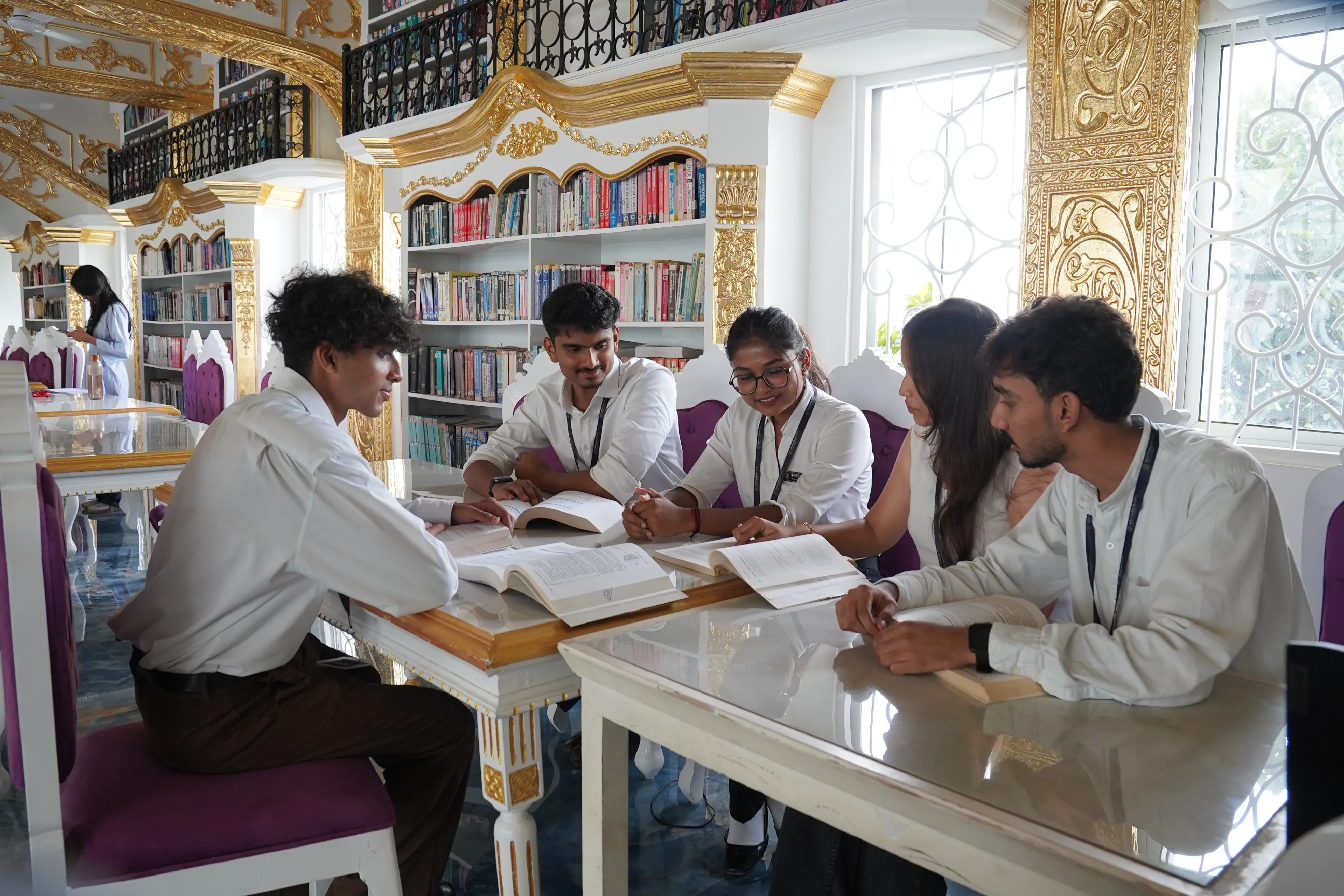
Sapthagiri NPS University provides a vibrant and supportive campus environment where students can learn, connect, and grow together. Our university encourages students to collaborate, share ideas, and gain practical knowledge beyond the classroom. With experienced faculty, modern learning approaches, and opportunities for personal and professional development, we help students build confidence, communication skills, leadership qualities, and industry-ready expertise. The diverse and engaging campus life shown in the image reflects our commitment to creating meaningful student experiences. At Sapthagiri NPS University, we believe education is not only about academics but also about developing responsible, innovative, and confident individuals ready to achieve their career goals.
Understanding Computer Science and Engineering
Computer Science and Engineering is a broad engineering discipline that focuses on the principles behind computing, software and digital systems. Students do not simply learn how to operate computers; they learn how computational problems can be analysed and solved using logical and systematic approaches. The field includes programming, algorithms, data structures, databases, computer architecture, operating systems, networking and software development. These subjects are closely connected, allowing students to understand how individual computing components contribute to complete technology solutions. Our university encourages students to develop conceptual clarity before moving towards advanced applications so that they can understand the principles behind the technologies they use. Programming teaches students how to implement solutions, algorithms help them develop efficient methods, databases provide approaches for managing information, and operating systems explain how computing resources are controlled. Networking introduces communication between systems, while software engineering provides structured approaches to application development. This broad foundation can prepare students to explore multiple technology areas according to their interests.
For students considering CSE Admission Bangalore, understanding the scope of Computer Science and Engineering can help them recognise that the programme provides much more than coding skills and can become a foundation for lifelong learning in technology. Sapthagiri NPS University promotes a strong culture of collaborative learning, where students come together to exchange ideas, discuss concepts, and build knowledge. Our library provides a focused and inspiring environment that supports academic exploration and independent study. Students are encouraged to make the most of our extensive learning resources while developing critical thinking, teamwork, and research skills. Through a blend of academic guidance, peer interaction, and practical learning, we help students grow with confidence and prepare for their future careers. Our university believes that meaningful learning happens when students learn together, explore new ideas, and continuously strive for excellence.
CSE Job Offers – Preparing Students for Technology Careers
CSE job offers are an important consideration for students and parents evaluating CSE Admission Bangalore, because Computer Science and Engineering can lead to a wide range of technology-oriented career opportunities. Our university focuses on developing students with the technical knowledge, practical exposure and professional skills required to participate in modern technology environments. The CSE programme provides a foundation in programming, software engineering, artificial intelligence, cloud computing, cybersecurity, database management, networking and full-stack development, while practical learning, coding activities, projects and internships can help students strengthen their application-oriented skills. Our university's placement ecosystem includes industry engagement and a range of recruiting organisations across technology and other sectors. The official recruiting-companies page lists organisations including Infosys, Wipro Technologies, L&T Infotech, IBM, NTT Data, Mphasis, Hexaware Technologies, Mindtree, Sonata Software, Unisys, Nokia, Adobe, Cyient, Juspay, OpenText and others. Students should understand that individual job offers depend on eligibility, skills, academic performance, recruitment criteria and the specific requirements of each employer. Our university therefore focuses not only on connecting students with recruitment opportunities but also on helping them build the technical and professional capabilities needed to participate effectively in recruitment processes.
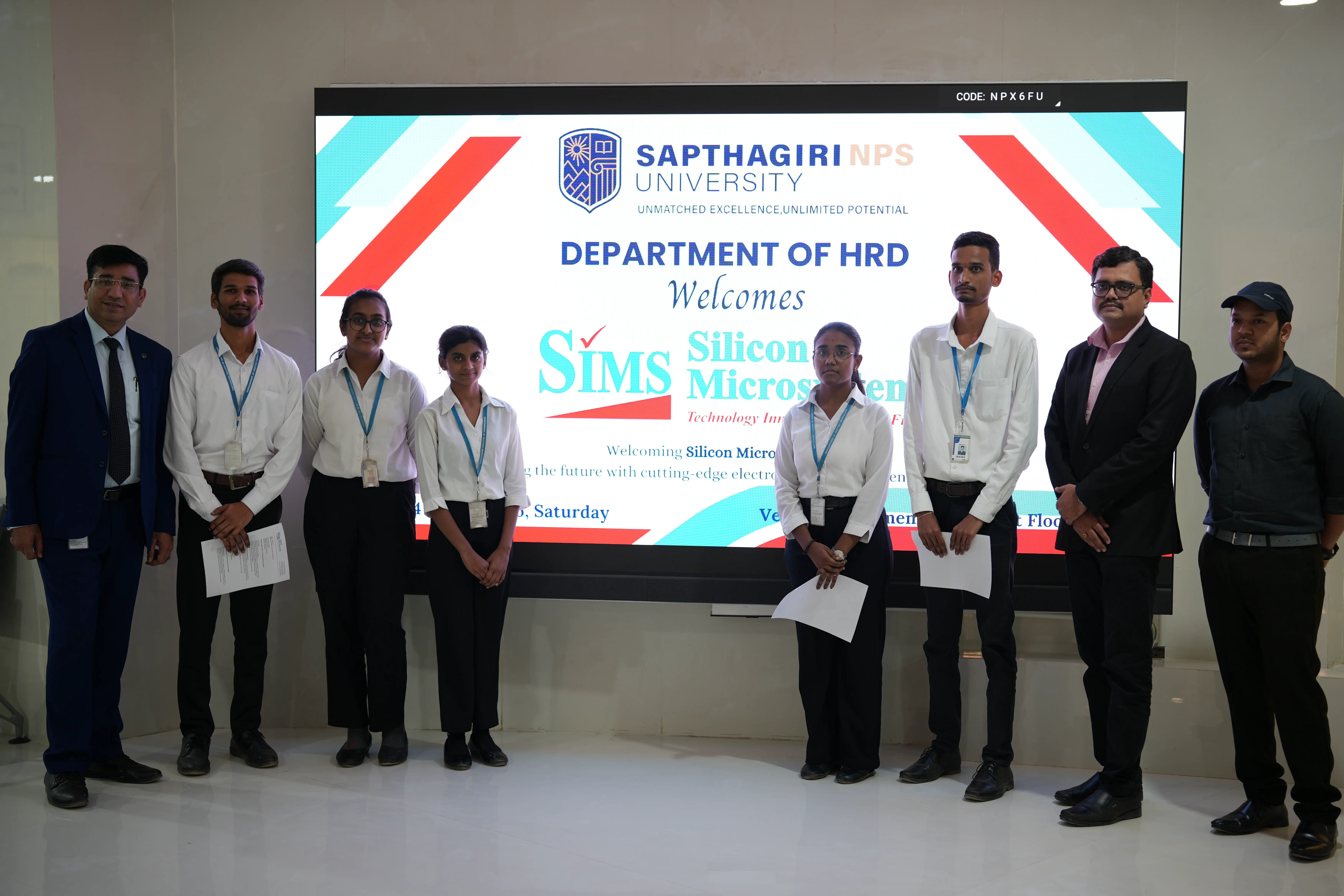
Our university is committed to creating strong career opportunities for students through a dedicated placement ecosystem. We connect students with leading organizations and provide valuable exposure to industry requirements. Our placement activities help students understand professional expectations and prepare confidently for recruitment processes. Through career guidance, skill development, aptitude training, communication sessions, and interview preparation, we support students throughout their journey. Industry interactions and recruitment activities give students opportunities to engage with potential employers and understand real-world career pathways. Our university encourages students to develop technical knowledge along with communication, teamwork, leadership, and problem-solving skills. The placement team works closely with students to identify suitable career opportunities based on their interests and capabilities. We also encourage students to participate in internships, projects, workshops, and industry-oriented learning experiences. These initiatives help bridge the gap between academic learning and professional requirements. Our career-focused approach motivates students to set clear goals and continuously improve their skills. We strive to create a supportive environment where students can confidently pursue their desired careers. The placement experience also helps students build professional networks and gain valuable industry insights. Our university believes that effective career preparation begins with consistent learning, practical exposure, and professional development. Through our placement initiatives, we aim to empower students to step into the professional world with confidence and competence.
CSE Placement Preparation at Our University
Our university approaches career preparation as a development process that begins during the student's academic journey rather than only during the final placement period. CSE students can strengthen their preparation by developing programming skills, understanding core computer science subjects, completing projects, participating in technical activities and gaining practical exposure. The university states that its placement division works with industry partners and focuses on preparing students according to industry requirements. The broader university ecosystem also highlights training in emerging areas such as Big Data, Data Analytics, Cloud Computing, Artificial Intelligence, Cybersecurity, Internet of Things, Robotics, Computer Vision, Edge Computing and other technology domains. This approach can help students understand that recruitment preparation involves more than academic marks. Technical problem-solving, communication, teamwork, project knowledge and the ability to discuss one's own work can all become important during a recruitment process. Our university encourages students to develop these capabilities progressively so they can approach future career opportunities with greater confidence.
Technology Companies and Recruitment Opportunities
Our university's official recruiting-companies information lists a broad range of organisations associated with recruitment, including technology and software-oriented companies. The published list includes Infosys, Wipro Technologies, IBM, NTT Data, Mphasis, Hexaware Technologies, Mindtree, Sonata Software, Unisys Information Technologies, Nokia, Adobe, Accolite, Cyient, Juspay, OpenText, Yellow Messenger, Techjini Solutions, SLK Software, Vee Technologies, Incadea and others. This provides students with an indication of the breadth of organisations that have appeared in the university's recruiting ecosystem. However, students should not interpret a recruiter list as a guarantee that every company will recruit every CSE batch or that every student will receive an offer from a particular organisation. Recruitment depends on the requirements announced by individual employers and the eligibility and performance of participating students. Our university's role is to provide an environment where students can develop relevant skills and participate in available recruitment opportunities.
CSE Job Roles After Graduation
| CSE Career Area | Possible Job Role | Skills Students Can Develop |
|---|---|---|
| Software Development | Software Engineer | Programming, algorithms, software engineering |
| Application Development | Application Developer | Programming, databases, application design |
| Full-Stack Development | Full-Stack Developer | Front-end, back-end, databases and APIs |
| Cloud Technology | Cloud Engineer | Networking, infrastructure and cloud concepts |
| Cybersecurity | Cybersecurity Analyst | Networks, operating systems and security concepts |
| Data Technology | Data Analyst | Data handling, programming and analytical thinking |
| Artificial Intelligence | AI Engineer | Programming, algorithms and AI concepts |
| Machine Learning | ML Engineer | Mathematics, programming, data and ML concepts |
| DevOps | DevOps Engineer | Software development and deployment concepts |
| Systems | Systems Engineer | Operating systems, networks and system administration |
| Software Consulting | Software Consultant | Technical analysis and communication |
| Architecture | Solution Architect | Software design and system-level understanding |
Our University prepares Computer Science and Engineering (CSE) students for diverse and rewarding career opportunities in the rapidly evolving technology sector. Our CSE programme focuses on building strong technical knowledge, practical problem-solving abilities and industry-relevant skills that help students pursue a wide range of professional pathways. Our programme information highlights career opportunities such as Software Engineer, Full-Stack Developer, Cloud Engineer, Cyber Security Analyst, DevOps Engineer, Systems Engineer, Software Consultant and Technology Architect. These roles reflect the broad scope of Computer Science and Engineering and the growing demand for skilled technology professionals.
As a Software Engineer, our graduates can contribute to the design, development, testing and maintenance of software applications and digital solutions. Students interested in modern web technologies can explore opportunities as Full-Stack Developers, working across both front-end and back-end development. Those interested in cloud technologies can pursue careers as Cloud Engineers, supporting cloud infrastructure, scalable systems and modern digital platforms. Students with an interest in digital security can explore careers as Cyber Security Analysts, focusing on protecting systems, networks and information from evolving security threats. Those interested in software development and IT operations can pursue opportunities as DevOps Engineers, supporting efficient development, deployment and management of applications.
Our CSE graduates can also build careers as Systems Engineers, working with complex computing systems and technology infrastructure. With professional experience, they can progress into roles such as Software Consultants, providing technology guidance and helping organisations implement effective digital solutions. Experienced professionals may also pursue opportunities as Technology Architects, contributing to the design of scalable, secure and efficient technology solutions. Our University is committed to providing CSE students with a strong foundation in computing concepts while encouraging practical learning, innovation and continuous skill development. We aim to help students prepare for the changing requirements of the technology industry and develop the confidence to pursue their chosen career paths. With diverse opportunities across software development, cloud computing, cybersecurity, DevOps, systems engineering, consulting and technology architecture, our CSE programme provides students with a strong platform to build successful careers and contribute to the future of technology.
Why CSE is an Important Engineering Discipline
Computer Science and Engineering has become increasingly important because digital technology is now connected with almost every major sector. Businesses use software to manage operations, organisations use databases to handle information, industries use automation, healthcare systems depend on digital records, financial institutions rely on secure computing and educational institutions use digital platforms for learning and administration. Behind these systems are professionals who understand software, data, networks, computing infrastructure and digital security. Our university aims to prepare students with the technical foundation required to understand and contribute to such technology environments. CSE also develops transferable skills such as analytical thinking, logical reasoning, problem-solving and structured decision-making. Students learn how to break complicated problems into manageable components and develop solutions based on clearly defined requirements. This way of thinking can remain valuable even when specific technologies change. The importance of CSE is also reflected in the emergence of areas such as artificial intelligence, machine learning, cloud computing, cybersecurity and data science. Students with strong computing fundamentals can continue developing their knowledge in these specialised fields. For students exploring CSE Admission Bangalore, the broad relevance of the discipline makes Computer Science Engineering a significant choice for those interested in technology and digital innovation.
Career Development and Professional Readiness at Our University
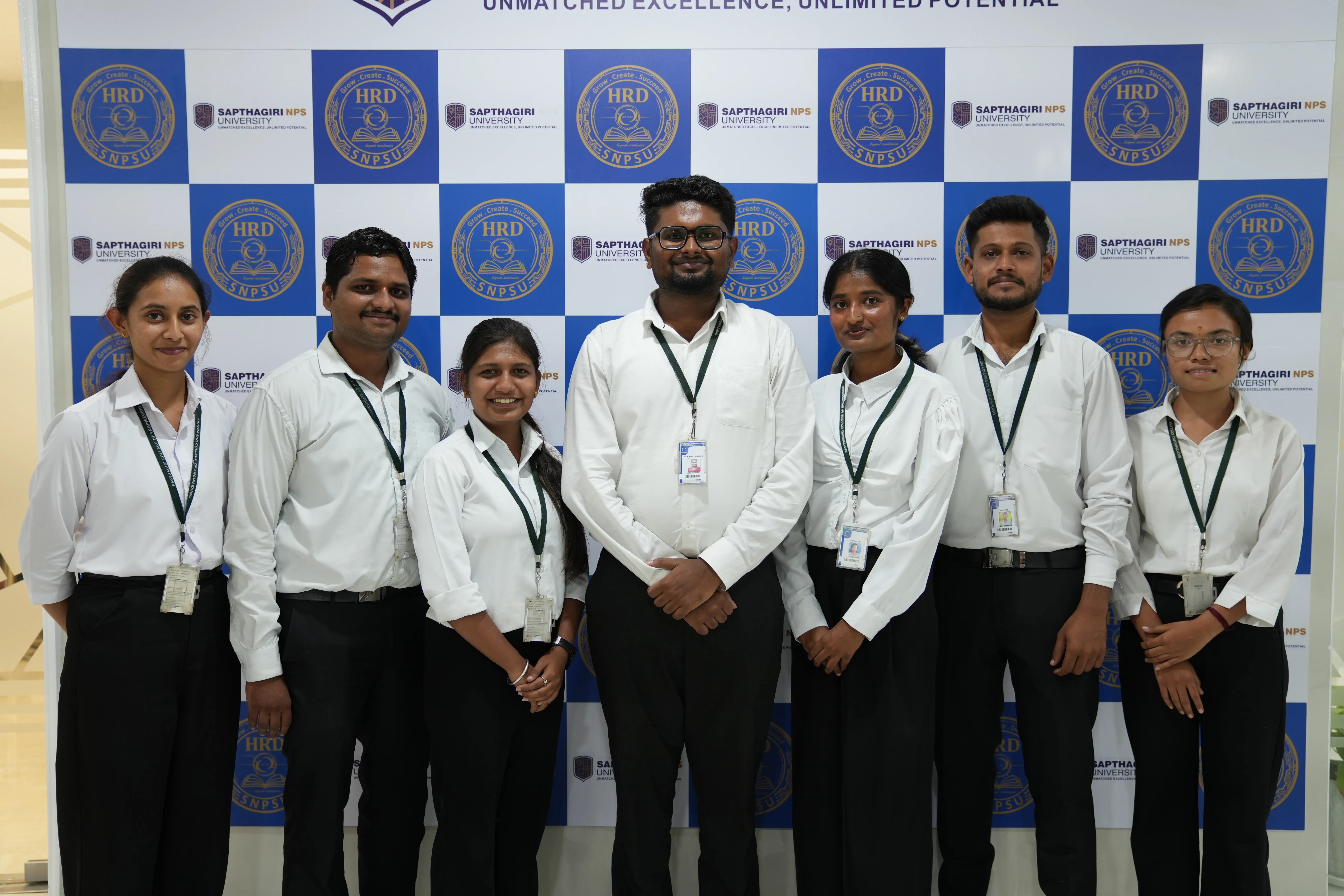
Our University believes that professional development and career readiness are important parts of a meaningful educational journey. The image highlights students standing together in a professional environment, reflecting teamwork, confidence and a shared commitment to growth. Our University encourages students to develop communication skills, workplace discipline, collaboration and a responsible attitude towards their future careers. Professional development activities can help learners understand workplace expectations, improve interpersonal abilities and recognise the importance of continuous learning. Students can strengthen their confidence by participating in institutional activities, taking responsibility for assigned tasks and learning from the experiences of others. These experiences also encourage accountability, mutual respect and professional awareness. For students researching CSE admission Bangalore, evaluating the overall learning environment and opportunities for personal development can be an important part of choosing a university.Click Here to Explore Our University Our University encourages prospective students to explore institutional information and understand the educational environment before making an admission decision.
Why Choose Bangalore for Computer Science Engineering?
Bangalore offers a strong technology-oriented environment for students interested in Computer Science and Engineering. The city is widely associated with information technology, software development, startups, research, engineering services and digital innovation. This technology ecosystem can help students understand how computing concepts connect with professional applications beyond the classroom. Students pursuing CSE Admission Bangalore can develop awareness of areas such as software development, artificial intelligence, cloud technologies, cybersecurity, data platforms and digital products while pursuing their academic education. However, choosing an engineering programme should not depend on location alone. Students should carefully evaluate the academic curriculum, practical learning opportunities, faculty support, laboratory facilities, project work, internship opportunities and professional development environment. Our university focuses on combining technical education with practical application and encourages students to develop their skills through academic and project-based activities. Studying in a technology-oriented city can complement this education by giving students greater awareness of the broader technology ecosystem. Our university therefore aims to help students make the most of their engineering education by developing technical knowledge, practical abilities and professional confidence while encouraging them to remain curious about emerging technologies.
B.E. Computer Science and Engineering at Our University
Our university offers B.E. Computer Science and Engineering under the School of Engineering and Technology. The programme is designed to combine foundational technical education with practical skills, ethical values and leadership development. Students are introduced to the principles of computing and encouraged to apply their knowledge through practical learning and projects. Our university's CSE learning approach focuses on developing deep technical understanding while helping students recognise how computing concepts can be used to address practical challenges. Students can develop knowledge across programming, algorithms, data structures, databases, operating systems, computer networks and software engineering as part of their academic journey. The programme also provides a foundation for students who wish to explore emerging technology areas as their interests develop. Practical application is an important part of this learning process because students can understand concepts more effectively when they implement and test them. Projects can help students combine knowledge from multiple subjects and develop the ability to work individually as well as collaboratively. Our university also emphasises ethical values and leadership qualities so that students develop as responsible engineering professionals.
CSE Admission Eligibility
Students planning for CSE Admission Bangalore should understand the applicable academic eligibility requirements before beginning the application process. For first-year B.E. admission, our published eligibility criteria state that students should have passed 2nd PUC or 12th standard with Physics and Mathematics along with one of Chemistry, Biology, Electronics, Computer Science or Biotechnology and English. The published minimum aggregate is 45% in the applicable PCM combination for general category candidates, while the stated minimum is 40% for OBC Karnataka and SC/ST candidates. Students interested in lateral entry may have separate requirements depending on their qualifying diploma or B.Sc. qualification. Because admission requirements can depend on the admission category and applicable academic regulations, students should verify the current requirements before submitting their applications. Our admissions team can provide guidance to prospective students regarding eligibility and the admission procedure. Students should also ensure that their academic information and supporting documents are prepared correctly before beginning the application process.
CSE Admission Eligibility – Quick Reference
| Admission Category | Academic Qualification | Applicable Requirement |
|---|---|---|
| B.E. First Year | 2nd PUC / 12th Standard | Physics and Mathematics with one specified qualifying subject and English |
| General Category | Applicable qualifying examination | Minimum 45% in the applicable PCM combination |
| OBC Karnataka | Applicable qualifying examination | Minimum 40% in the applicable PCM combination |
| SC/ST | Applicable qualifying examination | Minimum 40% in the applicable PCM combination |
| Lateral Entry | Diploma / B.Sc. | Separate applicable lateral-entry requirements |
CSE Admission Process
The CSE Admission Bangalore process begins with understanding the programme, checking eligibility and preparing the information required for application. Students should first determine whether Computer Science and Engineering matches their academic interests and future aspirations. After reviewing the eligibility requirements, applicants can identify the applicable admission route and prepare their academic and personal documents. Our university provides an official admission portal through which prospective students can register or log in and proceed with the admission process. Applicants should provide accurate information and carefully review the details entered before completing their application. Students and parents who require clarification can contact our admissions team for guidance regarding programme selection, eligibility or application procedures. Starting the process early can give students sufficient time to organise documents and understand each stage of admission. The official admission portal currently provides information for the 2026–2027 admission cycle.
👉 Official Admission Portal: Click Here – CSE Admission Portal
CSE Curriculum – Building the Right Foundation
A strong Computer Science and Engineering curriculum should gradually develop students from basic computing concepts towards advanced technical applications. Our university focuses on building this foundation through core areas of Computer Science and Engineering while encouraging practical application. Students can begin with programming and computer fundamentals before progressing into algorithms, data structures, database management, computer organisation, operating systems and computer networks. Software engineering concepts can then help students understand how larger applications are planned, developed, tested and maintained. These subjects are interconnected and provide the technical foundation needed for exploring emerging areas. A student studying artificial intelligence, for example, benefits from programming, algorithms and data knowledge, while a student interested in cybersecurity benefits from understanding networks, operating systems and software. Similarly, cloud computing requires knowledge of networking, software architecture and distributed systems. Our university encourages students to understand these relationships so they can develop a broader perspective of computing rather than viewing each subject independently. This foundation can help students adapt more effectively as technology changes.
Programming Fundamentals in CSE
Programming is the foundation through which many CSE concepts are transformed into practical applications. Students learn how to represent logical ideas using programming languages and how to create instructions that computers can execute. The learning process generally begins with fundamental concepts such as variables, data types, operators, conditions, loops and functions before progressing towards more advanced programming approaches. Programming also teaches students how to analyse errors, debug applications and improve their solutions. Our university encourages students to practise programming regularly because technical confidence develops through implementation and experimentation. Programming skills can later be applied to websites, mobile applications, software systems, automation, artificial intelligence and data-processing solutions. Students also learn that effective programming involves more than producing code that works; they should consider clarity, efficiency, organisation and maintainability. Developing this mindset can help students approach larger projects more systematically. For students pursuing CSE Admission Bangalore, building programming confidence during the early stages of the programme can provide a strong foundation for many future areas of Computer Science.
Data Structures and Algorithms
Data Structures and Algorithms develop the ability to organise information and solve computational problems systematically. Students learn that the structure used to store data can influence how efficiently information can be accessed and processed. Concepts such as arrays, linked lists, stacks, queues, trees, graphs and hashing provide different approaches for different computational requirements. Algorithms then provide systematic procedures for performing tasks such as searching, sorting and processing information. Students can learn to compare different solutions and understand concepts related to efficiency and computational complexity. Our university encourages students to apply these concepts through practical problem-solving so they can understand why one approach may be more suitable than another. Strong algorithmic thinking can support programming, software engineering, artificial intelligence, machine learning and data science. It also teaches students to approach unfamiliar problems logically rather than depending only on memorised solutions. Developing this ability is an important part of becoming a capable Computer Science engineer.
Database Management Systems
Database Management Systems play an important role in software because applications frequently need to store, retrieve and manage information. Students studying CSE can learn how data is organised into structured systems and how applications interact with databases. Concepts such as tables, relationships, keys, queries and transactions help students understand the principles of data management. Database knowledge can be applied to websites, mobile applications, business software, educational platforms and enterprise systems. Students can also learn why data integrity and efficient information retrieval are important when designing digital applications. Our university encourages students to connect theoretical database concepts with practical application so they can understand how databases contribute to complete software solutions. Database knowledge can also provide a foundation for advanced areas such as data analytics, data science and cloud-based applications. For students pursuing CSE Admission Bangalore, understanding data management can become an important part of their technical development.
Computer Architecture and Organisation
Computer Architecture and Organisation helps students understand how computer systems operate internally and how hardware interacts with software. Students can learn about processors, memory, storage, input-output systems and instruction execution. This knowledge provides an important foundation because software ultimately runs on physical computing systems. Understanding computer architecture can help students appreciate how design decisions influence system performance and resource usage. It also connects with operating systems, embedded systems and Internet of Things technologies. Our university encourages students to develop a broad understanding of computing rather than focusing only on application-level programming. By learning how hardware and software interact, students can develop a more complete understanding of computer systems. This foundation can also help students understand why software needs to consider factors such as processing capability, memory and system resources.
Operating Systems and System Management
Operating systems manage the resources that allow computer applications to function effectively. CSE students can learn about processes, threads, memory management, scheduling, file systems and resource allocation. These concepts help students understand the interaction between applications and computer hardware. Operating system knowledge is relevant to software development because application performance and behaviour can depend on how system resources are managed. The subject also provides a foundation for understanding cloud environments, distributed systems and system-level computing. Our university emphasises strong foundational knowledge because students can use these concepts across multiple technology areas throughout their careers. Understanding operating systems can help students become more capable when analysing how software behaves within a complete computing environment.
Computer Networks and Digital Communication
Computer Networks form the communication foundation of modern digital systems. Websites, cloud applications, mobile services, enterprise platforms and connected devices depend on networks to exchange information. CSE students can learn how systems communicate, how data moves between devices and how network structures support digital services. Networking concepts can include communication models, addressing, routing and protocols. These principles also provide a foundation for cybersecurity, cloud computing, distributed systems and Internet of Things technologies. Our university encourages students to understand how computing systems interact with each other and how different technical components form a complete digital ecosystem. Practical understanding of networks can help students analyse communication problems and appreciate the infrastructure behind everyday digital services.
Software Engineering and Application Development
Software Engineering introduces students to structured approaches for developing reliable and maintainable applications. Professional software development involves requirements analysis, planning, design, implementation, testing, documentation and maintenance. Students can learn why these stages become important when software projects become larger and involve multiple developers. Our university encourages students to apply software engineering principles through practical projects, allowing them to experience the process of developing a solution from an initial idea to a working application. Project work can also develop teamwork, communication and planning abilities. Students learn that successful software requires not only programming but also careful organisation and continuous evaluation. These skills can provide a strong foundation for future software development and technology projects.
Artificial Intelligence and the Future of CSE
Artificial Intelligence is becoming an increasingly important area of computing, and CSE provides many of the foundations required to explore AI. Students need programming, algorithms, mathematics and data-handling skills to understand how intelligent systems are developed. Our university encourages students to build strong core computing knowledge before moving into specialised technology areas. This approach helps students understand the principles behind artificial intelligence rather than focusing only on individual tools or applications. AI can involve areas such as machine learning, language technologies, image processing and intelligent automation. Students who develop strong CSE fundamentals can progressively explore these areas according to their interests. As technology continues to evolve, understanding the underlying computing principles can help students remain adaptable and continue developing their knowledge.
Machine Learning and Data-Driven Technologies
Machine Learning allows computing systems to identify patterns in data and perform specific tasks based on learned information. Students interested in machine learning can benefit from a strong foundation in programming, algorithms, mathematics and data management. Our university encourages students to develop these core capabilities before exploring more specialised data-driven technologies. Machine learning can be applied to prediction, classification, recommendation, automation and other computational tasks. Students can develop their understanding by working with data, examining computational models and evaluating results. This area demonstrates how different CSE subjects can come together to support advanced technology applications. For students interested in the future of computing, machine learning can become an important area for continued learning after establishing a strong undergraduate foundation.
Cybersecurity and Digital Protection
Cybersecurity is an important part of modern computing because digital systems and information need to be protected. CSE students can develop foundational knowledge relevant to cybersecurity through programming, computer networks, operating systems and databases. Understanding how systems function can help students understand how security weaknesses can occur and how secure approaches can be designed. Students interested in this field can explore concepts related to authentication, access control, secure software and network protection. Cybersecurity also requires ethical responsibility because technical skills must be used appropriately. Our university encourages students to understand the broader responsibilities associated with technology while developing their technical capabilities. This combination can help students approach cybersecurity as both a technical and professional discipline.
Cloud Computing and Modern Infrastructure
Cloud Computing has changed how software applications and digital services are developed and delivered. Modern systems can use remote computing resources, storage and networking services to provide applications at scale. CSE students can build the foundation required to understand cloud computing through subjects such as operating systems, networking, databases and software engineering. Cloud environments also introduce concepts related to scalability, distributed computing, availability and resource management. Our university encourages students to understand the computing principles behind modern technologies so that they can continue learning as specific cloud platforms and tools evolve. Students can use project work and independent technical learning to deepen their understanding of cloud-based application development and infrastructure.
Official CSE Information
Students looking for CSE Admission Bangalore should use official sources when checking programme and admission information. Our official CSE department page provides information about the Computer Science and Engineering programme, while the eligibility page provides the applicable academic requirements. The official admissions portal provides the online admission route.
👉 CSE Department: Click Here – Computer Science and Engineering
👉 Admission Eligibility: Click Here – Admission Eligibility
👉 Admission Portal: Click Here – Apply for Admission
Internet of Things and Connected Systems
The Internet of Things connects physical devices, sensors and software systems, creating new possibilities for connected computing. Students can understand IoT by combining knowledge of programming, networking, databases and system design. Connected devices can collect information, communicate with other systems and support automated processes. Applications can extend across smart environments, industrial systems, agriculture, healthcare and transportation. Our university encourages students to understand how different computing technologies interact and how software can be applied to physical-world problems. IoT therefore provides an opportunity for CSE students to think beyond traditional software applications and understand the growing relationship between digital systems and connected physical devices.
Practical Learning in CSE
Practical learning helps students convert theoretical concepts into technical capabilities. Our university encourages students to apply classroom knowledge through laboratory activities, programming exercises, projects and other hands-on learning experiences. Practical work can help students understand how algorithms behave, how databases operate, how software components interact and how technical problems can be identified and corrected. Students also learn that debugging and experimentation are important parts of software development. Rather than depending only on theoretical explanations, students can gain confidence by implementing solutions and evaluating the results. Practical learning can also encourage students to work collaboratively and communicate technical ideas. This approach supports the broader objective of developing students with both technical knowledge and practical problem-solving ability.
CSE Projects and Real-World Application
Projects provide students with an opportunity to bring different areas of Computer Science together in one practical solution. Depending on the project, students may need to combine programming, databases, algorithms, software engineering, networking and user-interface concepts. This process helps students understand that real-world technology solutions usually require multiple technical components working together. Students can begin by identifying a problem, analysing requirements and designing a solution before moving into implementation, testing and documentation. Group projects can develop teamwork and leadership, while individual projects can strengthen independent problem-solving. Our university encourages projects and practical applications as part of the CSE learning environment so students can connect academic concepts with real-world challenges.
Internship and Industry-Oriented Learning
Internships and industry-oriented activities can help CSE students understand how computing knowledge is used in professional environments. Students can gain exposure to project workflows, technical collaboration, documentation, deadlines and practical requirements. Such experiences can help students understand how professional teams approach software and technology challenges. Our university's CSE department highlights internships, projects and industry-relevant activities as complementary components of the academic experience. Students can use these opportunities to identify areas in which they are interested and skills that they may want to develop further. Industry-oriented exposure can therefore complement classroom education and help students understand the relationship between engineering concepts and professional technology applications.
Future Scope of Computer Science Engineering
The future scope of CSE extends across a wide range of technology domains because computing continues to influence how organisations operate and how digital services are created. Students can explore software development, artificial intelligence, machine learning, data science, cybersecurity, cloud computing, web technologies, mobile applications, networking, databases and other computing areas. The flexibility of CSE allows students to develop a common technical foundation before choosing areas that match their interests. Our university encourages students to continue learning because technology changes rapidly and professionals need to adapt to new tools and approaches. Strong knowledge of programming, algorithms, systems and software engineering can provide a foundation for this continuous development. Students can strengthen their future readiness through practical projects, internships, technical learning and independent exploration.
Career Development After CSE
A CSE degree can provide students with a foundation for multiple technology-oriented career directions. Depending on their technical interests and skills, graduates can explore software development, application development, web technologies, database systems, cloud technologies, cybersecurity, data technologies, artificial intelligence, machine learning, testing and other computing-related areas. Students can also consider higher education, research or entrepreneurship. Career development depends on more than the degree itself; students can strengthen their professional readiness by developing programming skills, completing projects, gaining practical exposure and improving communication and teamwork. Our university encourages students to develop both technical and professional capabilities so they can adapt to different technology environments. The broad nature of CSE gives students an opportunity to discover their preferred technical direction during their academic journey.
Frequently Asked Questions About CSE Admission Bangalore
1. What is CSE Admission Bangalore and why is it a popular choice for students?
CSE Admission Bangalore refers to the admission process for Computer Science and Engineering programmes offered by engineering institutions in Bengaluru. CSE continues to attract students because computing skills are relevant across software development, digital services, artificial intelligence, data technologies, cloud platforms, cybersecurity and many other technology-driven areas. Students choosing CSE can build a strong technical foundation while gradually developing practical capabilities through programming, projects, laboratory work and technology-based learning. Bangalore also provides a broad technology ecosystem where students can become familiar with industry trends, professional practices and emerging areas of computing. Our university focuses on combining technical education with practical application, ethical values, leadership development and industry-oriented learning so that students can progressively prepare for professional responsibilities.
2. What CSE programme does our university offer?
Our university offers B.E. – Computer Science and Engineering as an undergraduate programme under the School of Engineering and Technology. The programme is designed to develop foundational and advanced understanding of computer science while giving students opportunities to apply concepts through practical activities, projects and technical learning. The CSE department describes its approach as combining high-quality technical education, practical skills, ethical values and leadership qualities. Students can develop knowledge across computing concepts while gaining exposure to application-oriented learning and problem-solving.
3. What are the eligibility requirements for CSE admission?
For first-year B.E. admission, applicants should have passed 2nd PUC or 12th standard with Physics and Mathematics along with one of Chemistry, Biology, Electronics, Computer Science or Biotechnology, with English as a qualifying language. The published eligibility criteria specify a minimum aggregate of 45% in PCM for the general category and 40% in PCM for OBC Karnataka and SC/ST candidates, subject to the applicable admission rules. Students seeking admission should always review the latest official eligibility requirements before applying because admission regulations can change.
4. What subjects are important for students preparing for CSE?
Mathematics and computer-related subjects can provide a useful foundation for students entering CSE, while Physics can also support understanding of several engineering concepts. Students who have studied Computer Science may already have familiarity with programming or basic computational thinking, but prior programming knowledge is not necessarily the only factor in succeeding in CSE. During the programme, students progressively develop their understanding of programming, algorithms, software systems, databases, networks and other computing areas. The most important qualities are consistent learning, logical thinking, curiosity, practice and willingness to work through technical problems. Students can therefore enter CSE with different academic backgrounds and progressively build their computing capabilities.
5. How does our university support practical learning in CSE?
Practical learning is an important part of the CSE learning experience because computer science concepts become more meaningful when students can apply them to real problems. Our university's CSE department highlights state-of-the-art infrastructure, innovative teaching-learning methods and a balance between theoretical knowledge and hands-on application. Students can engage with technical activities, projects, internships and other academic or co-curricular opportunities that encourage application of concepts. This approach can help students move beyond simply understanding definitions and develop the ability to design, implement, test and improve computing solutions.
6. Can CSE students develop skills beyond classroom subjects?
Yes. CSE students can progressively develop technical, analytical and professional capabilities beyond their regular academic subjects. Programming practice, technical projects, collaborative activities, presentations, internships, workshops, coding exercises and independent technology learning can complement classroom education. Students can also explore specialised areas according to their interests as they become more familiar with computer science. Our university emphasises practical applications, leadership qualities, collaborative problem-solving and globally relevant technical capabilities within its CSE department objectives. This broader approach can help students develop confidence in applying their knowledge rather than limiting their learning to examinations.
7. What emerging technology areas can CSE students explore?
Computer Science and Engineering provides a foundation that can lead into many emerging technology areas. Depending on their academic interests and additional learning, students can explore fields such as artificial intelligence, machine learning, data engineering, cybersecurity, cloud technologies, blockchain, computer vision, Internet of Things, edge computing, robotics, big data and other developing areas. Our university's academic ecosystem also highlights technology areas including Big Data, Data Analytics, Web of Things, Cloud Computing, Artificial Intelligence, Quantum Computing, Edge Computing, Blockchain, Cybersecurity, IoT, Robotics and Computer Vision. Students should understand that developing expertise in any specialised area requires additional practice and continuous learning beyond basic academic exposure.
8. What kinds of career roles can CSE graduates consider?
CSE graduates can consider a wide range of technology-oriented career paths depending on their skills, interests, academic performance and additional specialisation. Potential roles include software developer, software engineer, full-stack developer, cloud engineer, DevOps professional, cybersecurity analyst, systems engineer, software consultant, technology architect and other computing-related positions. Students interested in artificial intelligence or data technologies can also build specialised skills for relevant technical roles. The important point is that a CSE degree provides a broad computing foundation, while employability increasingly depends on how effectively students apply that foundation through programming ability, projects, technical understanding, communication and continuous skill development.
9. Does our university have companies associated with its recruitment ecosystem?
Our university publishes a recruiting-companies page that includes organisations such as Infosys, Wipro Technologies, IBM, L&T Infotech, Mphasis, NTT Data, Hexaware Technologies, Mindtree, Sonata Software, Nokia, Adobe, Cyient, Juspay, GeekyAnts and several other organisations. This page represents companies listed by the university within its recruitment ecosystem; it should not be interpreted as a guarantee that every listed company will recruit every CSE student or participate in every admission cycle. Individual recruitment opportunities depend on the relevant recruitment process, eligibility criteria, student performance and available openings.
10. How can CSE students prepare themselves for recruitment opportunities?
Students can begin career preparation well before their final year by developing strong programming fundamentals, practising problem-solving, completing meaningful technical projects and improving their understanding of core computing concepts. Building a professional portfolio can also help students demonstrate what they have learned through practical work. Students should gradually become comfortable explaining their projects, discussing technical decisions and solving programming or aptitude-based questions. Communication and teamwork are equally important because professional software development generally involves collaboration. Our university's student-affairs information highlights career excellence through strategic industry connects and placement-related activities, supporting the broader objective of helping students prepare for professional opportunities.
11. Is CSE suitable for students who are interested in technology but are not yet strong in programming?
Yes. Students do not necessarily need to enter the programme as advanced programmers. CSE education is designed to progressively develop programming and computational thinking skills. A student who is willing to practise consistently can begin with basic programming concepts and gradually move toward more complex software development and problem-solving. The key is to develop a regular learning habit instead of expecting immediate mastery. Students can strengthen their skills through classroom learning, laboratory exercises, coding practice, projects and independent exploration. Our university's CSE programme places emphasis on practical application and technical development, providing a structured environment in which students can progressively build their capabilities.
12. How can students apply for CSE admission to our university?
Students interested in CSE Admission Bangalore can review the current B.E. CSE programme information, verify eligibility, understand the applicable admission requirements and then proceed through the official admissions process. Our university's admissions portal currently provides registration and login facilities for the 2026–2027 admission cycle. Students who need assistance can also contact the admissions team for guidance regarding the application and admission process. For the most accurate information, applicants should rely on the latest official university admission information rather than older third-party pages. 👉 Official CSE Admissions Portal — Click Here
👉 Admissions Support: 9900072632
👉 Official University Website: Click Here to Visit Our University
Building a Strong CSE Portfolio
A practical portfolio can help students demonstrate what they have learned during their CSE education. Students can develop projects involving applications, websites, programming solutions, databases, data analysis or other technology areas and document the process clearly. A strong project explanation can show the problem addressed, the approach taken, technologies used and outcome achieved. Our university encourages project-based learning because practical work helps students apply classroom concepts and develop confidence. Students can gradually build a portfolio throughout their undergraduate years instead of waiting until graduation. This approach also encourages students to reflect on their skills and identify areas where they need additional practice. A portfolio can become a useful representation of a student's practical learning journey.
Why Choose Our University for CSE Admission Bangalore?
Our university provides a structured Computer Science and Engineering education focused on technical knowledge, practical application, ethical values and professional development. We aim to help students develop strong computing fundamentals while providing opportunities to apply those concepts through practical learning, projects, internships and industry-relevant activities. Students can build their knowledge across core CSE subjects while progressively exploring emerging areas of technology. We also encourage students to develop problem-solving, teamwork and leadership capabilities because successful engineering requires more than technical knowledge alone. The CSE department's approach includes a balance of theory and hands-on applications and focuses on preparing students to address simple and complex technical problems individually and collaboratively. For students searching for CSE Admission Bangalore, our university provides an academic environment designed to support technical development, practical learning and continuous growth.
CSE Admission Bangalore – Student Support
Students and parents may have questions about eligibility, programme structure, application procedures and the academic journey before beginning CSE admission. Our admissions team can provide guidance to help applicants understand the available information and take the appropriate next steps. Students should review their academic qualifications carefully, understand the programme requirements and prepare the required documents before submitting their application. Our university encourages prospective students to make informed academic decisions based on their interests, strengths and future goals. Clear admission guidance can help students approach the process with greater confidence and understand what to expect from their Computer Science Engineering journey.
CSE Admission Bangalore – Contact Details
| Support | Details | Action |
|---|---|---|
| CSE Admission Enquiry | Guidance regarding Computer Science and Engineering admission and programme information | 👉Click Here |
| Eligibility Guidance | Support in understanding applicable academic requirements | 👉Click Here |
| Course Selection | Guidance regarding the CSE academic pathway | 👉Click Here |
| Application Assistance | Support with the admission application process | 👉Click Here |
| Admission Counselling – Email | Guidance for students and parents | 👉Click Here |
| Admissions Support | 9900072632 | 👉Click Here |
CSE Admission Bangalore – Begin Your Future in Technology
Choosing CSE Admission Bangalore can be the beginning of an academic journey focused on computing, programming, software development and emerging technologies. Our university aims to provide students with a strong foundation in Computer Science and Engineering while encouraging practical application, project learning, internships, problem-solving, teamwork, ethical responsibility and continuous development. Students can build their technical knowledge through core computing subjects and progressively explore areas such as artificial intelligence, machine learning, cybersecurity, cloud computing, data science, web development and connected technologies. The broad nature of CSE allows students to discover different areas of interest and develop specialised skills as they progress through their education. For students and parents considering CSE Admission Bangalore, our university provides an environment where technical learning can be combined with practical experience and professional development. Students can review the eligibility requirements, explore the programme information and use the official admission portal to take the next step towards their Computer Science Engineering education.
Leave a Comment