
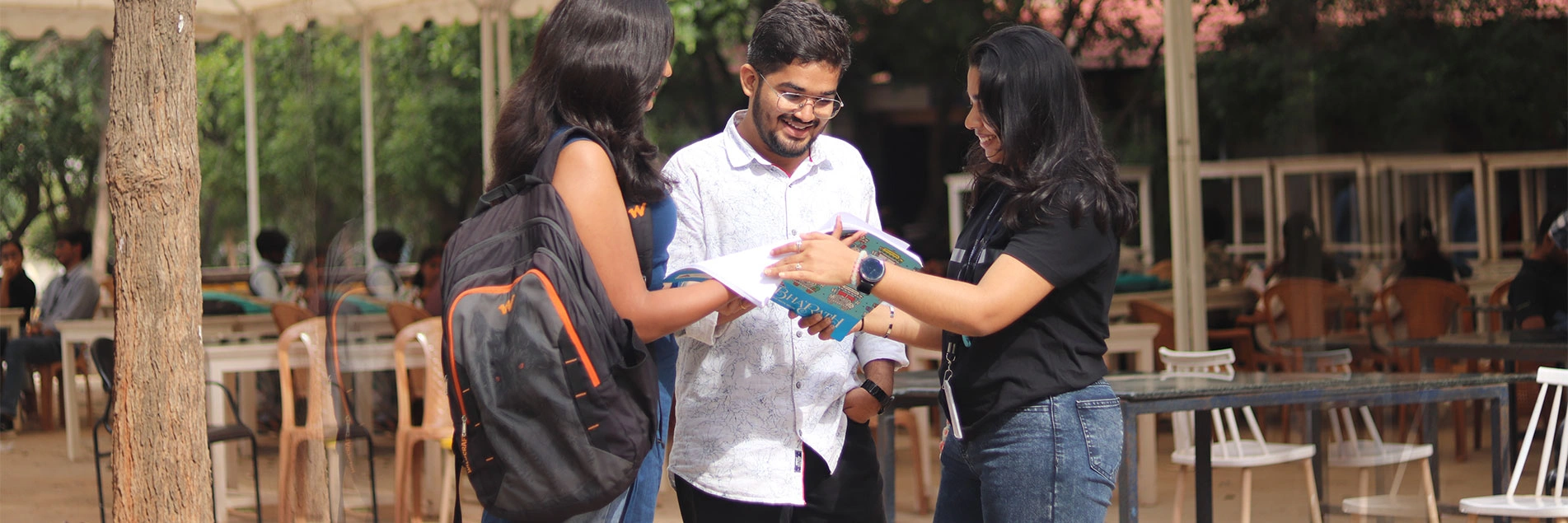
EID-MILAD – Sapthagiri NPS University Celebrates the Spirit of Peace, Unity and Compassion
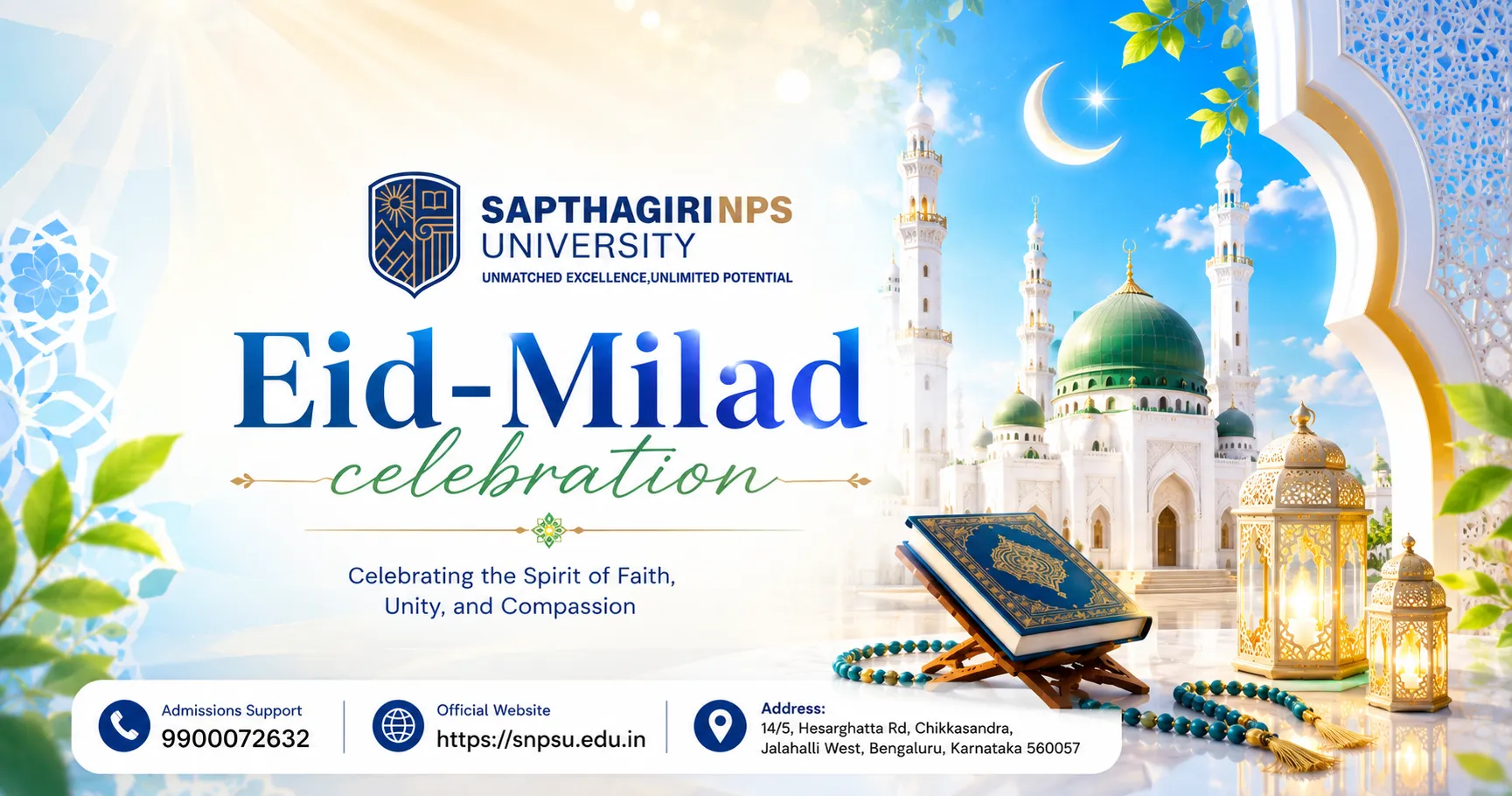
EID-MILAD Celebration in Our University – A Meaningful Celebration of Peace, Unity and Cultural Harmony
EID-MILAD is a significant occasion that brings attention to values such as peace, compassion, kindness, generosity, humility, respect and harmony. In our university, the celebration of EID-MILAD can create a meaningful opportunity for students, faculty members and staff to come together and appreciate the importance of cultural and religious diversity. A university is much more than a place for academic learning and professional preparation. It is also a community where students learn how to communicate with others, respect different perspectives, work together and become responsible members of society. The celebration of EID-MILAD can therefore become a meaningful part of campus life by creating opportunities for cultural awareness, interaction and reflection. Students from different regions, languages, cultures and communities share the same academic environment, and occasions such as EID-MILAD can help them understand and appreciate the traditions of their fellow students. The significance of EID-MILAD goes beyond a formal programme or a single day of celebration. It can encourage students to think about the importance of kindness in everyday life and understand how compassion can influence relationships, education, leadership and professional development. EID-MILAD is associated with remembrance of the birth of Prophet Muhammad and is observed by Muslim communities in different ways according to their cultural and regional traditions. In an educational setting, understanding the significance of EID-MILAD can help students develop greater cultural awareness while encouraging an environment of mutual respect. Our university can use the occasion to create an inclusive atmosphere where students can learn about the cultural and religious importance of EID-MILAD while recognising the universal human values connected with peace, generosity, service and compassion. The celebration can bring people together through appropriate activities, educational discussions, cultural presentations and opportunities for meaningful interaction. When students participate respectfully in cultural occasions, they gain experiences that cannot always be provided through textbooks or classroom lectures. They learn to listen, communicate, observe and appreciate perspectives that may be different from their own. This kind of experiential learning can contribute to their overall development and help them become more confident in diverse social and professional environments. EID-MILAD can also remind students that academic excellence and human values should develop together. Knowledge provides the foundation for professional success, while empathy, integrity and responsibility help individuals use that knowledge in a meaningful way. Our university can encourage students to carry the positive values associated with EID-MILAD into their daily interactions, academic activities, friendships and future careers. By doing so, the celebration becomes more than a cultural occasion; it becomes an opportunity to strengthen the university community and inspire students to contribute positively to society.
EID-MILAD and the Spirit of Peace
EID-MILAD carries a message that encourages reflection on peace and harmonious relationships. Peace matters in every community, and a university environment offers students a valuable setting in which they can learn how peaceful relationships are built and maintained. Students naturally have different opinions, experiences and perspectives, and these differences can become opportunities for learning when they are approached with respect. EID-MILAD can encourage students to understand that peaceful coexistence begins with listening, patience and responsible communication. A peaceful university environment isn't created simply by avoiding disagreements; it is created when people learn how to handle differences constructively. Students can practise this through respectful conversations, teamwork, cooperation and empathy. The celebration of EID-MILAD can reinforce these qualities and remind students that their behaviour contributes to the atmosphere around them. A simple act of kindness, a respectful conversation, a willingness to help someone or an effort to understand another person's perspective can make a meaningful difference. Our university can encourage students to see peace as an everyday responsibility rather than an abstract concept. The values associated with EID-MILAD can inspire students to communicate thoughtfully and treat others with dignity. These qualities are especially valuable in today's interconnected world, where students are likely to work with people from different cultures and backgrounds. Learning to respect diversity during university life can prepare students for professional environments where collaboration and cultural awareness are essential. EID-MILAD can therefore provide a meaningful opportunity to connect cultural celebration with personal development and responsible citizenship.
EID-MILAD and Cultural Harmony
Cultural harmony is an important part of a healthy university environment. Our university brings together students who may have different languages, traditions, family backgrounds and cultural experiences. This diversity creates an opportunity for students to learn from one another and develop broader perspectives. EID-MILAD can contribute to this process by providing an occasion for students to understand an important Islamic tradition and appreciate the values connected with it. Cultural harmony doesn't mean that everyone must follow the same traditions or have identical beliefs. Instead, it means creating an environment where differences are respected and people can interact without prejudice or unnecessary barriers. Students who participate in cultural celebrations can gain a better understanding of the people around them. They may learn about traditions that they have previously encountered only through books, media or general conversations. Direct cultural learning can make students more open-minded and help reduce misconceptions. EID-MILAD can therefore be an opportunity to promote cultural awareness while strengthening relationships across the university community. When students celebrate respectfully together, they can discover common values that exist across different communities. Kindness, generosity, family, service, gratitude, respect and compassion are human values that can connect people even when their cultural practices are different. Our university can use EID-MILAD to highlight these shared values and encourage students to focus on the principles that unite people. Cultural harmony becomes stronger when students learn to appreciate differences while recognising their shared humanity.
EID-MILAD and Student Participation
Students are at the heart of university life, and their involvement can make EID-MILAD celebrations more engaging and meaningful. Student participation can take many forms depending on the programme planned by the university. Students may contribute to cultural presentations, educational discussions, event coordination, volunteer activities, creative programmes or community initiatives. Such involvement gives students opportunities to develop communication, leadership, teamwork and organisational skills. Planning a university event requires students to work together, divide responsibilities and coordinate activities. These practical experiences can complement their academic education and help them build confidence. EID-MILAD can also encourage students to participate in activities that promote kindness and social responsibility. Community-oriented programmes can help students understand that celebration can be connected with service and giving. Students can learn that even small contributions can have a positive impact on others. Participation can also strengthen friendships because students have opportunities to work with peers whom they may not regularly interact with during academic activities. When students collaborate across cultural and social backgrounds, they develop stronger interpersonal skills. EID-MILAD can therefore become an occasion that supports both cultural learning and student development.
EID-MILAD and the Importance of Compassion
Compassion is one of the most meaningful values that students can reflect upon during EID-MILAD. Compassion involves understanding the experiences of others and responding with kindness. In university life, compassion can be expressed in many simple ways. A student can help a classmate understand a difficult topic, support someone who is facing a challenge, welcome a new student or participate in a community-service activity. These actions may seem small, but they can make the campus environment more supportive. EID-MILAD can remind students that personal success becomes more meaningful when it is accompanied by concern for others. Academic achievement is important, but education should also help individuals develop character and social responsibility. Compassion can influence the way students communicate with classmates, faculty members and staff. It can encourage students to become more patient and considerate. These qualities can remain valuable throughout their professional lives. A compassionate professional can work effectively with colleagues, understand customer needs, support team members and contribute positively to organisational culture. By reflecting on compassion through EID-MILAD, students can develop a broader understanding of what it means to become a successful and responsible individual.
EID-MILAD and the Value of Generosity
Generosity is another important value associated with reflection on EID-MILAD. Generosity isn't limited to financial giving. It can also involve sharing time, knowledge, skills, encouragement and support. University students have many opportunities to practise generosity. They can share study materials with classmates, help peers understand academic concepts, volunteer for community programmes or offer encouragement to someone who needs confidence. These actions can create a stronger sense of community. EID-MILAD can encourage students to think about how they can contribute to the well-being of others. Generosity can also be connected with community service and social responsibility. Students who participate in service activities can gain a better understanding of the needs of different communities. Such experiences can encourage them to become more socially aware and responsible. Our university can support the spirit of generosity by creating appropriate opportunities for students to participate in service-oriented activities. When students learn to give without expecting immediate personal benefit, they develop qualities that can influence their relationships and professional lives.
EID-MILAD and Community Service
Community service can give deeper meaning to cultural celebrations. EID-MILAD can provide an opportunity for students to reflect on the importance of helping others and contributing to society. Our university can encourage students to participate in suitable community initiatives according to institutional guidelines and available programmes. Such activities may include educational support, food distribution, donation initiatives, community awareness programmes, volunteering or other socially responsible activities. Community service allows students to apply values in practical situations. They can understand that compassion isn't simply an idea but something that can be demonstrated through action. Students who participate in service activities can also develop practical skills such as communication, planning, teamwork and problem-solving. They may encounter people with different experiences and gain a broader understanding of society. These experiences can influence their personal development and help them become more responsible citizens. EID-MILAD can therefore become a reminder that celebration and service can work together to create positive experiences for both students and the wider community.
EID-MILAD and Faculty Participation
Faculty members play an important role in creating a meaningful university environment. Their participation in EID-MILAD can help students understand the importance of cultural awareness and respectful interaction. Faculty members can contribute through educational discussions, messages of harmony, guidance for student activities and participation in appropriate university programmes. Their involvement can reinforce the idea that cultural learning is an important part of higher education. Teachers can also encourage students to think critically about the values associated with cultural occasions and connect those values with everyday life. For example, discussions about compassion can be connected with teamwork, leadership and professional ethics. Conversations about respect can be connected with communication and workplace relationships. Reflection on service can be connected with social responsibility. In this way, EID-MILAD can become part of a broader educational experience. Faculty participation can also create a stronger sense of community by demonstrating that cultural occasions are respected within the university environment.
EID-MILAD and Staff Participation
University staff members contribute significantly to the smooth functioning of campus life. Their involvement in EID-MILAD celebrations can help create a welcoming and inclusive environment. Staff members interact with students in many different contexts and can contribute to a culture of respect through their everyday communication and support. Cultural celebrations provide an opportunity for students and staff to interact beyond their regular responsibilities. Such interaction can strengthen relationships and create a greater sense of belonging. EID-MILAD can therefore bring together different sections of the university community and reinforce the idea that everyone contributes to campus life. Respect for staff members is also an important part of student development. Students who learn to appreciate the contributions of others become better prepared to work in collaborative professional environments.
EID-MILAD and Inclusive Education
Inclusive education involves creating an environment where students from different backgrounds can participate, learn and develop with a sense of belonging. Cultural celebrations can contribute to this environment by recognising the diversity present within the university community. EID-MILAD can provide students with an opportunity to learn about Islamic culture and traditions while participating respectfully in a shared university experience. Inclusion doesn't mean treating everyone as identical. It means recognising differences while ensuring that individuals are treated with dignity and fairness. Our university can use cultural occasions to reinforce the importance of mutual respect and equal participation. Students can learn that diversity is an important part of modern education and professional life. An inclusive university environment can encourage students to feel comfortable interacting with people who have different perspectives. This can improve communication, teamwork and confidence.
EID-MILAD and Interfaith Understanding
Interfaith understanding is especially valuable in a diverse society. Universities bring together students who may belong to different religious and cultural communities. EID-MILAD can provide an educational opportunity for students to learn about an important occasion in Islam. Such learning can encourage curiosity and reduce misconceptions. Interfaith understanding doesn't require students to change their own beliefs. Instead, it encourages them to learn about other traditions respectfully and recognise the dignity of people who follow them. Students can discover that different communities may have different practices while sharing many values related to kindness, family, service and compassion. Our university can encourage respectful cultural learning through appropriate programmes and discussions. Such experiences can help students become more comfortable in diverse environments and prepare them for future professional interactions.
EID-MILAD and the Role of Youth
Young people have an important role in shaping the future of society. University students will become professionals, entrepreneurs, educators, researchers, administrators and leaders. Their attitudes and values can influence the communities and organisations they become part of. EID-MILAD can encourage young people to reflect on the importance of compassion, service, humility and responsible behaviour. These qualities can support students as they develop their professional identities. A successful career requires more than technical knowledge. Employers and organisations value people who can communicate effectively, work in teams, understand different perspectives and act responsibly. Cultural awareness can contribute to these abilities. Through EID-MILAD, students can learn to appreciate diversity and recognise the importance of peaceful cooperation.
EID-MILAD and Personal Development
University life is a period of significant personal development. Students aren't only acquiring academic qualifications; they are also developing attitudes, habits and values that may influence their future. EID-MILAD can provide an opportunity for reflection on personal behaviour. Students can consider whether they are patient with others, whether they listen before judging, whether they support people who need help and whether they contribute positively to their environment. Such reflection can encourage personal growth. The values associated with EID-MILAD can inspire students to become more considerate and responsible. Personal development is closely connected with professional development because qualities such as empathy, communication and integrity influence workplace relationships. Students who develop these qualities during university can carry them into their future careers.
EID-MILAD and Leadership Development
Leadership involves more than authority. It requires responsibility, communication, empathy, decision-making and the ability to work with people. EID-MILAD activities can provide students with opportunities to practise leadership. Students involved in organising programmes may coordinate volunteers, communicate with participants, manage schedules and solve practical challenges. These responsibilities can help students become more confident and organised. More importantly, they can teach students that effective leadership involves serving the community and respecting the contributions of others. The values of humility and compassion can provide a useful foundation for responsible leadership. Students who learn these lessons can apply them in professional organisations and community activities.
EID-MILAD and Teamwork
Teamwork is an essential part of university and professional life. Cultural celebrations can create opportunities for students to work together toward a shared objective. Planning an EID-MILAD programme may involve coordination between students, faculty members and staff. Each participant may have different responsibilities, and successful completion of the programme requires communication and cooperation. Students can learn how to manage different opinions, divide tasks and support one another. These experiences can improve their ability to work in teams. Teamwork also encourages students to appreciate the contributions of people with different strengths. EID-MILAD can therefore support practical learning while creating a meaningful cultural experience.
EID-MILAD and Responsible Citizenship
Universities have a responsibility to prepare students for participation in society. Responsible citizenship involves understanding rights, responsibilities and the importance of treating others with dignity. EID-MILAD can encourage students to think about how their individual actions affect the wider community. Respectful behaviour, community service, responsible communication and cultural awareness are all important aspects of social responsibility. Students can learn that being a responsible citizen means more than achieving personal success. It also involves contributing to the well-being of others. Our university can encourage students to connect academic knowledge with community needs and social responsibility.
EID-MILAD and Unity in Diversity
Unity in diversity is an important idea in a multicultural society. People can maintain their own traditions while living, studying and working together. EID-MILAD can contribute to this understanding by providing an opportunity for students to recognise and appreciate Islamic cultural traditions. Students from different backgrounds can participate respectfully and learn from one another. Such experiences can demonstrate that cultural differences don't have to prevent friendship or cooperation. Instead, they can make the university environment more interesting and educational. Our university can encourage students to see diversity as a source of learning and strength.
EID-MILAD and a Positive Campus Environment
A positive campus environment is built through everyday interactions. Students, faculty members and staff all contribute to the atmosphere of the university. Cultural celebrations can reinforce values that support a positive environment, including respect, kindness, cooperation and inclusivity. EID-MILAD can provide an opportunity to bring these values into focus. Students can be encouraged to treat others respectfully, support their classmates and contribute to a peaceful campus. The celebration can also create positive memories and strengthen students' connection with the university. A welcoming campus environment can help students feel more comfortable participating in academic and extracurricular activities.
EID-MILAD and Cultural Learning
Cultural learning is an important part of modern education. Students who understand different traditions can communicate more effectively with people from diverse backgrounds. EID-MILAD provides an opportunity to learn about an important occasion in Islamic culture. Students can explore its significance through appropriate educational content and university programmes. Cultural learning can encourage students to question assumptions and develop broader perspectives. It can also help them understand the importance of respectful communication. These skills can be valuable in both personal and professional environments.
EID-MILAD and the Importance of Respect
Respect is a foundation of every healthy community. EID-MILAD can remind students about the importance of respecting people, traditions and different perspectives. Respect doesn't require agreement on every issue. It means recognising the dignity of others and communicating without unnecessary hostility or prejudice. In a university environment, respectful behaviour helps students build friendships and work effectively in teams. It also prepares them for professional environments where they will meet colleagues and clients with different backgrounds. Our university can reinforce this value through cultural celebrations and everyday campus interactions.
EID-MILAD and the Spirit of Brotherhood
The spirit of togetherness associated with EID-MILAD can encourage students to recognise the importance of community. Brotherhood can be understood broadly as a sense of human connection, mutual care and responsibility. Students can demonstrate this spirit by helping classmates, supporting community activities and treating others with kindness. A university community becomes stronger when students understand that their actions can affect the people around them. EID-MILAD can provide a meaningful reminder that compassion and cooperation can strengthen relationships.
EID-MILAD and the Importance of Giving
Giving can take many forms. Students can give time, knowledge, encouragement, support and service. EID-MILAD can encourage reflection on the value of giving without expecting immediate personal benefit. Students who share knowledge with classmates contribute to collective learning. Students who volunteer contribute to community welfare. Students who encourage others can help create a positive environment. These actions demonstrate that giving isn't limited to material resources. It can also involve using one's abilities to help others.
EID-MILAD and Community Engagement
Community engagement can connect university education with the needs of society. EID-MILAD can provide an opportunity for students to consider how they can contribute outside the classroom. Appropriate community activities can help students understand social issues and develop practical skills. They may learn how to communicate with different groups, organise initiatives and work responsibly. Such experiences can strengthen their sense of social responsibility and encourage them to remain engaged with their communities after graduation.
EID-MILAD and Professional Values
The values associated with EID-MILAD can also be relevant to professional life. Compassion can support effective teamwork. Respect can strengthen workplace relationships. Patience can help professionals manage challenges. Generosity can encourage knowledge sharing. Humility can support continuous learning. Service can encourage professionals to think about the impact of their work. Students can carry these values into their careers and use them alongside technical expertise. In a competitive professional world, character and interpersonal skills can be important factors in long-term success.
EID-MILAD and Digital Responsibility
Today's students are highly connected through digital platforms. Cultural celebrations can therefore extend beyond physical campus activities. Students may share messages, photographs or reflections about EID-MILAD through digital channels. Responsible digital communication is important when discussing cultural and religious occasions. Students should consider accuracy, privacy, respect and sensitivity. Our university can encourage students to use digital platforms positively and avoid content that may create misunderstanding or disrespect. EID-MILAD can become an opportunity to promote positive online communication centred on peace, kindness and cultural understanding.
EID-MILAD and Meaningful University Memories
University years often become an important period of personal growth and memorable experiences. Cultural events can become part of those memories because they provide students with opportunities to interact beyond regular academic routines. EID-MILAD can create meaningful experiences through cultural programmes, student participation and community activities. These experiences can strengthen friendships and create a stronger sense of belonging. Students may remember not only the event itself but also the people they met, the activities they participated in and the values they experienced.
EID-MILAD and the Future of Our Students
The future of students depends not only on their academic qualifications but also on their ability to interact responsibly with society. EID-MILAD can encourage students to develop qualities that will support them throughout their lives. Cultural awareness, compassion, respect and responsible communication can help students become more effective professionals and responsible citizens. Our university can support students in developing these qualities through a balanced approach to academic and extracurricular learning. The celebration of EID-MILAD can therefore become part of a wider commitment to holistic student development.
EID-MILAD and the Importance of Gratitude
Gratitude can encourage students to appreciate the people and opportunities around them. University education is supported by parents, teachers, friends, mentors and staff members. EID-MILAD can provide an opportunity for students to reflect on these relationships and recognise the contributions of others. A grateful attitude can encourage students to become more positive and considerate. It can also motivate them to give back to their communities. Gratitude and service can therefore become connected values that influence student behaviour.
EID-MILAD and Social Harmony
Social harmony requires understanding, patience and respect. In a university with students from diverse backgrounds, these qualities are particularly important. EID-MILAD can help strengthen social harmony by providing opportunities for students to learn about one another's traditions. When people understand each other better, they're often better equipped to communicate respectfully. Cultural awareness can reduce assumptions and create opportunities for cooperation. Our university can encourage social harmony by recognising the importance of diversity and creating spaces for respectful interaction.
EID-MILAD and the Role of Education
Education can influence not only what students know but also how they think and behave. EID-MILAD can demonstrate the connection between education and values. Students can learn about cultural traditions while reflecting on universal principles such as compassion, service and respect. This type of learning can support holistic development. A well-rounded education prepares students to become professionals who can contribute effectively to their organisations and communities. Cultural celebrations can be one part of this broader educational experience.
EID-MILAD and a Culture of Kindness
Kindness can transform everyday university life. A kind word, helpful action or patient response can make someone feel supported. EID-MILAD can encourage students to make kindness part of their daily behaviour. Students can practise kindness in classrooms, laboratories, libraries, hostels, campus events and online interactions. Faculty members and staff can also contribute to a culture of kindness through supportive communication. When kindness becomes part of the campus culture, students are more likely to feel connected and respected.
EID-MILAD and Peaceful Coexistence
Peaceful coexistence means allowing people with different identities, opinions and traditions to live and work together respectfully. University life provides a practical environment for learning this principle. Students may encounter classmates with different perspectives, and they can learn to communicate without allowing differences to create unnecessary conflict. EID-MILAD can encourage students to appreciate peaceful coexistence and recognise that diversity can enrich university life. These lessons can remain valuable long after graduation.
EID-MILAD and the Role of Student Clubs
Student clubs can contribute to cultural awareness and campus engagement. They can help organise activities, coordinate volunteers and create opportunities for students to participate. EID-MILAD can provide student clubs with an opportunity to support meaningful cultural programmes while developing organisational skills. Working together can teach students how to plan effectively and respect different viewpoints. Such experiences can strengthen leadership and teamwork.
EID-MILAD and Creativity
Cultural celebrations can also encourage creativity. Students may contribute through appropriate presentations, writing, artwork, design, educational displays or other cultural activities. Creative participation allows students to express ideas while learning about the significance of EID-MILAD. It can also create opportunities for students with different talents to contribute to the university community. Creativity combined with cultural awareness can make university celebrations more engaging and memorable.
EID-MILAD and Academic Learning
Cultural occasions can complement academic education. Students studying subjects such as history, sociology, literature, management, media, psychology, communication or social sciences may find opportunities to connect cultural learning with their academic interests. Even students in technical and professional programmes can benefit from understanding cultural diversity because they will work with people from different backgrounds. EID-MILAD can therefore contribute to broader learning across disciplines.
EID-MILAD and Emotional Intelligence
Emotional intelligence includes the ability to understand emotions, communicate effectively and respond appropriately to other people. Cultural celebrations can provide opportunities to develop these skills. Students who learn to listen and appreciate different perspectives may become better communicators. EID-MILAD can encourage reflection on empathy and compassion, both of which are important aspects of emotional intelligence. These qualities can support students in their academic relationships, friendships and future careers.
EID-MILAD and Responsible Leadership
Responsible leadership requires people to think about the effect of their decisions on others. EID-MILAD can encourage students to consider leadership as a form of service. A responsible leader listens to people, respects diversity, communicates clearly and supports the well-being of the community. Students can practise these qualities through cultural event planning and student activities. Such experiences can help prepare them for leadership roles in professional and social environments.
EID-MILAD and the Importance of Listening
Listening is essential for understanding. Students may sometimes respond quickly to opinions that differ from their own. Cultural occasions can encourage them to slow down and listen carefully. EID-MILAD can provide opportunities for students to hear about traditions, experiences and perspectives that may be unfamiliar. Good listening can reduce misunderstanding and strengthen relationships. It is also an important professional skill that can help students communicate with colleagues, customers and stakeholders in the future.
EID-MILAD and Building Strong Relationships
Strong relationships are important for a successful university experience. Students who feel connected to their peers are more likely to participate actively and seek support when needed. EID-MILAD can create opportunities for students to interact outside regular academic activities. Shared cultural experiences can help students form friendships and strengthen their connection with the university community. These relationships can become valuable sources of support throughout their academic journey.
EID-MILAD and Social Responsibility
Social responsibility means recognising that individual actions can affect others. Students can practise social responsibility by respecting campus rules, helping others, participating in community initiatives and communicating responsibly. EID-MILAD can encourage reflection on these responsibilities. The occasion can remind students that personal success and social contribution can exist together. A student can pursue ambitious professional goals while remaining committed to helping others.
EID-MILAD and the Importance of Humility
Humility can help students remain open to learning. No individual knows everything, and university life provides opportunities to learn from teachers, classmates and experiences. EID-MILAD can encourage students to reflect on the importance of humility and respect. Humble individuals are often more willing to listen, accept feedback and recognise the contributions of others. These qualities can support lifelong learning and professional development.
EID-MILAD and the Importance of Patience
Patience is valuable in academic, personal and professional life. Students may encounter difficult subjects, deadlines, disagreements and unexpected challenges. EID-MILAD can provide an opportunity to reflect on the importance of responding to challenges calmly. Patience can improve communication and reduce unnecessary conflict. It can also help students make thoughtful decisions instead of reacting impulsively.
EID-MILAD and Service-Oriented Learning
Service-oriented learning connects education with practical community needs. EID-MILAD can inspire students to think about how their knowledge and skills can benefit others. Students in different academic disciplines can contribute in different ways. Technical students may support digital awareness, management students may help organise activities, communication students may assist with awareness programmes and students from other fields may contribute through their own skills. Such experiences can demonstrate that every area of education has the potential to contribute to society.
EID-MILAD and Future Careers
Future workplaces will continue to become more diverse and interconnected. Students may collaborate with people from different cultures, countries and professional backgrounds. Understanding diversity can therefore be a valuable career skill. EID-MILAD can help students develop cultural awareness and respectful communication. These qualities can support teamwork, customer relationships, leadership and international collaboration. The lessons students gain from cultural celebrations can therefore have practical relevance to their future careers.
EID-MILAD and the Importance of Community
A university is a community as much as it is an educational institution. Students, faculty members, staff and administrators contribute to its identity. Cultural occasions such as EID-MILAD can strengthen this sense of community by creating opportunities for shared experiences. When people participate respectfully in one another's cultural occasions, they build trust and familiarity. This can contribute to a more welcoming and supportive campus.
EID-MILAD and a Message for Students
EID-MILAD can encourage students to remember that their university journey is about more than earning a degree. It's also about becoming the kind of person who can contribute positively to society. Students can develop knowledge, skills, friendships and values during their university years. Compassion, respect, generosity and responsibility can guide them as they move into professional life. The celebration can therefore become an opportunity to reflect on personal goals and broader responsibilities.
EID-MILAD and the Importance of Shared Humanity
People may differ in language, culture, religion and personal experiences, but they share many fundamental human needs and aspirations. Everyone values dignity, respect, security, friendship and opportunities for growth. EID-MILAD can provide an opportunity to reflect on this shared humanity. Students can learn that cultural differences shouldn't prevent people from treating one another with kindness. Recognising common humanity can strengthen relationships and promote social harmony.
EID-MILAD and the University Community
The university community can come together during EID-MILAD to recognise the significance of the occasion and celebrate values that benefit everyone. Students can participate respectfully, faculty members can provide guidance and staff members can support the programme. Such cooperation can demonstrate the strength of a community working together. The celebration can become an example of how diversity and unity can exist within the same environment.
EID-MILAD and Positive Communication
Communication plays an important role in creating a harmonious campus. Students should learn to communicate without unnecessary hostility or prejudice. EID-MILAD can encourage thoughtful communication based on respect and empathy. Positive communication can improve teamwork and reduce misunderstandings. These skills are valuable in classrooms, student activities, workplaces and society.
EID-MILAD and Responsible Digital Participation
Digital platforms provide students with opportunities to share cultural messages with wider audiences. EID-MILAD-related content should be shared responsibly and respectfully. Students can use digital platforms to promote messages of peace, kindness and cultural understanding. They should also be mindful of privacy and avoid insensitive or misleading content. Responsible digital participation is an important aspect of modern citizenship.
EID-MILAD and the Importance of Belonging
A sense of belonging can have a positive influence on student life. Students who feel respected and included may participate more confidently in academic and extracurricular activities. Cultural celebrations can contribute to this feeling by recognising the diversity of the university community. EID-MILAD can create opportunities for students to see their traditions respected while also inviting others to learn. This can strengthen the sense that everyone has a place within the university community.
EID-MILAD and the Spirit of Togetherness
Togetherness becomes stronger when people share experiences and support one another. EID-MILAD can create opportunities for students, faculty members and staff to come together in a positive environment. The occasion can remind everyone that university life is a shared journey. Students can learn from one another, celebrate respectfully and develop friendships that cross cultural boundaries.
EID-MILAD and the Broader Meaning of Celebration
A celebration becomes more meaningful when it inspires positive action. EID-MILAD can encourage students to practise kindness, service, respect and compassion beyond the event. The values discussed during the celebration can influence daily behaviour and future choices. Students can carry these lessons into their homes, communities and workplaces. In this way, EID-MILAD can have an influence that extends well beyond the university campus.
EID-MILAD and Holistic Education
Holistic education focuses on the development of the whole individual. Academic knowledge is essential, but students also need communication skills, emotional maturity, ethical awareness and social responsibility. EID-MILAD can contribute to this broader approach by creating opportunities for cultural learning and reflection. Students can develop a deeper understanding of people and society while continuing their academic journey. Cultural celebrations can therefore complement formal education.
EID-MILAD and Responsible Use of Knowledge
Knowledge can be powerful, and students have a responsibility to use it wisely. EID-MILAD can encourage reflection on how knowledge and professional skills can be used to help others. Students can consider how their future careers might contribute to society. Whether they become engineers, managers, educators, entrepreneurs, researchers or professionals in other fields, they can use their abilities responsibly. Compassion and service can help guide these choices.
EID-MILAD and the Future of Society
Young people will shape the future of society through their decisions, careers and community involvement. Universities have an opportunity to prepare students not only for employment but also for responsible participation in society. EID-MILAD can support this mission by encouraging students to reflect on peace, compassion, cultural understanding and service. These values can help create professionals who are capable, ethical and socially aware.
EID-MILAD and a Lasting Message
The most valuable outcome of EID-MILAD isn't simply the completion of a programme. It is the lasting message that students carry with them. Peace, compassion, generosity, humility, respect and service can become guiding principles in everyday life. Our university can encourage students to remember these values long after the celebration has ended. When students practise them consistently, they contribute to a stronger and more harmonious community.
EID-MILAD – Celebrating Peace, Unity and Compassion
EID-MILAD provides our university with a meaningful opportunity to celebrate cultural diversity while encouraging universal values. The occasion can bring students, faculty members and staff together and create opportunities for learning, interaction and reflection. It can encourage students to appreciate Islamic culture and understand the importance of respectful coexistence. It can also inspire them to practise kindness, generosity and service in their everyday lives. The celebration can strengthen relationships within the university community and create a positive campus atmosphere. More importantly, it can remind students that their education has a purpose beyond personal achievement. Knowledge, when combined with compassion and responsibility, can become a powerful force for positive change. EID-MILAD can therefore be a meaningful part of university life, encouraging students to become culturally aware, socially responsible and professionally prepared individuals. As our university community comes together to recognise EID-MILAD, the occasion can serve as a reminder that diversity can create strength, respect can create understanding and compassion can create meaningful connections. The spirit of EID-MILAD can continue beyond the celebration through everyday acts of kindness, respectful communication, community service and responsible leadership. By carrying these values forward, students can contribute to a university environment where everyone feels respected, welcomed and valued. The celebration can also inspire students to take these principles into their future workplaces and communities. In an increasingly interconnected world, the ability to understand different cultures, communicate respectfully and work cooperatively is more important than ever. EID-MILAD can support this development by giving students a meaningful opportunity to experience cultural learning and shared participation. Our university can continue to encourage such experiences as part of a broader commitment to holistic education and responsible citizenship. Ultimately, EID-MILAD is an opportunity to reflect on values that can benefit every member of society. Peace can guide our communication, compassion can guide our relationships, generosity can guide our service, humility can guide our leadership and respect can guide our interactions with people from different backgrounds. When these values become part of everyday university life, they can help create a stronger academic community and a more harmonious society. EID-MILAD can therefore be remembered not only as an important cultural and religious occasion but also as a meaningful reminder of humanity, unity, kindness and peaceful coexistence. Our university can celebrate the occasion by creating an environment where students learn together, respect one another and understand the importance of contributing positively to the world around them. Through meaningful participation and reflection, EID-MILAD can become an important part of the university experience and a source of inspiration for students throughout their academic and professional journeys.
| Contact Details | Information |
|---|---|
| University Name | Sapthagiri NPS University |
| Address | 14/5, Hesarghatta Rd, Chikkasandra, Jalahalli West, Bengaluru, Karnataka 560057 |
| Website | Official University Website |
| University Admissions Office | |
| Phone | University Contact Number |
| Admissions | Contact the Admissions Office for details |
| EID-MILAD Enquiries | Contact the University Administration |
Celebrating EID-MILAD Together – Wishes from Our University
EID-MILAD is a meaningful occasion that brings people together through the values of peace, compassion, kindness, generosity and harmony. Our university extends warm and heartfelt EID-MILAD wishes to all students, faculty members, staff, parents and the entire community. As we celebrate EID-MILAD together, let us embrace the spirit of unity, strengthen our bonds and appreciate the rich diversity that makes our community special. May this auspicious occasion bring peace, happiness, prosperity and countless blessings to every family. May the values of compassion, respect, service and generosity inspire us to support one another and contribute positively to society. EID-MILAD also reminds us that true celebration is found in sharing happiness, caring for others and creating an atmosphere of understanding and harmony. Our university believes in nurturing not only academic excellence but also responsible, compassionate and socially aware individuals. On this special occasion, we wish everyone a joyful, peaceful and blessed EID-MILAD filled with happiness and togetherness. May the spirit of EID-MILAD continue to inspire unity, goodwill and peaceful coexistence within our university and the wider community. EID-MILAD Mubarak from our university to everyone!
Leave a Comment