
Navratri 2026 – History, Significance, Celebrations and Nine Days
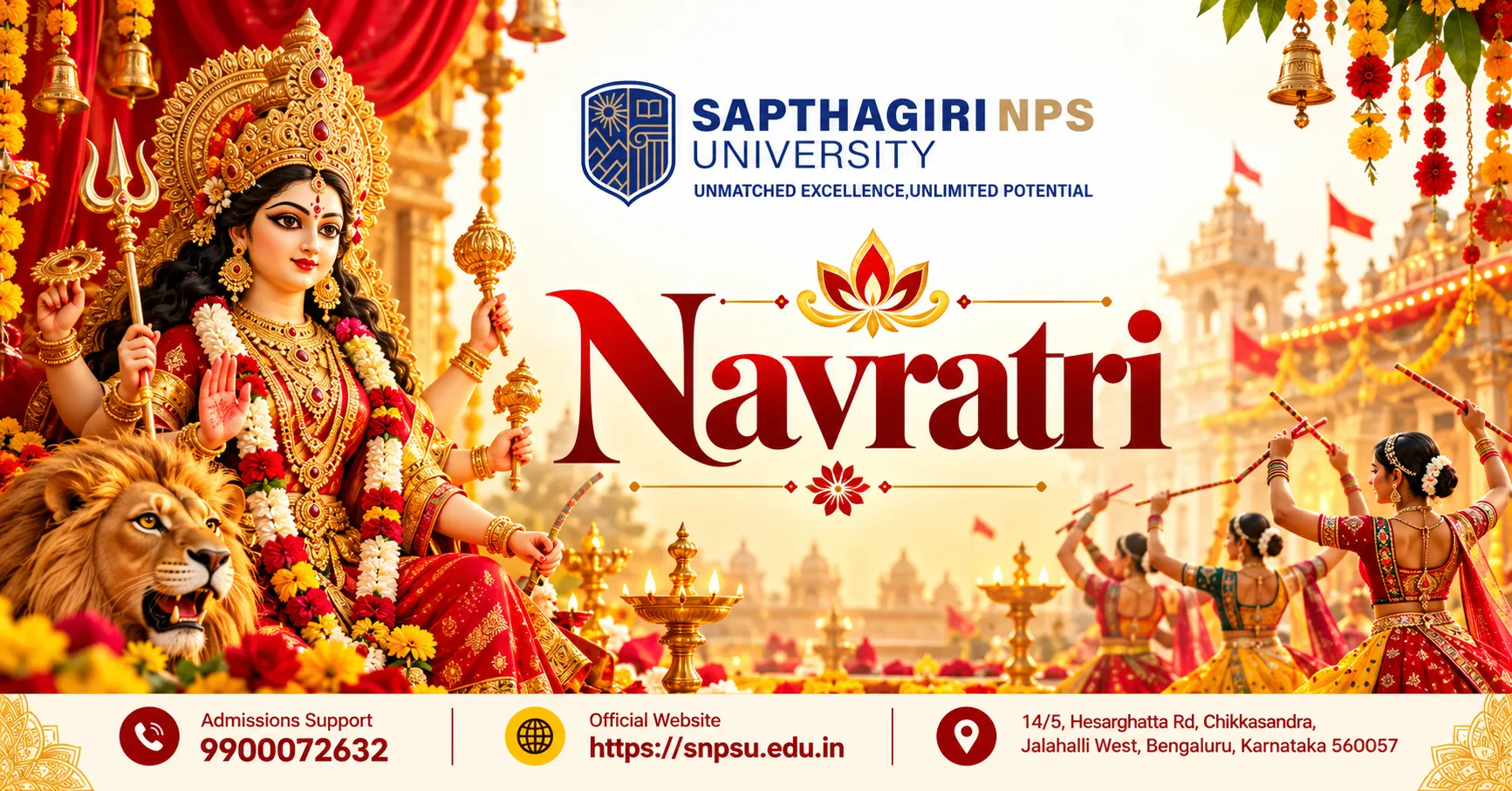
Navratri – History, Significance, Celebrations and Nine Days
Navratri is a culturally significant festival celebrated with devotion, enthusiasm and community participation across different parts of India. The name refers to nine nights dedicated to the worship of the divine feminine, with Goddess Durga and her different manifestations forming an important part of the traditional observance. The Navratri festival combines spiritual practices with cultural traditions, music, dance, artistic expression and community gatherings, creating a celebration that has both religious and social importance. According to Incredible India, Navratri represents a period in which devotees honour different forms of Goddess Durga, with the nine nights reflecting different aspects of divine feminine energy such as strength, courage, beauty and wisdom. The festival is celebrated differently across regions, which makes it an important reflection of India's cultural diversity. In Gujarat, Garba and Dandiya form a major part of the festive atmosphere, while eastern India is strongly associated with Durga Puja traditions. Northern regions connect the period with Ramlila and Dussehra-related observances, while southern parts of India have traditions such as Kolu displays. Navaratri 2026 is scheduled during October, with the main nine-night period listed from 11 October to 19 October 2026. The festival is traditionally associated with the victory of good over evil, particularly through the story of Goddess Durga and Mahishasura. This symbolism gives Navratri a deeper meaning beyond its colourful celebrations because it encourages reflection on courage, determination, positive action and spiritual renewal. For students, Navratri can also become an opportunity to understand India's traditions, mythology, regional customs, performing arts and community practices. A university celebration can bring students together through cultural programmes, traditional activities, music and dance while creating opportunities to learn about the history and meaning behind the festival. Our university can use such occasions to encourage cultural awareness, creativity, teamwork and respectful participation. Navratri therefore represents a combination of tradition and contemporary celebration, allowing younger generations to experience cultural heritage while developing a greater appreciation for India's diverse social and artistic traditions.
Understanding the History of Navratri
The History of Navratri is closely connected with traditional stories surrounding Goddess Durga and the divine feminine. One of the most widely recognised narratives describes the battle between Goddess Durga and Mahishasura, with the eventual defeat of Mahishasura representing the triumph of good over evil. Government tourism information identifies this story as an important part of Navratri's traditional significance. The story has continued through generations and is expressed through religious observances, artistic traditions, cultural performances and community celebrations. Over time, different regions developed their own customs around Navratri, resulting in a festival that has a shared spiritual foundation but many different cultural expressions. The historical development of the festival demonstrates how traditions can continue across generations while adapting to local communities and regional customs. Understanding this history can help students look beyond the decorative and festive aspects of Navratri and appreciate the cultural ideas that have helped preserve it. The festival also provides an opportunity to explore how mythology, art, music, dance and community participation contribute to cultural continuity. Students can learn about the traditional stories associated with Goddess Durga and understand how those stories are represented through different forms of celebration. Our university can encourage such learning through cultural activities, student presentations, discussions and educational programmes. When students understand the background of a festival, participation becomes more meaningful because they can appreciate both its cultural expression and historical significance. The History of Navratri therefore provides a valuable connection between India's traditional heritage and contemporary student life.
The Significance of Navratri
The Significance of Navratri extends beyond its nine-night duration because the festival is traditionally associated with devotion, strength, courage, renewal and the victory of positive forces over negativity. The worship of Goddess Durga represents divine feminine energy, while the different manifestations of the Goddess are traditionally connected with different qualities and forms of Shakti. Incredible India describes the nine forms of Goddess Durga associated with Navratri as Shailaputri, Brahmacharini, Chandraghanta, Kushmanda, Skandamata, Katyayani, Kaalratri, Mahagauri and Siddhidatri. Each form contributes to the broader spiritual and cultural meaning of the festival. The occasion encourages devotees to focus on prayer, reflection and renewal, while community celebrations create opportunities for people to come together. For students, the significance of Navratri can also be understood through values such as determination, confidence, discipline, cooperation and respect for cultural traditions. Academic life often requires students to overcome challenges, remain consistent and work effectively with others, making these values relevant to their everyday experiences. A university celebration can provide an opportunity to connect cultural traditions with student development by encouraging learners to participate in activities that promote creativity, communication and teamwork. Navratri can therefore be viewed as a period of cultural and personal reflection as well as celebration. Understanding its significance helps students recognise that festivals can carry messages that extend beyond rituals and remain relevant to contemporary life. The festival's emphasis on positive energy, strength and renewal can inspire students to approach their academic and personal goals with confidence and determination.
Exploring the Nine Days of Navratri
The Nine days of Navratri are traditionally associated with nine manifestations of Goddess Durga, commonly referred to as the Navadurga. Each day is connected with a particular form of the Goddess, creating a structured period of worship and reflection. The traditional sequence includes Shailaputri, Brahmacharini, Chandraghanta, Kushmanda, Skandamata, Katyayani, Kaalratri, Mahagauri and Siddhidatri. The nine forms are associated with different qualities and symbolism, giving devotees an opportunity to reflect on different aspects of divine feminine energy throughout the festival. Regional customs may add different colours, rituals, foods and cultural activities to individual days. Government tourism information also records different traditional colours and symbolic associations connected with the nine days. For students, learning about the Nine days of Navratri can be an engaging way to explore Indian mythology and cultural traditions. Each day can become a theme for educational activities, presentations or cultural displays that explain the associated form of Goddess Durga and its traditional significance. This approach can make the festival both informative and engaging while encouraging students to explore India's cultural heritage. Our university can provide opportunities for students to participate in activities that introduce them to the nine forms while encouraging respectful cultural awareness. The nine-day structure also represents a journey of devotion and reflection, making Navratri distinct from festivals that are observed over a shorter period. Through understanding each day individually, students can develop a more complete appreciation of the festival's cultural and spiritual dimensions.
Navratri 2026 Colours – Nine Days of Celebration
Navratri is celebrated over nine nights with devotion, cultural traditions and colourful festive expressions. The colours associated with the nine days add a visual identity to the celebration, with each colour traditionally connected with particular qualities and emotions. For Navratri 2026, the nine-day celebration begins on 11 October and continues through 19 October 2026, according to Incredible India. The colour sequence listed by Maharashtra Tourism through Incredible India begins with Yellow and continues through Green, Grey, Orange, White, Red, Royal Blue, Pink or Peacock Green, and Purple or Violet.
Navratri 2026 Colours, Dates, Devi Avatars and Their Significance
Navratri is a vibrant Hindu festival dedicated to the nine divine forms of Goddess Durga, collectively known as Navadurga. Each day of this auspicious nine-day celebration is associated with a particular form of the Goddess, a traditional colour, and spiritual values that inspire devotees to embrace positivity, courage, devotion, wisdom, and prosperity. The following table presents the day-wise Navratri 2026 dates, the respective Devi avatars, the associated colours, and their symbolic significance in a clear, professional format.
|
Day |
Date |
Devi Avatar (Navadurga) |
Navratri Colour |
Significance and Symbolism |
|---|---|---|---|---|
|
Day 1 |
11 October 2026 |
Maa Shailputri |
🟠 Orange |
Symbolises energy, enthusiasm, vitality, and new beginnings. It inspires devotees to welcome the festival with optimism, determination, and a positive outlook. |
|
Day 2 |
12 October 2026 |
Maa Brahmacharini |
⚪ White |
Represents peace, purity, devotion, and inner strength. It encourages spiritual discipline, patience, calmness, and dedication to personal growth. |
|
Day 3 |
13 October 2026 |
Maa Chandraghanta |
🔴 Red |
Symbolises strength, courage, passion, and determination. It reflects the power to overcome challenges, face difficulties confidently, and stand firm in the pursuit of meaningful goals. |
|
Day 4 |
14 October 2026 |
Maa Kushmanda |
🔵 Royal Blue |
Represents confidence, strength, prosperity, and positive energy. It inspires individuals to approach opportunities with courage, maintain self-belief, and work towards success. |
|
Day 5 |
15 October 2026 |
Maa Skandamata |
🟡 Yellow |
Symbolises happiness, optimism, warmth, and brightness. It reflects nurturing, compassion, and the importance of spreading joy and positivity within families and communities. |
|
Day 6 |
16 October 2026 |
Maa Katyayani |
🟢 Green |
Represents growth, harmony, renewal, and prosperity. It encourages personal development, balance in life, and a positive attitude towards new opportunities and experiences. |
|
Day 7 |
17 October 2026 |
Maa Kalaratri |
🩶 Grey |
Symbolises balance, stability, resilience, and inner courage. It reminds devotees of the importance of remaining strong during difficult circumstances and overcoming fear with determination. |
|
Day 8 |
18 October 2026 |
Maa Mahagauri |
🟣 Purple |
Represents spirituality, dignity, ambition, and transformation. It encourages self-reflection, purity of thought, personal improvement, and the pursuit of higher aspirations. |
|
Day 9 |
19 October 2026 |
Maa Siddhidatri |
🦚 Peacock Green |
Symbolises beauty, positivity, uniqueness, and spiritual fulfilment. It represents the completion of the nine-day celebration with gratitude, hope, and a renewed sense of purpose. |
Important Note
Navratri colours, observance dates, and certain ritual traditions may vary according to regional customs, religious calendars, and local practices. The dates and colours listed above follow the sequence provided in this table. Before publishing, please verify the 2026 dates and corresponding colours against the specific regional Panchang or tradition you intend to follow. The symbolic meanings of colours are interpretative and may also differ across traditions.
Celebrating Navratri Through Colours
The colours of Navratri bring an additional cultural dimension to the nine-day festival. Families, communities and students may choose to wear the colour associated with each day as part of their festive participation. Beyond clothing, these colours can also inspire decorations, traditional programmes, cultural activities and creative celebrations. The vibrant colour combinations reflect the diversity and festive character of Navratri while providing an opportunity to learn about the traditions connected with each day. Garba, Dandiya, devotional activities and community gatherings are among the cultural expressions associated with Navratri in different parts of India.
Navratri Celebrations at Our University
Our university can mark Navratri 2026 as an opportunity to celebrate cultural awareness, togetherness and positive values among students and the wider university community. Students can explore the significance of the nine colours, participate in suitable cultural activities and share festive wishes while respecting the diverse traditions associated with Navratri. Such celebrations can create an engaging campus atmosphere while encouraging students to appreciate India's rich cultural heritage. The colourful nine-day sequence also provides a simple way for students to connect each day of the festival with a particular theme such as joy, growth, courage, creativity, peace, strength and spirituality.
Navratri Celebrations Across India
Navratri celebrations vary considerably across India, reflecting the country's regional diversity and rich cultural traditions. In Gujarat, the festival is strongly associated with Garba and Dandiya, with communities gathering in traditional attire for music and dance. Government tourism information describes Gujarat's Navratri as a major cultural celebration featuring Garba, Dandiya, traditional clothing, music and community participation. In eastern India, the period is closely connected with Durga Puja, while northern India incorporates Ramlila and Dussehra-related traditions. Southern regions have their own cultural expressions, including Kolu displays in some communities. These different forms show how Navratri can preserve a shared cultural foundation while taking unique forms in different regions. The diversity of celebrations makes the festival particularly valuable from an educational perspective because students can explore how geography, local customs and community traditions influence cultural practices. A university environment can bring these different expressions together through cultural programmes, exhibitions, dance performances and student presentations. Such activities can encourage students to learn about traditions beyond their own regional experiences and develop greater respect for India's cultural diversity. Our university can create opportunities for students to participate in Navratri celebrations in a manner that is inclusive, educational and respectful. Through cultural interaction, students can experience the joy of the festival while learning about the different ways communities across India preserve and celebrate their heritage.
Garba, Dandiya and Cultural Expression
Garba and Dandiya have become widely recognised elements of Navratri celebrations, particularly in Gujarat. Garba is traditionally performed in a circular formation accompanied by music and is closely connected with community participation and devotion. The 2026 Vibrant Navratri Festival information from Gujarat Tourism highlights Garba, Dandiya, traditional attire, music and large-scale community participation as important features of the celebration. These forms of cultural expression provide opportunities for people to participate collectively while preserving traditional music, dance and clothing. For students, cultural dance activities can also support confidence, coordination, creativity and teamwork. A university Navratri programme can provide a platform for students to participate in traditional dance, music and cultural performances while learning about their background. Such activities can help students appreciate the relationship between cultural heritage and contemporary celebration. Our university can encourage students to participate enthusiastically while maintaining respect for the cultural and spiritual meaning of the festival. Garba and Dandiya also demonstrate how traditional practices can remain relevant among younger generations by evolving into contemporary community celebrations while retaining their cultural identity. Through music, movement and shared participation, these traditions help create the energetic atmosphere for which Navratri is widely known.
Cultural Learning Through Navratri
Navratri can provide students with learning opportunities that extend beyond conventional academic subjects. The festival includes history, mythology, traditional arts, music, dance, regional customs and community practices, making it a rich subject for cultural exploration. Students can research the origins of Navratri, study the nine forms of Goddess Durga, examine regional celebrations and explore how traditional practices have developed across generations. Presentations, exhibitions, quizzes, essays and cultural performances can help students communicate their understanding while developing research and presentation skills. Our university can encourage students to approach Navratri as an opportunity for both celebration and learning. When students participate in planning cultural activities, they can also develop organisational abilities, teamwork and leadership. Such experiences complement classroom education by allowing learners to apply communication and collaboration skills in a practical environment. Cultural learning can also help students understand the importance of preserving traditions while appreciating the diversity within Indian society. Navratri demonstrates how a festival can maintain its traditional meaning while being expressed differently by communities across the country. Students who explore these differences can develop a broader appreciation for India's cultural landscape. The festival therefore provides a meaningful platform where education, creativity, heritage and student participation can come together.
Navratri as a Celebration of Strength and Renewal
The traditional story associated with Navratri presents Goddess Durga's victory over Mahishasura as a symbol of the triumph of good over evil. This symbolism gives the festival a message of strength, courage and renewal that can also be meaningful for students. Academic journeys can include challenges that require patience, determination and confidence, and cultural occasions can provide opportunities for students to reflect on these qualities. Navratri is also associated with prayer, fasting, meditation and other forms of spiritual practice, which are described by Government tourism information as opportunities for reflection and renewal. From a broader perspective, the festival can encourage individuals to think about positive changes and fresh beginnings. Students can use the occasion to reflect on their goals, learning habits and aspirations while participating in cultural activities. Our university can encourage students to appreciate the festival's message of perseverance and positive action while celebrating its cultural traditions. The combination of spiritual reflection and festive participation gives Navratri a distinctive character. It creates space for both celebration and introspection, allowing students to enjoy cultural activities while considering values that can support their personal development.
Navratri Celebrations at Our University
Our university can observe Navratri celebrations as a meaningful opportunity to bring students together through culture, creativity and community participation. Campus activities can include traditional decorations, cultural performances, music, dance, student presentations and other programmes that introduce learners to the history and significance of Navratri. Such activities can encourage students to interact with peers from different backgrounds and learn about regional traditions. Students involved in planning and organising events can develop communication, coordination, teamwork and leadership skills while contributing to campus life. Faculty members can support the educational dimension by encouraging students to understand the cultural background behind the activities. This approach allows Navratri to become more than a festive programme; it can become an opportunity for cultural learning and student development. Our university values activities that provide students with experiences beyond regular classroom learning and encourage confidence, creativity and social interaction. A thoughtful Navratri celebration can create a positive campus environment while helping students appreciate the diversity of Indian traditions. By participating respectfully, students can celebrate together while gaining a deeper understanding of the festival's history, significance and cultural expressions. Navratri can therefore become a memorable part of university life, combining traditional heritage with contemporary student participation.
Navaratri 2026 – Dates and Cultural Significance
Navaratri 2026 will be an important period for communities preparing to observe the Sharad Navratri tradition. Incredible India lists the main nine-night Navratri period from Sunday, 11 October 2026, to Monday, 19 October 2026. Specific local rituals and timings can vary according to regional traditions and calendars, so individuals may follow the customs observed by their families and communities. The 2026 period will again bring together devotional practices, cultural programmes, traditional dance, music and community celebrations across different parts of India. Gujarat Tourism's listed 2026 events demonstrate the scale and variety of Navratri activities, including Garba, Dandiya, prayers, cultural performances and community gatherings. For students, Navaratri 2026 can provide an opportunity to participate in cultural programmes while learning more about India's traditions. Our university can encourage students to celebrate respectfully and appreciate the diverse ways in which Navratri is observed. The occasion can also provide opportunities for student-led programmes that encourage creativity and collaboration. Understanding the dates and cultural meaning of Navratri can make participation more informed and meaningful. As the nine-night period brings together devotion, heritage and community celebration, Navaratri 2026 can become another opportunity for students to connect with India's rich cultural traditions.
Carrying the Spirit of Navratri Forward
The importance of Navratri can continue beyond its nine nights through the values associated with courage, strength, devotion, renewal, cooperation and positive action. Festivals preserve cultural traditions, but they can also encourage people to reflect on values that influence everyday life. Students can carry the spirit of determination into their academic responsibilities, cooperation into group projects, confidence into new challenges and respect into their interactions with others. The diverse Navratri celebrations across India demonstrate how traditions can evolve while preserving their cultural foundation. For young learners, this provides an opportunity to appreciate both continuity and change within Indian culture. Our university can encourage students to understand festivals not only as occasions for celebration but also as opportunities for cultural learning, personal reflection and community participation. The History of Navratri helps students understand where the tradition comes from, while the Significance of Navratri provides insight into the values and symbolism associated with it. The Nine days of Navratri introduce students to the different forms of Goddess Durga and the cultural traditions connected with each day. Together, these elements make Navratri a meaningful subject for learning and celebration. By understanding its history, participating in its cultural expressions and respecting its traditions, students can develop a deeper appreciation for India's heritage. Navratri therefore continues to connect generations through devotion, culture, community and celebration.
Navratri – History, Significance, Celebrations and Nine Days
1. What is Navratri and why is it celebrated?
Navratri is a major Hindu festival celebrated over nine nights and ten days and is traditionally associated with devotion to Goddess Durga and her different forms. The word “Navratri” comes from the Sanskrit words Nava, meaning nine, and Ratri, meaning night. The festival represents the celebration of divine feminine power and is associated with the triumph of good over evil. During Navratri, devotees observe prayers, fasting, religious rituals, cultural programmes and community celebrations. The festival also provides an opportunity for families and communities to come together, participate in traditional activities and reflect on values such as devotion, courage, righteousness and spiritual strength.
2. What is the history of Navratri?
The history of Navratri is rooted in ancient Hindu religious traditions and has developed through different regional customs across India. One of the most widely known traditions connects the festival with Goddess Durga’s battle against the demon Mahishasura, symbolizing the victory of good over evil. Another important tradition associated with Navratri is the worship of different forms of the Goddess during the nine nights. Over centuries, the festival has developed distinct customs in different parts of India. While the religious practices may vary from region to region, devotion, spiritual reflection and the celebration of divine feminine energy remain important themes of Navratri.
3. What is the significance of Navratri?
Navratri holds religious, cultural and spiritual significance for millions of people. The festival is traditionally associated with the worship of Shakti, or divine feminine energy, and the different forms of Goddess Durga. It symbolizes the power of righteousness, courage and devotion and is commonly connected with the victory of good over evil. For devotees, Navratri can be a period of prayer, fasting, self-discipline and spiritual reflection. The festival also has considerable cultural importance because it brings families and communities together through music, dance, traditional ceremonies and other celebrations.
4. Why is Navratri celebrated for nine days?
Navratri is celebrated over nine nights, with each day traditionally associated with a particular form of Goddess Durga. The nine forms are collectively known as Navadurga. Devotees may dedicate each day to a different form of the Goddess and perform prayers and rituals according to their family or regional traditions. The nine-day observance is considered a period of devotion, purification and spiritual discipline. The festival concludes on the tenth day, which is known as Vijayadashami or Dussehra in many traditions. The nine nights and concluding day together form an important religious and cultural period.
5. What are the nine forms of Goddess Durga worshipped during Navratri?
The nine forms of Goddess Durga worshipped during Navratri are traditionally known as Shailaputri, Brahmacharini, Chandraghanta, Kushmanda, Skandamata, Katyayani, Kalaratri, Mahagauri and Siddhidatri. Each form represents different qualities and aspects of divine feminine energy. Devotees traditionally worship one form on each day of Navratri through prayers, offerings and rituals. The sequence may be observed according to established religious traditions, while specific customs and methods of worship can vary among families and regions.
6. How is Navratri celebrated in different parts of India?
Navratri is celebrated in diverse ways across India, with each region having its own traditions and cultural practices. In Gujarat, Garba and Dandiya Raas are among the most recognizable forms of Navratri celebration, with people gathering for traditional dance and music. In West Bengal, the festival is closely associated with Durga Puja, featuring elaborate celebrations and worship of Goddess Durga. In several parts of northern India, devotees observe fasting and participate in prayers and religious programmes. In southern states, traditions such as Golu or Bommai Golu involve displaying dolls and figurines in homes. These regional traditions demonstrate the cultural diversity associated with Navratri while maintaining its central themes of devotion and celebration.
7. What is the importance of fasting during Navratri?
Fasting is an important practice for many devotees during Navratri, although the type and duration of fasting can differ according to individual beliefs, family traditions and regional customs. Some devotees avoid particular foods and consume specially prepared fasting foods, while others may observe more restrictive forms of fasting. Traditionally, fasting is associated with self-discipline, devotion, purification and spiritual focus. Many people also use the period to devote additional time to prayer and religious practices. Since fasting practices vary considerably, individuals generally follow the customs appropriate to their own traditions and circumstances.
8. What are Garba and Dandiya and why are they associated with Navratri?
Garba and Dandiya Raas are traditional dance forms strongly associated with Navratri celebrations, particularly in Gujarat and other parts of India. Garba is commonly performed in a circular formation around a central lamp or symbolic representation of divine energy. Dandiya Raas involves participants dancing with decorated sticks while following rhythmic movements and music. These dances have become an important part of community celebrations during Navratri and bring together people of different ages. Today, Garba and Dandiya events are also organized in many cities and educational communities as part of cultural celebrations during the festival.
9. What is the connection between Navratri and the victory of good over evil?
One of the central themes associated with Navratri is the victory of good over evil. According to a widely known Hindu tradition, Goddess Durga fought the demon Mahishasura and ultimately defeated him, symbolizing the triumph of righteousness and divine power over destructive forces. The story is remembered through prayers, religious rituals and cultural celebrations during the festival. This symbolism gives Navratri a broader message about courage, perseverance, righteousness and the importance of overcoming negative forces. The conclusion of the Navratri period is followed by Vijayadashami or Dussehra in many traditions, which further emphasizes the theme of victory.
10. What can students learn from the celebration of Navratri?
Navratri provides students with an opportunity to learn about Indian traditions, cultural diversity, spirituality and community participation. The festival introduces young people to stories, customs, music, dance and religious practices that have been preserved across generations. It can also encourage values such as discipline, respect for traditions, cooperation, devotion and appreciation of cultural diversity. Participating in cultural programmes, traditional dances and educational activities during Navratri can help students understand how festivals contribute to community life. More broadly, the festival’s themes of courage, perseverance and the triumph of good over evil can provide meaningful subjects for reflection and discussion.
Navratri Wishes & Contact Our University
Warm Navratri wishes from our university! May the auspicious festival of Navratri bring strength, wisdom, happiness, peace and prosperity to every student and family. May the spirit of devotion, courage and positive beginnings inspire everyone to move forward with confidence and determination. Navratri is traditionally celebrated over nine nights in honour of the divine feminine and is associated with cultural traditions, community participation and the triumph of good over evil.
| Contact | Details | Quick Action |
|---|---|---|
| Admissions | +91 9900072632 | 👉Click Here to Apply |
| University Phone | 080-28372800 / 080-29633636 | 👉Call Our University |
| admissions@snpsu.edu.in | 👉Email Admissions | |
| Campus | #14/5, Chikkasandra, Hesarghatta Main Road, Bengaluru – 560057 | 👉Visit Our University |
Warm Navratri Wishes
Wishing all students, parents, faculty members, and the entire university community a joyful and meaningful Navratri 2026. May these nine auspicious days bring positivity, courage, wisdom, happiness, and new beginnings. May the vibrant colours of Navratri inspire us to celebrate togetherness, respect our cultural traditions, and move forward with renewed confidence.
Happy Navratri from our university!
Begin your academic journey with us.
Leave a Comment