
Independence Day 2026 Celebration | Sapthagiri NPS University
Independence Day Celebrations at Our University 2026
The Story Behind Independence Day and Its Meaning for Our Students
Independence Day Celebrations at Our University 2026 begin with understanding why 15 August holds such importance in India's history. Independence Day is observed every year on 15 August to commemorate India's independence from British colonial rule in 1947. The occasion represents a historic transformation shaped by decades of political movements, public participation, social change, sacrifice, and the determination of people who envisioned a free India. For our students, learning about this journey provides more than historical knowledge. It creates an opportunity to understand the value of freedom, appreciate the educational and professional opportunities available today, and reflect on the responsibilities that accompany those opportunities. Our University believes that a meaningful celebration should connect the history of independence with the aspirations of the young generation preparing to contribute to India's future.
The story of India's independence developed over a long period and involved people from different regions, communities, professions, and social backgrounds. The freedom movement included several phases and approaches, with national leaders, social reformers, writers, students, workers, political organisations, and ordinary citizens contributing in different ways. Mahatma Gandhi became internationally recognised for his philosophy of non-violent resistance, while leaders such as Jawaharlal Nehru, Sardar Vallabhbhai Patel, Subhas Chandra Bose, Bhagat Singh, Sarojini Naidu, and many others became associated with different aspects of the national movement. Their contributions reflected different ideas, strategies, and forms of participation. Understanding this diversity helps students recognise that India's independence was the result of a broad and complex historical journey rather than a single event.
A Celebration That Begins With Historical Understanding
Independence Day Celebrations at Our University 2026 offer our academic community an opportunity to explore India's history while connecting it with the responsibilities and opportunities of the present generation. Understanding Independence Day begins with recognising that India's freedom was the result of a prolonged historical journey involving political movements, social participation, public awareness, sacrifice, leadership, and determination. The story of independence contains many different experiences and perspectives, making it an important subject for students who want to understand how modern India developed. Our University encourages students to approach history with curiosity and respect. Learning about the freedom movement can help students understand how ideas can influence society, how collective action can create change, and how determination can continue even during difficult circumstances. These lessons remain relevant because students will encounter challenges in their own academic and professional lives. The historical journey of India can therefore provide not only knowledge about the past but also inspiration for approaching the future with confidence and responsibility.
The Importance of Young Students in Building Our Nation
Young students have an important place in the future development of our nation because they represent the generation that will shape India's professional, technological, economic, educational, and social progress in the years ahead. Independence Day Celebrations at Our University 2026 provide a meaningful opportunity for students to reflect on this responsibility and understand that education is closely connected with nation-building. The knowledge students gain today can become the foundation for tomorrow's innovations, businesses, research discoveries, public services, technologies, and community initiatives. Our University encourages students to recognise that their university years are not only a period of personal development but also a preparation for the contribution they may eventually make to the wider nation.
Young people bring curiosity, creativity, energy, adaptability, and a willingness to explore new possibilities. These qualities are particularly valuable in a rapidly changing world where technology, artificial intelligence, digital transformation, entrepreneurship, scientific research, and emerging industries are creating new opportunities. Students who develop strong academic foundations while remaining open to continuous learning can become better prepared to respond to future challenges. Our University encourages learners to ask questions, explore ideas, participate in practical projects, develop professional skills, and approach unfamiliar problems with confidence. These qualities can help transform student potential into meaningful professional contribution.
Education as a Foundation for National Progress
Higher education plays an important role in preparing young people to contribute to national development. Students develop specialised knowledge through their academic programmes while gaining practical exposure through projects, laboratories, internships, research activities, industry interactions, and professional development initiatives. Each experience can help students understand how their chosen field connects with real-world needs. An engineering student may contribute to infrastructure and technology. A technology graduate may support digital transformation. A management student may contribute to organisational development or entrepreneurship. A researcher may develop new knowledge. Students from different disciplines can therefore contribute to national progress in different ways. Our University encourages students to understand the wider value of their education and approach their studies with a sense of purpose.
The National Anthem and National Song in Independence Day Celebrations at Our University
The National Anthem and National Song in Independence Day Celebrations at Our University hold a meaningful place in our celebration of India's history, identity, unity, and journey toward independence. As we prepare for Independence Day 2026, our University encourages students, faculty members, and staff to understand the significance of these important national compositions rather than viewing them simply as formal elements of a programme. Jana Gana Mana, India's National Anthem, and Vande Mataram, India's National Song, are closely associated with India's national heritage and historical journey. Their presence during a national celebration provides an opportunity for our academic community to pause, reflect, and appreciate the values associated with the nation. For our students, this experience can create a meaningful connection between what they learn through education and the broader responsibilities they will carry as future professionals and members of society.
Our University believes that national occasions should encourage both celebration and understanding. Independence Day marks India's independence on 15 August 1947, but its significance extends beyond remembering a historic date. It reminds us of the long journey that preceded independence and the continued efforts required to build a strong, responsible, innovative, and progressive nation. When our students participate respectfully in the National Anthem and learn about the National Song, they are also given an opportunity to think about the sacrifices, determination, leadership, and collective participation that shaped India's history. This understanding can help young learners appreciate the educational, professional, social, and personal opportunities available to them today.
The National Anthem, Jana Gana Mana, written by Rabindranath Tagore, occupies a significant place in India's national life. It was adopted as the National Anthem on 24 January 1950. Its performance during important national occasions creates a shared moment in which people come together as members of one nation. During Independence Day Celebrations at Our University 2026, the National Anthem can provide a dignified and reflective part of the programme. Students, faculty members, and staff can participate respectfully while recognising that the occasion represents a shared national identity that extends beyond individual academic programmes, personal backgrounds, and professional aspirations.
The National Song, Vande Mataram, written by Bankim Chandra Chattopadhyay, also has an important place in India's history. It became closely associated with the Indian freedom movement and inspired patriotic sentiment during the struggle for independence. It was accorded the status of National Song in 1950. Introducing students to its historical significance can help them understand the role that literature, poetry, music, and cultural expression played in India's national movement. For young learners, this creates an opportunity to explore history from a wider perspective and recognise that national movements are shaped not only through political developments but also through ideas, cultural expression, public participation, and collective sentiment.
At Our University, we encourage students to understand the difference between the National Anthem and National Song while appreciating the significance of both. The National Anthem represents India's official national anthem, while the National Song carries a distinct historical association with the freedom movement. Understanding these distinctions helps students develop greater awareness of India's national heritage. Such knowledge can be especially valuable during Independence Day because students can participate in the occasion with greater understanding rather than simply following a programme without knowing its historical context.
The regular recognition of national values within university life can also contribute to students' personal development. Respect, discipline, responsibility, and awareness are qualities that can influence both academic and professional behaviour. When students participate respectfully in national occasions, they can develop a greater appreciation for shared traditions and collective responsibilities. These qualities can later influence how they conduct themselves in workplaces, professional organisations, communities, and wider society. Our University therefore views national occasions as opportunities to encourage thoughtful participation and responsible citizenship alongside academic development.
Independence Day also provides an opportunity for students to understand the relationship between freedom and responsibility. The freedom enjoyed by citizens today creates opportunities to pursue education, choose professional pathways, express ideas, develop businesses, conduct research, participate in society, and contribute to national development. However, these opportunities also require responsible behaviour. Students are encouraged to understand that freedom should be accompanied by respect for others, academic integrity, professional discipline, social awareness, and responsible decision-making. The National Anthem and National Song can become meaningful reminders of this broader relationship between individual opportunity and collective responsibility.
Our University brings together students from different academic disciplines, cultural backgrounds, regions, and personal experiences. Independence Day creates an environment in which this diverse academic community can come together around a shared national occasion. When students participate collectively in the National Anthem and learn about the National Song, they experience a sense of common identity that complements the diversity of campus life. This can strengthen the feeling that although students may pursue different programmes and career paths, they are part of one academic community and one larger national journey.
The importance of this shared experience becomes even greater for young students who are preparing to enter professional life. The students studying today will eventually become engineers, technology professionals, managers, researchers, entrepreneurs, educators, administrators, and specialists across many sectors. Their professional contributions can influence India's technological, economic, educational, scientific, and social development. Independence Day encourages them to think about these future responsibilities and understand that their education can become a means through which they contribute to the country.
Our University encourages students to connect the message of Independence Day with their academic aspirations. A student studying technology may eventually develop solutions that support digital transformation. An engineering student may contribute to infrastructure and innovation. A management student may support responsible organisations or entrepreneurial initiatives. A researcher may develop knowledge that addresses future challenges. Students from every discipline can contribute in different ways. The celebration provides a moment to reflect on how individual professional journeys can become part of India's continuing development.
The National Anthem and National Song also create an opportunity for students to reflect on the importance of unity. India is characterised by extraordinary diversity, and its people represent numerous languages, cultures, traditions, regions, and perspectives. A shared national identity provides a common foundation while allowing this diversity to continue. University life reflects this same principle. Students may have different interests and backgrounds, yet they learn and grow within a shared academic environment. Respecting national traditions can therefore contribute to a broader understanding of unity and collective responsibility.
For our students, Independence Day can also become a moment of personal reflection. They can think about their academic progress, future ambitions, strengths, areas for improvement, and responsibilities. They may ask themselves how they can make better use of their educational opportunities, what professional skills they should develop, and how their future careers might contribute to society. The National Anthem and National Song can provide a quiet reminder that education is not only about obtaining a qualification. It is also about developing knowledge, confidence, character, professional ability, and a sense of responsibility.
Our University encourages meaningful participation throughout Independence Day Celebrations at Our University 2026. Students may contribute through speeches, cultural programmes, historical presentations, creative activities, event coordination, student initiatives, and other forms of participation. These activities complement the formal observance of national traditions by giving students opportunities to develop communication, leadership, teamwork, creativity, and organisational abilities. In this way, Independence Day can become both a national celebration and a valuable student development experience.
The National Anthem can provide a particularly reflective moment during the programme. As the university community comes together, students can take a moment to recognise the significance of the occasion and the country they are preparing to serve through their future work. This shared moment can strengthen the atmosphere of dignity and unity on campus. It can also remind students that their individual achievements exist within a wider social and national context.
Similarly, learning about Vande Mataram can help students explore the cultural dimensions of India's freedom movement. Literature and music played an important role in expressing national aspirations and creating emotional connections among people. Students can understand how words, ideas, and artistic expression can influence society and inspire collective action. This lesson remains relevant today because communication, creativity, storytelling, and cultural expression continue to influence how ideas are shared across society.
Our University also believes that national celebrations should encourage students to become informed citizens. Understanding historical events, national symbols, constitutional values, social responsibilities, and India's development can help students form a broader perspective. Education should encourage students to ask questions, explore reliable information, understand different viewpoints, and develop thoughtful opinions. Independence Day provides a natural context for this kind of learning.
The occasion can also strengthen the connection between students and their campus community. When students participate in a shared celebration, they interact with classmates, faculty members, and university staff outside their usual academic routines. These interactions can strengthen relationships and create a stronger sense of belonging. A university experience becomes richer when students participate not only in academic activities but also in cultural, social, national, and community-oriented programmes.
Our University encourages students to carry the values associated with Independence Day beyond the celebration itself. Respect can be demonstrated through everyday interactions. Responsibility can be demonstrated through academic commitments. Discipline can be demonstrated through punctuality and preparation. Integrity can be demonstrated through honest academic work. Teamwork can be demonstrated through group projects. Leadership can be demonstrated through responsible initiative. Service can be demonstrated through community participation. These everyday actions give practical meaning to the values discussed during national occasions.
As we observe Independence Day 2026, the National Anthem and National Song can therefore become meaningful elements of a larger educational experience. They provide an opportunity to remember India's historical journey, recognise the importance of national identity, appreciate the opportunities created through freedom, and encourage students to think about their future responsibilities. Our University wants students to participate with understanding, dignity, and respect while also recognising the wider educational significance of the occasion.
The importance of Independence Day does not end when the formal programme concludes. The ideas reflected during the celebration can continue through students' academic work, professional preparation, campus participation, research activities, internships, leadership opportunities, and future careers. Every student has the opportunity to contribute in a different way. The skills developed through education can eventually become solutions, innovations, professional achievements, and community contributions.
Independence Day Celebrations at Our University 2026 therefore represent more than a ceremonial event. They provide a platform for remembering history, appreciating national heritage, encouraging student participation, strengthening unity, developing responsibility, and inspiring young people to think about India's future. The National Anthem and National Song add important historical and cultural dimensions to this experience, helping our academic community connect the celebration with the broader meaning of India's journey.
Our University remains committed to creating an environment where students can learn with curiosity, participate with confidence, develop with purpose, and contribute responsibly. As we come together for Independence Day, we remember the journey that brought India to freedom, appreciate the opportunities available to our generation, and look forward to the contributions our students can make in the years ahead.
When Campus Life Becomes Part of the Celebration
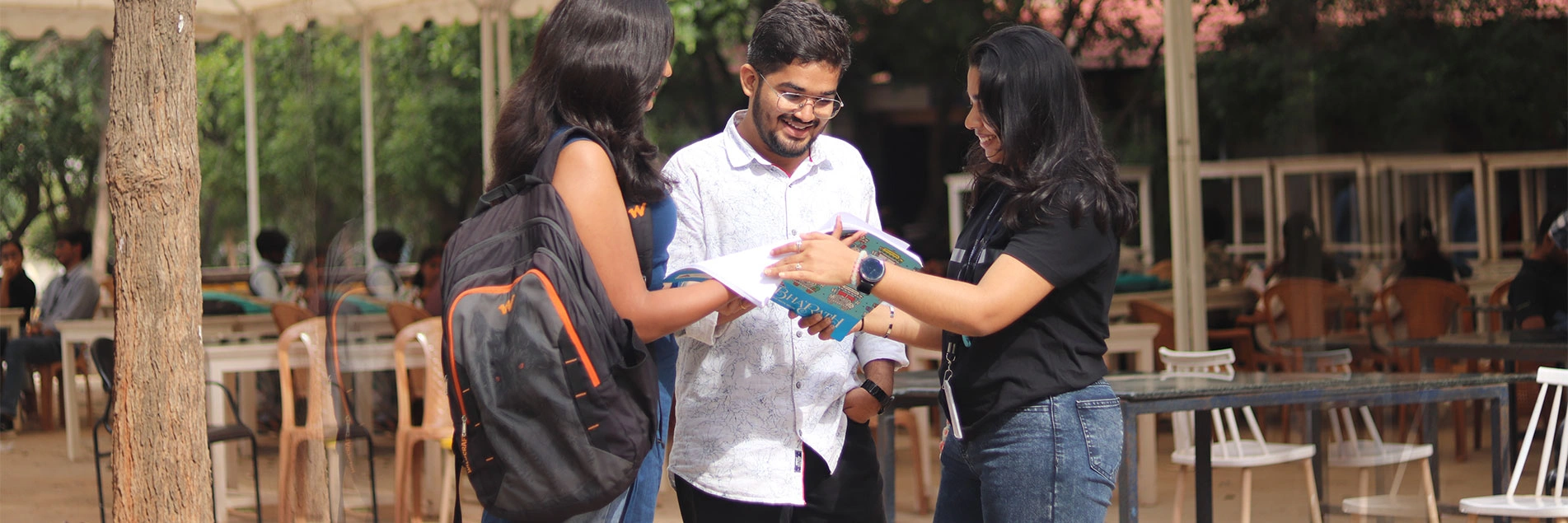
University celebrations can transform an ordinary academic day into a shared campus experience. Students who normally spend their time attending classes, completing assignments, working on projects, or participating in laboratory activities can come together for a common purpose. The atmosphere created by Independence Day Celebrations at Our University 2026 can encourage students to interact with peers from different programmes and academic years. Such interactions can strengthen relationships and create a greater sense of belonging. A university celebration becomes more meaningful when students feel that they are not simply attending an event but contributing to something shared by the entire academic community
From a Freedom Movement to a Historic National Milestone
India's path toward independence included significant movements and historical developments that shaped public participation across the country. The Non-Cooperation Movement, Civil Disobedience Movement, Quit India Movement, and several other political and social developments became important stages in the wider struggle. Millions of people participated in different ways, while many individuals experienced imprisonment, hardship, loss, and personal sacrifice. These events created a powerful national consciousness and strengthened the demand for self-governance. As students learn about this history, they can better understand that independence involved persistence over generations and required people to remain committed to a larger purpose despite considerable challenges.
The achievement of independence in 1947 marked the beginning of a new chapter rather than the end of India's journey. The newly independent nation faced the enormous responsibility of establishing institutions, strengthening education, developing infrastructure, supporting economic growth, expanding scientific capabilities, and creating opportunities for its citizens. The India of today has developed through decades of collective effort in these areas. Our University encourages students to understand this continuing journey because the responsibilities of national development now extend to their generation.
15 August 1947 and the Beginning of a New India
The significance of 15 August 1947 is deeply connected with India's transition to independence. The day marked the beginning of a new phase in which the country would shape its own political, economic, social, educational, and institutional direction. Jawaharlal Nehru became India's first Prime Minister, and his historic address at the time of independence became an important part of the country's collective memory. Since then, 15 August has been observed annually as Independence Day, giving citizens an opportunity to remember the country's journey and reflect on its continuing development. For our university community, the historical importance of 15 August provides a meaningful foundation for the celebration in 2026. Students can use the occasion to learn about the circumstances surrounding independence, understand the contributions of different individuals and movements, and reflect on the opportunities created during the decades that followed. Education itself has expanded considerably, creating pathways for young people to pursue specialised knowledge and professional careers. Our students are part of this continuing educational journey.
Why Independence Day Matters in a University Environment
A university is a place where young people prepare for the future. Students develop knowledge, skills, confidence, professional interests, and relationships that can influence the direction of their lives. This makes Independence Day particularly meaningful within an academic environment. Independence Day Celebrations at Our University 2026 can encourage students to connect the historical idea of freedom with the practical opportunities available through higher education. Freedom provides students with the opportunity to learn and explore. Education gives them the tools to understand complex subjects. Practical experience helps them apply knowledge. Research encourages curiosity. Innovation develops new possibilities. Career development prepares them for professional responsibilities. Leadership opportunities build confidence. Community participation develops social awareness. Together, these experiences demonstrate how the opportunities associated with modern India can become meaningful through responsible educational engagement.
Our University Campus as a Place of Celebration and Learning
Our University campus provides an environment where academic learning and student experiences come together. Independence Day can transform the usual rhythm of campus life by creating an atmosphere of celebration, reflection, cultural expression, and community participation. Students from different academic programmes can come together and contribute to a shared occasion while interacting with faculty members and peers. The campus celebration can include ceremonial activities, student speeches, cultural performances, creative presentations, awareness initiatives, competitions, exhibitions, student-led programmes, and other activities depending on the event schedule. Each activity can provide an opportunity for students to develop skills while participating in a national celebration. Our University encourages students to view these experiences as part of their overall education because learning does not take place only inside classrooms.
How Our Students Participate in Independence Day 2026
Student participation gives Independence Day Celebrations at Our University 2026 their energy and character. Our students can contribute in different ways based on their interests, abilities, and responsibilities. Some may participate in speeches or presentations, while others may contribute through cultural programmes, creative activities, event coordination, documentation, technical support, or student-led initiatives. Every role can provide a different learning experience. A student preparing a speech must research the subject and organise ideas. A student performing in a cultural programme must practise and coordinate with others. A student managing an event must understand timelines and responsibilities. A student working on documentation must pay attention to detail. These experiences encourage students to become more confident and responsible while contributing to the larger campus celebration.
Student Speeches and the Power of Expression
Public speaking can become an important part of Independence Day activities because it allows students to express their understanding of India's history, freedom, education, unity, development, and future. Preparing a speech requires students to research information, identify relevant ideas, organise content, and communicate a message clearly. Our University encourages students to use such opportunities to strengthen their communication abilities. A student who initially feels nervous about speaking before an audience may become more confident after participating in a structured campus programme. The experience can also help students understand the importance of preparation and clarity. These skills can later support academic presentations, interviews, professional meetings, project demonstrations, and workplace communication.
Cultural Programmes That Reflect India's Diversity
India's cultural diversity provides a rich foundation for Independence Day celebrations. Students can express different forms of creativity through music, dance, art, poetry, presentations, traditional performances, and other cultural activities. These programmes can contribute to the atmosphere of the celebration while creating opportunities for students to showcase their abilities. Cultural participation also encourages collaboration. A group performance may require several students to practise together, coordinate movements, manage timing, prepare costumes or materials, and support one another. Through this process, students learn that successful outcomes often depend on collective effort. Our University values such experiences because they strengthen creativity, communication, confidence, and teamwork alongside academic development.
The National Flag and the Values It Represents
The Indian national flag is an important symbol associated with Independence Day. The tricolour represents the identity and unity of the nation and occupies a central place in Independence Day ceremonies. For students, observing the national flag during the celebration can create an opportunity to reflect on the values associated with national identity, responsibility, unity, and service. Our University encourages students to approach national symbols with understanding and respect. The significance of Independence Day becomes deeper when students recognise that national symbols represent a shared identity that connects people across different regions, languages, cultures, and professional backgrounds.
Understanding Freedom Beyond History
Freedom can be understood in several dimensions. For students, it includes the opportunity to learn, question, explore, create, innovate, and choose a professional direction. Higher education provides an environment where students can investigate ideas and develop their own interests while learning to respect different perspectives. Our University encourages students to understand that freedom does not mean the absence of responsibility. The ability to make choices also requires the ability to consider consequences. Students are encouraged to use their opportunities thoughtfully, maintain academic integrity, respect others, and develop the discipline required for professional success. This broader understanding gives Independence Day Celebrations at Our University 2026 an educational purpose beyond the traditional celebration.
The Role of Education in an Independent India
Education has remained an important part of India's development since independence. Expanding access to schools, colleges, universities, technical institutions, research centres, and professional education has helped create a larger knowledge base and skilled workforce. Higher education provides young people with opportunities to specialise, explore professional fields, and prepare for changing career environments. Our University contributes to this educational ecosystem by creating opportunities for students to develop academic knowledge and practical capabilities. We encourage students to view their education as both a personal opportunity and a responsibility. The knowledge they gain can eventually be applied within organisations, industries, communities, research environments, entrepreneurial ventures, and other professional settings.
Connecting Independence With Today's Career Opportunities
The professional world available to today's students is significantly different from the environment experienced by previous generations. Technology has transformed communication, business, engineering, management, research, and many other fields. New career pathways continue to emerge through digital transformation, artificial intelligence, data-driven systems, entrepreneurship, advanced technology, and changing business models. Independence Day Celebrations at Our University 2026 can provide an opportunity for students to reflect on these possibilities. The freedom to choose a career path is valuable, but successful career development requires preparation. Students need technical knowledge, practical experience, communication skills, adaptability, professional discipline, and the willingness to continue learning. Our Career Development Team supports students as they work toward these goals through professional preparation, career guidance, internship awareness, interview development, resume preparation, aptitude training, and other initiatives.
Preparing Young Professionals for a Changing India
India's future workforce will operate in an environment influenced by rapid technological and economic changes. Students may encounter professional roles that continue to evolve throughout their careers. This makes adaptability increasingly important. Our University encourages students to develop strong foundations while remaining open to new areas of learning. A student should not only ask what job they want after graduation but also consider what skills they will need to remain effective as professional expectations change. Independence Day 2026 provides a meaningful occasion for this reflection. The opportunities created through independence can be used most effectively when students develop the confidence and capability to respond to future challenges.
Independence and the Spirit of Innovation
Innovation is an important part of India's continuing development. Students can contribute to innovation by asking questions, identifying problems, exploring alternatives, and developing practical solutions. Innovation may emerge through academic projects, research, technology initiatives, entrepreneurship, design, management, or community-focused activities. Our University encourages students to develop curiosity and problem-solving abilities. Independence Day can provide a broader context for thinking about how young professionals can use knowledge to create useful solutions. The ability to identify a challenge and approach it creatively can become valuable across almost every professional field.
Carrying the Values of Independence Beyond the Celebration
The values associated with Independence Day should continue throughout the academic year. Students can demonstrate responsibility through their studies, leadership through their activities, integrity through their academic work, collaboration through their projects, innovation through their ideas, and service through community engagement. In this way, Independence Day Celebrations at Our University 2026 become more than a single annual event. They can become a reminder of the values that should influence student life throughout the year. Our University encourages students to carry the spirit of learning, responsibility, unity, creativity, and purposeful action into every stage of their academic and professional journey.
We Respect Our National Heritage
We respect our national heritage by understanding and appreciating the history, traditions, values, cultural expressions, and national symbols that have shaped India's identity. At Our University, we encourage students to learn about the country's remarkable journey and recognise the importance of preserving this heritage for future generations. Independence Day Celebrations at Our University 2026 provide a meaningful opportunity for our academic community to reflect on India's freedom movement, remember the contributions of earlier generations, and appreciate the opportunities available to young people today.
Our national heritage represents a connection between India's past, present, and future. It includes the stories of the freedom movement, historic achievements, diverse cultural traditions, literature, music, art, national symbols, and the contributions of people who helped shape the nation. By learning about these elements, students can develop a deeper appreciation of the country and understand why national occasions continue to hold significance. For our students, respecting national heritage also means approaching national symbols and traditions with dignity and understanding. The National Flag, Jana Gana Mana, Vande Mataram, and other important symbols represent different aspects of India's national identity and historical journey. Learning about their significance allows students to participate more meaningfully in Independence Day programmes rather than simply observing the occasion as a formal event.
Our University believes that education plays an important role in preserving national heritage. Students who understand history can carry that knowledge into the future and share it with others. Through academic discussions, cultural activities, historical presentations, celebrations, and student participation, our campus can provide opportunities to connect learning with national heritage. Respecting our heritage does not mean remaining focused only on the past. It also means understanding how previous generations contributed to the India we experience today and considering how the present generation can contribute to tomorrow. Our students are preparing for careers in diverse fields, and their knowledge, innovation, research, entrepreneurship, leadership, and professional responsibilities can become part of India's continuing development. Independence Day Celebrations at Our University 2026 therefore provide a valuable moment for remembrance, appreciation, learning, and reflection. We encourage our students to respect India's heritage, understand its significance, celebrate its diversity, and carry its values of responsibility, unity, and purposeful contribution into their academic and professional journeys.
Independence Day Celebrations at Our University: We Teach More Than Academics, We Build Discipline and Character
Independence Day Celebrations at Our University 2026 provide a meaningful opportunity to demonstrate how education extends beyond academic subjects. At Our University, we believe students should develop not only knowledge and professional skills but also discipline, responsibility, respect, confidence, integrity, teamwork, and a strong sense of purpose. Independence Day gives our academic community an opportunity to connect these qualities with the values of freedom, responsibility, unity, and contribution. Through participation in national celebrations, students can reflect on India's journey while developing habits and attitudes that support their personal and professional growth. Our University understands that discipline is developed through everyday practices. Regular academic participation, punctuality, responsible completion of assignments, respectful communication, proper time management, teamwork, and commitment to responsibilities all contribute to student development. These habits may appear simple, but they can become valuable foundations for professional life. A student who learns to manage responsibilities consistently during university can enter the workplace with greater awareness of professional expectations.
During Independence Day Celebrations at Our University 2026, students can experience discipline through preparation and participation. Cultural performances require practice and coordination. Speeches require preparation and confidence. Student-led activities require planning and responsibility. Event coordination requires teamwork and attention to schedules. Every contribution provides an opportunity to understand that successful outcomes depend on commitment and cooperation. Our University also connects Independence Day with the importance of character development. Freedom provides opportunities, but responsible individuals understand how to use those opportunities thoughtfully. We encourage our students to demonstrate honesty in academic work, respect different perspectives, support their classmates, care for shared university facilities, and communicate responsibly. These qualities can influence how students approach both their education and their future professional responsibilities.
The values highlighted during Independence Day can become part of everyday campus life. Respect can be demonstrated through interactions with others. Responsibility can be demonstrated through academic commitments. Discipline can be demonstrated through punctuality and preparation. Leadership can be demonstrated by taking initiative. Teamwork can be demonstrated through group projects and student activities. Integrity can be demonstrated through honest academic and professional conduct. Our University believes that these qualities are particularly important for young people preparing to enter a changing professional world. Employers and organisations require individuals who can combine technical knowledge with communication, adaptability, teamwork, problem-solving, and professional conduct. Therefore, our student development approach extends beyond classroom learning and encourages learners to develop capabilities that can support their long-term careers.
Independence Day Celebrations at Our University 2026 can also encourage students to understand the relationship between personal discipline and national development. A nation progresses through the contributions of individuals working responsibly in different professions and communities. Engineers, technology professionals, managers, researchers, entrepreneurs, educators, healthcare professionals, and specialists across many fields contribute through their knowledge and work. Students preparing for these careers can begin developing the necessary discipline and character during their university years. We also encourage students to become independent thinkers. Education should give students the confidence to ask questions, explore ideas, evaluate information, solve problems, and make informed decisions. Independent thinking does not mean ignoring guidance. It means developing the ability to understand situations carefully and take responsible decisions. This quality can become valuable in professional environments where graduates may need to handle new challenges and changing requirements. Character development also involves learning how to work with people. University provides numerous opportunities for students to collaborate with classmates from different academic programmes and backgrounds. Group projects, cultural programmes, sports, student activities, research, internships, and campus events can help students understand cooperation, patience, communication, and mutual respect.
Through Independence Day Celebrations at Our University 2026, we encourage students to see national celebrations as opportunities for both participation and learning. They can celebrate India's freedom while reflecting on the responsibilities that come with it. They can remember the country's history while preparing themselves to contribute to its future. They can participate in campus activities while developing confidence and professional skills. Our University aims to create graduates who are academically prepared and personally responsible. We want our students to leave campus with knowledge that supports their careers, discipline that supports their commitments, confidence that supports their decisions, and character that guides their actions.
Frequently Asked Questions About Independence Day 2026 at Our University
1. What is the significance of Independence Day 2026 at Our University?
Independence Day 2026 at Our University is an opportunity to celebrate India's freedom while reflecting on the values of courage, unity, responsibility and progress. The occasion allows students, faculty members and staff to remember the sacrifices made during India's freedom struggle and understand the responsibilities that come with being citizens of a free nation. The celebration also encourages students to think about their role in contributing to India's future through education, innovation, professional excellence and social responsibility.
2. Why does our University celebrate Independence Day?
Our University celebrates Independence Day to honour India's journey towards freedom and create awareness among students about the significance of this historic occasion. The celebration brings students, faculty members and staff together while encouraging a deeper appreciation of national values. It also provides an opportunity to inspire young minds to contribute positively to society through education, innovation, professional excellence and responsible citizenship.
3. How does Independence Day inspire students?
Independence Day inspires students by reminding them of the courage, perseverance and dedication demonstrated during India's freedom struggle. These values can motivate young people to face challenges with determination and pursue their goals with confidence. The occasion also encourages students to recognise that their education, skills, creativity and future professional contributions can play an important role in India's continued development.
4. What values does Independence Day teach students?
Independence Day highlights values such as freedom, unity, courage, discipline, perseverance, respect and responsibility. These values are important in both personal and professional life. Students can apply them by respecting different perspectives, working collaboratively, pursuing their education sincerely and contributing positively to their communities and the wider society.
5. How does Independence Day promote unity among students?
A University campus brings together people from diverse cultural, linguistic and social backgrounds. Independence Day provides an opportunity for everyone to celebrate together with a shared sense of national pride. Through common activities and celebrations, students can appreciate India's diversity while learning that mutual respect, cooperation and unity are essential for building a stronger society.
6. How can students participate in Independence Day 2026 celebrations?
Students can participate in the University's Independence Day celebrations through various campus activities and programmes. Depending on the University's planned schedule, these may include flag-hoisting ceremonies, cultural programmes, patriotic presentations, speeches, creative activities and student-led initiatives. Active participation allows students to express their patriotism while making the celebration more meaningful and memorable.
7. What role does education play in India's development?
Education plays a fundamental role in building a knowledgeable, skilled and responsible society. It helps individuals develop critical thinking, professional capabilities, creativity and problem-solving skills. Through quality education, students can prepare themselves to contribute to areas such as technology, business, research, entrepreneurship, healthcare, engineering and social development, supporting India's continued progress.
8. Why should students understand India's freedom struggle?
Understanding India's freedom struggle helps students appreciate the sacrifices and determination that shaped the nation's history. It provides valuable lessons about courage, leadership, unity and perseverance. Learning about this journey also helps young people recognise the importance of the freedoms they enjoy today and understand their responsibility to use those opportunities wisely.
9. How can students contribute to India's future?
Students can contribute to India's future by developing strong academic knowledge, practical skills, professional values and a commitment to continuous learning. They can contribute through innovation, research, entrepreneurship, technology, community initiatives and responsible professional careers. Every student has the potential to create positive change by applying their knowledge and abilities to real-world challenges.
10. What is the message of Independence Day 2026 at Our University?
The message of Independence Day 2026 at Our University is one of freedom, unity, responsibility, hope and progress. The occasion encourages the University community to honour India's past while looking towards a future shaped by knowledge, innovation and responsible citizenship. It reminds students that the future of the nation depends on their ideas, abilities, values and willingness to contribute.
Connect With Our University for Independence Day 2026 and Student Opportunities
As part of Independence Day Celebrations at Our University 2026, we encourage students and parents to learn more about our academic environment, student development initiatives, discipline, leadership opportunities, cultural activities, and future career pathways. Our University believes that education should help students develop knowledge, confidence, responsibility, and character while preparing them for meaningful professional journeys. If you would like to learn more about how our academic community supports student growth, our Admissions Team is available to provide guidance.
Admissions Contact: Connect with an Admissions Specialist
Email: Email Our Admissions Team
University Website: Sapthagiri NPS University
Apply Online: Our Admissions Portal
Campus: #14/5, Chikkasandra, Hesaraghatta Main Road, Bengaluru, Karnataka, India
Whether you are exploring Independence Day Celebrations at Our University 2026, student activities, academic programmes, campus life, career development, or admission opportunities, our team is ready to help you understand the next steps.
Join Our University, learn with purpose, develop discipline and character, and prepare confidently for your future.
Leave a Comment