
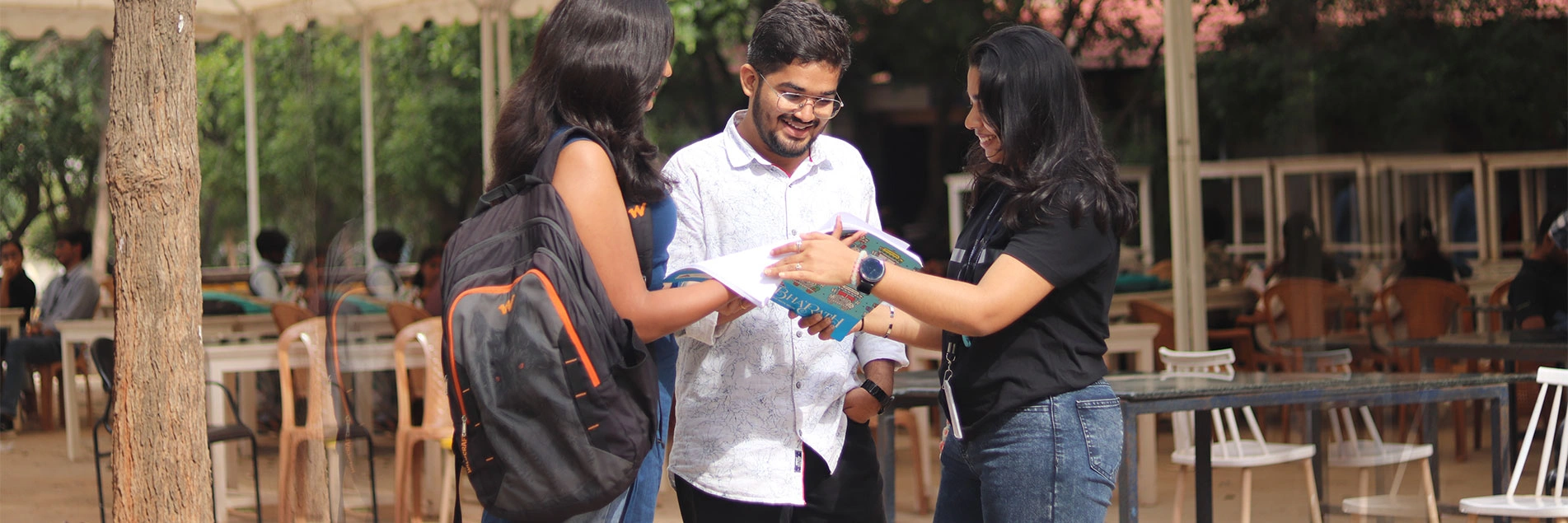
Sapthagiri NPS University Sports Facilities | Sports & Fitness

Sapthagiri NPS University Sports Facilities | Encouraging Active Student Life
Sapthagiri NPS University believes that education is a complete journey that extends beyond classrooms, laboratories, examinations and academic assignments. Our approach to higher education focuses on developing students with strong academic foundations, practical abilities, confidence, discipline, leadership qualities and a balanced outlook toward life. Sports and physical activities form an important part of this approach because they provide students with valuable opportunities to remain active, discover their interests, develop teamwork, build confidence and experience healthy competition. Our sports facilities are planned to support different forms of participation, from recreational activities and personal fitness to structured practice and competitive sporting opportunities. We provide a diverse sports environment where students can explore outdoor games, indoor sports, fitness activities, wellness programmes and strategic recreational games according to their individual interests and abilities. Our objective is not limited to supporting students who already have competitive sporting experience. We also want beginners, recreational players and students who simply wish to maintain an active lifestyle to feel encouraged to participate. Sports can become an important part of the university experience when students are given choices that suit their interests, schedules and personal goals. A student may enjoy cricket or football as part of a team, another may prefer badminton or tennis, while someone else may find greater interest in athletics, table tennis, chess, carrom, yoga, aerobics or fitness training. Our wide range of facilities provides opportunities for all these interests. We believe that regular participation in sports can complement academic learning by encouraging discipline, concentration, perseverance, communication and time management. It can also create opportunities for students to interact with peers from different programmes and build friendships through shared activities. Our sporting environment is therefore designed as an important component of overall student development. It gives students spaces where they can learn through participation, challenge themselves, support one another and create meaningful memories during their university journey.
Our Vision for Sports and Student Development
Our vision for sports is closely connected with our larger commitment to holistic education. We believe that academic knowledge forms the foundation of professional preparation, while experiences beyond the classroom help students develop qualities that are equally important for future success. Sports provide a natural environment for developing these qualities because participation involves effort, discipline, teamwork, communication, decision-making and perseverance. A student who participates in a team game learns to understand individual responsibility within a larger group. A student who follows a fitness routine learns the value of consistency. A student who participates in a competition learns how to manage pressure, accept outcomes and continue improving. A student who takes responsibility for organizing an event develops planning and leadership skills. These experiences complement classroom education and provide students with opportunities to apply important personal qualities in practical situations. Our approach to sports therefore focuses on participation as well as performance.
Contact Details – Sapthagiri NPS University Sports Facilities
| Information | Details |
|---|---|
| University | Sapthagiri NPS University |
| Sports Facilities | Cricket, Football, Hockey, Athletics, Basketball, Volleyball, Kabaddi, Kho-Kho, Tennis, Badminton, Table Tennis, Chess, Carrom, Yoga, Aerobics and Fitness Activities |
| Sports & Student Wellness | Opportunities for recreational participation, fitness, teamwork, competitions and overall student development |
| Admissions Helpline | Speak with an Admissions Counsellor Today |
| Admissions Email | Click to Mail Admission Team |
| Official Website | Explore Our University Page |
| Admissions Portal | Click to Apply Now |
We want students to enjoy the activities they choose while also understanding the value of commitment and responsible participation. Competitive achievement is important for students who aspire to represent their teams or pursue higher-level sporting opportunities, but recreation and personal improvement are equally meaningful. A student does not need to be a professional athlete to benefit from sports. A friendly game after classes, a regular gym session, a badminton match, a run, a yoga session or a game of chess can all contribute to a balanced student experience. Our objective is to create an environment where students can choose their own level of participation and gradually develop their abilities.
A Diverse Sports Environment
Our sports infrastructure provides students with a broad selection of activities so that different interests can be accommodated. Outdoor facilities include cricket, football, hockey, athletics, basketball, volleyball, kabaddi, kho-kho, tennis and an open-air gym. Indoor facilities include an indoor stadium, multi-purpose sports hall, badminton courts, table tennis arena, chess and carrom rooms and a yoga and aerobics studio. Our fitness centre further supports students who prefer structured individual exercise through cardio and strength-training opportunities. This variety is important because every student has different preferences. Some students enjoy large team games and the energy of competition. Others prefer individual or paired sports where they can focus on personal performance. Some students enjoy strategic activities such as chess, while others prefer fitness and wellness programmes. Our facilities give students the freedom to explore these options. Students can begin with an activity they already know or try something completely new. They can participate recreationally, develop their skills through regular practice or work toward competitive opportunities. We believe this flexibility makes the sports experience more inclusive and helps students discover activities that they genuinely enjoy. When students enjoy an activity, they are more likely to participate consistently and develop healthy routines that can continue beyond their university years.
Cricket Facilities
Our cricket facilities provide students with an opportunity to continue their interest in one of India's most widely followed sports while pursuing higher education. Cricket combines technical skill, concentration, physical fitness, tactical awareness and teamwork. Every role within the game contributes to the performance of the team. Batting requires timing, judgement, coordination and concentration. Bowling requires control, consistency, planning and tactical thinking. Fielding requires agility, alertness, quick reactions and communication. Through cricket, students can therefore develop both sporting abilities and interpersonal skills. Recreational cricket provides a relaxed way for students to remain active and spend time with friends. Students with stronger sporting interests can use regular practice to develop their abilities and prepare for competitive participation. Cricket also provides opportunities for leadership because team members need to communicate, understand responsibilities and make decisions during a match. Departmental and organized sporting activities can create additional opportunities for students to represent their academic groups and participate in healthy competition. Students who already have cricket experience can continue developing their skills, while beginners can learn the basics, participate with friends and gradually become more confident. Our cricket environment is intended to support both enjoyment and development.
Football Facilities
Our football field provides an energetic environment for students who enjoy movement, teamwork, strategy and competition. Football requires players to remain alert and respond quickly to changing situations. Passing, ball control, positioning, attacking, defending and movement all depend on coordination between individual players and the wider team. Regular participation can support endurance, agility, coordination and communication. Students can enjoy football as a recreational activity or participate more seriously through organized practice and competitions. Team members learn that individual performance becomes more effective when combined with collective effort. Each player has a responsibility, and the team must work together to achieve a common objective. Football also creates opportunities for students from different academic programmes to meet and form connections through a shared interest. A match can become an opportunity not only for physical activity but also for communication, friendship and confidence building. Students preparing for competitions can develop discipline through regular practice and learn to approach challenges with a team-oriented mindset.
Hockey Facilities
Our hockey facilities provide students with an excellent opportunity to participate in a fast-paced and engaging team sport while developing physical fitness, coordination and strategic awareness. Hockey requires players to combine speed, agility, stamina, concentration and controlled movement throughout the game. Effective communication is equally important because players need to understand their positions, coordinate with teammates and respond quickly to changing situations on the field. Students with previous hockey experience can continue to develop their skills, while beginners can explore the fundamentals of the sport and gradually build confidence through regular participation. Hockey encourages students to understand the importance of individual responsibility within a team because every movement, decision and contribution can influence the overall performance. Regular practice can help students improve their coordination, tactical understanding and physical conditioning while also strengthening discipline and perseverance. Participation in matches and competitions provides additional opportunities to experience teamwork, healthy competition and sportsmanship. Students interested in representing their teams can work toward improving their technical abilities, maintaining consistent practice and preparing for suitable competitive opportunities. Through hockey, our students can enjoy an active sporting experience while developing qualities that extend beyond the playing field.
Athletics and Running Facilities
Our athletics and running facilities provide students with opportunities to focus on endurance, speed, fitness, conditioning and personal performance. Athletics offers a unique sporting experience because students can establish individual goals and measure their progress over time. A student may work toward improving running speed, increasing endurance, developing better technique or maintaining greater consistency. This emphasis on personal improvement allows athletics to be meaningful for both recreational participants and students with competitive ambitions. Running can also become a practical part of a regular fitness routine because students can adjust their activity according to their experience, comfort and personal objectives. Students interested in competitive athletics can follow more structured preparation and work toward improving their performance, while those seeking general fitness can include running as part of their regular physical activity. Athletics also encourages patience because meaningful progress generally develops through consistent effort rather than immediate results. Students learn to establish realistic goals, practise regularly, monitor their development and remain committed to improvement. These experiences can strengthen self-discipline, perseverance and confidence. Through athletics and running, our students can develop physical fitness while also learning the importance of consistency, personal responsibility and long-term effort.
Basketball Court
Our basketball court provides a dynamic and energetic environment for students who enjoy fast-paced team sports. Basketball combines speed, agility, coordination, balance, concentration, strategic thinking and quick decision-making. Players must remain aware of the movement around them while communicating with teammates and responding to changing situations during the game. Passing, shooting, defending, rebounding and positioning require individual skill as well as effective teamwork. Students can enjoy basketball as a recreational activity with friends or participate in structured matches and tournaments according to available opportunities. Regular participation can support physical conditioning while encouraging students to develop communication, coordination and tactical awareness. Basketball is particularly engaging for students who enjoy sports that combine continuous physical movement with strategic decision-making. Departmental competitions can provide opportunities for students to form teams, practise together and represent their academic communities. Preparing for these events can strengthen commitment and encourage students to understand the importance of teamwork and preparation. Through basketball, students can develop sporting abilities while also gaining valuable experiences in leadership, communication, cooperation and healthy competition.
Volleyball Court
Our volleyball court provides students with an engaging sporting environment where communication, coordination, timing and teamwork play an essential role. Every rally requires players to understand their positions, anticipate movement and support their teammates effectively. Serving, passing, setting, attacking and defending depend on cooperation and clear communication between players. Students can participate in volleyball recreationally with friends or take part in organized matches and tournaments when opportunities are available. Regular participation can help students improve coordination, agility, concentration and physical fitness while also strengthening their ability to work as part of a team.
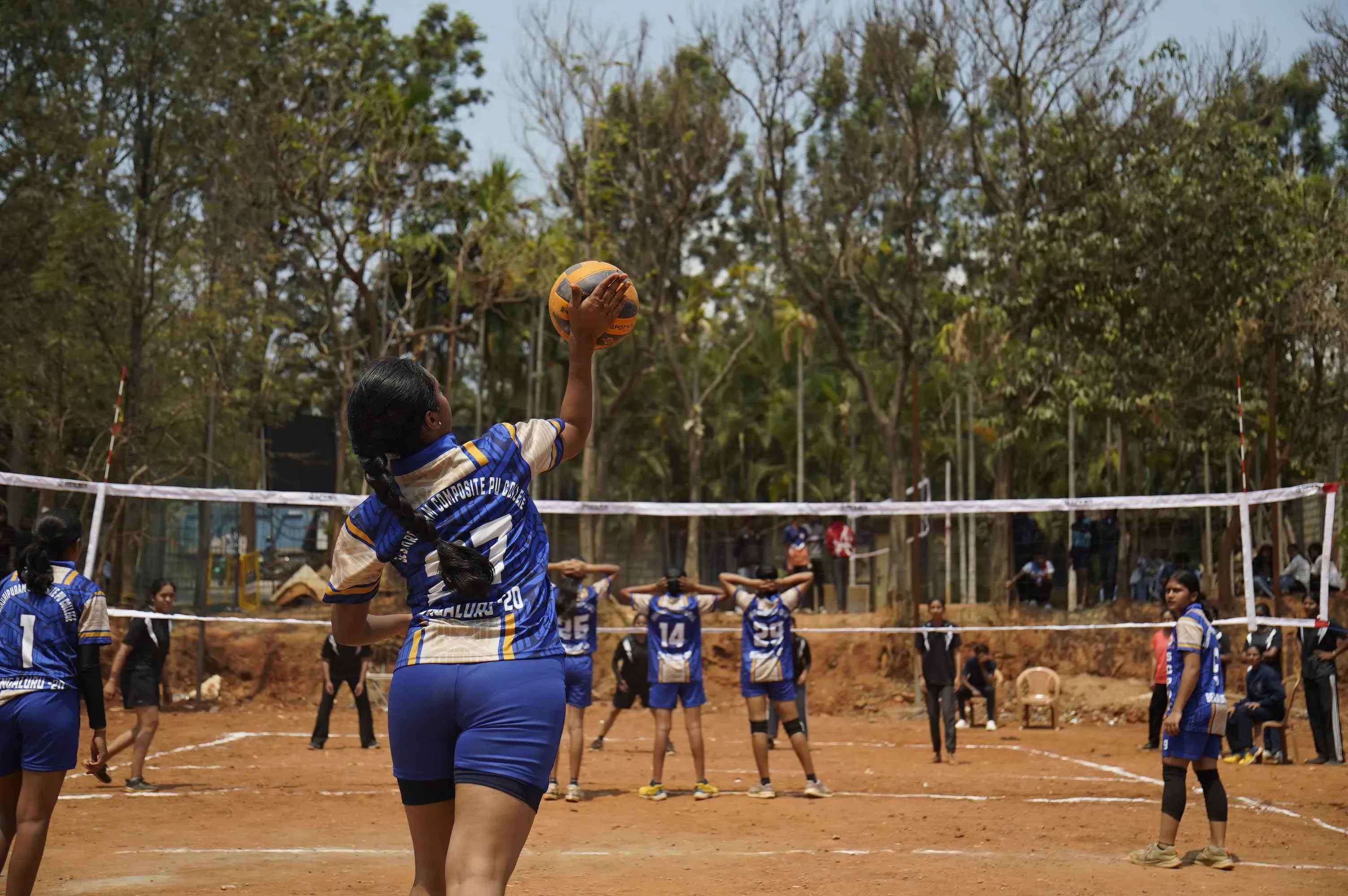
Volleyball teaches students that individual performance becomes more effective when combined with trust and cooperation. Players need to communicate clearly, respond quickly and understand their responsibilities within the team. These qualities can become valuable in academic group work and future professional environments as well. Volleyball also creates opportunities for students to build friendships through shared practice and competition. By participating together, students can develop a stronger sense of teamwork, confidence and community while enjoying an active and engaging sport.
Kabaddi and Kho-Kho Facilities
Our kabaddi and kho-kho facilities provide students with opportunities to participate in traditional Indian sports while developing physical fitness, agility, speed, coordination, tactical awareness and teamwork. Kabaddi requires players to make quick decisions during both attacking and defensive situations. Players must understand when to move forward, when to respond defensively and how to coordinate their actions with teammates. The sport requires physical control as well as strategic thinking because each decision can influence the team's position during the game. Kho-kho provides a different but equally engaging sporting experience, with a strong emphasis on speed, anticipation, quick movement and strategic positioning.
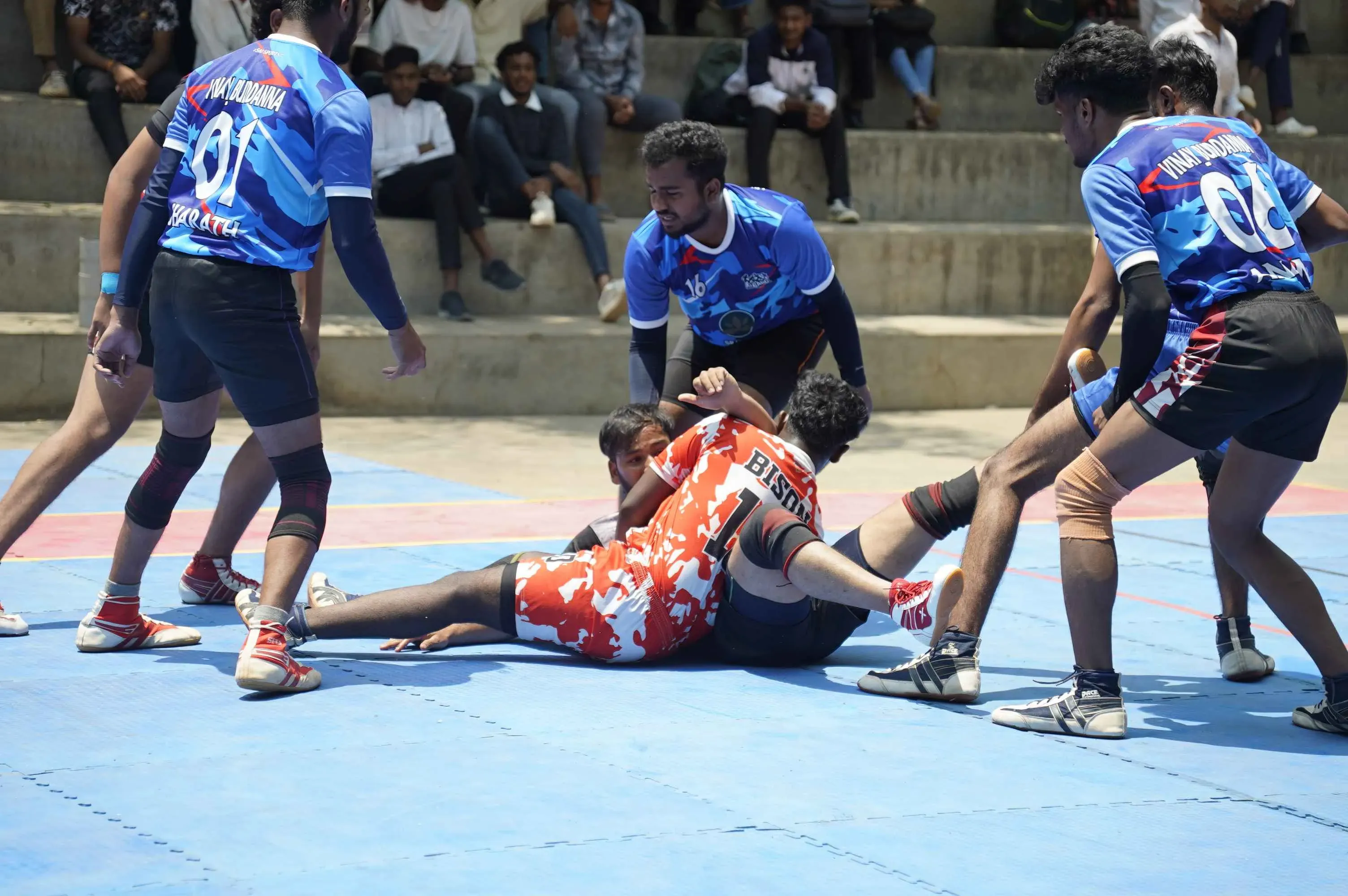
Players need to remain alert, respond rapidly and understand how their individual actions contribute to the team's overall strategy. Both sports provide students with opportunities to connect with India's rich sporting traditions while participating in physically demanding and strategically engaging activities. Students who already have experience in kabaddi or kho-kho can continue developing their abilities, while beginners can learn the fundamentals and gradually become more confident through participation and practice. Competitions and organized sporting activities can further strengthen team spirit, discipline and sportsmanship while giving students opportunities to represent their departments or university. Through kabaddi and kho-kho, our students can develop physical abilities, strategic thinking, teamwork and confidence while experiencing the unique character of traditional Indian sports.
Tennis Courts
Our tennis courts provide students with a dedicated space to enjoy an engaging individual or paired sport while developing coordination, concentration, movement and strategic thinking. Tennis offers flexibility because students can participate in singles and focus on personal performance or choose doubles and experience the additional dimensions of communication, cooperation and teamwork. Regular practice allows students to work on important aspects of the game, including serving, returning, footwork, balance, timing, positioning and shot placement. The sport requires players to remain focused throughout each point and respond quickly to changing situations, encouraging both physical alertness and mental concentration. Students can enjoy tennis recreationally with friends as part of their regular campus activities or pursue more structured participation when they have competitive interests. Tennis is also a suitable option for students who prefer smaller-group activities rather than large team sports. Through consistent participation, students can gradually improve their technique, build confidence and develop greater personal discipline. The sport also encourages students to understand the value of patience and practice because improvement comes through repeated effort and attention to detail. Our tennis facilities therefore provide more than a space for recreation; they offer students an opportunity to remain active, develop sporting skills and enjoy a focused form of physical activity as part of their university experience.
Open-Air Gym
Our open-air gym provides students with an additional opportunity to maintain physical activity in an outdoor environment. The facility offers an alternative to conventional indoor fitness spaces and can be used by students who prefer exercising in an open setting. Outdoor fitness can complement participation in field sports while also serving as an independent option for students who want to include exercise in their personal routines. Students can incorporate available equipment into their fitness schedules according to their individual interests, experience and objectives. The open-air environment can provide a refreshing change from classrooms, indoor study areas and other academic spaces, allowing students to include movement and exercise within their daily campus routine. Students involved in sports can use outdoor fitness as a complementary part of their physical preparation, while those interested in general fitness can use it as part of a regular activity routine. Consistency and responsible participation remain important when using any fitness facility. Students are encouraged to understand the appropriate use of equipment, follow applicable instructions and participate according to their individual capabilities. The open-air gym supports our wider approach to student wellness by providing another accessible option for physical activity. It also gives students the freedom to choose an exercise environment that suits their preferences. Through regular and responsible use, students can make outdoor fitness a positive part of their campus lifestyle while maintaining a healthy balance between academic responsibilities, recreation and physical well-being.
Indoor Sports Facilities
Our indoor sports facilities provide students with a versatile environment for recreation, physical activity, skill development and wellness. The indoor sports infrastructure includes an indoor stadium, multi-purpose sports hall, badminton courts, table tennis arena, chess and carrom rooms and a yoga and aerobics studio, offering students a broad range of choices according to their interests and schedules. Some activities encourage active physical movement and quick reactions, while others focus on concentration, coordination, strategic thinking or wellness. This variety allows students to select activities that suit their individual preferences rather than following a single approach to sports participation. Indoor facilities also provide convenient opportunities for students to remain engaged in sports and recreation as part of their campus routine. Badminton and table tennis can provide energetic activities that develop coordination, agility and concentration, while chess and carrom offer more strategic and recreational experiences. Yoga and aerobics provide additional options for students who wish to focus on flexibility, movement, fitness and wellness. The indoor stadium and multi-purpose sports hall further contribute to the flexibility of our sports environment by providing spaces for organized activities, practice sessions, competitions and other sporting programmes according to applicable schedules. Students can participate individually, with friends or as part of organized groups. The indoor environment also creates opportunities for students to take a constructive break from academic activities and spend time participating in activities they enjoy. Through this diverse indoor infrastructure, our students can remain active, develop new interests, build friendships and experience a balanced approach to sports and recreation throughout their university journey.
Indoor Stadium
Our indoor stadium provides a dedicated and versatile environment for indoor sports, practice sessions, recreational activities, training programmes and organized sporting events. It complements our outdoor grounds and specialized courts by giving students an additional space for physical activity and sports participation. The facility can accommodate different types of activities according to scheduled availability and applicable guidelines, allowing students to make sports a regular part of their campus experience. Practice sessions can help students improve their skills and prepare for competitions, while recreational activities provide opportunities to remain active and spend meaningful time with peers. The indoor stadium can also support organized competitions, university sporting programmes and special events, creating a lively environment for student participation. Students can experience teamwork, discipline, communication and sportsmanship while taking part in activities conducted within the facility. Its flexibility makes it a valuable component of our overall sports infrastructure and provides students with another setting in which they can develop their abilities, interact with peers and enjoy an active campus lifestyle. By providing a dedicated indoor environment, our sports programme can offer greater variety and flexibility while supporting the diverse interests of our students.
Multi-Purpose Sports Hall
Our multi-purpose sports hall provides a flexible environment designed to support a variety of sporting, fitness, recreational and student activities. Its adaptable nature allows the space to be used for practice sessions, training programmes, competitions, fitness activities and special sporting events according to scheduled requirements. The hall complements our specialized outdoor grounds and dedicated indoor facilities by providing additional opportunities for organized participation. Students can use the space for group activities that encourage communication, coordination and teamwork while developing their sporting abilities. Training sessions can provide opportunities for students to improve their techniques and prepare for competitions, while recreational activities can create a relaxed environment for students to remain active and interact with friends. The multi-purpose nature of the facility also allows sporting programmes to be organized with greater flexibility, supporting different activities throughout the academic year. Students participating in group events can develop important qualities such as responsibility, cooperation, discipline and confidence. The hall therefore contributes not only to physical activity but also to the wider student experience by creating opportunities for participation, interaction and personal development. Its versatility strengthens our sports infrastructure and supports our objective of providing students with diverse opportunities to remain active, explore their interests and participate in a vibrant campus environment.
Badminton Courts
Our badminton courts provide students with an engaging indoor sporting environment where speed, agility, coordination, concentration and quick reactions come together. Badminton can be played in singles or doubles, giving students the flexibility to choose between individual performance and a more collaborative sporting experience. Students who are new to the sport can begin by learning fundamental techniques, understanding movement and gradually developing confidence through regular practice. Experienced players can use the courts to refine their techniques, improve consistency and prepare for suitable competitive opportunities. Badminton requires players to remain alert and respond quickly, making it an excellent activity for developing coordination and concentration while maintaining physical activity. Doubles participation adds an important teamwork element because partners need to communicate, coordinate their movement and understand their respective positions during play. Badminton can also be convenient for students managing busy academic schedules because games and practice sessions can be organized within available periods. Students can enjoy friendly matches with peers or participate in organized sporting activities according to their interests. Regular participation can support physical fitness while creating opportunities for social interaction and healthy competition. Our badminton facilities therefore provide a balanced combination of recreation, skill development, fitness and teamwork, allowing students to enjoy an active sporting experience as part of their university life.
Table Tennis Arena
Our table tennis arena provides students with a fast-paced indoor sporting option that combines concentration, hand-eye coordination, precision, balance and quick reactions. Players need to observe the movement of the ball carefully and respond rapidly, making the sport both physically engaging and mentally stimulating. Students can participate in friendly games with classmates and friends or take part in organized competitions according to available opportunities. The relatively flexible nature of table tennis makes it convenient for students who want to include recreational activity within a busy academic schedule. Each game provides opportunities to practise control, timing, movement and strategic thinking while maintaining an enjoyable competitive atmosphere. Students can gradually improve their skills through regular participation and learn to remain focused during challenging situations. Table tennis also provides opportunities for social interaction because students can enjoy games together in a relaxed environment. Friendly competition can encourage students to improve while maintaining respect for their opponents. Through regular participation, students can develop concentration, coordination and confidence while enjoying a sport that is suitable for both recreational and competitive interests. Our table tennis arena adds further variety to the indoor sports environment and provides students with another meaningful option for physical activity and recreation.
Chess and Carrom Rooms
Our chess and carrom rooms provide students with recreational opportunities that combine concentration, strategy, coordination and social interaction. We recognize that every student has different interests and that not everyone prefers high-intensity physical sports. Chess provides an environment where students can develop strategic thinking, planning, patience, concentration and decision-making. Players need to consider different possibilities, anticipate potential outcomes and make thoughtful decisions throughout the game. Carrom provides a different but equally engaging experience, combining precision, hand-eye coordination, concentration and tactical thinking in a relaxed setting. Both activities allow students to enjoy recreation while engaging their minds and interacting with peers. These spaces can be particularly valuable for students who prefer indoor strategic activities or want a calmer alternative to physically demanding sports. Friendly games can create opportunities for students to build friendships and enjoy their leisure time constructively. Participation can also encourage patience, focus and thoughtful decision-making. By including chess and carrom within our sports and recreation environment, we provide greater variety and ensure that students with different preferences have meaningful opportunities to participate. These facilities contribute to a more inclusive campus experience where recreation, social interaction and personal development can take place alongside physical sports and fitness activities.
Yoga and Aerobics Studio
Our yoga and aerobics studio supports a broader approach to physical activity, fitness and student wellness. Yoga provides students with an opportunity to focus on flexibility, balance, controlled movement, body awareness and relaxation. It can be particularly suitable for students who prefer a calmer form of physical activity or wish to complement more intensive sports and fitness routines with wellness-focused practices. Regular yoga participation can encourage students to become more aware of movement and develop a balanced approach to physical activity. Aerobics provides a more energetic option, combining continuous movement with cardiovascular exercise and active participation. Students can choose between yoga and aerobics according to their interests, fitness preferences and personal goals. These activities provide opportunities for students to remain active while exploring different approaches to wellness. The studio can also become a positive space where students take a break from academic routines and focus on movement and personal well-being. Through yoga and aerobics, our students can develop healthy habits while enjoying activities that support physical activity and balance. Together, these programmes complement our outdoor sports, indoor games and fitness facilities, contributing to a comprehensive sports and wellness environment. Our objective is to encourage students to discover activities that they enjoy and can continue consistently, helping them make physical activity and personal wellness a meaningful part of their university journey.
Fitness Centre and Gymnasium
Our fitness centre provides students with a dedicated environment for structured individual exercise, physical conditioning and personal fitness development. The gymnasium includes cardio and strength-training equipment that can support different fitness objectives and allow students to create routines according to their interests and abilities. Cardio-based exercises can support endurance and overall conditioning, while strength-focused activities can contribute to muscular fitness and physical strength. Students involved in competitive sports can incorporate gym-based conditioning into their broader training routines, while other students can use the facility to maintain general fitness and remain physically active during their university years. The fitness centre also provides an opportunity for students to establish consistent exercise habits alongside their academic schedules. We encourage responsible use of all equipment, attention to appropriate instructions and participation according to individual capabilities. Students can gradually develop their routines and focus on sustainable progress rather than short-term results. Regular physical activity can become an important part of a balanced lifestyle, and our fitness centre provides a convenient campus-based option for students who prefer individual exercise. Through responsible and consistent participation, students can work toward their personal fitness objectives while developing discipline, commitment and greater awareness of their physical well-being.
Sports and Academic Balance
Our university experience encourages students to maintain a healthy balance between academic responsibilities and activities that support physical and personal well-being. Academic learning requires concentration, preparation and consistent effort, while sports can provide a constructive opportunity to introduce movement and recreation into the daily routine. Students can participate in sports after academic activities, during available recreational periods or according to scheduled opportunities, allowing physical activity to complement rather than interfere with their studies. Balancing lectures, assignments, projects, examinations, practice sessions and fitness activities can encourage students to become more organized and develop effective time-management habits. We believe that students benefit when they are able to create routines that include both academic focus and meaningful recreation. A short sporting activity, fitness session or indoor game can provide a positive change of pace from prolonged academic work. Students can choose activities that fit naturally into their schedules and participate according to their individual interests. Learning to manage different responsibilities can also prepare students for future professional environments where multiple priorities often need to be handled together. Through this balanced approach, sports can become a constructive part of university life while students continue to remain committed to their academic goals.
Sports and Teamwork
Our team sports provide practical opportunities for students to understand the importance of cooperation, shared responsibility and collective effort. Cricket, football, hockey, basketball, volleyball, kabaddi and kho-kho require players to work together toward common objectives, making teamwork an essential part of participation. Every player contributes differently, and students learn that individual abilities become more effective when they are combined with the strengths of others. Some players may contribute technical skills, while others may provide leadership, strategic thinking, communication, consistency or encouragement. Working successfully as a team requires students to understand different roles, respect different abilities and communicate effectively. Sporting situations also teach students how to support teammates during both successful and challenging moments. These experiences can strengthen interpersonal skills and create a stronger sense of responsibility toward the group. The lessons developed through team sports can complement academic group projects, internships and future professional environments where collaboration is essential. Through regular participation, students can learn to listen, communicate, contribute and work toward shared outcomes while maintaining respect for their teammates.
Sports and Leadership
Our sporting environment creates meaningful opportunities for students to develop leadership through practical participation. Leadership can take different forms within sports, including serving as a team captain, coordinating practice sessions, helping organize competitions, supporting new participants or taking responsibility for specific activities. Students in these roles need to communicate clearly, make decisions, encourage teammates and respond constructively to challenges. Unlike leadership that is learned only through theory, sporting leadership provides students with situations where responsibility must be applied in real time. A team captain may need to motivate players, understand individual strengths and help maintain team focus. An event coordinator may need to organize schedules, communicate with participants and address practical requirements. A student supporting beginners may demonstrate leadership by sharing knowledge and encouraging others to participate. These experiences can strengthen confidence, initiative, responsibility and decision-making. Leadership developed through sports can complement academic projects, student activities and future professional responsibilities. We encourage students to use sporting opportunities not only to improve their own abilities but also to contribute positively to the experience of their teammates and the wider university community.
Sports and Discipline
Our students can learn through sports that meaningful improvement requires discipline, regular practice and consistent effort. Sporting skills rarely develop immediately, and physical fitness also requires a sustained approach. Students learn to follow schedules, arrive prepared, practise regularly, follow rules and take responsibility for their participation. These habits can influence other areas of university life by encouraging students to approach their academic and personal responsibilities with greater organization. Discipline in sports is not simply about following instructions; it is also about developing the ability to remain committed to a goal even when progress is gradual. Students may need to practise a technique repeatedly before seeing improvement or maintain a fitness routine even when motivation varies. Such experiences can strengthen patience and self-management. The ability to remain consistent can become valuable in academic work and future professional responsibilities. Through sports, students experience how preparation and commitment contribute to progress. These practical lessons can encourage them to develop a more disciplined approach to different areas of their lives.
Sportsmanship and Respect
We place strong importance on respectful participation, fair play and healthy competition. Sports provide opportunities for students to compete, but competition becomes more meaningful when it is accompanied by respect for teammates, opponents, officials, coaches, staff and other users of sports facilities. Students learn that success should be accompanied by humility and that setbacks can become opportunities for learning. Winning a match can be an achievement, but the manner in which students participate is equally important. Respectful behaviour helps create an environment where students can compete confidently without compromising the dignity of others. Students can learn to appreciate good performances by opponents, accept decisions appropriately and recognize the contributions of teammates. Fair play also encourages students to understand that character and conduct matter alongside results. These values can extend beyond sports and influence how students interact with classmates, faculty, colleagues and others in professional environments. By encouraging sportsmanship and respect, our sporting culture aims to create positive competition while helping students develop qualities that remain valuable throughout life.
Sports and Confidence Building
Our sports facilities provide students with opportunities to build confidence through participation, practice and personal improvement. Confidence can develop when students learn a new skill, contribute successfully to a team, achieve a fitness goal or overcome an initial hesitation about participating. Students may begin with limited experience and gradually become more comfortable as they practise and gain familiarity with an activity. Each stage of improvement can provide a sense of achievement. A beginner who successfully learns a new technique, a player who contributes to a team or a student who completes a personal fitness goal can experience meaningful progress. We encourage students to recognize these achievements rather than measuring success only through medals, rankings or competition results. Personal progress can be equally valuable because it reflects effort and development. Regular participation can also help students become more comfortable taking on challenges and trying unfamiliar activities. This growing confidence can influence other areas of university life, including presentations, group projects, leadership opportunities and social interaction. Through sports, students can discover their abilities, recognize their progress and become more willing to challenge themselves.
Sports and Resilience
Our sporting activities provide students with practical experiences that demonstrate the importance of resilience and perseverance. Every competition does not result in a victory, and every new skill is not mastered immediately. Students may experience difficult matches, personal setbacks, unsuccessful attempts or periods when improvement seems slow. These experiences can teach students how to respond constructively rather than becoming discouraged. A setback can encourage reflection, allowing students to identify areas for improvement and return to practice with greater focus. Teams can also learn from difficult results by reviewing their performance and working together to improve. This process helps students understand that progress often involves challenges and that setbacks do not define their overall ability. Resilience developed through sports can become valuable in academic, professional and personal situations where students may encounter unexpected difficulties. Learning to remain focused, accept constructive feedback and continue working toward a goal can strengthen confidence and adaptability. Our sporting environment therefore provides students with opportunities to experience resilience through real situations rather than simply learning about it in theory.
Sports and Communication
Our team sports and organized sporting activities provide practical situations where clear communication is essential. Players need to communicate with teammates during matches, coordinate movement during practice and understand responsibilities within a team. Students involved in tournaments and sporting events may also communicate with organizers, volunteers, participants and supporters. These experiences can strengthen interpersonal communication and encourage students to express themselves clearly and respectfully. Effective communication is particularly important in team sports because players often need to respond quickly and share information during changing situations. Students learn to listen to others, provide information, encourage teammates and communicate under pressure. These skills can complement academic presentations, group assignments, project discussions, internships and future professional responsibilities. Communication developed through sports can also improve confidence because students become more comfortable expressing ideas and interacting with different people. Through regular participation, our students can learn that effective communication is not only about speaking but also about listening, understanding and responding appropriately.
Sports and Decision-Making
Our sports environment provides numerous opportunities for students to develop decision-making skills through practical situations. Players often need to assess circumstances quickly and choose an appropriate response. A football player may decide where to pass, a basketball player may determine whether to shoot or pass, and a cricket player may assess the match situation before making a particular play. Hockey, volleyball, kabaddi and kho-kho similarly require players to respond to changing situations and make decisions within limited periods. Chess provides a different form of decision-making where players can analyse possibilities and anticipate potential outcomes before choosing a move. These activities encourage students to observe situations, evaluate options and understand the possible consequences of their decisions. Over time, students can become more comfortable making choices while remaining focused on the larger objective. Decision-making through sports can complement academic and professional development because students frequently encounter situations where they need to evaluate information and respond appropriately. Our sporting environment provides a practical setting where these skills can be developed through participation, experience and reflection.
Sports and Personal Goals
Our students can use sports and fitness activities to establish personal goals based on their individual interests and abilities. These goals can be competitive, fitness-related or focused simply on personal improvement. A student may aim to improve running speed, learn a new badminton technique, increase fitness, develop greater consistency, prepare for a tournament or participate in a sport for the first time. Personal goals give students a clear sense of direction and can help maintain motivation over time. We encourage students to establish realistic objectives and recognize gradual progress. Meaningful improvement often comes through repeated effort rather than immediate results. Working toward a personal goal can also strengthen discipline and self-awareness because students need to understand their current abilities and identify areas for development. Reaching a goal can create a sense of achievement, while adjusting a goal when circumstances change can teach adaptability. Through sports, students can experience the value of setting objectives, working consistently and evaluating their own progress. These habits can also support academic and professional development by encouraging students to approach challenges with a clear sense of purpose.
Sports and Friendship
Our sports facilities create natural opportunities for students to meet new people and build meaningful friendships. Students can connect through team games, recreational matches, fitness sessions, tournaments, indoor activities and wellness programmes. Shared sporting experiences often create a relaxed environment where students can interact outside formal academic settings. Working together during practice or competition can help students develop familiarity and trust. Friendships can also grow through simple recreational experiences such as playing badminton, table tennis, cricket, basketball or indoor games with classmates. These connections can be especially valuable for students who are new to the university environment and are looking for opportunities to meet peers. Sports can bring together students from different programmes and backgrounds through common interests, helping create a stronger campus community. The relationships developed through shared activities can become an important part of the university experience and contribute to a sense of belonging. We encourage students to use sports not only as an opportunity for physical activity but also as a way to connect with peers, support one another and enjoy their time on campus.
Sports and Hostel Life
For students staying in hostels, sports provide constructive opportunities for recreation and physical activity beyond academic hours. Students can participate in games, fitness activities and other sporting programmes as part of their leisure time while interacting with peers. Shared sporting activities can help hostel students build friendships and create a stronger sense of community within the residential environment. Participation also provides an opportunity to step away from academic routines and engage in activities that encourage movement and social interaction. Students may form informal teams, participate in recreational games or develop individual fitness routines according to their interests. These activities can help make residential life more engaging and provide constructive ways to spend free time. Regular physical activity can also contribute to healthier routines by encouraging students to include movement within their daily schedules. Hostel students can benefit from the social and personal development opportunities created through sports while continuing to manage their academic responsibilities. Our sporting environment therefore contributes not only to campus recreation but also to the wider residential student experience.
Annual Sports Events
Our annual sports activities provide students with opportunities to participate, compete, support their teams and contribute to the wider sporting culture of the university. Such events can become important highlights of campus life because they bring together students with different interests and levels of sporting experience. Students can participate as competitors, team members, volunteers, organizers or supporters, allowing everyone to find a meaningful role. Competitors can demonstrate their skills and experience healthy competition, while volunteers and organizers can gain practical experience in coordination and event management. Annual sporting activities also create opportunities for students to develop friendships and strengthen team identity. Preparation for these events can encourage students to practise regularly, communicate with teammates and work toward shared objectives. The atmosphere surrounding sporting events can contribute to campus energy and create memorable experiences for students. We encourage participation that values effort, teamwork, sportsmanship and respect alongside competitive performance. Through annual sports activities, students can become more actively involved in campus life while developing personal and interpersonal skills.
Departmental Tournaments
Our departmental tournaments create opportunities for students to represent their academic communities through friendly and organized sporting competition. Students can form teams, practise together, coordinate their schedules and participate in matches against other departments. These tournaments can strengthen communication and cooperation because students need to work together toward a shared objective. Representing a department can also create a stronger sense of identity and belonging among participants. Students who may not have previously considered themselves competitive athletes can discover new interests through these accessible sporting opportunities. Departmental tournaments can also encourage experienced players to support beginners and share their knowledge with teammates. Preparation for matches can develop discipline and time management as students balance practice with academic commitments. The tournaments provide an environment where students can compete positively while maintaining respect for opponents and valuing sportsmanship. Beyond the result of a match, the experience of preparing and participating can help students develop confidence, teamwork and stronger connections with classmates. These events contribute to a lively campus environment and provide another meaningful way for students to become involved in university life.
Fitness Challenges
Our fitness challenges provide opportunities for students who prefer personal development and physical improvement rather than traditional competitive sports. The focus can be placed on consistency, participation, effort and individual progress, allowing students to establish goals that are appropriate for their own abilities. Fitness challenges can encourage students to become more aware of their physical activity and develop healthier routines. Students may participate individually while also benefiting from the motivation and encouragement of their peers. A supportive environment can make it easier for students to remain committed and recognize their progress. Fitness challenges can also introduce students to different forms of exercise and encourage them to explore activities that they may continue beyond the programme. The objective is not simply to complete a challenge but to encourage positive habits and a greater appreciation for regular physical activity. Students can use these experiences to develop discipline, consistency and personal motivation. Through fitness challenges, our university creates additional opportunities for students to remain active, support one another and make wellness a meaningful part of their overall university experience.
Inter-University Competitions
Our students with competitive sporting ambitions can explore opportunities to participate in inter-university competitions when suitable opportunities are available. Competing beyond the campus provides valuable exposure to different teams, playing styles, competitive environments and sporting approaches. Such experiences allow students to understand the expectations of higher-level competition while developing greater confidence and adaptability. Representing Sapthagiri NPS University is both an opportunity and a responsibility, as students carry the identity of our university into every sporting event. Preparation for inter-university competitions encourages students to maintain discipline, practise consistently, understand team strategies and remain focused on their objectives. Students also learn to manage the pressure associated with competitive situations and respond to both success and setbacks in a positive manner. Participation can strengthen sportsmanship, teamwork and communication while providing students with experiences that complement their academic journey. Through suitable inter-university opportunities, our students can challenge themselves, gain competitive exposure and continue developing their sporting abilities.
Higher-Level Sporting Opportunities
Students with strong sporting abilities may aspire to progress toward higher levels of competition and performance. State-level and national-level sporting opportunities can provide valuable exposure to experienced athletes, different competitive environments and higher standards of performance. Students who wish to pursue such opportunities can use their university sporting experience as part of their broader development while continuing their academic education. Higher-level participation requires commitment, preparation, physical conditioning and a disciplined approach to training. Students can learn to manage their sporting responsibilities alongside their academic schedules, developing valuable time-management and organizational skills in the process. Competitive exposure can also help students identify areas for improvement and understand the level of preparation required to progress. Our sports environment can provide a foundation for students who wish to continue developing their abilities and explore suitable opportunities beyond university-level participation. Such experiences can encourage talented students to set higher goals, remain committed to their training and approach their sporting journey with greater confidence and purpose.
Khelo India Opportunities
Khelo India plays an important role in supporting the development and promotion of sports across India. Opportunities associated with Khelo India Games can provide competitive exposure and valuable experiences for talented athletes who aspire to progress beyond routine sporting activities. Students with serious sporting interests can explore suitable opportunities and understand the importance of preparation, discipline and consistent performance. Exposure to broader competitive environments can allow athletes to experience different playing styles, meet participants from different institutions and understand the demands of higher-level sport. Such experiences can encourage students to continue improving their technical abilities, physical conditioning and competitive mindset. Participation in recognized sporting opportunities can also motivate students to establish stronger goals and approach training with greater commitment. For students who wish to develop their sporting potential while pursuing higher education, opportunities connected with the wider sporting ecosystem can provide valuable motivation and exposure. Our approach encourages students to remain focused on both academic responsibilities and their sporting aspirations while making responsible use of opportunities available to them.
Training and Athlete Development
Our approach to athlete development combines access to sporting facilities with regular practice, preparation, discipline, fitness and competitive experience. Students with sporting ambitions can use available facilities to develop their technical abilities, improve physical conditioning and strengthen their understanding of their chosen sport. Consistent practice allows athletes to identify areas that require improvement and gradually build greater confidence in their abilities. Training is not limited to physical preparation; it can also involve understanding tactics, developing teamwork, improving communication and learning how to respond to competitive situations. Students preparing for competitions can benefit from a structured approach that encourages commitment and consistency. Athlete development also requires students to understand the importance of balancing sporting goals with academic responsibilities. Managing both areas can strengthen time management, organization and personal discipline. Our objective is to provide an environment where students can pursue sporting interests while continuing to benefit from higher education. Through practice, preparation and participation, students can work toward their goals and develop a more focused approach to their sporting journey.
Sports Science and Research
Our vision for sports extends beyond physical participation to include opportunities for learning and research related to sports science, coaching, fitness and wellness. Sports science brings together different areas of knowledge related to exercise, physical conditioning, performance, biomechanics, coaching methods, recovery and overall well-being. Students interested in these areas can develop an understanding of how scientific principles can contribute to sporting performance and healthy physical activity. The connection between sporting practice and academic knowledge creates opportunities to view sports from a broader perspective. Students can explore how training methods influence performance, how movement can be studied and how fitness programmes can be developed according to different objectives. Sports-related research can also contribute to a deeper understanding of wellness and physical development. This approach demonstrates that sports can serve not only as recreational and competitive activities but also as meaningful areas of academic exploration. By connecting practical sporting experiences with knowledge and research, students can develop a broader appreciation of the role sports can play in education, performance and long-term well-being.
Sports-Related Skills
Our sports environment can support students who have an interest in areas such as coaching, fitness, wellness, sports management, event coordination and related fields. Participation in sporting activities provides practical exposure to how teams function, how training is organized and how competitions are conducted. Students who assist with sporting events can also gain experience in planning, communication, scheduling, coordination and participant management. These experiences can complement academic learning and help students understand the practical side of sports-related activities. Students interested in coaching can develop an appreciation for teamwork, instruction and communication, while those interested in sports management can gain exposure to event organization and coordination. Fitness and wellness interests can encourage students to explore areas connected with physical activity and healthy living. These experiences can help students identify potential areas of interest for further study or future career development. Our sporting environment therefore provides opportunities not only for participation but also for discovering skills and interests that may contribute to students' broader professional aspirations.
Yoga and Wellness
Our yoga and wellness activities encourage students to view physical activity as an important part of a balanced and sustainable lifestyle. Yoga provides opportunities to focus on flexibility, balance, controlled movement, body awareness and relaxation. Students can incorporate yoga into their routines according to their interests and schedules, either as a primary wellness activity or as a complement to more intensive sports and fitness programmes. Aerobics provides an energetic form of physical activity that can support cardiovascular conditioning and active movement. Gym-based fitness and outdoor exercise provide additional options for students who prefer structured or independent physical activity. By offering different approaches to wellness, our sports environment allows students to create routines that suit their individual preferences. We encourage students to focus on consistency and sustainable participation rather than viewing wellness as an occasional activity. Developing healthy routines during university can help students understand the importance of maintaining physical activity alongside academic and professional responsibilities. Yoga and wellness activities therefore contribute to a broader campus environment focused on balance, movement and personal well-being.
National Sports Day
National Sports Day provides an opportunity to recognize the importance of sports and encourage wider participation among students. Activities associated with the occasion can highlight the value of physical fitness, discipline, perseverance, teamwork and sportsmanship. Such programmes can also create awareness about the role of sports in personal development and encourage students to explore activities they may not have previously considered. National Sports Day can become an opportunity for students to celebrate sporting interests, recognize achievements and understand that sports contribute to more than physical fitness. Participation can encourage students to develop healthy routines and appreciate the values associated with sporting activities. Through suitable events and activities, we can create greater awareness of the importance of remaining active while also encouraging students to become more involved in the sporting culture of the university.
World Yoga Day
World Yoga Day provides an opportunity to highlight the importance of yoga, wellness and balanced physical activity. Yoga encourages students to explore flexibility, balance, controlled movement, concentration and relaxation. These qualities can complement more intensive sporting activities by providing a different approach to physical and mental well-being. Activities connected with World Yoga Day can encourage students to discover yoga and understand how it can become part of a regular wellness routine. Students can explore practices according to their interests and comfort levels while learning the value of consistency and mindful movement. Yoga can also provide a constructive break from academic routines and create an opportunity for students to focus on personal well-being. By recognizing the importance of yoga and wellness, we encourage students to consider physical activity as part of a long-term balanced lifestyle.
World Bicycle Day
World Bicycle Day provides an opportunity to promote awareness of active lifestyles, physical movement and healthy routines. Cycling can combine recreation with physical activity and provide students with another perspective on maintaining an active lifestyle. Activities associated with the occasion can encourage students to think about the importance of regular movement and explore different ways of incorporating physical activity into their routines. Cycling can also provide an enjoyable form of recreation and can complement participation in other sports and fitness activities. Awareness programmes can help students understand that maintaining an active lifestyle does not always require formal competition. Simple and enjoyable activities can also contribute to physical well-being. World Bicycle Day therefore provides another opportunity to encourage students to remain active, explore healthy habits and appreciate the broader role of physical activity in everyday life.
Adventure Activities and Camps
Adventure activities and camps can provide students with experiences that are different from regular classroom learning and routine campus activities. Such experiences can encourage students to step outside familiar situations, work with others and respond positively to new challenges. Adventure-based activities can support teamwork, adaptability, confidence, communication and practical problem-solving. Students may encounter unfamiliar environments or activities that require them to listen carefully, make decisions and cooperate with their peers. Working together to complete a task or overcome a challenge can strengthen trust and develop a greater understanding of collective responsibility. These experiences can also encourage students to become more comfortable with new situations and develop a willingness to explore unfamiliar opportunities. Adventure activities can complement conventional sports by introducing different forms of physical participation and personal development. They can also create memorable experiences that strengthen friendships and contribute to a vibrant student life. Through suitable activities and programmes, students can learn that personal growth can take place through experiences that challenge them physically, mentally and socially.
Wellness Workshops
Our wellness workshops provide students with opportunities to develop a broader understanding of healthy routines, personal well-being and balanced lifestyles. University life can involve academic responsibilities, deadlines, projects, examinations and changing daily routines, making awareness of personal wellness particularly valuable. Wellness programmes can encourage students to think about physical activity, rest, healthy habits, recreation and personal balance as important components of their overall university experience. These workshops can complement our sports and fitness facilities by helping students understand how regular physical activity can become part of a sustainable lifestyle. Students can also gain greater awareness of the importance of maintaining balance while managing academic and personal responsibilities. Wellness education encourages students to make thoughtful choices and develop routines that can remain valuable beyond their university years. By connecting wellness awareness with sports and physical activity, our approach supports a more comprehensive understanding of student development. We encourage students to use these opportunities to reflect on their routines, discover healthy practices and develop habits that support their long-term well-being.
Sports and Time Management
Our students manage a variety of responsibilities, including lectures, assignments, projects, examinations, presentations, personal commitments and extracurricular activities. Participation in sports can encourage students to organize these responsibilities effectively and develop a structured approach to their daily routines. Scheduling time for practice, fitness sessions, tournaments or recreational activities requires students to plan ahead and understand how different commitments can be balanced. Students learn that regular participation becomes easier when they manage their time consistently rather than allowing activities to interfere with other responsibilities. This experience can strengthen organization, punctuality and personal discipline. Time-management skills developed through sports can also become valuable in professional environments where individuals often need to handle multiple priorities simultaneously. By learning to balance academic commitments with physical activity, students can develop a more structured approach to university life. We encourage students to choose sporting activities that fit naturally into their schedules and contribute positively to their overall experience without compromising their academic responsibilities.
Sports and Healthy Routines
Our sports facilities encourage students to view physical activity as a regular part of a balanced lifestyle rather than an occasional activity. Students can choose activities that suit their interests and incorporate them into their daily or weekly routines. A student may enjoy regular badminton sessions, use the fitness centre, participate in football, practise running, play basketball, explore tennis, attend yoga sessions or engage in other sporting activities. The most meaningful benefits often come from consistency and sustainable participation. Students do not need to participate in intensive activities every day to develop positive habits; choosing an enjoyable activity and maintaining a regular routine can be a practical approach to staying active. Sports can also provide opportunities for students to take constructive breaks from academic work and spend time with peers. Developing healthy routines during university can encourage students to continue valuing physical activity after graduation. Our objective is to make sports and fitness accessible through a range of choices so that students can discover activities they enjoy and continue participating in them according to their individual schedules and goals.
Sports and Physical Fitness
Different sports contribute to different aspects of physical development, giving students opportunities to explore fitness through activities they genuinely enjoy. Running and athletics can support endurance and conditioning, while football and basketball can encourage agility, movement and coordination. Tennis and badminton require quick reactions, hand-eye coordination, balance and concentration. Strength-training activities can support muscular fitness, while yoga can encourage flexibility, balance and controlled movement. Our diverse sports infrastructure allows students to choose activities according to their individual interests and fitness objectives. Students can combine different activities to create a varied approach to physical activity. For example, a student may participate in a team sport while also using the fitness centre, or combine running with yoga and flexibility-focused activities. This variety can help prevent physical activity from becoming repetitive and allows students to explore different aspects of fitness. Regular participation can also encourage greater awareness of personal fitness and motivate students to establish sustainable routines. Through our sports and wellness facilities, students have opportunities to remain active while discovering approaches to fitness that suit their individual needs and interests.
Sports and Mental Refreshment
Academic responsibilities require sustained concentration, preparation and attention, and students can benefit from constructive opportunities to change their routine. Sports provide a practical way to step away from books, assignments and screens for a period and engage in physical, recreational or strategic activities. A game of badminton, a fitness session, a football match, a run, a game of chess or a yoga session can provide a refreshing change of pace within the university routine. Physical activity can create an opportunity for students to focus on something different while spending time with friends or pursuing individual interests. Recreational activities can also make daily campus life more varied and engaging. We encourage students to view sports and recreation as positive components of a balanced student experience rather than as activities separate from academic life. Taking appropriate breaks and participating in enjoyable activities can help students maintain a structured routine that includes both focused academic work and meaningful recreation. Our range of sports and wellness options allows students to choose activities that provide an appropriate change of pace according to their preferences and schedules.
Sports and Social Interaction
Our sports environment creates valuable opportunities for students to interact beyond their regular academic groups. Team sports, recreational games, fitness sessions, tournaments and indoor activities can bring together students from different programmes, departments and year groups. Shared sporting interests can make it easier for students to meet peers, build friendships and become more involved in campus life. Working together in a team or participating in a friendly game creates opportunities for communication and cooperation in an informal environment. Students can support one another, share experiences and develop relationships through common interests. Sporting events can also create opportunities for students to interact as participants, supporters, volunteers and organizers. These different forms of involvement contribute to a stronger campus community. For students who are new to the university environment, sports can provide a comfortable way to meet people and become familiar with campus life. Through regular participation, students can develop social connections while enjoying activities that contribute to physical fitness and personal development.
Sports and Inclusive Participation
We recognize that students have different interests, abilities, experience levels and preferences when it comes to sports and physical activity. Our range of facilities provides multiple options rather than expecting every student to participate in the same type of activity. Students can choose from team sports, individual and paired sports, strategic indoor games, fitness activities and wellness programmes according to their interests. This variety allows students to find activities that are comfortable and meaningful for them. A student who enjoys competition can participate in tournaments, while another may prefer recreational games or individual fitness. Students who enjoy strategic activities can explore chess or carrom, while those seeking wellness-oriented options can participate in yoga or aerobics. Beginners can gradually develop their abilities, while experienced athletes can work toward stronger competitive goals. This approach helps create a sports environment where participation is encouraged across different levels of experience. We want students to feel that there is a place for their interests within the wider sporting community and that meaningful participation can take many different forms.
Opportunities for Beginners
Our sports facilities provide opportunities not only for experienced players but also for students who are discovering sports for the first time. University can be an ideal period to explore new activities, develop unfamiliar skills and discover interests that students may not have encountered previously. Beginners can start by learning basic rules, understanding fundamental techniques and participating in recreational activities with peers. Regular practice can gradually improve confidence and familiarity. Students do not need to begin with competitive ambitions; simply trying a new sport can become a valuable part of campus life. A beginner may discover a new interest through badminton, tennis, basketball, football, table tennis, chess, yoga or another available activity. Participation can also create opportunities to meet new friends and become more actively involved in the university community. We encourage students to approach new activities with an open mind and understand that improvement takes time. The focus can be on learning, participation and gradual progress. Through this approach, beginners can develop confidence while enjoying a positive and supportive sporting experience.
Opportunities for Experienced Athletes
Students who already have sporting experience can continue developing their abilities while pursuing higher education. Regular access to sports facilities, practice opportunities and suitable competitions can support students who wish to maintain their sporting interests. Experienced athletes can use available facilities to refine technical skills, improve physical conditioning and prepare for competitive participation. Students with stronger ambitions may also explore opportunities to represent the university or participate in suitable higher-level sporting events. Continuing sports alongside academic education requires commitment and organization, and this balance can help students develop discipline and time-management skills. Experienced athletes can also contribute to the wider sporting community by sharing knowledge, encouraging beginners and supporting teammates. Their experience can strengthen team culture and create opportunities for peer learning. Our sports environment aims to provide opportunities for students to continue their sporting journey while remaining focused on their academic goals. We encourage experienced athletes to approach their development with consistency, sportsmanship and a commitment to continuous improvement.
Personal Achievement Through Sports
We believe achievement through sports can be understood in many different ways. Winning a tournament or receiving recognition for competitive performance can be an important achievement, but personal progress can be equally meaningful. A student may improve a running time, learn a new badminton technique, complete a fitness goal, become more consistent with exercise or gain the confidence to participate in a new activity. Each of these accomplishments represents personal development. Sports provide students with opportunities to establish goals and observe their own progress over time. This can create a stronger sense of motivation because students can focus on what they are capable of improving rather than comparing themselves constantly with others. Personal achievement also encourages students to recognize the value of effort and perseverance. A student who initially finds an activity difficult may gradually become more capable through regular practice. These experiences can strengthen confidence and encourage students to approach other challenges with a similar mindset. Through sports, students can learn to appreciate progress, celebrate improvement and understand that achievement is not limited to competition results.
Sports and Professional Development
The qualities developed through sports can complement students' academic preparation and contribute to their broader professional development. Teamwork, leadership, communication, resilience, discipline, decision-making and time management are valuable qualities across many professional fields. Sports provide practical situations where students can experience these qualities rather than simply learning about them theoretically. Team games require cooperation and communication, while individual sports can encourage personal discipline and responsibility. Competitive activities can teach students how to respond to pressure and setbacks, while event participation can provide experience in organization and coordination. Leadership opportunities within teams can also strengthen confidence and initiative. These experiences can complement academic projects, presentations, internships and other forms of professional preparation. Students can carry lessons learned through sports into future workplaces where collaboration, adaptability and responsible decision-making are important. Our sports environment therefore contributes to professional development by giving students opportunities to develop practical personal qualities alongside their academic knowledge.
Responsible Use of Sports Facilities
Our sports facilities are shared resources, and responsible use is essential to maintaining a positive and accessible environment for the entire student community. Students are expected to follow applicable schedules, instructions and usage guidelines while using courts, grounds, equipment, fitness areas and indoor facilities. Equipment should be handled carefully and playing spaces should be kept orderly so that other students can use them comfortably. Respect for facilities also includes maintaining appropriate conduct and considering the needs of other participants. Students participating in team activities or competitions are encouraged to follow the relevant rules and respect teammates, opponents, officials and staff. Responsible participation helps ensure that facilities remain safe, functional and enjoyable for everyone. Students also have an important role in maintaining the quality of the sporting environment by reporting concerns through the appropriate channels and using facilities thoughtfully. Our objective is to create a culture where students understand that sports infrastructure is a shared opportunity and a shared responsibility. By using facilities carefully and respectfully, students contribute to a positive sporting environment that can benefit the wider university community.
Respect for Others
Respect is a fundamental part of our sporting environment and an important value that guides participation, competition and interaction. Students are encouraged to treat teammates, opponents, officials, coaches, staff and other users of sports facilities with consideration and courtesy. Healthy competition should create motivation and enthusiasm without compromising dignity or mutual respect. Students learn that every participant contributes to the sporting experience and deserves to be treated fairly. Respect also involves following applicable rules, accepting decisions appropriately, supporting teammates and maintaining positive conduct during both successful and challenging situations. These values help create a welcoming sporting environment where students can participate with confidence. The lessons developed through respectful sporting participation can also extend into academic, professional and personal interactions, helping students understand the importance of cooperation, empathy and responsible behaviour.
Sports Leadership Opportunities
Our sports environment provides students with meaningful opportunities to develop leadership through practical participation. Students can take responsibility for teams, coordinate practice sessions, support new participants, assist with competitions or contribute to sporting activities. These responsibilities require initiative, communication, organization and the ability to work effectively with others. A student taking responsibility for a team may need to understand different strengths, encourage teammates and maintain focus on shared objectives. Students assisting beginners can develop confidence by sharing knowledge and supporting others. Event-related responsibilities can further strengthen planning and coordination skills. These experiences allow students to practise leadership in real situations rather than only learning leadership concepts academically. Through sports, students can gradually become more comfortable taking responsibility, making decisions and supporting their peers. Such experiences can complement academic projects, student activities and future professional responsibilities while contributing to overall personal development.
Sports Event Management
Our sporting events provide students with opportunities to gain practical experience in organization, coordination and communication. Successful events require planning across different areas, including registration, scheduling, participant communication, venue preparation, activity coordination and general event support. Students who assist with these responsibilities can gain an understanding of how sporting programmes are planned and conducted. Event management also requires attention to detail, teamwork, time management and the ability to respond appropriately when circumstances change. Students can work alongside peers and staff while contributing to the smooth conduct of competitions and activities. These experiences can strengthen organizational skills and provide practical learning beyond the classroom. Students interested in sports management or event coordination can particularly benefit from exposure to these responsibilities. Even students participating as volunteers can develop valuable communication and teamwork skills that complement their academic and professional preparation.
Sports and Student Engagement
Our sports facilities create additional opportunities for students to become actively involved in campus life. Students can participate in different roles according to their interests, including athletes, team members, volunteers, organizers, supporters or recreational players. This range of participation allows students to engage with university life beyond their regular academic activities. Students can join teams, participate in tournaments, attend fitness sessions, support friends during competitions or simply enjoy recreational games. Each form of involvement contributes to a more active campus environment. Sporting activities can also help students meet peers from different programmes and year groups, creating opportunities for new friendships and shared experiences. Active participation can strengthen a student's connection with the university community and encourage a greater sense of belonging. We encourage students to explore opportunities that match their interests and become involved at a level that feels meaningful to them.
Sports and Campus Community
Sports can play an important role in strengthening the sense of community within the university. Students from different academic programmes and year groups can come together through shared sporting interests, competitions and recreational activities. Friendly matches, tournaments and fitness programmes create common experiences that can bring students closer together. Team participation encourages students to communicate, cooperate and support one another while working toward shared objectives. Sporting events can also create opportunities for students who are not competing to participate as supporters or volunteers. These different forms of involvement contribute to a lively and connected campus environment. A positive sporting culture can encourage students to interact beyond their usual academic circles and develop stronger relationships across the university community. Through regular sporting activities, students can experience a sense of belonging while enjoying healthy recreation and meaningful social interaction.
Sports and University Pride
Representing Sapthagiri NPS University in sporting activities can be a meaningful experience for students. Participation provides an opportunity to demonstrate sporting abilities while carrying the identity of the university with pride, responsibility and sportsmanship. Students representing the university become part of a wider team and understand that their conduct and performance contribute to the overall image of their institution. Preparing for competitions can encourage discipline, commitment and teamwork, while participating in events can build confidence and valuable competitive experience. Sporting achievements can also motivate other students to explore sports and become more actively involved in university activities. Celebrating participation and achievement can strengthen the connection between students and the university community. Through sports, students have opportunities to contribute to university life while developing their own abilities and creating experiences that they can remember throughout their academic journey.
Sports and Team Identity
Teams can create a strong sense of belonging because students work together toward common objectives and share experiences through practice and competition. Regular training allows team members to understand one another's strengths, develop communication and build trust. Students learn that every contribution has value, whether it involves technical performance, strategic thinking, leadership, encouragement or consistent support. Team identity can become stronger as students prepare together, participate in competitions and learn from both successful and challenging experiences. Supporting teammates during difficult moments can be just as important as celebrating victories. These shared experiences can strengthen interpersonal relationships and create lasting friendships. A strong team environment can also encourage students to remain committed to their goals and support the development of individual abilities within a collective setting. Through sports, students learn how cooperation and shared responsibility can contribute to stronger performance and a more positive sporting experience.
Sports and Peer Motivation
Friends and teammates can play an important role in encouraging students to participate consistently in sports and fitness activities. Students may motivate one another to attend practice sessions, join games, maintain fitness routines or prepare for competitions. Participation can become more enjoyable when students have peers who share similar interests and encourage them along the way. Team members can support one another during difficult training sessions, celebrate improvements and provide positive encouragement after challenging results. Peer motivation can also help students discover activities they may not have considered previously. A friend may introduce a student to badminton, basketball, running, chess, fitness training or another activity, creating the beginning of a new interest. This supportive environment can encourage students to remain consistent while developing stronger social connections. Through shared participation, students can motivate one another to remain active and make sports a positive part of their university routine.
Sports and Campus Energy
Sporting events add enthusiasm, movement and variety to campus life. Matches, tournaments, training sessions, fitness activities and recreational programmes create opportunities for students to participate and support one another. The atmosphere surrounding a sporting event can bring together players, supporters, volunteers and organizers, creating shared experiences across the university community. These activities provide a welcome change from routine academic schedules and contribute to a lively campus environment. Students can experience the excitement of competition while also enjoying the social aspects of sporting events. Fitness programmes and recreational activities add further variety and encourage students to remain engaged with campus life. A vibrant sporting culture can make the university environment more dynamic while encouraging students to participate actively. Through regular sporting activities, students can enjoy opportunities for recreation, interaction and healthy competition alongside their academic responsibilities.
Sports and Personal Balance
We encourage students to maintain a healthy balance between academic responsibilities, physical activity, social interaction and personal time. University life involves different responsibilities, and students can benefit from developing routines that provide space for both focused academic work and meaningful recreation. Sports offer a practical way to introduce physical activity into the daily or weekly schedule. Students can choose activities that fit naturally around their academic commitments, whether they prefer a short indoor game, a fitness session, team practice, running, yoga or another activity. Maintaining this balance can encourage students to become more organized and aware of how they use their time. Physical activity can also provide a constructive break from academic routines and create opportunities for social interaction. We believe that a balanced student experience supports broader development and helps students make their university years more engaging and meaningful.
Sports and Future Lifestyle
The habits students develop during university can influence the way they approach life after graduation. Learning to value exercise, recreation, healthy routines and personal balance can encourage students to continue making time for physical activity in their professional lives. Future careers may bring demanding schedules and multiple responsibilities, making the ability to maintain a balanced routine increasingly important. Students who develop regular sporting or fitness habits can carry these practices into their later lives. The experience of scheduling exercise alongside academic responsibilities can also help students understand how to make space for personal well-being while managing professional commitments. Sports can therefore contribute to long-term lifestyle awareness rather than being limited to the university years. We encourage students to discover activities that they genuinely enjoy and can continue consistently. Building sustainable habits during higher education can provide a valuable foundation for maintaining an active and balanced lifestyle in the future.
Sports and Lifelong Learning
Sports encourage continuous learning because students are constantly developing techniques, understanding strategies, refining skills and working toward improvement. No matter how experienced a player becomes, there are opportunities to learn something new. Students can learn from practice, teammates, coaches, opponents and their own experiences. A challenging match can reveal an area that needs improvement, while successful participation can demonstrate the value of preparation and consistency. This willingness to learn from experience can become a valuable lifelong quality. Students can apply the same mindset to academic learning, professional development and personal growth by remaining open to feedback and new knowledge. Sports demonstrate that improvement is often a continuous process rather than a final destination. Through regular participation, students can develop curiosity, patience and a willingness to refine their abilities. These qualities can support them throughout their education and future professional journeys.
Sports and Positive Habits
Regular participation in sports can encourage students to develop positive habits such as punctuality, preparation, consistency, discipline and responsibility. Students learn to manage practice schedules, prepare for matches, care for equipment and remain committed to their chosen activities. These habits can gradually influence other areas of university life. A student who becomes accustomed to maintaining a regular training routine may also become more organized when planning academic work, assignments and other responsibilities. Consistency in sports can teach students the importance of small, repeated efforts in achieving larger goals. Preparation can encourage them to approach challenges with greater confidence, while punctuality reinforces respect for schedules and other participants. These habits can remain valuable beyond university and contribute to professional and personal development. Through sports, our students can develop practical routines that support discipline, organization and responsible participation while enjoying an active and engaging university experience.
Sports and Problem-Solving
Our sporting activities provide students with practical situations where observation, analysis and quick thinking become important parts of participation. During a match, teams may need to adjust their strategies according to the performance of their opponents, while individual players may need to identify solutions within a limited period. Football players may need to find alternative passing options, basketball players may adjust their approach to changing defensive situations, and cricket players may respond to different match conditions. These experiences encourage students to assess situations, consider available options and make appropriate decisions. Problem-solving through sports also teaches students to remain composed when circumstances change unexpectedly. Instead of viewing challenges as obstacles, students can learn to analyse them and identify practical ways forward. These abilities can complement academic learning, where students are often required to understand problems, evaluate information and develop solutions. Through participation, sports provide students with opportunities to strengthen flexible thinking, confidence and practical decision-making.
Sports and Adaptability
Games and sporting activities rarely follow a completely predictable pattern, and students need to remain prepared for changing circumstances. Opponents may use different strategies, teammates may need to adjust their positions and unexpected situations may develop during a match. Students learn to respond to these changes while continuing to focus on their objectives. Adaptability requires students to remain attentive, accept changing circumstances and modify their approach when necessary. This can be particularly valuable in team sports, where individual decisions need to complement the changing needs of the group. Learning to adapt without losing concentration can strengthen flexibility and confidence. These experiences can also prepare students for academic and professional environments where circumstances, priorities and expectations may change. Sports provide a practical setting in which students can experience the importance of remaining open to new approaches while continuing to work toward their goals.
Sports and Perseverance
Our students learn through sports that meaningful progress often requires repeated effort, patience and consistency. A new technique may take time to master, physical fitness can improve gradually and competitive performance may develop through continued practice. Students may encounter moments when progress appears slower than expected, but regular participation teaches them to remain committed to improvement. Perseverance is especially important when students are working toward personal goals or preparing for competitions. They learn to practise, evaluate their performance, make adjustments and continue moving forward. These experiences can strengthen patience and encourage students to understand that setbacks do not necessarily represent failure. Instead, they can become opportunities to identify areas for development. The perseverance developed through sports can support students in academic projects, professional preparation and other challenging areas of life. By continuing to work toward meaningful goals, students can develop greater confidence in their ability to overcome difficulties.
Sports and Healthy Competition
Healthy competition can motivate students to improve their abilities while encouraging respect, fairness and sportsmanship. Sporting activities provide students with opportunities to challenge themselves, learn from opponents and appreciate different strengths and approaches. Competition becomes constructive when students value preparation, effort and personal improvement alongside results. Students can experience the satisfaction of achieving a goal while also learning how to respond positively when the outcome does not go in their favour. Respect for opponents and teammates remains important throughout the competitive process. Students can learn from strong performances by others and use those experiences as motivation for their own development. Healthy competition can also encourage teams to practise more consistently and work together toward shared objectives. Through competitions, students can develop confidence, discipline and resilience while understanding that sporting success involves more than simply winning. The values of fair play and mutual respect help create a positive competitive environment that contributes to personal and social development.
Sports and Community Building
Shared sporting activities can contribute significantly to building a stronger campus community. Students can meet peers outside their regular academic groups and develop relationships through common sporting interests. Team games, tournaments, fitness activities and recreational sessions bring students together in informal and engaging environments. These shared experiences can create friendships and encourage students to become more connected with campus life. Sporting events can also bring together participants, supporters, volunteers and organizers, creating a collective experience that extends beyond the playing field. Students from different programmes and year groups can interact, communicate and support one another through sporting activities. This interaction can strengthen a sense of belonging and contribute to a more vibrant university atmosphere. A positive sports culture encourages students to participate actively while recognizing that every role, whether as a player, volunteer or supporter, can contribute to the wider community.
Sports and Personal Discovery
University provides students with opportunities to explore new interests, develop existing abilities and discover aspects of themselves that may not have been apparent previously. Sports can become an important part of this exploration. A student may try a sport for the first time, discover an unexpected talent, develop a passion for fitness or become interested in an activity that was previously unfamiliar. These experiences can help students understand their preferences, strengths and areas for improvement. Trying something new also requires a willingness to learn and accept that initial performance may not be perfect. Through practice and participation, students can gradually build confidence and discover new capabilities. Personal discovery through sports can also influence friendships, routines and future interests. A recreational activity may develop into a long-term fitness habit, while competitive participation may encourage a student to pursue higher sporting goals. Our diverse sports environment gives students the freedom to explore these possibilities and make sports a meaningful part of their individual university journey.
Sports and Overall Development
Our sports facilities contribute to physical, social and personal development by providing students with opportunities to participate, practise, compete, interact and grow. Physical activities can support fitness and coordination, while team sports encourage communication and cooperation. Individual activities can strengthen personal discipline and concentration, while competitions can develop confidence, resilience and decision-making. Recreational activities can create opportunities for friendship and social interaction, while fitness and wellness programmes can encourage healthier routines. Together, these experiences contribute to a more comprehensive student environment. Sports also provide practical situations where students can apply qualities that are valuable beyond the playing field. Leadership, teamwork, discipline, adaptability, perseverance and communication can all develop through regular participation. We believe these experiences complement academic education and contribute to preparing students for future professional and personal responsibilities. Sports therefore form an important part of a balanced university experience where students can develop their potential across multiple dimensions.
Why Sapthagiri NPS University Sports Facilities Matter
Sapthagiri NPS University Sports Facilities are an important part of our commitment to providing students with a balanced and comprehensive educational experience. Our sports environment gives students opportunities to participate in physical activities, recreation, fitness, wellness and competition according to their individual interests and goals. The diversity of facilities allows students to choose from major outdoor team sports, individual and paired activities, indoor games, fitness programmes and wellness-oriented activities. Outdoor opportunities provide spaces for sports such as cricket, football, hockey, athletics, basketball, volleyball, kabaddi, kho-kho and tennis, while indoor facilities provide options including badminton, table tennis, chess, carrom, yoga and aerobics. Our fitness centre and open-air gym provide additional opportunities for students who prefer individual exercise and structured fitness routines. This variety is important because students have different abilities, interests and levels of experience. Some may aspire to competitive participation, while others may simply want to remain active, explore new interests or spend time with friends. Our sporting environment provides opportunities for all these forms of participation. Organized tournaments and sporting activities can encourage students to compete, represent their departments and university, develop confidence and strengthen friendships. Through regular participation, students can also develop qualities that complement academic education, including discipline, communication, leadership, resilience, decision-making, teamwork and time management. Sports provide practical experiences where these qualities can be developed through participation rather than theory alone. A team member learns the value of cooperation, a captain learns responsibility, a competitor learns to respond to pressure and a beginner learns the importance of practice and perseverance. These experiences contribute to a broader understanding of student development. Our sports facilities therefore serve not only as spaces for physical activity but also as environments for learning, interaction, confidence building and personal growth.
Our Commitment to a Balanced Student Experience
Our commitment to sports reflects our broader commitment to creating a balanced student experience where academic learning is complemented by opportunities to participate, interact, exercise and grow. Academic excellence remains an important foundation of higher education, but student development becomes richer when students are encouraged to explore meaningful activities beyond their academic programmes. Sports provide a practical environment for this exploration, allowing students to challenge themselves, discover strengths, build relationships and develop positive routines while continuing to manage their academic responsibilities. We encourage students to use our sports facilities according to their individual interests and goals, whether they are interested in recreational activities, personal fitness, team participation or competitive development. The value of sports extends beyond physical activity. Students can develop confidence through participation, discipline through regular practice, teamwork through shared objectives and resilience through challenges. They can also build friendships, become more involved in campus life and discover interests that may continue beyond their university years. Our aim is to create an environment where students can make sports a meaningful part of their overall university journey while maintaining a strong focus on their academic and personal goals. Through a combination of academic learning, sporting participation, wellness activities and campus engagement, we strive to support students in developing into confident, capable and well-rounded individuals.
Frequently Asked Questions – Sapthagiri NPS University Sports Facilities
1. What sports facilities are available at Sapthagiri NPS University?
Sapthagiri NPS University provides a diverse sports environment with facilities and spaces for cricket, football, hockey, athletics, basketball, volleyball, kabaddi, kho-kho, tennis, badminton, table tennis, chess, carrom, yoga, aerobics and fitness activities. This variety allows students to choose sports and recreational activities according to their interests, abilities and fitness goals.
2. Does Sapthagiri NPS University provide both indoor and outdoor sports facilities?
Yes. Our sports infrastructure includes both outdoor and indoor facilities. Outdoor options include major team sports, athletics, tennis and open-air fitness activities, while indoor facilities include badminton, table tennis, chess, carrom, yoga, aerobics and multi-purpose sporting spaces. This provides students with different choices for recreation, fitness and competitive participation.
3. Can students participate in sports even if they are beginners?
Yes. Our sports environment is designed to encourage participation at different experience levels. Students who are new to a particular sport can begin by learning the basic skills and rules, participating in recreational activities and gradually developing confidence through practice. Students do not need to have previous competitive experience to explore sports.
4. Does the university organize sports competitions and tournaments?
Our sporting environment supports organized competitions, departmental tournaments, annual sports activities and other sporting events. These activities provide students with opportunities to participate, compete, represent their teams and develop sportsmanship. Students can also contribute as volunteers, organizers and supporters.
5. Can students represent Sapthagiri NPS University in competitions?
Students with sporting interests and abilities can explore opportunities to represent Sapthagiri NPS University in suitable university-level and other competitive events. Participation provides students with opportunities to develop their skills, gain competitive exposure and carry the university identity with pride and responsibility.
6. What indoor sports can students play?
Our indoor sports environment provides opportunities for badminton, table tennis, chess and carrom, along with activities conducted through the indoor stadium and multi-purpose sports hall. Students can choose activities based on their interests, whether they prefer physical movement, strategic thinking, recreation or friendly competition.
7. Are fitness and wellness activities available for students?
Yes. Our sports and wellness environment includes a fitness centre, open-air fitness facilities, yoga and aerobics activities. These options allow students to develop individual fitness routines and explore different approaches to physical activity, flexibility, conditioning and overall wellness.
8. How do sports help students beyond physical fitness?
Sports can contribute to several areas of student development. Through regular participation, students can develop teamwork, discipline, communication, leadership, decision-making, confidence, time management and resilience. These qualities can complement academic learning and become valuable in professional and personal life.
9. Can students participate in sports while managing their academic responsibilities?
Yes. Students can choose sporting activities according to their interests and schedules while maintaining their academic commitments. Participating in sports can also encourage students to develop better time-management habits by learning to balance classes, assignments, projects, examinations, recreation and physical activity.
10. Does the university provide facilities for traditional Indian sports?
Yes. Our sports environment includes opportunities for traditional Indian sports such as kabaddi and kho-kho. These activities encourage agility, speed, tactical thinking, teamwork and physical fitness while also providing students with an opportunity to engage with India's sporting traditions.
11. Are there opportunities for students interested in competitive athletics?
Students interested in athletics can use the available sports environment to develop running, endurance, speed and fitness. Those with competitive ambitions can work toward improving their performance through regular practice and explore suitable opportunities to participate in higher-level competitions.
12. Why are sports an important part of the Sapthagiri NPS University experience?
Sports are an important part of our holistic approach to student development. They provide opportunities for students to remain active, build friendships, develop confidence, practise teamwork and experience healthy competition. Our sports facilities complement academic education by creating a balanced campus environment where students can learn, participate, compete and grow.
Our Commitment to Student Wellness and Sports
Sapthagiri NPS University is committed to creating a balanced and engaging campus environment where academic learning is complemented by sports, fitness, wellness and recreational opportunities. Our diverse sports facilities encourage students to remain active, explore their interests and develop important qualities such as teamwork, discipline, confidence, leadership, communication and resilience. From outdoor games and athletics to indoor sports, fitness activities, yoga and wellness programmes, students can choose opportunities that suit their interests and goals. We encourage every student to participate, develop their abilities and make sports a meaningful part of their university journey. Through these opportunities, we aim to support not only physical fitness but also personal growth, healthy routines and a strong sense of campus community.
Contact Details
Admissions Helpline: Click Here to Call Our Admissions Team
Admissions Email: Click to Mail Admission Team
Official Website: Click Here to Visit Our Official Website
Admissions Portal: Click Here to Visit Our Admissions Portal
Address: 14/5, Hesarghatta Rd, Chikkasandra, Jalahalli West, Bengaluru, Karnataka 560057
Leave a Comment