

Engineering Colleges with Internship Opportunities | Sapthagiri NPS University

Engineering Colleges with Internship Opportunities: Building Skills for a Successful Career
Choosing the right institution is an important decision for students who want to build a strong foundation for their future careers, and Engineering Colleges with Internship Opportunities can provide an additional advantage by connecting academic learning with practical exposure. Engineering education is most effective when students have opportunities to understand how knowledge is applied in real professional environments, participate in practical projects, interact with industry professionals and experience workplace expectations before graduation. An internship can help students move beyond theoretical understanding and develop confidence through practical involvement, observation, teamwork, communication and problem-solving. Students can use internship experiences to understand professional environments, identify their interests, explore different career possibilities and recognise the skills they need to strengthen. Practical exposure can also help students understand how organisations plan projects, manage responsibilities, meet deadlines and develop solutions to real-world challenges. Our university encourages students to look at higher education as a complete developmental journey that combines academic learning, practical experience, professional awareness and personal growth.
Our University provides engineering students with valuable internship and placement opportunities that support their academic and professional growth. Students gain practical industry exposure through internships, hands-on projects, and industry-oriented training. These opportunities help them apply classroom knowledge to real-world situations while developing technical, communication, teamwork, and problem-solving skills. Our University also focuses on placement preparation through career guidance, interview training, and skill-development activities. With continuous learning and practical exposure, students can build confidence and prepare themselves for diverse career opportunities. Through a strong focus on internships, industry interaction, and placement readiness, Our University encourages engineering students to become skilled and industry-ready professionals.

👉Click Here to Apply for Admission and take the first step towards your academic journey with our university. When students compare Engineering Colleges with Internship Opportunities, they should consider not only whether internships are available but also the quality of practical exposure, industry interaction, guidance, project opportunities and professional development support. A meaningful internship can help students understand workplace culture, develop professional confidence and prepare for the transition from student life to employment. It can also encourage students to become more independent learners who are willing to explore new ideas and continuously improve their abilities. In today's competitive employment environment, practical experience can complement academic qualifications and help students build a more complete professional profile. For this reason, internship opportunities have become an important consideration for students and parents when evaluating engineering education options.
What Are Engineering Colleges with Internship Opportunities?
Engineering Colleges with Internship Opportunities are institutions that support students in gaining practical exposure through internships, industry projects, professional interactions, training experiences and other forms of workplace learning. An internship generally provides students with an opportunity to spend a specific period in a professional environment where they can observe processes, participate in assigned responsibilities, work with teams and understand how organisations operate. The exact nature of an internship can differ depending on the organisation, programme, student level and available opportunities. Some internships may involve project-based responsibilities, while others may focus on workplace observation, professional training or supervised practical activities.
Our University creates a professional and collaborative learning environment for engineering students. Students are encouraged to develop technical knowledge through practical learning and teamwork. The university focuses on building industry-relevant skills alongside academic education. Engineering students can participate in projects, training programs, workshops, and internship opportunities. These experiences help students understand real-world applications of engineering concepts. Students also develop communication, leadership, and problem-solving skills. Career-oriented activities help them prepare for professional opportunities. Industry exposure allows students to gain valuable practical experience. Our University encourages students to explore emerging technologies and innovative ideas. Faculty guidance supports students throughout their academic and professional journey. Placement-focused training helps students improve their career readiness. Students are encouraged to build confidence and professional skills. Practical exposure helps connect classroom learning with industry requirements. Our University supports students in preparing for successful engineering careers.
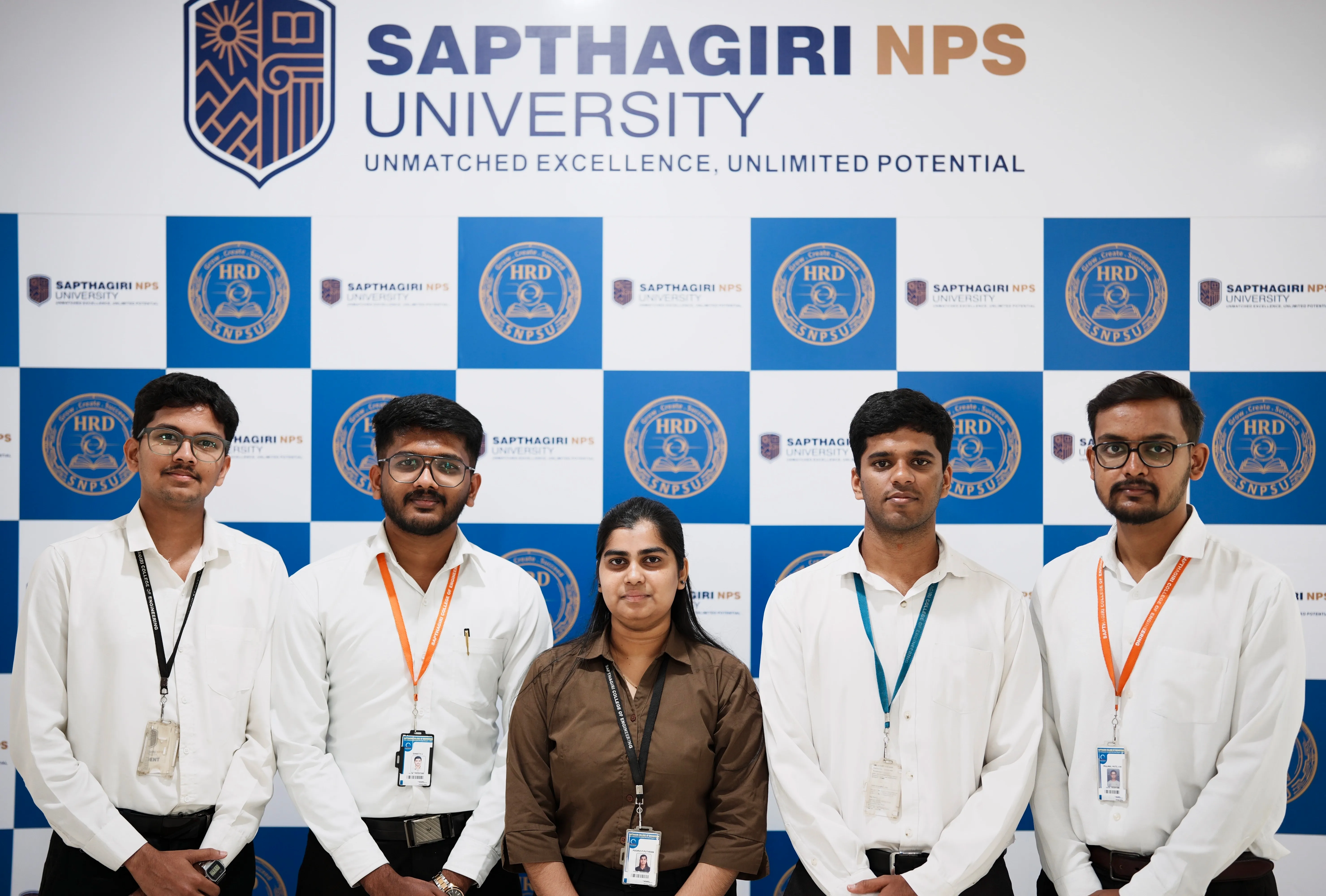
The most valuable internships are those that provide students with meaningful opportunities to learn, contribute and receive guidance.👉 Click Here to Apply for Admission and explore admission opportunities with our university. Students should understand that an internship is not simply an additional certificate added to a resume. It can be a practical learning experience that helps students understand professional expectations and develop skills that are difficult to acquire entirely through classroom learning. Students may learn how to communicate with colleagues, manage deadlines, document their work, respond to feedback and approach unfamiliar problems. They can also gain greater awareness of workplace standards, professional responsibility and teamwork. When academic learning is combined with practical exposure, students can develop a broader understanding of their chosen career path. Engineering Colleges with Internship Opportunities can therefore provide a learning environment where students gradually move from academic concepts towards practical application and professional readiness.
Why Internship Opportunities Matter in Engineering Education
Internship opportunities matter because engineering education is closely connected with practical problem-solving, innovation, technology, creativity and real-world applications. Our university recognises that classroom learning provides students with the fundamental knowledge, concepts and principles required to understand their chosen field, while practical exposure can help them discover how this knowledge is applied within actual organisations, projects and professional environments. Through internships, students can experience situations where academic concepts need to be considered alongside practical requirements, workplace expectations and project objectives. They may observe how professionals identify challenges, understand requirements, evaluate available resources, plan activities and develop practical solutions within defined timelines. This exposure can help students understand that professional work is not limited to finding technically correct solutions; it also involves considering factors such as time, resources, quality, safety, communication, efficiency, reliability, cost and project requirements. Our university encourages students to use internship opportunities as an extension of their academic learning so they can gradually develop a practical mindset and understand how their knowledge can contribute to meaningful outcomes.
👉 Click Here to Apply for Admission and begin your educational journey with our university. An internship can help students understand how professionals approach problems, divide responsibilities and collaborate to achieve common objectives. It can also provide exposure to professional tools, processes and workplace practices. Students may become more confident when they experience situations where they need to apply their knowledge instead of simply remembering information for an examination. Practical exposure can also help students understand their own strengths and areas for improvement. For example, a student may realise that they need to improve communication, presentation, technical knowledge, time management or teamwork after experiencing a professional environment. This awareness can encourage students to use their remaining academic years more effectively. Internship opportunities can therefore become an important bridge between education and employment, helping students understand what may be expected from them after graduation.
Internships can also contribute to career readiness by giving students a clearer understanding of professional expectations. Before entering the workforce, students may have limited experience with workplace communication, project deadlines, professional responsibilities and organisational procedures. Practical exposure can help reduce this gap by allowing students to experience professional environments before beginning their full-time careers. Our university encourages students to observe workplace practices carefully, learn from mentors and professionals, accept constructive feedback and develop a responsible attitude toward their assigned responsibilities. These experiences can help students become more confident when approaching interviews, recruitment processes and future employment opportunities.
Ultimately, internship opportunities can become an important bridge between engineering education and professional practice. They can help students understand how academic knowledge, practical problem-solving, innovation, technology, teamwork and professional responsibility come together in real-world situations. Our university understands the value of providing students with opportunities to gain practical exposure while continuing to strengthen their academic foundation. By experiencing real projects, workplace expectations and practical challenges, students can gradually develop the confidence, adaptability and problem-solving mindset needed for their future careers. Internship experiences can therefore become more than an additional learning activity; they can form an important part of a student's overall professional development and preparation for the workplace.👉 Click Here to Apply for Admission and take the next step toward building a strong academic foundation supported by practical exposure, professional learning and career-focused development through our university.
Internship Opportunities at Our University
| Internship Opportunity | How It Supports Students |
|---|---|
| Industry Exposure | Our university helps students gain practical exposure and understand professional workplace environments. |
| Practical Learning | Students can connect academic concepts with real-world applications through practical experiences and projects. |
| Industry Interaction | Opportunities to interact with professionals can help students understand current workplace expectations and career pathways. |
| Project-Based Experience | Students can participate in practical projects that encourage problem-solving, teamwork and independent thinking. |
| Professional Skills | Internship experiences can help students develop communication, teamwork, time management and workplace skills. |
| Career Exploration | Students can explore different professional environments and gain better clarity about their future career interests. |
| Mentorship & Guidance | Guidance from faculty members and industry professionals can help students make informed decisions about practical opportunities. |
| Resume Development | Relevant internship experiences can strengthen students' professional profiles and provide practical experiences to discuss during recruitment. |
| Industry Readiness | Practical exposure can help students become more familiar with professional responsibilities and workplace expectations. |
| Admission Enquiry | 👉Click Here to Apply for Admission and explore academic opportunities with our university. |
Importance of Practical Exposure for Engineering Students
Practical exposure is an important part of engineering education because it allows students to experience situations that may not be fully represented by classroom exercises. Students can observe how professionals work with real requirements, changing circumstances, deadlines and practical constraints. This exposure can help them understand why theoretical knowledge matters and how it can contribute to solving real problems.👉 Click Here to Apply for Admission and explore engineering programmes with our university. Practical experience can also improve students' ability to analyse situations and make informed decisions. When students participate in projects, they may need to research information, discuss possible approaches, test ideas and make improvements based on results. These experiences can encourage independent thinking and problem-solving. Students can also learn the importance of accuracy, responsibility and professional discipline. Working with other people can strengthen communication and collaboration skills, while receiving guidance from experienced professionals can provide perspectives that may not be available through textbooks alone. Practical exposure can also make students more aware of industry expectations and help them prepare for future interviews and employment opportunities. By experiencing professional environments before graduation, students may find the transition from university to the workplace more manageable. This is why practical exposure is an important factor when evaluating Engineering Colleges with Internship Opportunities.

Our University encourages engineering students to develop practical knowledge through collaborative learning, project-based activities, and industry-oriented experiences. The learning environment helps students strengthen their technical skills while working with modern tools and technologies. Students are encouraged to participate in teamwork, academic projects, and skill-development activities that support their professional growth. Through practical learning and career-focused guidance, Our University helps students build confidence, improve problem-solving abilities, and prepare for future internship and placement opportunities. These experiences support students in becoming skilled, confident, and industry-ready engineering professionals.
Benefits of Choosing Engineering Colleges with Internship Opportunities
Choosing Engineering Colleges with Internship Opportunities can provide students with several benefits that complement their academic education. One of the most important benefits is the opportunity to gain experience before entering full-time employment. Students can learn how organisations function, how teams communicate and how projects are managed. Internship experience can also help students develop professional confidence because they become familiar with workplace expectations.👉 Click Here to Apply for Admission and explore opportunities with our university. Another benefit is career exploration. Students may use internships to understand whether a particular type of professional work matches their interests and abilities. This can help them make more informed decisions about future employment, higher studies and professional development. Internships can also strengthen resumes by demonstrating that students have participated in practical environments in addition to completing academic requirements. Students may develop useful professional contacts through interactions with supervisors, colleagues and other professionals. They can also learn how to communicate ideas, accept feedback and take responsibility for assigned work. Practical exposure may encourage students to become more adaptable because professional environments can involve unfamiliar situations and changing requirements. These experiences can contribute to a stronger overall profile when combined with good academic performance, projects and relevant skill development.
Types of Internship Opportunities Available to Engineering Students
Engineering students can encounter different types of internship opportunities depending on their academic level, interests, career objectives and the organisations offering placements. Some internships are designed around specific projects where students contribute to a defined task or development activity. Others may involve structured workplace training, professional observation or participation in ongoing organisational activities. Research-oriented opportunities can provide exposure to experimentation, analysis, documentation and innovation, while industry-oriented opportunities may focus on practical operations and professional workflows.
👉 Click Here to Apply for Admission and explore admission opportunities with our university. Students may also find opportunities with established companies, startups, research organisations, technology-driven businesses, consulting organisations and other professional institutions. Virtual internships can provide experience with remote collaboration and digital work environments, while physical internships can offer direct workplace exposure. Students should consider the relevance of an internship rather than selecting one simply because it is available. A good opportunity should ideally provide meaningful responsibilities, appropriate guidance and learning outcomes that align with the student's career interests. Students should also consider duration, location, schedule and organisational expectations before accepting an internship. Understanding the different types of opportunities can help students make better decisions and use their internship period effectively.
Industry Exposure Through Internship Opportunities
Industry exposure plays an important role in helping students understand the connection between academic learning and professional practice. Our university recognises that education becomes more meaningful when students are able to understand how the knowledge gained through their academic journey can be applied in practical and professional environments. Through internship opportunities, practical experiences, industry interactions and project-based learning, our university can help students become familiar with the expectations of the professional world. During an internship, students may observe how organisations identify real-world challenges, understand requirements, plan activities, allocate responsibilities, manage resources, communicate with stakeholders and evaluate outcomes. These experiences can help students develop a realistic understanding of how professional environments function beyond the classroom. Our university encourages students to use practical exposure as an opportunity to observe workplace practices, understand professional responsibilities and develop greater confidence in handling real-world situations. Instead of limiting learning to theoretical concepts, students can gradually understand how knowledge, skills, communication, teamwork, time management and problem-solving contribute to professional performance. Industry exposure can also help students recognise the importance of completing responsibilities within deadlines, maintaining quality, accepting feedback and working effectively with others.
👉Click Here to Apply for Admission and explore engineering education opportunities with our university. Industry exposure can also introduce students to professional standards that may not always be obvious in an academic setting. Students may learn the importance of documentation, deadlines, teamwork, quality, confidentiality and responsible communication. Interaction with professionals can provide valuable insights into career development and the skills that organisations expect from graduates. Students may also gain a better understanding of how different roles work together to complete a project. This broader perspective can help students recognise that engineering careers often involve collaboration across multiple functions. Industry exposure can therefore support both technical development and professional maturity. Students who understand industry expectations early can make more informed choices about projects, additional learning and career preparation during their remaining academic years.
Our university also understands that students need opportunities to experience professional environments before beginning their full-time careers. Internship experiences can provide students with valuable exposure to workplace structures, professional communication, organisational procedures and project responsibilities. Through such experiences, students may learn how teams coordinate their activities, how responsibilities are distributed and how professionals work together to achieve common objectives. They can observe how meetings are conducted, how progress is reported, how tasks are reviewed and how feedback is incorporated into ongoing work. This practical understanding can help students become more comfortable with professional expectations and prepare them to approach future employment opportunities with greater awareness. Our university can support students in developing a professional mindset by encouraging them to take responsibility for their assigned work, communicate effectively and learn from every practical experience. Students may also develop a better understanding of the importance of punctuality, discipline, adaptability, professional behaviour and continuous improvement. These qualities can become valuable throughout their academic and professional journey.
How Internships Connect Education With the Workplace
One of the greatest advantages of internship opportunities is their ability to connect academic education with the workplace. Students spend a significant part of their education learning concepts, completing assignments and participating in academic projects, but professional environments introduce additional dimensions such as practical constraints, client expectations, teamwork and deadlines.👉 Click Here to Apply for Admission and begin your academic journey with our university. Internships can help students understand these differences through direct experience. A student may realise that solving a professional problem requires research, communication, testing and several rounds of improvement. They may also discover that successful projects depend on coordination between multiple people. This can change how students approach their academic work because they begin to see the practical purpose behind what they are learning. Students can bring workplace observations back into their academic projects and discussions, making their learning more practical and relevant. The relationship between education and professional experience can therefore become a continuous learning cycle. Academic knowledge provides a foundation for practical work, while practical experience can provide context that strengthens academic understanding.
Internships and Skill Development
Internships can play an important role in developing both technical and professional skills by giving students an opportunity to experience how knowledge and abilities are used in practical working environments. Our university understands that academic learning provides a strong foundation, but practical exposure can help students become more confident in applying what they have learned to real-world situations. During internship opportunities, students may gain experience with professional tools, workplace technologies, project procedures, documentation methods and organisational processes that are commonly used in professional environments. They can learn how to understand project requirements, organise information, follow established procedures, complete assigned responsibilities and contribute toward the successful completion of practical tasks. Such experiences can help students move beyond theoretical understanding and develop a more practical approach to learning. Our university encourages students to use internships as opportunities to observe professional practices, learn from experienced individuals and understand how different responsibilities are managed within an organisation.
👉 Click Here to Apply for Admission and explore engineering opportunities with our university. Professional environments can teach students how to communicate clearly with colleagues, ask questions appropriately and respond constructively to feedback. Working under deadlines can strengthen time-management abilities, while project responsibilities can encourage students to become more organised. Team-based activities can help students understand different working styles and learn how to contribute effectively to group objectives. Students may also become more comfortable presenting their ideas and explaining their work to others. These skills are valuable because engineering careers frequently require professionals to work collaboratively and communicate technical information clearly. Internship experience can therefore complement academic learning by helping students develop a broader set of capabilities that can support their future careers.
Overall, internships supported through our university can contribute to a balanced combination of technical understanding and professional development. Students can gain practical exposure while improving communication, teamwork, time management, presentation, organisation, problem-solving and workplace adaptability. These skills can complement their academic knowledge and help them become better prepared for future professional responsibilities. Our university encourages students to make the most of internship opportunities by remaining curious, accepting feedback, taking responsibility and continuously improving their abilities. The experience gained through internships can become an important part of a student's professional profile and can help demonstrate practical exposure during future career opportunities.
Internships and Professional Confidence
Professional confidence can develop gradually when students gain experience handling responsibilities in real working environments. The transition from university to employment can initially feel challenging because students may be unfamiliar with workplace communication, expectations and professional routines. Internships can provide an intermediate learning experience where students can develop these abilities under guidance.👉 Click Here to Apply for Admission and take the next step towards your future with our university. Students may become more confident after successfully completing assignments, contributing to projects, attending meetings or presenting their work. They can also learn that professional growth involves asking questions and accepting feedback rather than expecting to know everything immediately. Working with experienced professionals can help students understand how to approach unfamiliar situations with patience and curiosity. This can reduce anxiety about entering the workforce after graduation. Confidence developed through genuine practical experience can also help students communicate more effectively during interviews and professional interactions. Engineering Colleges with Internship Opportunities can therefore contribute to professional maturity as well as technical learning.
Internships and Career Exploration
Internships can help students explore different career possibilities before committing to a particular professional direction. Engineering graduates can pursue careers across many industries and professional roles, and students may not always know which environment suits them best during the early years of their education.👉 Click Here to Apply for Admission and explore academic opportunities with our university. Internship exposure can help students understand the type of work they enjoy, the environment in which they perform best and the skills they need to develop further. A student may discover an interest in project-based work, research, product development, consulting, operations, technology or another area through practical experience. This knowledge can help students choose relevant projects, additional training and future opportunities. Career exploration through internships can also prevent students from making decisions based solely on assumptions. Real experience can provide a more accurate picture of professional responsibilities and expectations. Students can then use this understanding to plan their academic and career development more strategically.
Internships and Resume Building
Internship experience can strengthen a student's professional profile when it reflects meaningful learning and practical responsibilities. Employers often want to understand not only what a candidate studied but also how the candidate has applied knowledge in practical situations. 👉Click Here to Apply for Admission and explore engineering education opportunities with our university. Students can include relevant internship experience on their resumes by describing their responsibilities, projects, skills developed and contributions. However, students should avoid treating the internship certificate as the entire value of the experience. During interviews, they may be asked to explain what they worked on, what challenges they encountered and what they learned. Students who have genuinely participated in practical work can usually provide more meaningful answers. Maintaining project notes and documenting learning outcomes can help students prepare for future applications. Internship experience can therefore become a useful component of a professional portfolio when supported by genuine skills and understanding.
Internships and Placement Preparation
Internships can contribute to placement preparation by helping students develop experiences that they can discuss during recruitment processes. During interviews, candidates may be asked about projects, challenges, teamwork, professional experiences and situations where they applied their knowledge.👉 Click Here to Apply for Admission and explore engineering opportunities with our university. Internship experience can provide students with real examples that demonstrate their ability to work responsibly and solve practical problems. Students can prepare by reviewing their internship projects and being ready to explain their individual contribution. They should understand the decisions they made, the challenges they encountered and the lessons they learned. Internship experience may also make students more comfortable with professional communication because they have already interacted with supervisors and colleagues. This can help reduce uncertainty during interviews. Students should remember that internships complement rather than replace academic preparation. Strong fundamentals, communication abilities, project experience and practical exposure can work together to create stronger placement readiness.
Role of Faculty and Mentors in Internship Development
Faculty members and mentors can provide valuable guidance when students search for and complete internships. Students may have many options available, and understanding which opportunities are relevant to their interests can sometimes be difficult. Faculty guidance can help students evaluate opportunities, prepare applications and connect internship experiences with academic goals.👉 Click Here to Apply for Admission and explore admission opportunities with our university. Mentors can also encourage students to reflect on what they learn during an internship and identify areas where additional development is required. Before an internship, students may receive guidance on professional behaviour, communication and preparation. During the experience, students can benefit from advice on handling challenges and maintaining academic balance. After completion, reflection can help students understand how the experience contributes to their career plans. Effective mentorship can therefore make internship experiences more structured and meaningful. Our university supports a learning environment where guidance and professional development can contribute to students' overall growth.
How Students Can Find Internship Opportunities
Students can explore internship opportunities through several channels, and our university can help them understand and navigate these different pathways effectively. Institutional career support, faculty networks, professional platforms, company career pages, industry events, academic projects and personal professional networks can all provide useful avenues for discovering suitable internship opportunities. Our university encourages students to begin exploring these opportunities early rather than waiting until the final stage of their academic journey. Starting early gives students more time to understand different internship requirements, identify suitable organisations, prepare their profiles and apply for opportunities that match their interests and career goals. Many desirable internship opportunities may have specific application deadlines, eligibility requirements, selection processes, skill expectations or documentation requirements, making early preparation particularly valuable. Students can regularly monitor relevant opportunities, maintain an updated resume, prepare a professional introduction and organise important academic and personal information that may be required during applications.
👉 Click Here to Apply for Admission and explore engineering programmes with our university. Students should prepare a clear resume, maintain an appropriate professional profile and develop projects that demonstrate their interests and abilities. They should research organisations carefully before applying and understand the responsibilities associated with each opportunity. Students can also seek guidance from faculty members or mentors when evaluating an internship. Networking can be useful because professional contacts may introduce students to opportunities that are not widely advertised. However, students should always verify internship details and ensure that the organisation and role are genuine. A systematic approach to internship searching can improve the chances of finding opportunities that provide meaningful practical exposure.
How to Choose the Right Internship
Selecting the right internship requires careful consideration of relevance, learning opportunities and professional guidance. Students should first identify what they want to learn and how the internship connects with their longer-term goals.👉 Click Here to Apply for Admission and explore engineering admission opportunities with our university. They should review the organisation, project description, expected responsibilities, duration, location and supervision arrangements. Students should consider whether they will receive genuine practical exposure or simply perform repetitive administrative activities. The quality of mentorship is also important because constructive feedback can significantly improve learning. Students should evaluate whether the internship fits their academic schedule and whether the experience provides opportunities to develop useful skills. Compensation may be relevant, but learning value should also be considered. Students should be cautious about opportunities that make unrealistic promises or request inappropriate payments or personal information. Careful evaluation can help students choose internships that contribute meaningfully to their academic and professional development.
Paid and Unpaid Internship Opportunities
Engineering students may find both paid and unpaid internships, depending on the organisation, role and programme structure. Compensation can be an important factor, especially when students need to consider travel, accommodation and other expenses, but it should not be the only criterion for evaluating an internship.👉 Click Here to Apply for Admission and explore opportunities with our university. Students should examine whether the opportunity provides meaningful responsibilities, proper supervision and relevant learning outcomes. They should understand all conditions before accepting an internship, including working hours, duration and expectations. Students should also be cautious about opportunities that require significant payments without providing clear educational value. Genuine practical exposure and professional mentorship can make an internship valuable even when compensation is not available, provided the arrangement is transparent and appropriate. Students can seek guidance from faculty members or career support teams when they are uncertain about an opportunity. Making informed decisions can help students protect their time and focus on experiences that genuinely contribute to their development.
Virtual Internship Opportunities
Virtual internships have created additional possibilities for students to gain practical exposure through remote work environments. Students can participate in digital projects, collaborate with teams online, attend virtual meetings and use professional communication platforms without being physically present in an organisation.👉 Click Here to Apply for Admission and explore engineering education opportunities with our university. Virtual internships can help students develop self-discipline because remote work often requires effective time management and independent task organisation. Students may also gain familiarity with digital collaboration tools and remote project workflows. These experiences can be particularly useful as many organisations now operate with distributed teams and flexible working arrangements. However, students should carefully evaluate virtual internships to ensure that they involve genuine responsibilities and regular guidance. A structured virtual experience with clear objectives can provide valuable professional learning, while an arrangement without supervision may offer limited benefit. Students should therefore prioritise opportunities that provide meaningful projects, communication with mentors and constructive feedback.
Research and Innovation Internship Opportunities
Research and innovation internships can provide students with opportunities to explore new ideas, investigate problems and participate in development-oriented activities. These experiences can be particularly valuable for students who are interested in advanced learning, experimentation, innovation or future postgraduate studies.👉 Click Here to Apply for Admission and explore academic opportunities with our university. Research environments can teach students how to identify questions, examine existing information, collect evidence, analyse results and communicate findings. Students may also learn that meaningful innovation often requires multiple attempts, testing and refinement. This can develop patience and analytical thinking. Innovation-focused internships can expose students to emerging ideas and encourage students to think beyond established solutions. Such experiences can also inspire academic projects and future research interests. Students should approach research internships with curiosity and a willingness to learn because outcomes may not always be predictable. The experience itself can be valuable in developing a mindset focused on exploration and continuous improvement.
Internships and Industry-Ready Skills
Industry-ready skills are the abilities that help graduates transition effectively and confidently into professional environments after completing their education. Our university recognises that academic qualifications provide an important foundation for a successful career, but students also need practical abilities that help them manage workplace responsibilities, communicate effectively, work with others and respond to changing professional expectations. Industry-ready skills can include technical understanding, communication, teamwork, adaptability, problem-solving, professional discipline, time management, organisation, decision-making and the ability to learn continuously. Internship opportunities can help students develop several of these abilities simultaneously because they provide an environment where students can experience practical responsibilities while receiving guidance from experienced professionals. Rather than developing each skill separately, students can often strengthen multiple abilities while working on a single project or assignment. For example, completing a practical responsibility may require students to understand the task, use appropriate tools, communicate with team members, manage time, respond to feedback and deliver the expected outcome. Our university encourages students to view internships as opportunities for overall professional development rather than simply as short-term training experiences.
👉 Click Here to Apply for Admission and begin your engineering journey with our university. Students can experience deadlines, teamwork, professional communication and practical problem-solving before graduation. They may also learn how to respond when they do not immediately know the answer to a problem. This encourages resourcefulness and independent learning. Industry-ready development is not achieved through a single internship, but internships can provide valuable practical experiences that complement academic learning. Students can use each experience to identify areas for improvement and prepare for increasingly complex responsibilities. When combined with strong academic foundations and project work, internships can contribute to a more complete preparation for professional life.
Internships and Networking Opportunities
Professional networking can develop naturally during internships because students interact with supervisors, colleagues and professionals from different backgrounds. These relationships can provide valuable insight into career paths, workplace expectations and industry developments. 👉 Click Here to Apply for Admission and explore engineering programmes with our university. Students should approach networking professionally by demonstrating reliability, asking thoughtful questions and maintaining respectful communication. Networking is not simply about seeking employment; it can also involve learning from experienced professionals and understanding different career journeys. Students may remain connected with mentors and colleagues after completing internships when appropriate. These professional relationships can provide guidance when students consider future opportunities, projects or higher studies. Developing professional networks early can also help students become more comfortable communicating with people outside their academic environment.
Internships and Leadership Development
Internships can provide opportunities for students to develop leadership qualities by taking responsibility for tasks, coordinating with team members and contributing ideas. Leadership does not always mean managing a large team; it can also involve taking ownership, communicating clearly and helping a group achieve its objectives.👉 Click Here to Apply for Admission and explore engineering opportunities with our university. Students may be given responsibility for specific project activities and learn how to organise their work effectively. They may also experience situations where they need to coordinate with others or resolve practical difficulties. These experiences can build confidence and encourage students to take initiative. Leadership development can be especially valuable because engineering professionals often need to coordinate projects and collaborate with people from different functions. Internship experiences can therefore help students develop leadership habits before they enter full-time professional roles.
Internships and Teamwork
Engineering projects are frequently collaborative, making teamwork an essential professional capability. Internship opportunities allow students to experience how teams communicate, divide responsibilities and coordinate activities.👉 Click Here to Apply for Admission and take the next step towards your education with our university. Students may work with people who have different levels of experience, communication styles and responsibilities. This can teach them the importance of listening, respecting different viewpoints and communicating clearly. Teamwork also requires reliability because one person's delay can affect the work of others. Students can learn how to manage disagreements professionally and focus on common objectives. These lessons can complement academic group projects and help students become more effective collaborators. Strong teamwork skills can be valuable across almost every engineering career environment.
Internships and Problem-Solving
Problem-solving is at the heart of engineering, and internships can provide students with opportunities to experience practical challenges. Real workplace problems may not have straightforward answers and can require research, discussion, testing and multiple improvements.👉 Click Here to Apply for Admission and explore engineering programmes with our university. Students can learn to break complex situations into smaller problems and identify practical approaches. They may also discover that professional solutions must consider time, resources, quality and user requirements. Receiving feedback from experienced professionals can help students improve their approach. These experiences can make students more comfortable with uncertainty and encourage them to remain persistent when initial solutions do not work. Problem-solving developed through internships can complement academic knowledge and help students approach future professional challenges with greater confidence.
Internships and Communication Skills
Effective communication is essential for engineering professionals because technical work often involves explaining ideas to colleagues, managers, clients and other stakeholders. Internship environments can give students opportunities to practise professional communication in real situations.👉 Click Here to Apply for Admission and explore engineering education opportunities with our university. Students may participate in meetings, write professional messages, prepare reports or present project outcomes. These activities can help them learn how to communicate clearly and appropriately in different situations. Students can also learn the importance of listening and asking questions when requirements are unclear. Good communication can reduce misunderstandings and improve teamwork. Internship experience can therefore help students become more confident in communicating technical and professional information.
Internships and Time Management
Time management becomes especially important when students begin working with real project deadlines and responsibilities. Internships can teach students how to prioritise tasks, organise schedules and complete assignments within agreed timelines.👉 Click Here to Apply for Admission and explore opportunities with our university. Students may need to balance several responsibilities and coordinate their work with other team members. This can help them understand the importance of planning rather than waiting until deadlines approach. Supervisors can also provide feedback when tasks are delayed or priorities need to change. These experiences can help students develop habits that remain useful throughout their professional careers. Effective time management can also support academic performance because students learn to organise competing responsibilities more efficiently.
Internships and Professional Discipline
Professional discipline involves punctuality, reliability, responsibility, appropriate communication and consistent commitment to assigned work. Internship environments can help students understand why these qualities matter in professional settings.👉 Click Here to Apply for Admission and begin your academic journey with our university. Students may learn that completing tasks correctly and on time affects the work of an entire team. They may also understand the importance of following organisational procedures and respecting professional expectations. Developing these habits before graduation can make the transition into full-time employment easier. Professional discipline is not simply about following rules; it also involves taking ownership of responsibilities and understanding the impact of one's actions. Internship experience can therefore contribute to professional maturity.
Internships and Lifelong Learning
Engineering professionals need to continue learning because technology, industry practices and workplace requirements constantly change. Internships can introduce students to unfamiliar tools, processes and challenges, encouraging them to learn independently.👉 Click Here to Apply for Admission and explore engineering opportunities with our university. Students may discover that they do not know everything required for a practical task and must research or seek guidance. This experience can develop a positive attitude towards continuous learning. Students can use internship experiences to identify areas where additional courses, certifications, projects or advanced studies may be useful. Lifelong learning is increasingly important in engineering because professionals may need to adapt throughout their careers. Internship experiences can therefore help students develop a mindset that values continuous improvement rather than treating graduation as the end of education.
How Our University Supports Practical Learning
Our university focuses on creating an educational environment where students can develop strong academic knowledge alongside practical awareness, professional skills and career readiness. We understand that effective education is not limited to classroom instruction or theoretical understanding. Students also benefit from opportunities that allow them to explore how their knowledge can be applied in practical situations, understand professional expectations and gradually develop the confidence required to enter the workplace. Our university therefore encourages a learning approach that can connect academic concepts with practical experiences through projects, experiential activities, industry interaction, professional guidance and opportunities for applied learning. These experiences can help students understand the relevance of what they study and encourage them to become active participants in their own learning journey. By combining academic preparation with practical awareness, our university aims to help students develop a balanced foundation that can support both higher learning and future professional responsibilities.
👉 Click Here to Apply for Admission and explore the opportunities available with our university. Students can use their academic years to build a combination of knowledge, skills and practical understanding that supports their future goals. Guidance from faculty members and mentors can help students understand how academic learning connects with professional development. Students can also participate in activities that strengthen teamwork, communication, leadership and problem-solving. The objective is to encourage students to become active learners who are prepared to take responsibility for their professional growth. Internship opportunities can become an important part of this broader learning journey by giving students exposure to professional environments and practical responsibilities.
Our university also encourages students to take responsibility for their own professional development. While institutional support and guidance can provide valuable direction, students can benefit greatly from actively participating in learning opportunities and seeking experiences that complement their goals. Students can explore internships, participate in projects, attend professional events, develop portfolios, seek mentorship and continuously improve their skills. Our university can provide an environment that supports these efforts while encouraging students to remain proactive and committed to their development. This combination of institutional support and individual initiative can create a stronger foundation for long-term career growth.
How Parents Can Evaluate Engineering Colleges with Internship Opportunities
Parents and students comparing Engineering Colleges with Internship Opportunities should evaluate internship support carefully rather than relying only on general promotional claims. They can consider whether the institution provides career guidance, industry interaction, project opportunities and assistance in identifying relevant internships.Our university believes that students and parents should look beyond simple statements about internships and consider the overall learning environment, available guidance, practical opportunities and level of student support. They can explore whether the institution provides structured career guidance, industry interaction, project-based learning, professional mentoring and assistance in identifying relevant internship opportunities. It is also useful to understand whether students are encouraged to participate in practical activities and whether they receive appropriate guidance while preparing for internship applications, interviews and workplace experiences.
👉 Click Here to Apply for Admission and explore opportunities with our university. Parents can also ask about how students are prepared for internships, whether guidance is available during the process and how practical experiences are connected with academic learning. It is useful to understand that internship availability can vary according to student interests, performance, academic level, industry requirements and opportunity cycles. Therefore, the quality and relevance of internships are often more meaningful considerations than simply counting the number of opportunities. Students should also be encouraged to take initiative by preparing their resumes, developing skills and applying for suitable roles. A strong institution can provide guidance and an enabling environment, while students must actively participate in their own professional development.
Career guidance is another important factor that parents and students can consider when evaluating internship support. Finding a suitable internship can sometimes require research, preparation and an understanding of professional expectations. Our university encourages students to seek guidance when identifying suitable opportunities, preparing professional profiles and understanding application requirements. Students can benefit from support that helps them recognise their interests, understand their strengths and identify opportunities that complement their career goals. They can also consider whether the institution provides guidance related to resume preparation, interview readiness, professional communication and workplace behaviour. Such support can help students approach internship opportunities in a more organised and confident manner.
How Students Can Make the Most of an Internship
Students can maximise the value of an internship by approaching it as a learning opportunity rather than simply a compulsory academic requirement. Before beginning, students should understand the organisation, project, responsibilities and expected outcomes. During the internship, they should observe carefully, ask relevant questions, maintain professional behaviour and seek feedback.👉 Click Here to Apply for Admission and explore engineering opportunities with our university. Students should take ownership of their assigned responsibilities and make an effort to understand how their work contributes to a larger project. They can maintain notes about important lessons, challenges and solutions so that they can reflect on the experience later. Students should also develop relationships respectfully and communicate professionally with supervisors and colleagues. After completing the internship, they can review what they learned and identify skills that need further improvement. This reflective approach can turn an internship into a meaningful step in their professional development.
Learning Through Real Project Environments
Real project environments can provide a different and highly valuable learning experience because students may encounter practical problems that do not have a single predetermined answer. Our university recognises that classroom learning often provides students with structured questions, defined objectives and established methods of approaching academic tasks, while real projects can require students to think more independently and respond to situations that may change during the course of the work. During an internship, students may be expected to understand a requirement, examine available information, identify relevant challenges, suggest an appropriate approach, complete an assigned task and revise their work based on feedback. This process can help students understand that professional problem-solving often involves analysis, discussion, experimentation, evaluation and continuous improvement rather than simply arriving at one correct answer. Our university encourages students to use practical project experiences as opportunities to apply their academic knowledge, develop professional judgement and understand how real-world responsibilities are managed.
👉 Click Here to Apply for Admission and explore engineering education opportunities with our university. This process can encourage students to think independently and understand the importance of iteration. A first attempt may not always produce the desired outcome, and students may need to analyse what went wrong before trying another approach. Such experiences can strengthen patience and resilience. Project environments can also teach students how individual responsibilities contribute to larger objectives. A task that appears small may affect the work of several other team members, making reliability particularly important. Students can therefore develop a stronger appreciation for planning and coordination. The practical lessons gained from project environments can complement academic assignments and help students understand why engineering requires both technical knowledge and disciplined execution.
Internship Mentorship and Guided Learning
Mentorship can significantly influence the quality of an internship because students often need guidance when entering an unfamiliar professional environment. A good mentor can help students understand responsibilities, clarify expectations, provide feedback and encourage them to think critically about their work.👉 Click Here to Apply for Admission and take the next step towards your academic journey with our university. Mentorship can also help students understand professional behaviour and communication. Instead of simply correcting mistakes, effective mentors can explain why a particular approach may be more appropriate and encourage students to develop independent judgement. Students can benefit by asking thoughtful questions and actively seeking feedback. They should also remain open to constructive criticism because feedback can reveal weaknesses that may not be obvious to them. The relationship between an intern and mentor can become an important learning experience because it introduces students to professional guidance and career perspectives. Students can carry lessons from effective mentorship into future academic projects and professional relationships.
Internships and Independent Decision-Making
Independent decision-making is an important ability for engineering professionals, and internship opportunities can provide students with valuable opportunities to gradually develop this capability through practical experience. Our university understands that academic assignments often provide students with detailed instructions, clearly defined objectives and structured methods for completing a task, whereas professional projects may require individuals to determine how to approach a responsibility within broader guidelines. During an internship, students may be given an objective or expected outcome without being provided with every individual step needed to achieve it. This can encourage them to think independently, understand the requirement, identify the information they need, consider possible approaches and decide how to proceed. Such experiences can help students become more comfortable with making responsible decisions while understanding when they should seek guidance from supervisors or experienced professionals.
👉 Click Here to Apply for Admission and explore engineering opportunities with our university. Students may need to research possible solutions, compare alternatives and explain why they recommend a particular approach. They can learn that decision-making should be based on evidence, requirements and practical considerations rather than assumptions. Supervisors can provide oversight while allowing students to take appropriate responsibility for their work. This balance can help students develop confidence without encouraging them to act beyond their level of competence. Independent decision-making also teaches students to recognise when they need additional guidance. Knowing when to make a decision independently and when to consult an experienced professional is an important part of professional maturity.
Ultimately, internship opportunities can provide an important foundation for developing independent decision-making skills. Our university aims to help students become confident learners who can analyse situations, understand requirements, consider alternatives, make responsible choices and learn from outcomes. By experiencing professional environments where tasks may be guided by broader objectives rather than detailed step-by-step instructions, students can gradually develop greater independence and professional judgement. This experience can complement academic learning and help students become better prepared for future responsibilities.
Internships and Professional Ethics
Professional ethics are an essential part of engineering because technical decisions can influence organisations, communities, users and the wider environment. Internship experiences can introduce students to expectations surrounding honesty, confidentiality, responsible communication, quality and accountability.👉 Click Here to Apply for Admission and begin your engineering education journey with our university. Students may learn that professional integrity involves reporting information accurately, respecting organisational policies and acknowledging mistakes rather than hiding them. They may also become aware of the importance of protecting confidential information and using organisational resources responsibly. These lessons can shape professional behaviour long after the internship ends. Engineering education should therefore encourage students to understand that technical ability must be combined with responsible decision-making. Practical exposure can make these principles more tangible because students can observe how professional teams manage responsibilities and consequences. Students who develop ethical awareness early can become more thoughtful professionals who understand the importance of trust and accountability.
Internships and Quality Awareness
Quality awareness develops when students understand that professional work must meet defined standards and expectations. During an internship, students may experience processes involving review, testing, verification, documentation and feedback.👉 Click Here to Apply for Admission and explore opportunities with our university. These processes can teach students that producing an initial solution is only one part of completing a professional task. Work may need to be checked, improved and validated before it is accepted. Students can learn to pay attention to details and understand how small errors can affect larger outcomes. Quality awareness can also encourage students to develop systematic working habits. Instead of rushing to complete tasks, students can learn the value of reviewing their work and seeking feedback. These habits can contribute to stronger academic projects as well as future professional performance. Internship exposure can therefore help students develop an appreciation for quality as an ongoing process rather than a final inspection.
Internships and Documentation Skills
Documentation is an important part of professional engineering because projects often involve information that must be communicated, reviewed, updated and maintained over time. Our university recognises that effective professional work is not limited to developing solutions or completing tasks; it also requires individuals to record information clearly so that other team members, supervisors and stakeholders can understand the work that has been completed. Internship experiences can introduce students to different forms of professional documentation, including reports, project records, technical notes, presentations, process documents, progress updates, meeting records and other forms of workplace communication. Through practical exposure, students can begin to understand why accurate and well-organised documentation is important for maintaining consistency, supporting collaboration and communicating project information effectively.
👉 Click Here to Apply for Admission and explore engineering programmes with our university. Students can learn that clear documentation helps teams understand what has been completed, what remains pending and why particular decisions were made. Good documentation can also support continuity when team members change or projects develop over time. Students may initially view documentation as a routine responsibility, but professional exposure can help them understand its practical value. Developing the ability to organise information clearly can improve both written and verbal communication. These skills can be useful during academic projects, presentations and future employment. Students who learn to document their work carefully can also build stronger records of their internship achievements for future career applications.
Internships and Presentation Abilities
The ability to explain work clearly is valuable for engineering professionals because technical ideas often need to be communicated to people with different levels of technical knowledge. Internships may provide students with opportunities to present progress, explain project outcomes or participate in discussions.👉 Click Here to Apply for Admission and explore admission opportunities with our university. These experiences can help students become more comfortable speaking about their work and responding to questions. Students can learn to organise information logically and focus on the points most relevant to their audience. Presentation experience can also teach students how to respond when they do not know an answer. Instead of guessing, students can learn to acknowledge uncertainty and explain how they would find the required information. These communication habits can contribute to professional confidence and become useful during interviews, meetings and future leadership responsibilities.
Internships and Adaptability
Adaptability is increasingly important because professional environments can change rapidly due to new technologies, customer requirements, organisational priorities and market conditions. Internship experiences can help students understand that plans do not always remain unchanged.👉 Click Here to Apply for Admission and explore engineering education opportunities with our university. Students may need to adjust their approach when requirements change or when an initial solution proves ineffective. Such situations can encourage flexible thinking and help students become more comfortable with uncertainty. Adaptability does not mean abandoning structure; it means responding intelligently to new circumstances while maintaining clear objectives. Students can develop this ability by learning from supervisors, observing experienced professionals and reflecting on how teams respond to change. This can become an important professional capability after graduation.
Internships and Creative Problem-Solving
Creative problem-solving involves looking beyond obvious solutions and considering alternative ways to address a challenge. Internship environments can expose students to situations where standard approaches may not be sufficient because of practical limitations.👉 Click Here to Apply for Admission and begin your academic journey with our university. Students may be encouraged to suggest improvements, explore alternatives or identify ways to make a process more efficient. These experiences can help students understand that innovation often begins with carefully observing an existing problem. Creativity can also involve improving a familiar process rather than inventing something entirely new. Students can strengthen this ability by asking why a process works in a particular way and whether there may be a better approach. Internship exposure can therefore complement academic learning by encouraging practical creativity and thoughtful experimentation.
Internships and Workplace Collaboration
Professional collaboration involves more than simply working alongside other people. It requires individuals to understand their responsibilities, share relevant information, coordinate schedules, communicate clearly and contribute toward common objectives. Our university recognises that effective teamwork is an important part of professional development because many workplace projects depend on people with different responsibilities working together in an organised manner. Internship opportunities can introduce students to this reality by giving them opportunities to participate in team projects, workplace discussions, meetings, practical activities and collaborative assignments. Through these experiences, students can begin to understand how individual contributions are connected to larger project outcomes. They may learn that completing their own responsibility on time can influence the progress of other team members and that clear communication is necessary when information, priorities or timelines change.
👉 Click Here to Apply for Admission and explore opportunities with our university. Students may discover that effective collaboration requires clear communication and respect for different perspectives. They can learn how to contribute ideas without ignoring the experience of others. They may also learn how to receive suggestions and make changes to their work when necessary. These experiences can strengthen interpersonal skills and help students become more effective team members. Collaboration learned through internships can complement academic group work and prepare students for professional environments where teamwork is often essential.
Internships and Time-Bound Responsibilities
Professional projects often operate within specific deadlines, and internship experiences can help students understand the importance of completing responsibilities on time. Academic deadlines are important, but professional delays can affect an entire team, project or client commitment.👉 Click Here to Apply for Admission and take the next step towards your education with our university. Students may learn to break larger responsibilities into smaller tasks and estimate the time required for completion. They can also learn to communicate early when unexpected difficulties may affect a deadline. This approach is more effective than waiting until the final moment to report a problem. Time-bound responsibilities can therefore teach students planning, prioritisation and professional communication. These habits can remain valuable throughout their careers.
Internships and Feedback-Based Improvement
Feedback is an essential part of professional development, and internships can give students opportunities to receive feedback from experienced individuals. Students may receive comments on their work, communication, technical approach or professional behaviour.👉 Click Here to Apply for Admission and explore engineering education opportunities with our university. Learning to accept feedback positively can help students improve more quickly. Students should focus on understanding the reason behind feedback rather than viewing criticism as a negative judgement. They can ask for clarification when necessary and apply suggestions to future tasks. Over time, this process can help students recognise patterns in their strengths and weaknesses. Feedback-based learning can also encourage students to become more self-aware and proactive about their development.
Internships and Building a Professional Portfolio
A professional portfolio can provide evidence of a student's practical interests, projects and development. Internship experiences can contribute useful material to such a portfolio when students are permitted to document their work appropriately.👉 Click Here to Apply for Admission and explore engineering programmes with our university. Students can maintain records of non-confidential projects, presentations, achievements and skills developed during their internship. A portfolio can help students communicate their capabilities during future applications. It can also encourage students to reflect on their progress over time. Students should always respect organisational confidentiality and avoid sharing restricted information. A carefully prepared portfolio can complement a resume by providing a clearer picture of the student's practical abilities and interests.
Internships and Career Direction
Students often enter engineering education with broad career interests that become more specific as they gain experience. Internships can help students refine these interests by exposing them to different professional responsibilities.👉 Click Here to Apply for Admission and begin your academic journey with our university. Students may discover that they prefer certain types of work, organisational environments or professional responsibilities. This knowledge can help them make better decisions about future opportunities. Career direction should not necessarily be fixed during the first internship; students can continue exploring as they gain more experience. What matters is developing greater awareness of personal strengths, interests and professional possibilities. Internship experiences can therefore contribute to informed career planning rather than simply serving as temporary work experiences.
Internships and Personal Responsibility
Personal responsibility becomes increasingly important as students move towards professional life. Internship environments can help students understand that their actions influence project outcomes and other team members.👉 Click Here to Apply for Admission and explore opportunities with our university. Students may need to manage their own schedules, complete assignments without constant supervision and communicate when support is required. These responsibilities can encourage greater independence and maturity. Students can also learn that mistakes are part of learning but should be addressed honestly and responsibly. Taking ownership of both successes and challenges can strengthen professional character. These qualities can become valuable throughout academic and professional life.
Internships and Exposure to Real-World Constraints
Academic exercises often provide controlled conditions, whereas professional environments involve practical constraints. An internship can expose students to limitations related to budgets, schedules, resources, regulations, user expectations and operational requirements.👉 Click Here to Apply for Admission and explore engineering opportunities with our university. Students can learn that the technically ideal solution may not always be the most practical option. Engineers often need to balance multiple considerations while maintaining required standards. Understanding these trade-offs can develop more realistic problem-solving abilities. Students may also become more aware of why planning and prioritisation matter in professional projects. Real-world constraints can therefore provide valuable context that strengthens academic understanding.
Internships and Professional Networking
An internship can create opportunities for students to meet professionals who have experience in different roles and career paths. These interactions can help students learn about professional journeys and industry expectations.👉 Click Here to Apply for Admission and explore admission opportunities with our university. Students can develop professional relationships by communicating respectfully, showing reliability and asking thoughtful questions. Networking should be approached as a learning opportunity rather than simply a way to seek employment. A professional connection may provide guidance, feedback or information about future opportunities. Students should maintain appropriate professional boundaries and respect organisational expectations. Over time, meaningful professional relationships can become part of a student's broader career development.
Internships and Preparation for Future Responsibilities
Internship experiences can help students understand that professional responsibilities increase gradually as knowledge and confidence develop. Early responsibilities may involve supporting specific tasks, while future roles may require planning, coordination and decision-making.👉 Click Here to Apply for Admission and take the next step towards your future with our university. Students can observe how experienced professionals handle responsibility and learn from their approaches. They can also begin developing habits that will support greater responsibility later in their careers. This gradual exposure can make professional growth feel more manageable because students understand that expertise develops over time. An internship can therefore provide an early foundation for taking responsibility confidently.
Making Internship Experience More Meaningful
Students can make an internship more meaningful by preparing before they begin, remaining curious during the experience and reflecting afterwards. Before joining an organisation, students can research its work and understand the responsibilities associated with the role.👉 Click Here to Apply for Admission and explore engineering programmes with our university. During the internship, students can maintain notes, ask relevant questions and seek constructive feedback. They should try to understand the purpose behind their tasks rather than completing them mechanically. After the internship, students can review what they learned, identify new interests and consider which skills they should strengthen. This three-stage approach can help students gain more value from practical exposure. The objective should be meaningful learning that contributes to long-term professional development.
What Students Should Avoid During Internships
Students should approach internships professionally and avoid behaviours that can reduce the value of the experience. They should not ignore instructions, repeatedly miss deadlines, misuse organisational resources or share confidential information.👉 Click Here to Apply for Admission and explore opportunities with our university. Students should also avoid pretending to understand something when clarification is needed. Asking appropriate questions is generally better than making avoidable mistakes. They should respect colleagues and supervisors and remain open to feedback. Students should also avoid treating the internship only as a certificate requirement because doing so can limit the learning they gain. Professional behaviour during internships can influence both the student's development and the way others perceive their readiness for future responsibilities.
How Engineering Students Can Prepare Before Graduation
Students can use their internship experiences to plan the remainder of their academic journey more effectively. After completing an internship, they can identify skills that need improvement and select projects, training opportunities or additional learning accordingly.👉 Click Here to Apply for Admission and explore engineering education opportunities with our university. Students can also update their resumes and portfolios with relevant experiences and prepare examples that demonstrate their practical abilities. They can continue building professional networks and exploring career possibilities. By combining academic performance with practical exposure, students can create a stronger foundation for recruitment and future professional development. Preparation should be continuous rather than limited to the final year.
The Value of Internship Opportunities Beyond a Certificate
The true value of an internship lies in the knowledge, confidence, professional awareness and practical understanding students gain from the experience. A certificate can confirm participation, but meaningful learning can influence how students approach future projects, interviews and professional responsibilities.👉 Click Here to Apply for Admission and begin your academic journey with our university. Students who actively engage with their internship can develop habits of curiosity, accountability and continuous improvement. They may become better prepared to communicate their abilities and explain their experiences during future opportunities. The lessons gained can also influence career decisions and encourage students to pursue areas that match their strengths. An internship should therefore be viewed as part of a broader development journey rather than an isolated academic requirement.
Frequently Asked Questions – Engineering Colleges with Internship Opportunities
1. What are Engineering Colleges with Internship Opportunities?
Engineering Colleges with Internship Opportunities are institutions that provide students with opportunities to gain practical exposure alongside their academic education. Our university focuses on creating a learning environment where students can develop academic knowledge while gaining practical awareness, professional skills and career readiness. Internship opportunities can allow students to experience workplace environments, participate in practical projects, understand professional responsibilities and observe how organisations approach real-world challenges. Through internships and other experiential learning activities, students can begin to understand how classroom knowledge can be applied in practical situations. Our university encourages students to use these opportunities to develop communication, teamwork, problem-solving, time management, adaptability and professional discipline. The objective is to help students build a balanced educational foundation that supports both academic growth and future professional development.
2. Why are internship opportunities important for engineering students?
Internship opportunities are important because they can help students understand the connection between academic learning and professional practice. Our university recognises that classroom education provides foundational knowledge, while practical exposure can help students understand how that knowledge is used within real projects and organisations. During internships, students may encounter practical requirements involving deadlines, resources, quality, communication, teamwork and project objectives. These experiences can help students develop a more realistic understanding of workplace expectations. Our university encourages students to approach internships as an extension of their learning journey, where they can apply knowledge, learn from professionals and develop greater confidence in handling practical responsibilities.
3. How does our university support students looking for internship opportunities?
Our university aims to provide an educational environment that supports practical learning and professional development. Students can benefit from project-based learning, experiential activities, industry interaction, professional guidance and career-oriented support. Our university encourages students to explore suitable internship opportunities early, understand application requirements and prepare themselves for professional environments. Guidance can also help students understand how to present their academic achievements, projects, skills and practical experiences when applying for opportunities. By encouraging students to take an active role in their professional development, our university can help them make better use of internship experiences and prepare for future career opportunities.
4. What skills can students develop through internships?
Internships can help students develop a combination of technical, professional and interpersonal skills. Our university encourages students to use practical experiences to strengthen problem-solving, communication, teamwork, time management, organisation, adaptability and professional discipline. Students may also gain experience with professional tools, documentation, project processes and workplace communication. By working on practical responsibilities, they can learn how to understand requirements, manage tasks, respond to feedback and contribute toward common objectives. These skills can complement academic knowledge and help students become more confident when transitioning from education into professional environments.
5. When should students start searching for internships?
Students should ideally begin exploring internship opportunities well before they need to complete their internship requirement. Our university encourages students to start early because desirable opportunities may have specific deadlines, eligibility conditions and selection procedures. Early preparation gives students sufficient time to research organisations, identify suitable opportunities, improve their resumes, develop relevant skills and prepare for interviews. Students can also use this time to understand their interests and identify the type of practical experience that could support their future career goals. Beginning early can reduce last-minute pressure and allow students to make more informed decisions.
6. Where can students find suitable internship opportunities?
Students can explore internship opportunities through several channels, including institutional career support, faculty networks, professional platforms, company career pages, industry events, academic projects and professional contacts. Our university encourages students to use multiple sources rather than depending on a single platform. Faculty members and career-support teams can provide guidance, while professional platforms and company career pages can help students identify current openings. Industry interactions and academic projects can also introduce students to professional networks and potential opportunities. By exploring different channels consistently, students can improve their chances of identifying internships that align with their interests, skills and career objectives.
7. How do internships help students understand real-world project environments?
Internships can introduce students to project environments where problems may not have a single predetermined answer. Our university encourages students to gain practical exposure so they can understand how professionals approach requirements, analyse available information, consider different solutions and complete responsibilities within defined expectations. During an internship, students may need to understand a task, suggest an approach, complete assigned work and revise it after receiving feedback. These experiences can help students develop independent thinking, practical problem-solving and adaptability. They can also understand that professional projects often involve changing requirements, resource limitations, deadlines and quality expectations.
8. Can internships improve communication and teamwork skills?
Yes, internship opportunities can contribute significantly to communication and teamwork development. Our university recognises that professional projects often require individuals to share information, coordinate responsibilities and work toward common objectives. During internships, students may participate in meetings, team discussions, presentations, project activities and professional interactions. These experiences can help them learn how to communicate clearly, listen to others, provide updates, ask questions and respond constructively to feedback. Working with different team members can also help students understand the importance of cooperation, accountability, mutual respect and timely communication in achieving successful project outcomes.
9. How can internship opportunities help students become industry-ready?
Internship opportunities can help students become more familiar with workplace expectations before they graduate. Our university believes that industry readiness involves more than academic qualifications; students also need practical awareness, professional discipline, communication skills, adaptability and problem-solving ability. Internship experiences can give students opportunities to observe professional practices and participate in practical responsibilities. They may learn how to manage deadlines, communicate with colleagues, respond to feedback and take ownership of assigned work. Such experiences can make students more confident when entering professional environments and can help them understand the responsibilities associated with their future careers.
10. Do internships help students build stronger professional profiles?
Internship experiences can contribute to a stronger professional profile when students gain meaningful practical exposure and can clearly communicate what they learned. Our university encourages students to maintain records of their projects, responsibilities, practical experiences and skills developed during internships. Students can use these experiences when preparing resumes, professional profiles and interview responses. Rather than simply mentioning that they completed an internship, students can explain the responsibilities they handled, challenges they encountered, skills they developed and lessons they learned. This can help demonstrate practical awareness and professional growth to potential employers.
11. What should students consider when comparing Engineering Colleges with Internship Opportunities?
Students and parents comparing Engineering Colleges with Internship Opportunities should evaluate the overall practical learning environment rather than relying only on promotional statements. Our university believes students should consider factors such as career guidance, industry interaction, project opportunities, mentorship, experiential learning and support for identifying relevant internships. They can also examine how practical learning is connected with academic education and whether students receive opportunities to develop professional skills. It is important to understand whether internships are treated as meaningful learning experiences rather than simply as certificate-based activities. A strong combination of academic preparation, practical exposure and professional guidance can provide students with a more comprehensive foundation for future career development.
12. How can students make the most of internship opportunities through our university?
Students can make the most of internship opportunities by approaching practical experiences with curiosity, responsibility and a willingness to learn. Our university encourages students to participate actively in projects, industry interactions, professional activities and internship experiences while seeking guidance whenever necessary. Students should observe workplace practices, ask meaningful questions, accept feedback and take responsibility for their assigned tasks.
They can also reflect on what they learn and identify areas where they need to develop further. Maintaining professional discipline, communicating effectively and completing responsibilities sincerely can make an internship more valuable. 👉 Click Here to Apply for Admission and explore opportunities through our university that can help connect academic learning with practical exposure, professional skill development and career readiness.
Future of Internship Opportunities in Engineering Education
The future of Engineering Colleges with Internship Opportunities is likely to become increasingly connected with changing technologies, flexible work models, digital collaboration and industry-focused learning. Students may gain practical exposure through a combination of physical internships, remote projects, virtual collaboration, industry assignments and research experiences.👉 Click Here to Apply for Admission and begin your engineering journey with our university. Organisations may increasingly seek students who can adapt quickly, learn independently and collaborate across digital environments. This makes practical exposure particularly valuable because it helps students become familiar with changing professional expectations before graduation. Future internships may also place greater emphasis on innovation, sustainability, responsible technology and interdisciplinary collaboration. Students who develop strong academic foundations alongside practical experience can be better prepared to adapt to these changes. Educational institutions can play an important role by creating connections between students, faculty and professional organisations. As engineering continues to evolve, internships can remain an important bridge between education and the workplace.
Engineering Internship Opportunities – Enquiries & Admission Contact
| Contact | Details |
|---|---|
| Internship Enquiries | 👉 Click Here to Know More |
| Engineering Admission Enquiry | 👉 Click Here to Apply for Admission |
| Admissions Support | 👉 Click Here to Speak to Our Admission Team |
| Career & Internship Guidance | 👉 Click Here to Get More Information |
| Phone | 👉 9900072632 |
| University Enquiries | 👉 Click Here to Contact Our University |
The Role of Internships in Shaping Engineering Careers
Choosing Engineering Colleges with Internship Opportunities can be an important step for students who want to combine academic education with practical exposure and professional development. Internships can help students understand workplace expectations, apply knowledge, develop confidence, improve communication, strengthen teamwork, explore career possibilities and prepare for future employment. They can also encourage students to become independent learners who are willing to take responsibility, accept feedback and continuously improve their skills. However, students should remember that an internship is most valuable when it provides meaningful learning rather than simply a certificate. When evaluating institutions, students and parents should consider the overall academic environment, practical learning opportunities, industry interaction, faculty guidance, project exposure, career preparation and student development. Our university aims to support students in building a strong combination of knowledge, practical awareness, professional skills and confidence for their future.
👉 Click Here to Apply for Admission and take the first step towards your engineering education journey with our university. A thoughtfully planned academic experience can help students prepare for changing professional expectations and develop the ability to adapt throughout their careers. Internship opportunities can become an important part of this journey by giving students an early understanding of professional environments and real-world responsibilities. With the right combination of education, practical exposure, guidance and personal effort, students can move towards graduation with greater confidence and a clearer understanding of their future goals.
Leave a Comment