

B.E. 2026 Batch Inauguration & Orientation Programme | Our University
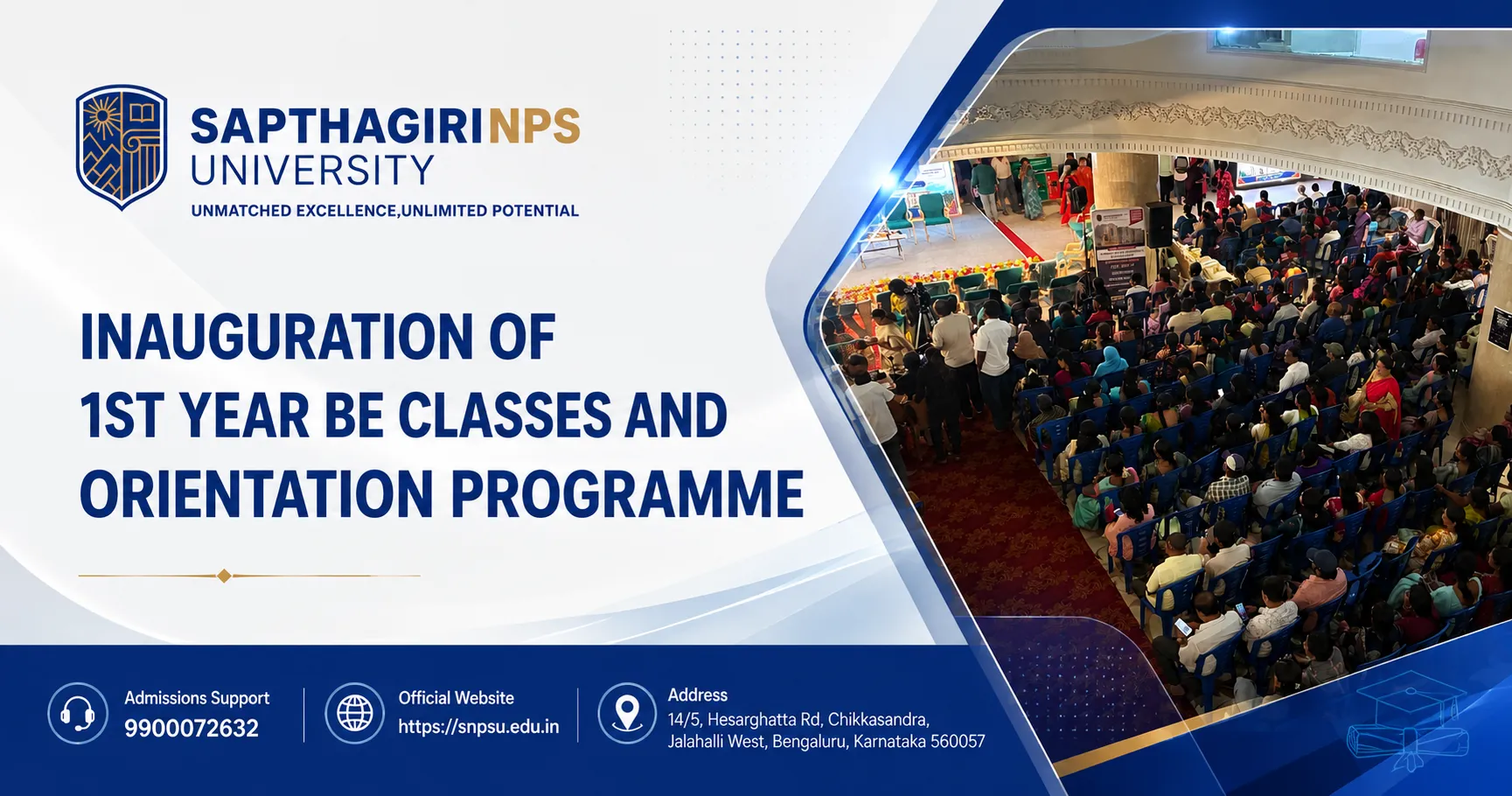
Inauguration of Engineering Classes – Welcoming the B.E. 2026 Batch
A New Beginning with the Inauguration of Engineering Classes
The Inauguration of Engineering Classes marks a significant milestone in the academic journey of our newest engineering students. It is the moment when students formally begin their transition into university-level engineering education and take their first steps towards developing technical knowledge, practical understanding, professional skills and confidence. For our B.E. 2026 Batch, the Inauguration of 1st Year B.E. Classes and Orientation Programme created a meaningful beginning to this important academic journey. The programme was held on 31 August 2026 from 8:30 AM onwards at the A Block – University Building, bringing together our first-year B.E. students, parents, academic leadership, faculty members and members of our university community. The gathering reflected the enthusiasm and expectations associated with starting a new engineering programme. Students arrived with aspirations for their future, while parents joined them to witness an important milestone in their children's education. The occasion created an opportunity to welcome the new batch into our academic environment and encourage students to begin their engineering education with curiosity, discipline, confidence and purpose. The inauguration was not simply the formal opening of engineering classes. It represented the beginning of a broader educational experience in which our students will progressively develop foundational knowledge, practical skills, analytical abilities, communication capabilities, teamwork, innovation and professional responsibility. As the B.E. 2026 Batch moves from the inauguration programme into regular engineering classes, our students begin a journey that can shape their academic interests, professional aspirations and personal development.
Welcoming the B.E. 2026 Batch to a New Academic Journey
The arrival of a new engineering batch brings fresh enthusiasm and new aspirations into our academic community. Our B.E. 2026 Batch begins its university journey at an important stage of education, where students move from familiar academic environments into a more independent and professionally focused learning experience. The inauguration of engineering classes provided a shared platform for students to recognise the significance of this transition. Every student begins with individual interests and aspirations, and the first year provides valuable time to explore these interests while building a strong academic foundation. Some students may already have a clear idea about the area of engineering they wish to pursue, while others may discover their interests through classroom subjects, practical activities and projects. Our university encourages students to remain open-minded and use their early academic experiences to understand their strengths. The beginning of engineering classes is therefore both a formal academic milestone and an opportunity for personal discovery. We warmly welcome every student joining the B.E. 2026 Batch and look forward to supporting them throughout their journey.
Significance of the Inauguration of Engineering Classes
The Inauguration of Engineering Classes represents the formal beginning of first-year engineering education, but its significance extends beyond the first day of classes. It introduces students to the responsibilities and opportunities associated with university education. Engineering requires students to develop technical knowledge while also learning how to analyse problems, apply concepts, work with others and communicate ideas effectively. The inauguration programme provided an opportunity to establish a positive beginning and remind students that their engineering journey will involve continuous learning and development. The event also brought students and parents together, creating a sense of shared participation in this important milestone. For many students, the occasion becomes one of their first memorable experiences as members of a university community. The beginning of classes sets the foundation for the academic years ahead and encourages students to approach their education with seriousness and enthusiasm.
First-Year B.E. Classes and Academic Orientation
The first-year B.E. classes provide the foundation for the technical learning that students will experience throughout their engineering programme. During the initial stage of their education, students begin developing familiarity with university-level subjects, academic expectations and new learning methods. The orientation programme supports this transition by creating an environment in which students can begin understanding the nature of their academic journey. Our students are encouraged to recognise that university learning requires active participation. Attending classes regularly, preparing for lessons, completing academic work on time and asking questions are important habits that can contribute to steady progress. The first-year experience is an opportunity to establish these habits and develop a responsible approach to education. As students become more comfortable with the academic environment, they can gradually take greater ownership of their learning and explore areas that interest them.
A Memorable Orientation Programme for Students and Parents
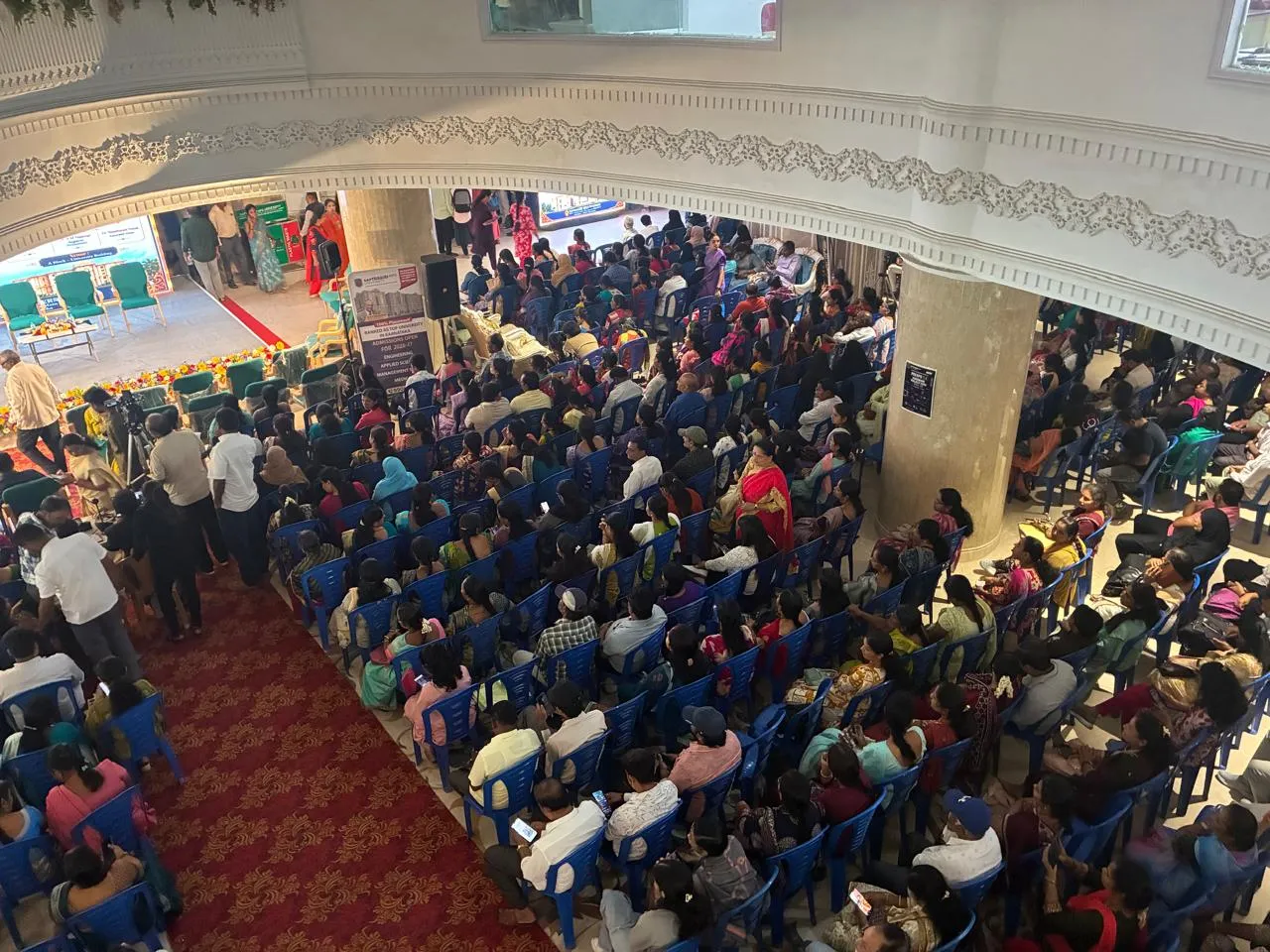
The orientation programme provided a welcoming platform for our new engineering students and their parents. The large gathering reflected the importance families place on higher education and the enthusiasm surrounding the beginning of the B.E. 2026 academic journey. Students and parents shared the occasion together, while our academic community welcomed the new batch. The event created a positive environment in which students could begin becoming familiar with their new academic setting. For parents, the programme provided an opportunity to witness an important milestone in their children's education. For students, it represented a first shared experience with their new batch. The collective nature of the programme helped establish a sense of community and created a memorable beginning to the academic year.
Our School of Engineering and Technology
Our School of Engineering and Technology provides the academic setting in which our B.E. students begin developing their engineering knowledge and professional capabilities. Engineering education involves a combination of fundamental concepts, practical experiences, analytical thinking and application-oriented learning. Students progressively build their understanding as they move from foundational subjects towards more advanced areas. The first year is especially important because it establishes the academic habits and conceptual foundations needed for later study. Our students are encouraged to participate actively in classroom learning, practical activities and collaborative experiences. We aim to encourage a learning environment in which students can ask questions, explore ideas and gradually develop confidence in their abilities.
Academic Leadership at the Engineering Classes Inauguration
The inauguration programme was associated with our university's academic and administrative leadership, including Shri. G. Dayananda, Chairman & Chancellor; Shri. G. D. Manoj, Managing Director & Pro Chancellor; Dr. Jayanthi V, Vice Chancellor; Dr. H. Ramakrishna, Registrar; Dr. N. C. Mahendra Babu, Dean; Shri. Gurucharan Singh, GCHRO; Dr. A. M. Nagaraja, Registrar (Evaluation); and Dr. Shantharam Nayak, Associate Dean. Their association with the programme reflects the importance of formally welcoming a new engineering batch. Academic leadership contributes to establishing the direction and values of the university environment in which students learn. The presence of senior representatives also reinforces the importance of academic responsibility, professional development and student growth. For our B.E. 2026 Batch, the occasion provided an opportunity to begin their journey with an understanding that they are now part of a wider academic community.
Building Strong Foundations Through Engineering Classes
A strong engineering education begins with strong fundamentals. First-year subjects introduce students to important concepts that can support more advanced learning in later semesters. Our students are encouraged to understand these concepts carefully rather than focusing only on examination preparation. Foundational knowledge becomes increasingly valuable as students progress towards specialised subjects and complex applications. Consistent revision, problem-solving practice and meaningful interaction with faculty can help students strengthen their understanding. The first-year classroom should therefore be viewed as a place where long-term engineering capabilities begin to develop. Every concept learned during the initial semesters can contribute to the knowledge base students use later in their academic and professional lives.
From Engineering Theory to Practical Application
The relationship between theory and practice is central to meaningful engineering education. Classroom instruction introduces students to principles, concepts and analytical methods, while practical activities demonstrate how these ideas function in real situations. Our students will gradually gain practical exposure through laboratory sessions, experiments, assignments and projects. These experiences can help students understand why theoretical knowledge matters and how it can be applied to practical challenges. Practical application also develops observation and analytical abilities. Students learn to examine results, compare expectations and consider why outcomes may vary. These experiences encourage students to think beyond memorisation and develop a deeper understanding of engineering principles.
A Memorable Beginning for Our B.E. 2026 Batch
The large participation of students and parents makes this gathering a meaningful representation of the beginning of the B.E. 2026 academic journey. It reflects the support of families, the enthusiasm of our students and the welcoming spirit of our academic community as the new batch takes its first steps towards engineering education.
The Inauguration of 1st Year B.E. Classes and Orientation Programme for the B.E. 2026 Batch was organised by our School of Engineering and Technology to formally welcome our new engineering students and their parents at the beginning of the academic journey. The programme was scheduled on 31 August 2026 from 8:30 AM onwards at the A Block – University Building. The occasion brought together our students, parents, university leadership and academic representatives to mark the commencement of first-year B.E. classes and introduce the new batch to our academic environment. The programme was graced by our senior leadership and academic representatives, whose presence added significance to this important occasion. The event reflected our commitment to providing our students with a purposeful beginning to their engineering education and encouraging them to approach their university journey with confidence, discipline, curiosity and a strong commitment to learning.
Event Details
| Event Particular | Official Details |
|---|---|
| Institution | Sapthagiri NPS University |
| Academic School | School of Engineering and Technology |
| Event | Inauguration of 1st Year B.E. Classes and Orientation Programme |
| Academic Batch | B.E. – 2026 Batch |
| Participants | 1st Year B.E. Students and Parents |
| Date | 31 August 2026 |
| Time | 8:30 AM onwards |
| Venue | A Block – University Building |
| Chairman & Chancellor | Shri. G. Dayananda |
| Managing Director & Pro Chancellor | Shri. G. D. Manoj |
| Vice Chancellor | Dr. Jayanthi V |
| Registrar | Dr. H. Ramakrishna |
| Dean | Dr. N. C. Mahendra Babu |
| GCHRO | Shri. Gurucharan Singh |
| Registrar (Evaluation) | Dr. A. M. Nagaraja |
| Associate Dean | Dr. Shantharam Nayak |
| University Address | #14/5, Chikkasandra, Hesaraghatta Main Road, Bengaluru – 560057, Karnataka |
Laboratory Learning as an Essential Part of Engineering Education
Laboratory sessions provide students with opportunities to experience engineering concepts beyond textbooks. Students can learn how to follow procedures, use equipment responsibly, record observations and analyse results. Laboratory learning also encourages precision and attention to detail. An experiment may not always produce exactly the expected outcome, and such situations can provide valuable opportunities for investigation. Students can review their procedures, calculations and observations to understand possible reasons for variation. Practical sessions can also promote teamwork when students work together. Our first-year students are encouraged to approach laboratory activities with preparation, curiosity and responsibility.
Developing Practical Engineering Skills
Practical engineering skills develop through repeated experience and careful observation. Students gradually learn how to apply knowledge, follow technical procedures and evaluate outcomes. Practical activities can also help students become more comfortable working with technical equipment and processes. Our university encourages students to treat practical learning as an opportunity to strengthen conceptual understanding. The ability to apply knowledge is an important part of engineering, and students can begin developing this ability from their first year. Over time, practical experiences can contribute to greater technical confidence and prepare students for more complex projects.
Developing Problem-Solving Skills Through Engineering Education
Problem-solving is one of the defining capabilities of engineering. Students learn to understand a problem, identify relevant information, consider possible approaches and evaluate solutions. Our B.E. 2026 Batch can begin developing these abilities through classroom exercises, practical activities and projects. Students should understand that difficult problems may require more than one attempt. Engineering frequently involves testing, analysing and improving solutions. Learning to persist when an initial approach does not work can develop resilience as well as technical ability. Our students are encouraged to approach challenges constructively and seek guidance whenever they need additional support.
Encouraging Innovation Among Engineering Students
Innovation begins with curiosity and a willingness to consider different possibilities. Our students are encouraged to ask how existing systems can be improved and how new solutions might address practical challenges. Innovation does not always mean creating something completely new. It may involve improving efficiency, simplifying a process, reducing resource use or developing a more effective approach. The first year provides the foundational knowledge required for students to begin developing this mindset. As students gain more technical understanding, they can increasingly connect concepts and explore innovative applications.
Creativity and Engineering Problem-Solving
Creativity and technical knowledge can work together to produce meaningful engineering solutions. Students can develop creative thinking by considering different approaches to a problem and exploring alternatives. Projects and practical activities can encourage students to move beyond the first solution that comes to mind. Our university encourages the B.E. 2026 Batch to remain curious and open to experimentation. Creativity becomes more effective when supported by technical understanding, analytical reasoning and practical awareness. Developing these qualities from the first year can help students become more confident problem-solvers.
Communication Skills for Future Engineers
Communication is an important part of professional engineering. Engineers need to explain technical ideas, prepare reports, present project findings and communicate with colleagues and other professionals. Our students can begin developing these abilities through classroom participation, presentations, assignments and group activities. Clear communication requires students to organise information logically and express ideas in a way that others can understand. Listening is equally important because engineering work often involves collaboration. We encourage our students to practise communication consistently so that technical knowledge is supported by strong professional interaction.
Teamwork and Collaboration in Engineering Classes
Engineering increasingly involves collaborative work. Students therefore need to understand how to work effectively with others, share responsibilities and contribute towards common objectives. Group assignments, laboratory activities and projects provide opportunities to develop teamwork skills. Students may have different strengths and perspectives, and collaboration allows them to learn from one another. Effective teamwork requires communication, respect, accountability and cooperation. We encourage our B.E. 2026 Batch to develop a supportive academic culture in which students can share ideas, help one another and contribute meaningfully to group activities.
Developing Leadership Qualities from the First Year
Leadership can develop through responsibility, initiative and collaboration. Students can begin developing leadership qualities by taking ownership of tasks, coordinating group activities, supporting classmates and contributing ideas. Leadership also involves listening to others and considering different perspectives. Our university encourages students to develop confidence while maintaining respect and responsibility. Academic projects and group activities can provide opportunities for students to practise these qualities. As students progress through their engineering programme, these early experiences can contribute to greater professional maturity.
Academic Discipline from the Beginning of Engineering Classes
Academic discipline is an important foundation for success in engineering education. Regular attendance, timely completion of assignments, preparation and revision can help students maintain consistent progress. Our B.E. 2026 Batch is encouraged to establish these habits from the first semester. Discipline is not simply about meeting academic requirements; it is also about developing personal responsibility. Students who learn to manage their academic commitments independently can become better prepared for future projects, advanced learning and professional responsibilities.
Time Management for the B.E. 2026 Batch
Engineering students often manage several responsibilities at the same time. Classes, laboratory sessions, assignments, assessments and projects require planning and organisation. Effective time management can help students balance these responsibilities and avoid unnecessary pressure. Our students are encouraged to plan their academic schedules, prioritise tasks and maintain regular study routines. Developing time-management skills during the first year can support students throughout their degree and become a valuable professional capability.
Independent Learning and Academic Growth
University education encourages students to become independent learners. Faculty members provide guidance, but students also need to take initiative in reviewing concepts and exploring areas of interest. Independent learning can include reading additional materials, practising problems, researching technical topics and seeking clarification. Our students are encouraged to become increasingly responsible for their academic progress. This habit can support them as they move towards advanced subjects and specialised areas of engineering.
The Importance of Asking Questions
Questions are an important part of engineering learning. Students should feel encouraged to clarify concepts they do not understand and explore why a particular principle or process works. Asking meaningful questions can deepen understanding and contribute to classroom discussions. Our students are encouraged to interact positively with faculty members and classmates when they need clarification. Developing confidence in asking questions can also strengthen communication and analytical thinking.
Learning Through Challenges and Difficult Concepts
Engineering education can present challenging subjects and complex problems. Students may require additional practice before they become comfortable with certain concepts. Our university encourages students to approach challenges patiently and constructively. Seeking guidance, reviewing foundational concepts and practising regularly can help students overcome academic difficulties. Challenges should be viewed as part of the learning process rather than as reasons for discouragement. Developing resilience during the first year can help students approach more complex challenges in later semesters.
Learning from Mistakes During Engineering Education
Mistakes can provide important opportunities for improvement. An incorrect calculation, unsuccessful experiment or incomplete solution can help students identify areas that require greater attention. Our students are encouraged to examine mistakes objectively and learn from them. Engineering involves testing, evaluation and refinement, and the same approach can be applied to academic learning. Reflecting on mistakes can help students improve their methods and develop greater confidence.
Developing an Engineering Mindset
An engineering mindset involves observation, logic, curiosity, creativity and responsibility. Our students can begin developing this mindset by asking questions about how systems work and considering why particular solutions are effective. They can learn to break complex problems into smaller components and examine possible solutions systematically. This approach can be developed through classroom learning, practical sessions, projects and technical discussions. Developing an engineering mindset from the beginning can help students become more effective learners and future professionals.
Technology and Modern Engineering Education
Technology continues to influence engineering education and professional practice. Our B.E. 2026 Batch is entering an academic environment shaped by rapid developments in digital technologies, computing, automation, artificial intelligence and other emerging areas. Students are encouraged to build strong fundamentals while remaining open to learning new technologies. Adaptability will be important because professional requirements can change over time. A strong conceptual foundation can help students understand and adapt to new tools and technologies.
Preparing for Future Engineering Careers
Career preparation begins with academic learning and skill development. Students can gradually prepare for future professional opportunities by developing strong technical foundations, communication skills, teamwork abilities and practical understanding. Projects and academic activities can provide valuable experiences that support professional growth. Our students are encouraged to think about career development as a continuing process rather than something that begins only during the final year. Every semester can contribute to future readiness.
Project-Based Engineering Learning
Projects provide students with opportunities to apply knowledge to practical challenges. A project may require research, planning, technical analysis, teamwork, documentation and presentation. Through such experiences, students can learn how different aspects of engineering work together. Although major projects are generally undertaken at later stages, first-year students can begin developing project-oriented thinking through smaller activities and assignments. Our university encourages students to approach project work as an opportunity to learn and experiment.
Developing Professional Communication
Professional communication involves clarity, accuracy, confidence and respectful interaction. Engineers may need to communicate technical information with people who have different levels of technical knowledge. Our students can develop this ability through presentations, written reports, discussions and group work. Practising communication during university can help students become more comfortable expressing ideas in professional settings. Technical competence becomes more effective when students can communicate their knowledge clearly.
Building Professional Responsibility
Responsibility is an important quality for future engineers. Students can develop responsibility by completing assignments on time, following procedures, maintaining academic integrity and taking ownership of their work. These everyday habits can contribute to professional maturity. Our university encourages students to understand that their academic responsibilities are also opportunities to practise qualities that will be valuable in future professional environments.
Academic Integrity in Engineering Education
Academic integrity supports genuine learning and professional development. Our students are encouraged to value honesty, originality and responsible academic work. Assignments and projects should be approached as opportunities to develop knowledge rather than simply as requirements to complete. Maintaining academic integrity also develops a sense of accountability that can become important in professional engineering practice.
Building a Culture of Respect
Respect is essential within an academic community. Students work with classmates, faculty members and other members of the university community, and positive communication helps create a productive environment. Our B.E. 2026 Batch is encouraged to respect different perspectives, listen to others and communicate constructively. A respectful academic culture can support collaboration and make learning more meaningful.
Developing Adaptability for the Future
The engineering profession continues to change as technologies and industry requirements evolve. Students therefore need to develop adaptability alongside technical knowledge. Our students are encouraged to remain open to new subjects, tools and learning experiences. Adaptability allows future engineers to respond positively when professional circumstances change. The ability to learn new skills can become one of the most valuable capabilities developed during university.
Lifelong Learning for Future Engineers
Engineering education does not end with graduation. Professional engineers often need to continue learning throughout their careers. Technologies change, new tools emerge and professional practices develop. Our university encourages students to develop a lifelong-learning mindset from the first year. Curiosity, independent learning and continuous skill development can help students remain prepared for future opportunities.
Innovation, Research and Exploration
Innovation and research begin with curiosity. Students who ask questions and explore possibilities can gradually develop research-oriented thinking. Academic projects, practical activities and technical discussions can provide opportunities to investigate problems and consider new approaches. Our B.E. 2026 Batch is encouraged to remain curious and develop the habit of looking beyond immediate answers.
Sustainability and Responsible Engineering
Engineering solutions can have an impact on society and the environment. Future engineers therefore need to consider factors such as resource efficiency, safety, sustainability and long-term impact. Our students can gradually develop awareness of these responsibilities through academic learning and practical experiences. Responsible engineering combines technical capability with consideration for the broader consequences of decisions.
Developing a Strong Student Community
The B.E. 2026 Batch will share classrooms, practical experiences, projects and other academic activities. These shared experiences can create a strong student community. Our university encourages students to support one another, exchange ideas and contribute positively to their batch environment. A collaborative student community can make university life more engaging and provide valuable opportunities for peer learning.
Parents as an Important Part of the Academic Journey
The participation of parents during the Inauguration of Engineering Classes highlighted the importance of family support. Beginning an engineering degree is a major milestone, and parents often provide encouragement throughout the student's education. We appreciate the presence and support of families during this important occasion. Our university looks forward to maintaining a positive relationship with parents while students develop greater independence during their university years.
A Memorable Beginning for Students and Families
The large gathering captured in the programme photographs reflects the enthusiasm associated with the beginning of the new B.E. batch. Students and parents came together in an organised academic setting to participate in an important milestone. For our students, the event can become a memorable first experience as members of our university community. The atmosphere of the programme reflected excitement, anticipation and a shared commitment to the beginning of engineering education.
Building Confidence Through Engineering Education
Confidence develops through knowledge, practice and experience. Students can gradually become more confident as they understand their subjects, participate in activities and gain practical exposure. Our university encourages students to take opportunities to speak, present, collaborate and experiment. Confidence does not require students to know everything immediately. It grows as students learn, practise and overcome challenges.
Preparing for Internships and Professional Opportunities
Although internships and professional opportunities may become more prominent in later stages, preparation can begin during the first year. Strong academic fundamentals, technical knowledge, communication skills, project experience and professional behaviour can all contribute to future readiness. Our students are encouraged to use their university years to build a balanced set of capabilities that can support future opportunities.
Exploring Career Interests During the B.E. Programme
The beginning of an engineering degree provides students with time to explore different areas of interest. Students may discover new subjects through classroom learning and practical experiences. Our university encourages students to remain open to different possibilities and gradually understand their strengths. Career decisions can become clearer as students gain knowledge and experience throughout their degree.
The Importance of Practical Thinking
Practical thinking involves considering how an idea or solution will work under real conditions. Students can develop this ability through laboratory activities, projects and problem-solving exercises. They can learn to consider factors such as feasibility, efficiency, reliability and usability. Developing practical thinking helps students connect academic concepts with real-world engineering requirements.
Developing Analytical Thinking
Analytical thinking enables students to examine information carefully and reach logical conclusions. Engineering subjects provide many opportunities to develop this ability. Students can learn to identify relevant information, break complex problems into smaller parts and evaluate possible solutions. Analytical thinking can support both academic performance and future professional decision-making.
The Value of Observation in Engineering
Observation is an important engineering skill. Students who observe carefully can identify patterns, differences and potential problems. Laboratory activities provide opportunities to practise observation, but students can also develop this skill by examining everyday systems and processes. Curiosity about how things work can lead to useful questions and innovative ideas.
Evaluating Engineering Solutions
An engineering solution often needs to satisfy multiple requirements. Students can gradually learn that a technically possible solution may also need to be safe, efficient, reliable, practical and sustainable. Considering different factors helps develop mature engineering judgement. Our students can begin developing this ability through academic problems, practical activities and projects.
Learning Through Collaboration and Peer Interaction
Peer interaction can support academic learning. Students can discuss concepts, compare approaches and help one another understand difficult topics. Collaboration also provides opportunities to develop communication and teamwork. Our B.E. 2026 Batch is encouraged to create a positive learning environment in which students can share knowledge and support one another.
The Importance of Feedback
Feedback helps students understand their strengths and identify areas for improvement. Faculty members and peers can provide valuable perspectives on academic work, presentations and projects. Our students are encouraged to receive feedback positively and use it to improve. Learning how to respond to feedback is an important skill for both university and professional life.
Developing Resilience and Persistence
Engineering education requires persistence. Some concepts may take time to understand, and some projects may require several attempts. Our students are encouraged to remain committed when challenges arise. Resilience allows students to continue learning even when progress is not immediate. This quality can become valuable throughout their academic and professional journeys.
Continuous Improvement in Engineering Education
Continuous improvement is an important principle in engineering and in personal development. Students can evaluate their own learning methods and identify opportunities for improvement. They can adjust study routines, practise difficult skills and seek additional guidance. Small improvements made consistently can produce meaningful progress over time.
A Positive Start to the Academic Year
The Inauguration of Engineering Classes created a positive and meaningful beginning for our B.E. 2026 Batch. The participation of students and parents reflected the enthusiasm surrounding the new academic year. The event established an encouraging atmosphere as students prepared to begin regular classes. We encourage our students to carry this enthusiasm into their daily academic activities.
From the Inauguration Programme to Regular Engineering Classes
The inauguration is the beginning of a longer academic journey. After the programme, students move into regular classes, laboratory sessions, assignments and other academic activities. The transition from a ceremonial beginning to everyday learning is where students begin putting their aspirations into consistent action. Our B.E. 2026 Batch is encouraged to maintain the same enthusiasm and purpose throughout the academic year.
Making Every Engineering Class Meaningful
Every class provides an opportunity to learn something new. Students can make their classes more meaningful by listening attentively, taking notes, asking questions and reviewing concepts after class. Active participation can help students understand subjects more deeply. Our university encourages students to approach every engineering class as part of their larger professional preparation.
Building a Future Through Consistent Learning
Future achievement is built through consistent effort. Students may have long-term career aspirations, but reaching those goals requires regular academic work and continuous skill development. The B.E. 2026 Batch can begin building this future by taking the first year seriously and developing strong learning habits.
Engineering Education as a Journey of Discovery
The B.E. programme provides students with opportunities to discover new areas of knowledge and understand their own interests. Students may encounter subjects they had never previously studied and discover unexpected areas of interest. Our university encourages students to remain curious throughout this process and use each experience to develop greater academic awareness.
Preparing Students for Real-World Engineering Challenges
Real-world engineering challenges can be complex and involve multiple constraints. University education provides students with the foundation to approach such challenges through knowledge, analysis, practical experience and collaboration. Our students can gradually develop these capabilities through their academic activities. The first year is the beginning of this long-term preparation.
Developing Responsible Future Engineers
Future engineers have responsibilities towards their profession, organisations, communities and society. Technical knowledge should therefore be accompanied by integrity, accountability and responsible decision-making. Our students are encouraged to develop these qualities alongside their academic capabilities. The university experience provides opportunities to practise professional responsibility through everyday activities.
The Role of Projects in Professional Development
Projects allow students to bring together technical knowledge and professional skills. They may require planning, research, collaboration, problem-solving, documentation and presentation. These experiences can help students understand how different abilities work together. Our students are encouraged to approach projects with curiosity and responsibility and use them as opportunities for meaningful learning.
Building an Innovation-Oriented Academic Culture
Innovation grows in environments where students feel encouraged to ask questions and explore ideas. Our university encourages students to think creatively and consider alternative solutions. A positive innovation culture can motivate students to experiment, collaborate and develop practical ideas. The B.E. 2026 Batch has the opportunity to begin developing this mindset from the first year.
Engineering Classes and Professional Preparation
Every engineering class contributes to the broader process of professional preparation. Technical subjects build knowledge, practical sessions develop application skills and projects strengthen problem-solving and teamwork. Communication activities can improve professional confidence. Together, these experiences can prepare students for future academic and professional opportunities.
A Strong Foundation for Future Achievement
The first year is the foundation upon which later achievements are built. Students who develop strong academic habits and conceptual understanding can approach future challenges with greater confidence. Our university encourages the B.E. 2026 Batch to use this first stage carefully and make every learning opportunity meaningful.
Looking Ahead to the Years of Engineering Education
The B.E. 2026 Batch has several years of learning and development ahead. Each academic year will bring new subjects, projects, experiences and opportunities. Students will gradually move from fundamental concepts towards advanced engineering knowledge and professional preparation. We look forward to witnessing their progress throughout this journey.
Our Commitment to the B.E. 2026 Batch
Our university is committed to supporting our students throughout their engineering education. We encourage students to participate actively, develop strong foundations and make meaningful use of academic opportunities. We recognise that every student has individual aspirations and strengths, and we encourage students to use their university experience to develop both technical and professional capabilities.
A Message to Our New Engineering Students
To our B.E. 2026 Batch, we warmly welcome you to the beginning of your engineering journey. Approach your classes with curiosity, discipline and confidence. Ask questions when you need clarification, participate in practical activities and work collaboratively with your peers. Do not be discouraged by challenges. Use them as opportunities to learn and improve. Build strong foundations during your first year and remain committed to continuous development throughout your degree.
A Message to Parents
We sincerely appreciate the parents who joined the Inauguration of Engineering Classes. Your presence made this academic milestone more meaningful and reflected the importance of this beginning for your families. We value your support and confidence and look forward to supporting our students throughout their university journey. Together, positive encouragement and academic guidance can help students make the most of their engineering education.
Looking Towards a Future of Engineering Excellence
The beginning of engineering classes opens the door to years of learning, discovery and professional development. Our B.E. 2026 students have an opportunity to build strong foundations, explore technical interests, develop practical skills and prepare for future opportunities. We encourage them to remain adaptable and committed to lifelong learning as they prepare for a rapidly changing professional environment.
Frequently Asked Questions About the Inauguration of Engineering Classes
1. What is the Inauguration of Engineering Classes?
The Inauguration of Engineering Classes is an important academic occasion that formally marks the beginning of first-year engineering education for a new batch of students. It provides a meaningful platform to welcome students and parents into the academic community and introduce them to the beginning of their university journey. For our B.E. 2026 Batch, the programme represented the transition into a new phase of education focused on technical knowledge, practical learning, professional skills, problem-solving and personal development. The occasion also created an opportunity for students to meet their peers, interact with members of the academic community and begin their university experience in a positive and welcoming environment.
2. When was the Inauguration of Engineering Classes for the B.E. 2026 Batch held?
The Inauguration of 1st Year B.E. Classes and Orientation Programme – B.E. 2026 Batch was held on 31 August 2026. The programme was scheduled from 8:30 AM onwards and marked the formal beginning of first-year engineering classes for our new batch. The occasion brought students and parents together to celebrate an important educational milestone and begin the academic journey with a sense of enthusiasm and purpose.
3. Where was the Inauguration of Engineering Classes conducted?
The programme was conducted at the A Block – University Building. The venue hosted a large gathering of our B.E. 2026 students and parents, creating a vibrant and welcoming atmosphere. The photographs from the programme reflect the strong participation of students and families and the importance of the occasion. The gathering provided a shared beginning for our new engineering students as they entered a new stage of university education.
4. Who participated in the Engineering Classes Inauguration Programme?
The programme brought together 1st Year B.E. students and parents, along with our university leadership, academic representatives, faculty members and members of our academic community. The presence of students and parents created a meaningful environment for the inauguration, while the participation of academic leadership highlighted the importance of welcoming the new batch. The event provided an opportunity for everyone to come together and mark the beginning of the B.E. 2026 academic journey.
5. Which batch was welcomed during the Inauguration of Engineering Classes?
Our university welcomed the B.E. 2026 Batch during the Inauguration of 1st Year B.E. Classes and Orientation Programme. This occasion marked the beginning of their undergraduate engineering journey. Our students are now entering a period of academic development that will include foundational subjects, practical learning, laboratory experiences, projects, technical exploration, teamwork and professional skill development. The inauguration provided the B.E. 2026 Batch with a memorable first gathering as part of our academic community.
6. Why is the Inauguration of Engineering Classes important for students?
The inauguration is important because it represents the beginning of a new academic and professional chapter. Starting an engineering programme is a significant transition for students, as university education requires greater independence, responsibility and active participation. The programme provides a positive introduction to this new environment and encourages students to approach their education with confidence and curiosity. For our B.E. 2026 Batch, the inauguration is the first step towards building strong academic foundations, developing practical abilities and preparing for future professional opportunities.
7. What is the purpose of the Engineering Orientation Programme?
The orientation programme is designed to provide students and parents with a meaningful introduction to the academic journey ahead. It helps students understand that university education involves more than classroom learning and examinations. Throughout their engineering programme, our students will have opportunities to participate in practical activities, projects, discussions, teamwork and other academic experiences. The orientation provides an appropriate beginning by welcoming students into the academic community and encouraging them to develop a responsible, positive and learning-focused approach to university life.
8. What can students expect during their first year of engineering?
The first year provides an important foundation for the engineering education that follows. Our students can expect to engage with fundamental engineering concepts through classroom learning, practical sessions, laboratory activities, assignments, assessments and academic projects. They will also have opportunities to develop important transferable skills such as analytical thinking, communication, teamwork, time management and problem-solving. We encourage our students to use their first year to understand their academic strengths, explore their technical interests and develop consistent learning habits that can support them throughout their B.E. programme.
9. How can students make the most of their engineering journey after the inauguration?
Our students can make the most of their engineering journey by taking an active role in their education from the very beginning. Regular attendance, consistent study, meaningful participation in classes, interaction with faculty members and engagement in practical learning can help establish strong academic foundations. Students should also develop communication and teamwork skills, participate in projects and remain open to exploring new technical areas. Challenges are a natural part of engineering education, so students should be willing to ask questions, seek guidance, learn from mistakes and continuously improve. By making purposeful use of their university years, our B.E. 2026 students can gradually develop the technical and professional capabilities required for their future.
Inauguration of Engineering Classes Marks a New Academic Beginning
The Inauguration of Engineering Classes for our B.E. 2026 Batch marked a significant beginning in the academic journey of our newest engineering students. The Inauguration of 1st Year B.E. Classes and Orientation Programme held on 31 August 2026 from 8:30 AM onwards at the A Block – University Building brought together our students, parents, academic leaders, faculty members and university community in a memorable gathering. The enthusiastic participation visible during the programme reflected the importance of the occasion and created a vibrant beginning for the new academic year. For our students, this inauguration represents the first step in a journey that will take them through foundational learning, practical experiences, projects, technical exploration, collaboration and professional development. Our university welcomes the B.E. 2026 Batch and encourages every student to approach engineering education with curiosity, discipline, integrity and confidence. We want our students to understand that the journey towards becoming an engineer is built through consistent learning and meaningful experiences. Every classroom session can strengthen knowledge, every laboratory activity can develop practical understanding, every project can improve problem-solving and teamwork, and every challenge can contribute to resilience and professional growth. The presence of parents during the inauguration also reflected the shared commitment to student success. We appreciate the confidence and support of our families and look forward to building a positive academic relationship throughout the years ahead. As our students now move from the inauguration programme into their regular engineering classes, a new chapter begins in earnest. The excitement of the first day will develop into the everyday rhythm of learning, practice, collaboration and discovery. We encourage our B.E. 2026 Batch to make every opportunity meaningful, remain open to new ideas and continuously work towards improvement. The future will bring new technologies, professional challenges and opportunities, and a strong foundation can help our students approach that future with confidence. The Inauguration of Engineering Classes is therefore not merely the commencement of academic activities; it is the beginning of a journey towards knowledge, innovation, professional capability and personal growth. We are proud to welcome our newest engineering students and look forward to witnessing their transformation from first-year learners into confident and responsible engineering professionals. Our university warmly welcomes the B.E. 2026 Batch and wishes every student a successful, enriching and inspiring engineering journey.
Contact Our University
| Contact Information | Details |
|---|---|
| Admissions Support | 9900072632 |
| Official Website | Click Here |
| Email Our Admissions Team | Click Here |
| University | Our University – School of Engineering and Technology |
| Programme | Inauguration of 1st Year B.E. Classes and Orientation Programme – B.E. 2026 Batch |
| Date | 31 August 2026 |
| Time | 8:30 AM onwards |
| Venue | A Block – University Building |
| Address | #14/5, Chikkasandra, Hesaraghatta Main Road, Bengaluru – 560057, Karnataka, India |
Leave a Comment