
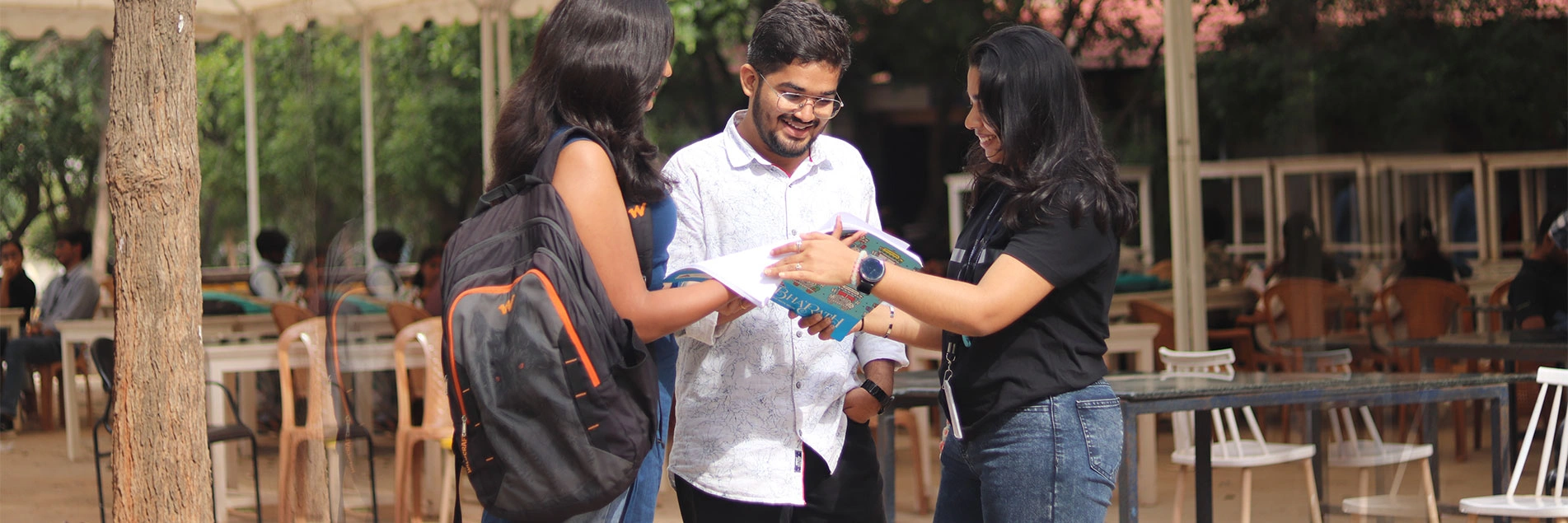
Sapthagiri NPS University Campus Experience: Where Learning Meets Life, Culture and Opportunity
Sapthagiri NPS University Campus Experience: A Journey of Learning, Research, Culture and Student Growth
The sapthagiri nps university campus experience is shaped by the many moments that students encounter throughout their higher education journey. A university is not defined only by the classrooms where lectures take place or by the examinations that measure academic progress. It is also defined by the conversations students have with their peers, the guidance they receive from faculty, the projects they develop, the research discussions they attend, the cultural celebrations they participate in the stages on which they perform the events they help organise and the healthy routines they build during their years of study. Our University views higher education as a complete developmental journey in which academic knowledge, practical exposure, research curiosity, creativity, communication, leadership, cultural participation and personal wellbeing can develop alongside one another. The campus images presented here reflect this wider educational environment in different ways. One image captures students engaged in collaborative learning inside our library, surrounded by academic resources and working together around a shared table. Another presents an academic conference where knowledge, research and recognition come together in a formal scholarly setting. Our cultural celebration demonstrates the energy of student participation and the importance of regional culture within campus life. Our stage performance reflects creativity, preparation, confidence and teamwork, while the large live event demonstrates the role of entertainment and shared celebration in creating memorable student experiences. The yoga session provides another perspective, showing students participating together in an activity that encourages physical wellbeing, concentration and balance. Each image represents a different part of university life, yet together they communicate a common idea: education becomes richer when students are given opportunities to learn in different environments and through different experiences. The sapthagiri nps university campus experience therefore extends beyond a conventional academic routine. It is about creating an environment in which students can study seriously, interact meaningfully, discover their interests, participate confidently and gradually prepare themselves for professional life. For students and parents exploring higher education, this wider perspective can be important because the environment in which a student spends several years can influence not only academic development but also confidence, communication, relationships, professional awareness and personal growth. Our University seeks to make this environment purposeful by bringing together academic learning, practical opportunities, research engagement, student activities, cultural experiences, innovation, career preparation and wellness within the broader university journey.
A University Experience Designed Around the Student
Every student begins university with a different background, different strengths and different aspirations. Some students enter higher education with a clearly defined career goal, while others need time to explore different possibilities before deciding which professional direction suits them. Some students are naturally confident in academic discussions, while others become more comfortable after interacting with faculty and classmates. Some discover their strongest abilities through technical projects, while others find their confidence through research, cultural participation, leadership, sports or creative activities. Our University recognises that student development does not follow a single pattern. The campus environment therefore provides different avenues through which students can learn and participate. A student can spend focused time in the library work with classmates on an academic project, attend a research conference, participate in a cultural programme, contribute to a stage performance, join a wellness activity or become involved in a campus event. These experiences may appear different from one another but they can all contribute to the development of important capabilities. Academic work develops knowledge and subject understanding. Collaborative learning develops communication and teamwork. Research develops curiosity and analytical thinking. Cultural activities develop expression and confidence. Leadership opportunities develop responsibility and decision-making. Wellness activities encourage balance and self-awareness. Professional preparation helps students understand the expectations of the workplace. When these experiences come together over several years, students can gradually develop a broader understanding of themselves and their future. This is one of the central ideas behind the sapthagiri nps university campus experience. Our campus is not intended to be a place where students simply complete a timetable. It is an environment where students can actively participate in their own development and make use of the academic and extracurricular opportunities available to them.
| Campus Experience Support | Information |
|---|---|
| Explore Campus Life | Discover the Sapthagiri NPS University Campus Experience, including student life, learning spaces, facilities, and academic environment. |
| Admissions Support | Talk to Our Admissions Team |
| Campus Enquiries | Email Our University Team |
| Campus Address | #14/5, Chikkasandra, Hesarghatta Main Road, Bengaluru, Karnataka, India |
| Apply Online | Start Your Admission Enquiry |
Our Campus as a Living Learning Environment
A university campus becomes meaningful through the activities that take place within it. Buildings, classrooms, laboratories, libraries and event spaces provide the physical foundation, but the real character of a campus develops through the people who use those spaces and the experiences they create together. Our University provides students with an environment where learning can continue beyond conventional classroom boundaries. The library can become a place for concentrated study as well as collaborative discussion. Academic spaces can support lectures, presentations and project work. Research events can connect students with wider academic conversations. Cultural spaces can provide opportunities for expression and celebration. Open areas can support wellness activities and student gatherings. Event venues can become platforms for performances and community celebrations. This variety is important because students learn differently at different stages of their education. A classroom may be the most appropriate place to introduce a concept, while a laboratory may be better suited to applying it. A library may provide the resources needed to investigate a topic in greater depth, while a project discussion may help students understand how to work with others. A conference may introduce a student to a specialised research area, while a cultural event may help the same student develop confidence outside an academic setting. The sapthagiri nps university campus experience is created through this movement between different learning and participation environments. Students are encouraged to make the campus part of their educational journey rather than limiting their university experience to scheduled academic sessions.
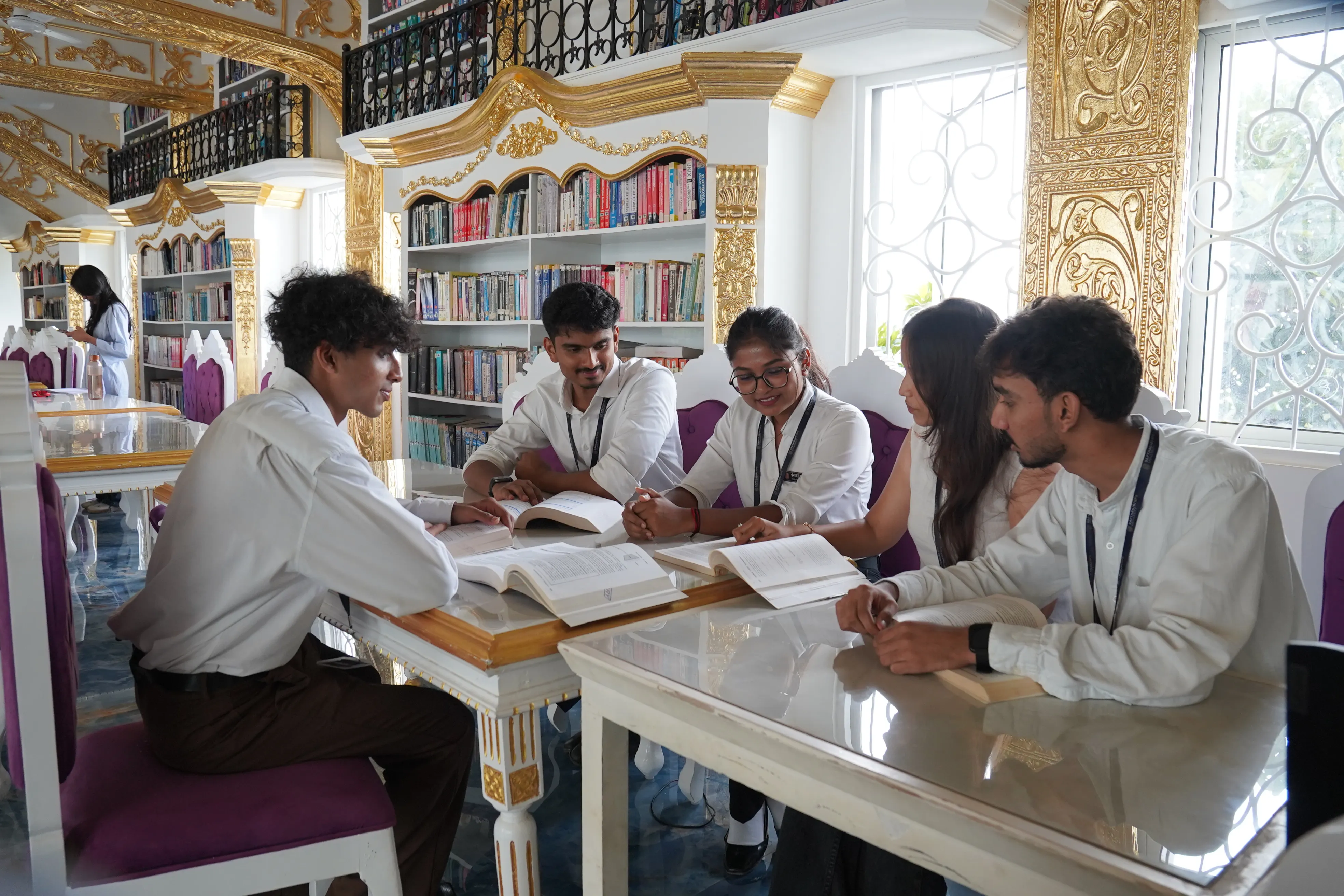
The Library: Where Independent Learning Meets Collaboration
The image of students studying together in our library provides a particularly strong representation of everyday academic life. Several students are seated around a table with books open in front of them, discussing their learning while surrounded by shelves containing a wide range of academic and general reading material. The environment demonstrates an important aspect of higher education: students gradually become responsible for developing their own understanding. Faculty instruction provides the foundation, but university students also need to learn how to read independently, identify useful resources, compare information, discuss concepts and build their own interpretations. Our library provides an environment where students can engage with these activities. A student preparing for an examination may use the library to review academic material in a focused setting. Another may research a topic for a project or assignment. A group may meet to discuss a complex concept or prepare a presentation. Students can also learn from one another through peer interaction. Sometimes a concept becomes easier to understand when a classmate explains it from a different perspective. A discussion can reveal a question that had not previously been considered. A shared study session can motivate students to remain focused on a difficult task. These small interactions can contribute significantly to academic confidence. The library therefore becomes more than a collection of books. It becomes part of the intellectual environment of the campus, supporting independent study, collaborative learning, research and academic interaction. Within the broader sapthagiri nps university campus experience, such spaces encourage students to move gradually from receiving information towards actively engaging with knowledge.
Collaborative Learning and the Power of Peer Interaction
University education does not require students to learn everything independently. Collaboration can be one of the most effective ways to deepen understanding because students bring different experiences, strengths and approaches to a shared academic problem. When students study together, one student may understand a concept particularly well and explain it to others, while another may introduce a different interpretation or practical example. This process encourages students to communicate clearly and listen carefully. It also teaches them that learning can be strengthened through discussion rather than limited to individual preparation. The students shown studying together in our library represent this collaborative dimension of university life. Their interaction reflects an environment in which academic work can become a shared experience. Collaboration can also prepare students for professional environments, where most projects require people with different responsibilities to work towards a common outcome. Students who become comfortable explaining ideas, receiving feedback, negotiating responsibilities and respecting different viewpoints can carry these capabilities into internships and future careers. Our University encourages students to use their peers as part of their learning community while also developing the independence required for higher education. The balance between individual study and collaborative learning can help students become more adaptable learners.
Academic Conferences and the Culture of Research
The image from our international conference provides a different but equally important view of university life. The event focused on advances in fluid dynamics and brought together participants within a formal academic setting. The presence of conference banners, faculty members, academic participants and a student receiving a certificate demonstrates how research and academic recognition can become part of the campus experience. Conferences provide an opportunity for knowledge to move beyond textbooks and classrooms. They allow researchers and academic communities to present ideas, discuss developments and engage with specialised areas of study. For students, exposure to such environments can be especially valuable because it demonstrates that the subjects they study can become areas of investigation and professional contribution. A concept introduced during a classroom session may eventually become part of a research project. A project may lead to a question requiring further investigation. A research experience may encourage a student to consider postgraduate education or a specialised professional pathway. The conference environment can therefore broaden a student's understanding of what higher education can offer. Our University encourages academic engagement that allows students to see learning as an evolving process rather than a fixed collection of information. The sapthagiri nps university campus experience becomes richer when students can see research happening around them and understand that knowledge continues to develop through questioning, investigation and discussion.
Research Exposure That Encourages Academic Curiosity
Research is fundamentally about asking questions and seeking meaningful answers. It requires curiosity, patience, critical thinking and a willingness to examine evidence. Students who are exposed to research environments can begin to understand how academic knowledge is developed and evaluated. They can see that experts may disagree, that problems can be approached from multiple directions and that new discoveries often begin with careful observation. The academic conference shown in our campus imagery illustrates this environment of intellectual exchange. Such events can encourage students to think beyond immediate examination requirements and consider what lies beyond the syllabus. A student interested in engineering may begin exploring a specialised technical topic. Another student may become interested in mathematical modelling, data analysis or computational methods. A student may discover an interest in academic writing and presentation. These discoveries can influence future study decisions and professional aspirations. Research also develops transferable skills. Students learn how to identify information, assess its relevance, organise findings and communicate conclusions. These capabilities can support careers in research, technology, engineering, management and many other fields where evidence-based thinking is valued.
Recognising Student Achievement and Academic Participation
The certificate presentation visible in the conference image represents another important part of student development: recognition. Recognition can provide encouragement and reinforce the value of participation. When students contribute to an academic event, complete a research activity or present their work, receiving formal acknowledgement can strengthen their confidence and encourage continued engagement. Such recognition is not only about the certificate itself. It represents an experience that students can remember and potentially discuss when they prepare for future academic or professional opportunities. A student who participates in a conference may later include the experience in an academic portfolio. The student may also gain confidence in presenting ideas before faculty members and other participants. This progression can influence how students approach future opportunities. Our University encourages students to engage with academic activities because meaningful participation can become an important part of their personal and professional development.
Bringing Academic Knowledge Into the Real World
The purpose of higher education is not simply to accumulate information. Students should gradually learn how to use knowledge to understand situations, solve problems and create meaningful outcomes. Academic conferences, research projects, laboratories and collaborative assignments all contribute to this transition from theory to application. A student studying a technical discipline may learn a theoretical principle in class and later see how researchers investigate related problems. Another student may work with classmates to apply academic knowledge to a project. A research activity may require the student to analyse information and defend a conclusion. These experiences help students understand why their subjects matter. The transition from knowledge to application can also improve motivation because students begin to see connections between what they study and what professionals actually do. Our University seeks to encourage this connection throughout the academic journey so that students can approach their disciplines with both conceptual understanding and practical awareness.
Cultural Life: Celebrating Identity and Community
Academic development forms the foundation of university education, but cultural participation adds another important dimension to student life. The vibrant cultural celebration shown in our campus imagery demonstrates the energy that emerges when students come together around shared traditions. Kannada flags, colourful clothing, traditional performances and enthusiastic participation create an atmosphere of celebration and community. Such events provide students with opportunities to appreciate regional culture while interacting with peers outside their immediate academic groups. Cultural activities can also develop organisational and communication skills because successful celebrations require planning, coordination and participation. Students may contribute as performers, volunteers, organisers, presenters or audience members. Each role has value. A student managing part of an event learns responsibility. A performer develops confidence. A volunteer learns coordination. A participant gains an opportunity to connect with the wider university community. The sapthagiri nps university campus experience therefore includes cultural engagement as an important part of holistic student development.
Kannada Culture and the Spirit of Belonging
The Kannada cultural celebration represented in our image illustrates how university life can connect students with the cultural environment surrounding them. Bengaluru is a city with a rich cultural identity and a diverse population, and campus celebrations can create opportunities for students to experience local traditions in a shared setting. Such events can help students appreciate the importance of language, heritage and community while also creating an inclusive environment where students from different backgrounds can participate. Cultural celebrations can become especially meaningful for students who are living away from home for the first time because they create a sense of familiarity and community. For other students, they provide opportunities to learn about traditions that may be different from their own. The result is a campus environment in which cultural participation can contribute to understanding, connection and mutual respect.
Student Participation That Turns Events Into Experiences
Large campus celebrations do not happen automatically. They depend on student participation, planning and teamwork. Behind every successful event are students and staff members working on different responsibilities. Someone coordinates the programme, someone manages communication, another person prepares performances, others handle logistics and many contribute their time and energy to make the event successful. Students who participate in these processes gain experiences that can be valuable beyond the event itself. They learn how to work within deadlines, communicate with different people, manage unexpected situations and contribute to a shared outcome. These are practical skills that can later become relevant in professional environments. A student who learns to coordinate a cultural event may later find confidence in managing a team project. A student who learns to communicate with performers and organisers may become more comfortable handling professional interactions. In this way, campus activities can quietly contribute to career readiness.
Performing Arts and the Confidence to Stand Before an Audience
The stage performance captured in our imagery presents another powerful example of student development. Students are dressed in elaborate costumes and arranged in a coordinated theatrical presentation, demonstrating preparation, creativity and teamwork. Performing before an audience requires more than talent. It requires discipline, rehearsal, memory, coordination and confidence. Students need to understand their roles while also remaining aware of the wider performance. One person's timing can influence the entire production. This teaches an important lesson about teamwork: individual responsibility contributes to collective success. Performing arts can also help students become more comfortable expressing themselves publicly. The confidence developed through stage participation can later support presentations, interviews, seminars and professional communication. A student who learns to stand before an audience and communicate an idea through performance may find it easier to speak during an academic presentation or recruitment interaction. Our University values such opportunities because student development should include the ability to express knowledge and ideas with confidence.
Creativity as an Important Part of Education
Creativity is often associated with artistic disciplines, but it has relevance across almost every area of professional life. Engineers need creativity when designing solutions. Technology professionals need creativity when developing applications. Managers need creativity when responding to organisational challenges. Researchers need creativity when approaching unfamiliar questions. Cultural and performing arts activities can provide students with an environment in which creative thinking is encouraged naturally. The stage performance shown in our campus imagery demonstrates how students can transform an idea into a coordinated visual and theatrical experience. Such activities encourage students to think about presentation, expression, interpretation and teamwork. The skills developed through creative participation can complement technical and academic capabilities. A well-rounded graduate should be capable not only of understanding information but also of presenting ideas, adapting approaches and thinking differently when circumstances require it.
The Stage as a Platform for Student Expression
A university stage can become a place where students discover confidence that they did not know they possessed. Some students may initially be hesitant to perform in front of others. With encouragement and preparation, they may gradually become more comfortable. Rehearsals provide a structured opportunity to practise. Working with other performers creates a support system. The final performance provides a moment where students can see the results of their effort. This process can strengthen self-belief. It also demonstrates the relationship between preparation and performance. Students learn that confidence is often developed through practice rather than appearing automatically. This lesson can be valuable in academic and professional situations as well. Presentations, interviews and public speaking all become easier when students have previously experienced situations that required preparation and performance.
Celebrating Talent Beyond Academic Scores
Academic achievement is important, but students possess many abilities that cannot always be represented through examination results. A student may be a talented performer, an effective organiser, a strong communicator, a creative designer, an enthusiastic sports participant or a capable event coordinator. Campus activities create opportunities for these abilities to become visible. This is important because students often gain confidence when their strengths are recognised by others. A student who performs successfully on stage may become more willing to participate in academic presentations. A student who coordinates an event may become more comfortable taking responsibility for a project. A student who contributes creatively may discover an interest in communication or media. The diversity of campus activities allows students to explore these possibilities while continuing their academic programmes.
Vibrant Student Life at Sapthagiri NPS University
The Sapthagiri NPS University campus experience extends far beyond classrooms, laboratories, and academic learning, offering students opportunities to participate in cultural celebrations, entertainment programs, student activities, and social events that create lasting memories. The image reflects the energetic and lively atmosphere of campus life, where students come together, participate actively, enjoy performances, celebrate special occasions, and build meaningful friendships. Such experiences help students develop confidence, communication skills, teamwork, creativity, and a strong sense of belonging to their university community. Campus events also provide students with a welcome break from their regular academic schedules while encouraging them to explore their talents and interests. From cultural programs and celebrations to student gatherings and interactive activities, the Sapthagiri NPS University campus experience provides a balanced environment where academic growth and personal development can happen together. These moments allow students to connect with peers from different backgrounds, work together during events, and enjoy the vibrant student community. For students looking for a university experience that combines education with memorable campus activities, Sapthagiri NPS University offers an engaging environment where learning continues both inside and outside the classroom.
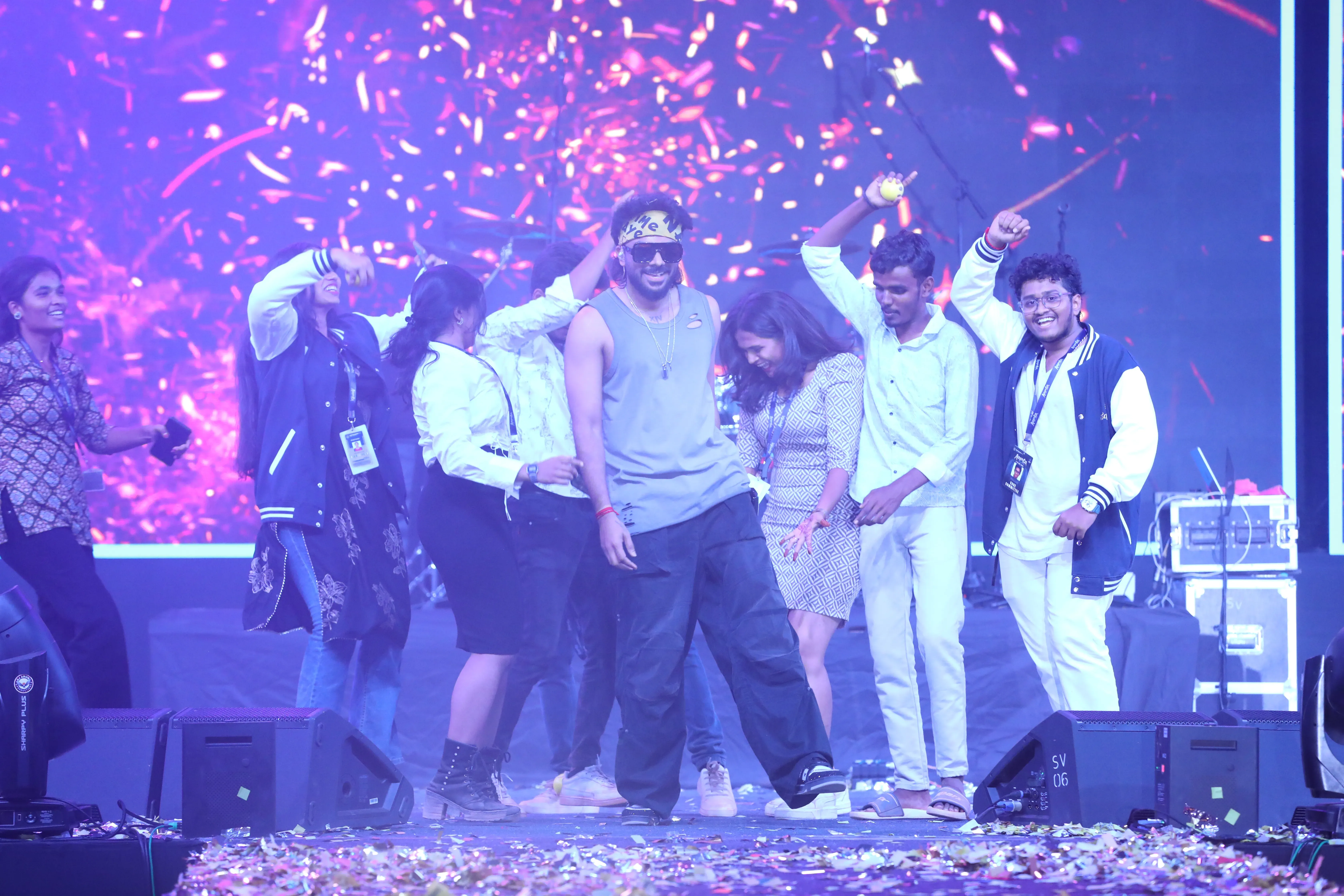
Large Events and the Energy of Student Life
The concert image adds an energetic and celebratory dimension to our campus environment. A performer is shown on stage in front of an enthusiastic audience, surrounded by professional lighting, sound equipment and a lively atmosphere. Events like these provide students with opportunities to enjoy campus life and create shared memories. University years can involve demanding academic schedules, and students also need moments where they can relax, celebrate achievements and connect with friends. Large events can strengthen community because students from different academic programmes come together in one space. They also create a sense of occasion that can make campus life memorable. The sapthagiri nps university campus experience is therefore not limited to academic intensity. It also includes moments of celebration that allow students to enjoy the community they are part of.
The Experience Behind a Successful Campus Event
A major event may look effortless from the audience's perspective, but successful programmes require detailed preparation. Scheduling, stage management, sound, lighting, communication, crowd coordination and other responsibilities need to work together. Students who participate in these processes can gain practical experience in event management and teamwork. Even students who attend as audience members become part of a shared community experience. The event can create opportunities for students to interact with people they may not normally meet during academic activities. These interactions can strengthen friendships and create a wider sense of campus identity. Large events also demonstrate the importance of planning and collaboration, providing lessons that can be transferred into professional settings.
Wellness and Balance Through Yoga
The image of students participating in a group yoga session provides a calm contrast to the energy of cultural celebrations and stage events. Students are positioned on individual mats and following a coordinated practice together in an open campus environment. This image highlights the importance of balance within university life. Academic work can be demanding, and students may spend significant periods reading, writing, attending classes, working on projects or using digital devices. Wellness activities can provide an opportunity to pause and focus on physical movement, concentration and personal balance. Yoga can encourage flexibility, body awareness and mindful participation, while group sessions can also strengthen community because students practise together. Our University recognises that student development should consider wellbeing alongside academic achievement. A healthy university experience gives students opportunities to develop habits that can support them during their academic years and later professional lives.
Wellness as Part of a Sustainable Student Routine
University life requires students to manage multiple responsibilities. They need to attend classes, complete assignments, prepare for examinations, work on projects and make decisions about their future. Without balance, these responsibilities can become overwhelming. Physical activity and wellness practices can support a more sustainable routine. The yoga session shown in our imagery demonstrates how students can participate collectively in an activity that encourages movement and concentration. The wider lesson is that personal wellbeing should not be treated as separate from academic success. Students who learn to manage their time, remain physically active and create healthy routines may find it easier to maintain focus and energy during demanding academic periods. These habits can also become valuable later when graduates enter professional environments that require sustained performance and responsibility.
Academic Excellence and Personal Wellbeing Can Grow Together
The different images provide a complete picture when viewed together. The library represents academic concentration. The conference represents research and scholarly engagement. The cultural celebration represents community and heritage. The stage performance represents creativity and confidence. The concert represents celebration and social connection. The yoga session represents balance and wellbeing. None of these elements exists independently. Together, they demonstrate a university philosophy in which students can develop multiple dimensions of their abilities. The sapthagiri nps university campus experience is therefore not simply about providing more activities. It is about creating opportunities that complement academic learning and help students develop as complete individuals. Students need knowledge, but they also need confidence. They need technical skills, but they also need communication. They need career preparation, but they also need balance. They need opportunities to compete, but they also need opportunities to collaborate. They need professional ambition, but they also benefit from community and cultural connection.
Building Communication Skills Through Everyday Campus Life
Communication is developed through repeated experiences, and university provides many opportunities for students to practise communicating in different settings. Library discussions encourage students to explain concepts to peers. Conferences expose students to formal academic communication. Cultural activities encourage students to coordinate with others. Stage performances develop public expression. Large events provide opportunities for social interaction. Each setting requires a different form of communication. Students learn that communicating effectively is not only about speaking clearly but also about listening, understanding context, responding appropriately and adapting to different audiences. These skills become increasingly important as students move towards internships and employment. Professional environments require graduates to communicate with colleagues, supervisors, clients and teams. The confidence developed through campus participation can therefore support students well beyond university.
Leadership Through Responsibility and Participation
Leadership often develops quietly through everyday responsibilities. A student who volunteers to coordinate part of a cultural event takes on responsibility. A student who helps organise a conference learns planning and communication. A student who leads a group project learns how to coordinate different contributions. A student who supports a wellness activity contributes to the wider campus community. These experiences teach students that leadership is not simply about holding a title. It is about taking responsibility, communicating effectively and helping a group move towards a shared objective. The sapthagiri nps university campus experience creates opportunities for students to practise these behaviours in meaningful situations. Over time, repeated participation can strengthen decision-making, accountability and confidence.
Preparing for Professional Life Through Real Campus Experiences
Professional readiness begins long before the first job interview. It develops through the experiences students accumulate during their university years. Academic projects can teach problem-solving. Research can develop analytical thinking. Conferences can strengthen presentation skills. Cultural events can develop coordination. Stage performances can build confidence. Group activities can improve teamwork. Wellness routines can support discipline and balance. Internships and career programmes can then build upon these foundations by introducing students to professional expectations. Our University encourages students to recognise that every meaningful experience can contribute to their development. The objective is not to participate in activities simply to collect certificates. The deeper value lies in what students learn from the experience and how they apply that learning in future situations.
A Campus Where Students Can Discover More Than Their Degree
A student's academic programme provides an important direction, but university life can reveal interests that students did not anticipate before joining. A student enrolled in a technical programme may discover a passion for research. Another may develop an interest in entrepreneurship. Someone may discover confidence through theatre or cultural activities. Another may become interested in event management. A wellness activity may encourage a student to adopt healthier habits. Collaborative learning may help a previously quiet student become more comfortable communicating. These discoveries are valuable because higher education is also a period of self-discovery. The campus gives students opportunities to test their interests in real situations while continuing to build expertise in their chosen discipline.
Creating a Sense of Belonging
A sense of belonging can influence how students experience university life. When students feel connected to their peers, faculty and wider campus community, they may become more willing to participate and seek support. The images of our students show different forms of collective participation, from group study to cultural celebrations and wellness activities. These experiences create opportunities for students to meet people beyond their immediate academic circles. Friendships can develop through shared projects, cultural programmes, conferences and everyday campus interactions. A supportive community can also help students navigate the challenges of university life. Students can share experiences, encourage one another and learn from different perspectives. The campus therefore becomes more than a place where students study; it becomes a community in which they spend an important stage of their lives.
The Connection Between Campus Culture and Student Success
A positive campus culture can influence how students approach their education. When academic seriousness exists alongside cultural participation, creativity, research and wellbeing, students can experience a healthier balance between responsibility and exploration. The different images from our university environment demonstrate this balance. Students are serious about academic learning in the library and conference setting, while also participating enthusiastically in cultural and recreational activities. This does not mean that every student needs to participate in everything. Instead, students can choose experiences that match their interests and developmental needs. The important point is that opportunities exist. Students can build a university experience that reflects their individual goals while remaining connected to the wider academic community.
Our Approach to Holistic Student Development
Our University believes that education should help students become capable, confident and responsible individuals. Academic knowledge remains central, but it is strengthened when students have opportunities to apply what they learn, communicate their ideas, participate in research, develop creative interests, take responsibility and maintain personal wellbeing. The campus environment shown through these images reflects this philosophy. The library supports learning. The conference supports research and academic exchange. Cultural celebrations support community and expression. Performing arts support creativity and confidence. Large events support social connection. Wellness activities support balance. Together, these experiences contribute to a richer educational environment. This is what makes the sapthagiri nps university campus experience more than a description of physical infrastructure. It is a description of how students can experience university life through multiple dimensions of learning and participation.
Looking Beyond the Classroom Toward the Future
Every student eventually leaves university and enters another stage of life. Some graduates move directly into employment, some pursue higher education, some explore research, some build entrepreneurial ventures and others follow professional paths that develop over time. The experiences students gain during university can influence how confidently they approach these next steps. Academic knowledge provides the foundation, but the ability to communicate, collaborate, adapt and take responsibility can become equally important. The experiences captured in our campus imagery demonstrate how these qualities can develop naturally through student life. A conference can strengthen academic confidence. A group study session can develop collaboration. A cultural celebration can strengthen community participation. A performance can develop confidence. A large event can create social connection. A wellness session can encourage balance. Together, these experiences help students build a broader foundation for life after graduation.
Frequently Asked Questions About the Sapthagiri NPS University Campus Experience
1. What makes the Sapthagiri NPS University campus experience meaningful for students?
The sapthagiri nps university campus experience brings together academic learning, collaborative activities, research exposure, cultural participation, creativity, professional development and student engagement. Our University provides opportunities for students to learn through classrooms, academic discussions, projects, conferences, campus events and other activities. These experiences can help students develop communication, teamwork, confidence, leadership and practical awareness alongside their academic knowledge.
2. How does campus life support academic development?
Our campus environment provides students with opportunities to combine structured academic learning with independent study, collaborative discussion and practical exploration. Students can use learning resources, participate in academic activities, work with peers and engage with faculty to strengthen their understanding of their chosen disciplines. This combination can encourage students to become more active and independent learners while developing the skills required to approach academic challenges with greater confidence.
3. Does the campus experience include research and academic conferences?
Research and academic engagement form an important part of the broader university environment. Students can gain exposure to academic discussions, conferences, presentations and research-oriented activities where applicable to their programmes and interests. Such experiences can encourage curiosity and help students understand how knowledge develops through investigation, analysis, discussion and scholarly exchange.
4. How do cultural activities contribute to student development?
Cultural activities provide students with opportunities to express creativity, participate in performances and celebrate cultural traditions with the wider university community. These experiences can develop confidence, teamwork, communication and organisational abilities. Cultural programmes also create opportunities for students to interact with peers from different backgrounds and contribute to a welcoming campus community.
5. What opportunities do students have to participate in campus events?
Our students can participate in a range of academic, cultural, professional and community-oriented activities depending on the programmes and initiatives conducted by the university. Students may contribute as participants, performers, volunteers, organisers or audience members. Active involvement can help students develop responsibility, coordination, communication and leadership skills while creating memorable experiences throughout their university journey.
6. How does the university encourage collaborative learning?
Collaborative learning is reflected through group discussions, academic projects, peer interaction and shared learning activities. Students can work together to exchange ideas, discuss concepts and approach academic tasks from different perspectives. This approach can strengthen teamwork and communication while helping students understand that effective learning can also take place through interaction with their peers.
7. How does the campus environment support career readiness?
Career readiness develops through a combination of academic knowledge, practical exposure and professional skill development. Our University encourages students to build communication, presentation, teamwork, problem-solving and professional interaction skills. Career-oriented activities, professional development sessions and relevant industry engagement can further help students understand workplace expectations and prepare for future opportunities.
8. Are students encouraged to develop leadership skills?
Yes, student participation can create several opportunities to practise leadership and responsibility. Students involved in organising events, coordinating activities, participating in group projects or taking responsibility for campus initiatives can develop planning, communication and decision-making abilities. These experiences can help students gradually become more confident in taking initiative and working with others towards shared objectives.
9. How does the campus experience support student wellbeing?
A meaningful university experience should include academic progress as well as personal wellbeing. Activities such as yoga, physical engagement, recreation and community events can provide students with opportunities to maintain balance alongside their academic responsibilities. Our University encourages students to develop healthy routines and participate in activities that support a balanced and engaging student experience.
10. How can students make the most of the Sapthagiri NPS University campus experience?
Students can make the most of their university journey by participating actively in academic activities while also exploring research, cultural programmes, professional development, creative opportunities and student events. Building relationships with faculty and peers, taking part in collaborative projects and developing interests beyond the classroom can make the sapthagiri nps university campus experience more meaningful. Students are encouraged to remain curious, take initiative and use the opportunities available to support both their academic goals and long-term professional development.
Why Our Campus Experience Matters for Your Future
The sapthagiri nps university campus experience is designed to give students opportunities to grow through academic learning, collaboration, research, cultural participation, professional development and meaningful interaction with the wider university community. Our University believes that the years spent in higher education can become an important period of discovery, where students gradually understand their strengths, explore new interests and develop the confidence required to approach future opportunities. Academic learning remains central to this journey, while activities beyond the classroom can provide valuable opportunities to practise communication, teamwork, leadership and problem-solving in different situations. Whether students are participating in an academic conference, working together on a learning activity, presenting a cultural performance, attending a professional development session or joining a campus celebration, each experience can contribute to their overall development. The photographs from our university environment reflect this diversity clearly, showing students engaged in learning, research, cultural expression, professional interaction and community activities. These experiences can help students understand that university life is not simply a transition between school and employment. It can be a formative stage in which knowledge, confidence, relationships, creativity and professional awareness develop together.
More Than a Place to Study
The sapthagiri nps university campus experience is ultimately created by the relationship between learning, people, opportunities and participation. Our students learn through classrooms and libraries, explore ideas through research, develop confidence through presentations and performances, connect with culture through celebrations, create memories through campus events and maintain balance through wellness activities. Each experience contributes differently, but together they form a complete university journey.
Our University provides an environment where academic development can exist alongside research, innovation, cultural participation, creativity, leadership, collaboration and wellbeing. We believe that students should have the opportunity to explore their strengths while building the knowledge and skills required for their future. Our Faculty contributes academic guidance, our learning spaces support study and collaboration, our academic events encourage intellectual engagement, our campus activities create opportunities for participation and our wider university community provides the environment in which students can develop meaningful relationships and experiences.
The images from our campus tell this story in different ways. Students gathered around books demonstrate the importance of collaborative learning. The academic conference reflects research, knowledge sharing and recognition. The Kannada cultural celebration demonstrates community spirit and cultural participation. The stage performance shows creativity, preparation and confidence. The large live event captures the energy and enjoyment of student life. The yoga session reminds us that wellbeing and balance are also important parts of a successful university journey.
Together, these experiences show that higher education can be much broader than attending lectures and completing examinations. It can be a period of discovery, participation, challenge, creativity and growth. The sapthagiri nps university campus experience is therefore not defined by one building, one classroom or one event. It is built day by day through the experiences students choose to embrace, the relationships they develop, the knowledge they acquire and the confidence they gradually build. Our University seeks to make those years meaningful by providing students with an environment where they can learn with purpose, participate with confidence, explore with curiosity and prepare thoughtfully for the future.
Connect With Sapthagiri NPS University
Campus Experience Enquiry
Learn more about the Sapthagiri NPS University Campus Experience, including campus facilities, student life, academic environment, and student support.
📞 Call Admissions Team
Click to Call the Admissions Team
📧 Email Our University
Click to Email Our Admissions Team
📍 Campus Address
#14/5, Chikkasandra, Hesarghatta Main Road, Bengaluru, Karnataka, India
🎓 Online Admission
Click Here to Apply Online
🌐 Official Website
Visit Sapthagiri NPS University
Leave a Comment