
Sapthagiri NPS University Library Facilities | Books, Journals & Digital Resources
Sapthagiri NPS University Library Facilities
The Role of Sapthagiri NPS University Library Facilities in Student Success
Our university understands that academic success is built through consistent effort. The library provides students with a dedicated space where this effort can become part of their daily routine rather than depending entirely on classroom hours. Students can choose dedicated study periods, review their academic progress, prepare upcoming coursework, and work toward personal learning goals. This sense of ownership can encourage students to become more organized and responsible learners. The library also provides an opportunity for students to develop patience and concentration. Meaningful reading requires attention and thoughtful engagement. In a world where students are surrounded by rapid information and constant digital activity, dedicated reading spaces can encourage deeper concentration. Our university values this ability because sustained attention is important for understanding complex subjects, conducting research, solving problems, and producing quality academic work.
Library Search and Academic Resources
The university library provides students, faculty, researchers, and academic staff with convenient access to a wide range of print and digital learning resources. To make the process of finding the right resource simple and efficient, the library catalogue offers multiple search options based on the information available to the user. Whether you know the book title, author name, ISBN, accession number, or call number, you can select the appropriate search option and quickly locate the required resource. The catalogue also provides an E-Book search option, helping users discover digital academic materials for study, teaching, and research.
Available Search Options
-
Title – Search directly using the name of the book or resource.
-
Title + Author – Refine your search by entering both the title and author name.
-
E-Book – Explore available electronic books and digital academic resources.
-
Author – Find books and other resources written by a particular author.
-
ISBN – Search for a specific book using its International Standard Book Number.
-
Accession Number – Locate a particular library item using its unique accession number.
-
Call Number – Find the physical location and classification of a book within the library collection.
Access the Library Catalogue
The library catalogue is designed to provide a clear and user-friendly way to discover academic resources. Select the search method that best matches the information you have, enter the relevant details, and browse the available results. For students and researchers, using the catalogue can save valuable time while locating textbooks, reference materials, e-books, and other resources required for academic work. It also supports independent learning by making library resources easier to discover and access.
Click Here to Access the Library Search Catalogue and begin exploring the extensive collection of academic, educational, and research resources available to enrich your learning experience.
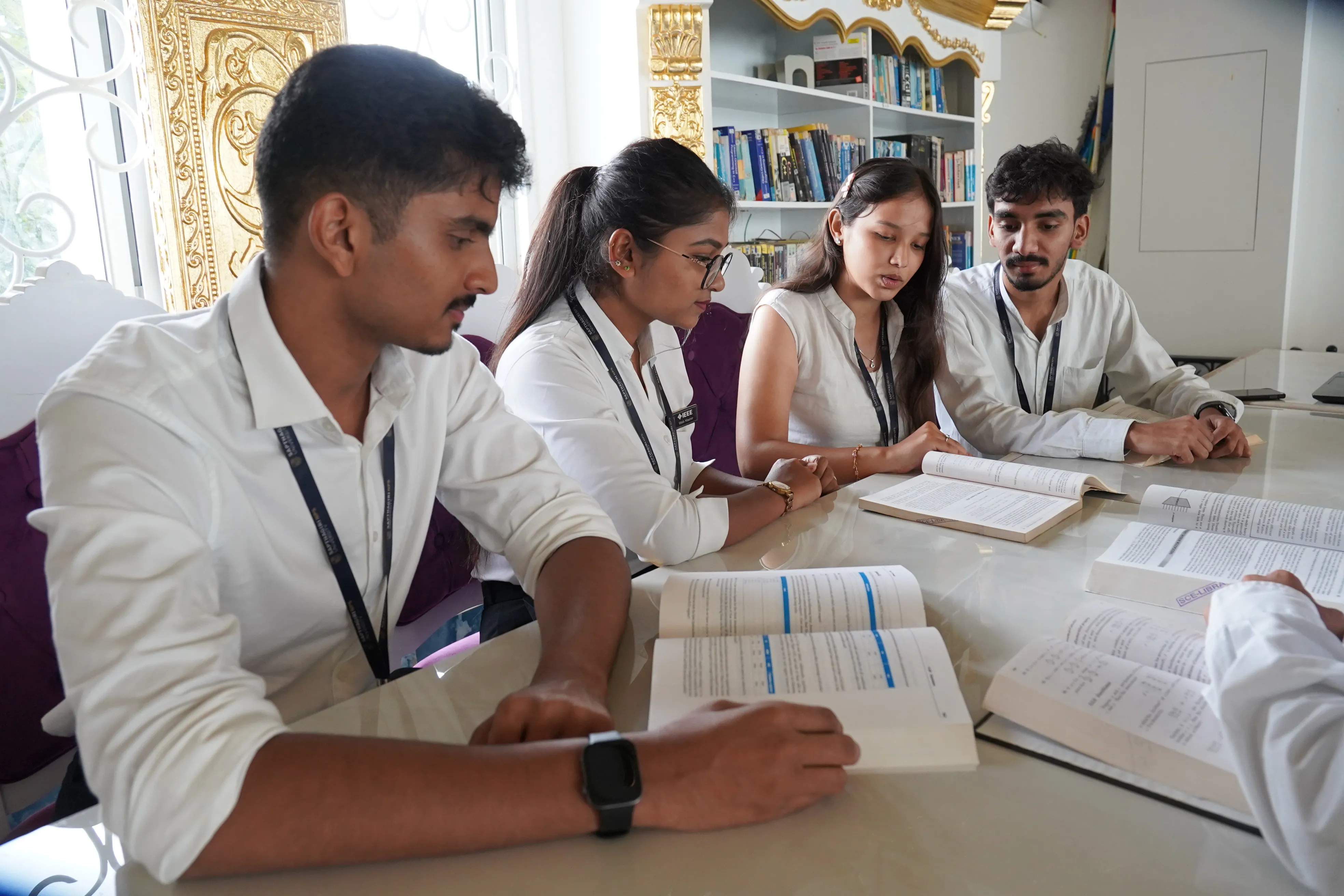
Sapthagiri NPS University library facilities support the development of information literacy. Students need to understand how to find relevant information and distinguish useful academic resources from unreliable material. Through regular academic research and guided learning, students can become more aware of the importance of source quality, relevance, accuracy, and responsible information use. These abilities are increasingly valuable in higher education and professional environments where individuals encounter large volumes of information every day. Our university encourages students to use library resources thoughtfully and purposefully rather than simply collecting information. Students can focus on understanding ideas and applying knowledge to their academic work. This approach supports deeper learning and helps students move beyond memorization. Sapthagiri NPS University library facilities provide a foundation for this process by giving students access to resources and a suitable environment for concentrated study.
Sapthagiri NPS University Library Facilities
| Library Resource | Student Benefit | Explore |
|---|---|---|
| E-Books | Flexible digital learning | Click Here |
| Academic Books | Strong subject knowledge | Click Here |
| Journals | Current research insights | Click Here |
| Digital Resources | Easy academic access | Click Here |
| Research Materials | Project and research support | Click Here |
| Reading Space | Focused study environment | Click Here |
| OPAC | Easy book search | Click Here |
| Technical Resources | Engineering and technology learning | Click Here |
The library also contributes to the academic identity of our university. A strong library reflects a commitment to knowledge, research, learning, and intellectual development. Students entering a university should feel that they have access to spaces that support their educational ambitions. Our university aims to create this sense of academic purpose through facilities that encourage learning and discovery. Sapthagiri NPS University library facilities form an important part of this identity.
Our university continues to recognize that student success depends on a combination of academic guidance, personal effort, supportive infrastructure, and access to resources. The library brings several of these elements together in one dedicated learning environment. Students can receive academic guidance from faculty and then continue their learning independently through library study. This connection between teaching and self directed learning can strengthen the overall educational experience. Library facilities also encourage students to develop a habit of preparing before academic discussions. Students can read background information before lectures, explore topics before seminars, and review materials before practical or project based activities. This preparation can help students participate more confidently in classroom conversations and academic activities. Our university encourages such proactive learning because students gain more from education when they engage with subjects before and after formal teaching sessions.
Sapthagiri NPS University library facilities can also support students during important academic transitions. First year students may use the library to become familiar with university level learning, while senior students may use it more extensively for research, projects, advanced coursework, and professional preparation. The library therefore remains relevant throughout different stages of the university experience. Each student can use the available environment according to their academic needs and goals. Our university also believes that a library should encourage a culture of sharing knowledge. Students can discuss ideas with classmates outside formal classroom sessions, collaborate on projects, and exchange useful academic references while respecting the quiet nature of study areas. This can contribute to a broader culture where students support one another and develop stronger academic communities. The library can therefore become both an individual learning space and an important part of the university learning ecosystem.
The role of library facilities becomes especially meaningful when students work on long term academic projects. Such projects require repeated research, reading, note preparation, revision, and refinement. Students need a reliable place where they can return regularly and continue their work. Our university library provides a dedicated environment for this sustained academic effort. Students can build consistent research routines and gradually develop more sophisticated approaches to academic work.
Sapthagiri NPS University Library Facilities – Admission Contact
| Contact Information | Our Official Details |
|---|---|
| University | Sapthagiri NPS University |
| Academic Facility | Library & Learning Resource Centre |
| Admission Assistance | Our Admissions Team |
| Admission Support | Click Here to Talk to an Admission Specialist |
| Official Website | Explore Our University |
Sapthagiri NPS University also recognizes the importance of creating an environment where students can discover interests beyond their immediate academic requirements. A student studying one subject may become interested in entrepreneurship, technology, management, communication, social sciences, literature, innovation, or another field through additional reading. This broad exposure can help students develop a more complete understanding of the world around them. Our university encourages this intellectual openness and sees the library as a valuable place for such exploration. Our university library facilities can also contribute to personal confidence. Students who regularly read, research, and prepare independently often become more comfortable discussing academic subjects and expressing their ideas. The ability to find and understand information can reduce dependence on a single source of explanation and encourage students to take greater responsibility for their education. This confidence can support classroom participation, project presentations, interviews, professional communication, and future learning.
The library environment also complements modern teaching methods. Contemporary education increasingly includes presentations, case studies, project work, collaborative learning, research activities, practical assignments, and technology supported education. Students involved in these activities often need additional information beyond classroom materials. Our university library provides an academic resource environment that can support these diverse learning methods and help students prepare more effectively. Sapthagiri NPS University library facilities also reflect our university commitment to creating future ready students. Being future ready requires the ability to learn continuously, adapt to new information, understand complex subjects, and develop knowledge independently. The library supports these qualities by encouraging students to become active learners rather than relying entirely on predetermined classroom content. This approach can prepare students for a professional world where knowledge continues to evolve and lifelong learning becomes increasingly important.
Our university places importance on creating learning experiences that are both structured and flexible. Structured academic resources help students follow their courses effectively, while flexible library use allows students to explore individual interests and learning needs. This balance can support students with different academic goals and study preferences. Sapthagiri NPS University library facilities are therefore positioned as an adaptable component of our educational infrastructure. A modern library also contributes to campus atmosphere. When students see peers reading, researching, and working on academic projects, it can encourage a positive learning culture. Our university aims to create a campus where academic effort is visible, respected, and supported. The library can become one of the places where this culture is naturally expressed through regular student engagement, focused study, and knowledge sharing.
Our university encourages students to use academic resources beyond the minimum requirements of their curriculum. Students can explore supplementary materials to understand topics from broader perspectives and develop stronger conceptual foundations. This practice can be particularly valuable when students prepare for advanced studies, professional examinations, internships, research projects, and career opportunities. Library resources can support students in making this additional academic effort. Sapthagiri NPS University library facilities also contribute to the development of research awareness. Students can learn that academic knowledge is built through reading, questioning, investigation, evidence, discussion, and continuous refinement. Exposure to academic resources can help students understand the importance of these processes. Our university encourages students to approach research with curiosity, responsibility, and intellectual honesty.
The library also supports the habit of revision. Effective learning often requires students to return to concepts after initial classroom exposure. Library study provides a suitable environment where students can revisit notes, consult books, compare explanations, and practice understanding. Our university encourages students to view revision as an ongoing academic process rather than a last minute examination activity. Regular library use can support this approach. Our university believes that academic spaces should contribute to student well being by providing calm and organized environments. A peaceful library can offer students a break from busy campus movement while keeping them connected with productive academic activity. Reading and focused study can provide a meaningful way for students to use their time. Sapthagiri NPS University library facilities therefore contribute not only to academic development but also to the overall quality of the student campus experience.
.webp)
Library resources can also help students become more prepared for discussions with faculty members. Students who research a topic before seeking academic guidance can ask more specific questions and engage in more meaningful conversations. Our university encourages this proactive approach because effective education develops through interaction between teaching, questioning, research, and reflection. The library supports each of these stages by giving students access to information and a dedicated study environment. Sapthagiri NPS University library facilities are also valuable for students who enjoy reading beyond their prescribed academic subjects. Wider reading can introduce students to new perspectives, cultures, ideas, professional fields, and forms of knowledge. This can contribute to personal growth and intellectual maturity. Our university encourages students to remain curious and open to learning because broad knowledge can enrich both academic and professional life.
Our university recognizes that students preparing for future careers need to become confident information users. Professional environments require individuals to research markets, understand technical developments, read reports, analyze documents, prepare presentations, and continue learning new skills. The habits developed through university library use can support these responsibilities. Students who learn how to search, read, analyze, organize, and apply information can carry these abilities into their future workplaces. The library can also support academic consistency. Students may have different schedules and responsibilities, but a dedicated library environment can help them establish regular study periods. Consistent academic routines can reduce last minute pressure and make coursework more manageable. Our university encourages students to plan their academic work and use available facilities effectively. Sapthagiri NPS University library facilities provide one of the key spaces where this disciplined approach can become part of everyday student life.
Our university also values organization and accessibility. Students should be able to approach academic resources with clarity and confidence. Organized collections, appropriate guidance, and clear library practices can make the learning experience smoother. The goal is to reduce unnecessary difficulty in locating information and allow students to spend more time on meaningful academic work. Sapthagiri NPS University continues to focus on creating facilities that support efficient and purposeful learning. The library also provides opportunities for students to develop a stronger relationship with academic literature. Textbooks are important, but students can benefit from exploring supplementary books, reference materials, journals, professional publications, research based resources, and other forms of academic content. Our university encourages students to broaden their reading gradually and become comfortable with different types of academic information. This can strengthen subject knowledge and improve research confidence.
Sapthagiri NPS University library facilities are therefore closely connected with our larger vision of professional, innovative, and future ready education. The library provides an environment where students can develop knowledge while also building habits of discipline, curiosity, analysis, communication, and independent learning. These qualities complement technical education and help students become more prepared for future responsibilities. Our university believes that infrastructure should serve a clear educational purpose. The library is not simply another campus facility but a dedicated space that supports the central mission of education. Every reading session, research activity, project preparation, and independent study period contributes to student development. Sapthagiri NPS University library facilities are designed with this purpose in mind and remain an important component of our academic environment.
The library can also support students who wish to prepare for higher studies. Students considering postgraduate education, research careers, professional qualifications, or specialized academic pathways may need to develop strong reading and research abilities. Regular library use can provide valuable preparation for these future goals. Our university encourages students to think beyond immediate academic requirements and develop skills that can support their long term educational journey. Our university also understands that academic excellence is not created through one facility alone. It develops through the combined effect of dedicated faculty, engaged students, practical learning, research opportunities, modern infrastructure, supportive environments, and access to knowledge resources. The library contributes an essential part of this combination by providing students with a place for independent academic effort. Sapthagiri NPS University continues to develop a campus environment where these elements work together to support meaningful education.
Library facilities can also strengthen students' ability to prepare for professional communication. Students often need to write reports, project documents, research summaries, presentations, applications, and other forms of academic and professional content. Reading high quality academic material can expose students to organized writing and professional vocabulary. Our university encourages students to learn not only from what they read but also from how information is presented and communicated. Sapthagiri NPS University library facilities can become a valuable support system during project submission periods, examination preparation, seminar schedules, and research deadlines. Students can plan their study time around their academic responsibilities and use the library environment for focused preparation. This flexibility can help students manage multiple academic commitments more effectively.
Our university also promotes the idea that learning should be purposeful. Students can enter the library with specific goals such as completing a chapter, researching a topic, preparing a presentation, reviewing notes, or reading additional material. Goal oriented study can make library sessions more productive and help students track their academic progress. Over time, these habits can contribute to stronger academic discipline. The library also provides a space where students can develop patience with complex subjects. Some academic topics cannot be understood through quick reading or short explanations. They require repeated study, comparison, practice, and reflection. Our university encourages students to give themselves the time required for meaningful learning. The library provides an appropriate environment for this deeper engagement.
Sapthagiri NPS University believes that a modern university should encourage students to become knowledge creators as well as knowledge users. Research projects, academic presentations, discussions, and independent study can help students move toward this role. Library facilities support the process by providing access to resources that students can use when developing their own academic ideas and interpretations. Our university library environment also complements the visual and architectural identity of our modern campus. Contemporary educational infrastructure should combine functionality with thoughtful design. Comfortable learning spaces and well planned academic facilities can contribute to a positive perception of the university while serving practical educational needs. Sapthagiri NPS University continues to focus on creating spaces that reflect both academic purpose and modern expectations.
The library also supports collaboration when students work together on academic projects. While individual reading remains an important activity, students may need to discuss research findings, compare information, organize project content, or prepare presentations with classmates. Our university encourages responsible academic collaboration and provides a wider campus environment where students can combine independent preparation with teamwork. Sapthagiri NPS University library facilities can also support students during internships and professional preparation. Students may need to understand industries, organizations, technologies, professional practices, or specialized topics before entering internships and career opportunities. Additional reading and research can help them become more informed and confident. Our university encourages students to use available academic resources to prepare themselves for professional environments.
Our university understands that future careers will require adaptability. Students may encounter new technologies, new professional practices, and changing industry expectations after graduation. A strong foundation in independent learning can help them respond to these changes. Library use encourages the habit of seeking knowledge and learning independently, making it an important part of future ready education. The library also encourages students to value knowledge as a long term resource. Buildings, technologies, and professional roles may change over time, but the ability to learn remains valuable throughout life. Our university wants students to graduate not only with academic qualifications but also with the confidence and discipline to continue learning. Sapthagiri NPS University library facilities support this long term educational philosophy.
Our university remains committed to creating an academic environment where students can learn with confidence, explore knowledge with curiosity, conduct research with responsibility, and prepare for future opportunities with greater awareness. The library forms an important part of this environment by bringing together resources, study opportunities, academic discipline, and independent learning. Sapthagiri NPS University library facilities therefore represent much more than a traditional reading space. They form an essential part of our academic infrastructure and support students through classroom preparation, independent study, research, project development, examination revision, professional preparation, and lifelong learning. Our university encourages every student to make meaningful use of this environment and develop habits that can support both academic achievement and personal growth.
Our university continues to believe that knowledge grows when students are encouraged to read, question, investigate, discuss, reflect, and apply what they learn. The library provides the environment needed for these activities and strengthens the connection between formal teaching and independent exploration. Sapthagiri NPS University remains focused on creating modern educational facilities that support these principles and provide students with a meaningful university experience. The library is an important destination for students who want to improve their academic understanding, expand their knowledge, strengthen research abilities, and prepare themselves for future professional responsibilities. Our university encourages students to approach the library with curiosity and purpose. Whether they spend a short period reviewing a topic or dedicate several hours to research, every meaningful learning session can contribute to their academic development.
Sapthagiri NPS University library facilities also reflect our belief that students deserve access to supportive academic environments throughout their university journey. From the early stages of adapting to university level study through advanced project and research work, students can benefit from a dedicated place for learning. The library remains a consistent academic resource that can support changing student needs. Our university also encourages students to combine library learning with classroom instruction, laboratory practice, project activities, workshops, seminars, internships, and other educational experiences. Knowledge becomes more meaningful when students can connect theory with application and independent exploration. The library provides additional resources that can help students make these connections and understand their subjects from broader perspectives.
A strong library culture can contribute to a stronger academic culture across the university. When students regularly engage with books, research materials, and independent study, learning becomes part of the wider campus identity. Our university aims to nurture such a culture through modern infrastructure and student focused facilities. Sapthagiri NPS University library facilities are an important part of this effort. Our university recognizes that every student arrives with different interests, abilities, experiences, and goals. The library provides opportunities for students to personalize aspects of their learning journey. Students can choose subjects for additional reading, identify areas where they need more support, explore new interests, and develop individual study routines. This flexibility can help students become more confident and self aware learners.
Sapthagiri NPS University library facilities also contribute to a culture of academic curiosity. Students can discover new ideas simply by exploring available resources. A book, journal, reference material, or research topic can lead to questions that extend beyond the original course requirement. Our university values this curiosity because meaningful education often begins when students become interested in understanding something more deeply. Our university believes that the library should remain connected with the changing needs of students and education. As learning methods evolve, library practices and resources can also develop. The objective remains consistent: students should have meaningful opportunities to access knowledge, study independently, conduct research, and prepare for their future. Sapthagiri NPS University continues to focus on this objective while developing modern academic infrastructure.
The library also provides a suitable environment for students who want to use their free academic time productively. Rather than spending every break without purpose, students can read, revise, research, or prepare upcoming coursework. Our university encourages productive use of time and recognizes that small consistent learning activities can create significant academic progress over the course of a semester. Sapthagiri NPS University library facilities are therefore an important support for students who want to build strong academic habits, improve their understanding, prepare confidently, and remain curious throughout their education. Our university continues to create spaces that encourage students to learn beyond the boundaries of scheduled classes and become independent thinkers.
Our university sees modern library infrastructure as part of a larger commitment to quality education. A university environment should provide students with opportunities to learn through classrooms, laboratories, technology, research, practical activities, academic resources, and independent study. The library connects many of these elements by providing a dedicated place where students can bring information together and develop their own understanding. The library also supports academic preparation before important events. Students preparing for examinations, seminars, project reviews, competitions, interviews, internships, and research presentations can use library resources to strengthen their preparation. Our university encourages students to approach preparation systematically and use available resources effectively.
Sapthagiri NPS University library facilities can contribute to stronger student confidence because preparation often creates confidence. When students understand their subjects and have researched their topics carefully, they are more comfortable participating in discussions and presenting their ideas. The library supports this preparation process by providing a suitable academic environment. Our university also values the connection between reading and innovation. New ideas often develop when individuals encounter different perspectives and connect information in new ways. Students who read broadly can discover possibilities beyond conventional approaches. Sapthagiri NPS University encourages innovation through education and believes that library based exploration can contribute to the development of creative and analytical thinking.
The library also complements our university focus on future ready education. Future professionals need to remain informed, adaptable, curious, and willing to learn new concepts. Regular engagement with academic resources can help students develop these qualities. Our university therefore views library facilities as an important part of preparing students for changing professional environments. Sapthagiri NPS University library facilities provide a foundation for students who want to take their academic journey seriously. The library creates an environment where students can dedicate time toward their goals and develop habits that support long term success. Our university encourages students to use this environment responsibly and consistently.
Our university also believes that academic infrastructure should inspire students. A well planned library can communicate the message that learning is valued and supported. When students have access to dedicated spaces for reading and research, they are encouraged to treat independent learning as an important part of their education. Sapthagiri NPS University continues to strengthen this academic culture through thoughtful infrastructure and student focused facilities. The library is therefore closely connected with our university vision of creating an environment where excellence can grow through knowledge, discipline, curiosity, innovation, and continuous learning. Every student can use the library in a different way depending on their academic goals, but the underlying purpose remains the same: to create opportunities for deeper learning and knowledge development.
Our university encourages students to make library use a regular part of their university routine. Consistent engagement can help students build stronger reading habits, improve academic preparation, become more comfortable with research, and develop greater independence. These benefits can continue to support students long after they complete their university education. Sapthagiri NPS University library facilities contribute to a campus environment that values both academic achievement and personal development. Students can use library time to improve subject knowledge while also developing concentration, discipline, communication, research ability, and critical thinking. These qualities are essential for becoming capable professionals and responsible members of society.
Our university remains committed to creating learning environments that combine modern infrastructure with meaningful educational purpose. The library is an important example of this commitment because it provides a dedicated space where students can read, research, reflect, prepare, and grow. Sapthagiri NPS University continues to encourage students to use every available academic opportunity and make their university experience purposeful and enriching. The future of education will continue to depend on students who can learn independently, evaluate information, adapt to change, and apply knowledge creatively. Our university library facilities support the development of these qualities by giving students access to resources and an environment designed for focused learning. The library therefore remains an essential part of our university infrastructure and our commitment to developing students who are prepared to continue learning, adapt confidently, and contribute meaningfully to their future academic and professional environments.
A Modern Knowledge Space for University Learning
Our university library is an important part of the academic environment at Sapthagiri NPS University, providing students with a dedicated space for reading, research, revision, independent study, academic preparation, and knowledge exploration. Our university recognizes that meaningful higher education extends beyond classroom instruction because students need opportunities to revisit concepts, explore additional information, prepare academic work, and develop their own understanding of different subjects. The library supports this broader approach to education by creating an environment where students can dedicate focused time to their academic responsibilities and explore knowledge according to their individual requirements. Students can use the library for regular reading, examination preparation, assignments, projects, seminars, presentations, research activities, academic writing, and wider subject exploration. The library also encourages students to develop discipline, curiosity, concentration, independent thinking, and a positive attitude toward continuous learning. Through Sapthagiri NPS University library facilities, our university aims to provide a knowledge focused environment that complements classroom teaching and supports students throughout their academic journey.
A Purposeful Environment for Focused Study
A dedicated academic environment can make a meaningful difference in the way students organize their study routines and approach their responsibilities. Our university provides a library environment where students can move away from the pace of everyday campus activities and concentrate on specific academic objectives. Students may use this space to read course material, revise important concepts, prepare assignments, work on projects, conduct research, or develop presentations. Having a consistent place for academic work can help learners establish regular study habits and make better use of the time available between classes and other responsibilities. A focused environment can also encourage students to approach demanding subjects with patience because they have an appropriate setting in which to spend sufficient time understanding complex information. Our university considers this focused learning atmosphere an important part of creating a balanced academic experience.
Academic Resources for Broader Learning
Classroom teaching provides students with structured academic guidance, while additional resources can help them explore subjects from wider perspectives. Our university library gives students opportunities to consult learning materials that complement their regular academic studies and encourage deeper engagement with their chosen disciplines. Students can revisit concepts introduced during lectures, examine additional explanations, explore examples, and develop a stronger understanding of subjects that require further attention. Additional academic reading can also help learners recognize connections between concepts that may not become immediately visible during classroom sessions. This approach encourages students to become more curious about their subjects and motivates them to explore knowledge beyond the minimum requirements of their coursework. Sapthagiri NPS University library facilities therefore contribute to a learning culture where students are encouraged to investigate, understand, and apply knowledge with greater confidence.
Independent Learning and Academic Responsibility
University education gradually encourages students to become more responsible for their own academic development. Our library supports this transition by giving learners an environment where they can decide what they need to study, which topics require additional attention, and how they want to organize their preparation. A student can use library time to review a challenging subject, prepare for an upcoming assessment, investigate a project topic, or explore an area of personal academic interest. This independence helps learners understand that academic progress depends not only on classroom teaching but also on their own willingness to explore and practice. Students can develop personal study strategies that match their learning requirements and gradually become more comfortable with managing academic responsibilities. These abilities can remain useful throughout higher education and later professional life.
Building a Strong Reading Culture
Reading is an important part of university education because it can strengthen comprehension, vocabulary, concentration, communication, subject awareness, and analytical thinking. Our university encourages students to develop regular reading habits rather than limiting their reading activities to examination preparation. The library provides an appropriate environment where students can spend meaningful time with academic resources and gradually make reading a consistent part of their daily routine. Course related reading can strengthen understanding of academic subjects, while wider reading can introduce learners to new ideas, professional developments, research findings, and areas of personal interest. Students may also discover connections between different disciplines while exploring additional material. This broader reading culture can encourage intellectual curiosity and help students become more confident when approaching complex information.
Examination Preparation Through Consistent Learning
Examination preparation becomes more effective when students develop their understanding throughout the academic term instead of depending entirely on last minute revision. Our university library provides a suitable environment where students can review their subjects, organize notes, consult additional resources, and dedicate focused time to areas that require greater attention. Students can use regular library sessions to revisit concepts introduced in class and strengthen their understanding before assessment periods become demanding. Consistent preparation also gives learners an opportunity to recognize difficulties early and seek appropriate academic guidance when necessary. A structured study routine can reduce unnecessary pressure and allow students to approach examinations with greater confidence. Our university encourages learners to consider the library as part of their regular academic routine rather than as a facility used only during examination periods.
Research and Academic Inquiry
Research encourages students to move beyond simply receiving information and develop the ability to investigate questions independently. Our university promotes research oriented learning through projects, assignments, seminars, presentations, academic activities, and other forms of study that require students to explore information carefully. The library provides an environment where learners can dedicate sufficient time to examining resources, comparing information, identifying relevant ideas, and developing their own understanding. Research also teaches patience because meaningful investigation may require students to examine several resources before reaching a clear conclusion. Through repeated research activities, students can become more comfortable with information gathering, analysis, organization, and academic communication. These abilities can support both higher education and future professional responsibilities.
Supporting Academic Project Development
Academic projects provide students with opportunities to connect theoretical learning with research, creativity, analysis, planning, and practical application. Developing a strong project usually requires students to understand the background of a topic, identify relevant information, organize their ideas, develop an appropriate approach, and present their findings clearly. Our university library provides a suitable environment for students to work through these stages systematically. Learners can begin by researching their chosen topic and gradually develop a stronger understanding before deciding how to present their work. They can return to relevant resources when they encounter new questions and refine their ideas as the project develops. This process encourages students to understand that quality academic work is generally developed through research, preparation, revision, and careful organization. Library based project preparation can therefore strengthen both subject knowledge and practical academic skills.
Seminar Preparation and Academic Presentations
Seminars and presentations provide valuable opportunities for students to develop research abilities, communication skills, confidence, and academic organization. Effective presentation preparation requires more than collecting information because students need to understand their subject sufficiently to explain important concepts and respond to questions. Our library provides students with a focused environment where they can research seminar topics, examine supporting information, organize key points, and prepare their presentations carefully. Students can use additional reading to develop a stronger understanding before presenting their ideas to faculty members and peers. This preparation can improve the quality of academic communication and help learners become more comfortable discussing their subjects. The experience can also strengthen presentation abilities that may become useful during internships, interviews, professional meetings, and future workplace responsibilities.
Digital Learning and Modern Information Access
Modern university education involves both traditional academic resources and digital information. Our university recognizes that students need to become comfortable with different forms of information and develop the ability to use digital resources responsibly. Library facilities can complement physical learning materials with digital academic resources where available, providing students with additional opportunities to explore electronic publications, research material, academic databases, and educational information. Digital learning can help students become familiar with searching, organizing, evaluating, and applying information for academic purposes. However, effective digital learning requires students to think critically about the quality and relevance of the information they encounter. Our university encourages a balanced approach in which technology supports learning while thoughtful analysis remains an important part of the academic process.
Developing Information Literacy
The ability to locate information is only one part of successful academic research. Students also need to understand whether information is relevant, appropriate, reliable, and useful for the particular task they are completing. Our university encourages learners to develop information literacy through careful reading, research, comparison, and responsible academic practice. Library based research gives students opportunities to examine different types of resources and understand how various materials can support different academic purposes. Students can gradually become more careful when selecting information for assignments, projects, presentations, and research activities. They can also learn the importance of using information responsibly and presenting academic work honestly. These habits contribute to academic integrity and prepare learners for professional environments where responsible information handling is essential.
Developing Critical Thinking Through Academic Reading
Critical thinking develops when students learn to examine information carefully, consider different viewpoints, and form conclusions based on thoughtful analysis. Our university encourages learners to move beyond memorization and develop a deeper understanding of the subjects they study. Library reading can support this process by giving students opportunities to examine different explanations, compare perspectives, identify relationships, and consider evidence. When students encounter different approaches to the same subject, they can develop a more balanced understanding and become more comfortable forming their own academic conclusions. This approach can strengthen problem solving and decision making abilities while also improving the quality of academic discussions. Critical thinking developed through university learning can remain valuable in professional environments where individuals are expected to evaluate information before making decisions.
Interdisciplinary Knowledge Exploration
Modern academic and professional challenges often involve knowledge from multiple disciplines. Our university encourages students to develop broader awareness by exploring subjects beyond the immediate boundaries of their academic programs. Library facilities can support this approach by giving learners opportunities to discover relationships between different fields of knowledge. A student may explore connections between technology and management, communication and business, research and innovation, or academic theory and professional practice. Such exploration can broaden perspectives and encourage students to consider new approaches to projects and academic questions. Interdisciplinary reading can also help learners identify future areas of specialization and discover interests that may influence higher education or career decisions.
Academic Writing and Documentation
Academic writing requires students to communicate ideas clearly, logically, and responsibly. Our university encourages learners to use library resources when preparing assignments, reports, project documentation, research work, seminar material, and other written submissions. Exposure to well organized academic material can help students understand how information is introduced, explained, supported, and connected. Students can use their research findings to organize their own arguments and improve the clarity of their writing. Regular reading can also introduce learners to academic terminology and professional language that can strengthen their written communication. Over time, these experiences can help students become more confident when expressing complex ideas through written work.
Strengthening Communication Skills
Communication is an important part of university learning and future professional life. Students need to communicate through assignments, presentations, seminars, discussions, reports, project reviews, interviews, and collaborative activities. Library reading can contribute to communication development by exposing learners to structured academic language and different styles of presenting information. Research activities encourage students to organize their ideas before communicating them, which can improve clarity and effectiveness. Students can also develop greater confidence when they have sufficient knowledge to support what they are saying. Our university encourages learners to use academic resources not only to gain information but also to observe how knowledge can be communicated in a clear and meaningful manner.
Supporting Higher Education Aspirations
Students may choose different directions after completing their university programs, including postgraduate education, specialized study, professional qualifications, research, entrepreneurship, or employment. Each of these pathways requires students to develop strong independent learning abilities. Our university library provides opportunities for learners to become comfortable with extended reading, research, information organization, critical analysis, and self directed study. Students can gradually move toward more advanced academic material as their knowledge develops. This experience can prepare them for the greater independence associated with postgraduate education and research. Learners who develop strong academic habits during university can approach future educational opportunities with greater confidence.
Career Preparation Through Knowledge Development
Professional readiness involves more than technical knowledge because successful careers often require communication, problem solving, adaptability, research ability, and continuous learning. Our university encourages students to develop these qualities throughout their academic journey. Library resources can help learners explore professional developments, industry information, research findings, emerging technologies, and broader discussions connected with their chosen disciplines. This additional knowledge can help students understand how classroom learning relates to professional responsibilities. It can also support informed decisions regarding internships, specialization, higher studies, and career planning. By developing a habit of continuous knowledge exploration, students can prepare themselves for professional environments that continue to evolve.
Internship Preparation
Internships provide students with opportunities to experience professional environments and understand how academic knowledge is applied in practical situations. Preparation before an internship can help learners approach the experience with greater awareness and confidence. Our university library can support this preparation by providing opportunities to explore information related to industries, organizations, professional roles, technologies, and subject specific developments. Students can strengthen their understanding before entering an internship and develop meaningful questions that can guide their practical learning. This connection between academic preparation and professional exposure can help students make better use of internship opportunities and understand the relationship between university education and workplace responsibilities.
Encouraging Innovation and Entrepreneurial Thinking
Innovation often begins with curiosity and the willingness to investigate problems from different perspectives. Our university encourages students to think creatively about how their academic knowledge can be applied to real situations. Library resources can support this process by exposing learners to research, technologies, business concepts, professional developments, and examples of innovative approaches. Students developing entrepreneurial ideas can use additional reading to understand the background of their concepts and identify areas that require further exploration. This approach can encourage learners to combine knowledge with creativity, analysis, and practical thinking. Such qualities can be valuable for students who wish to develop their own ventures or contribute innovative ideas within professional organizations.
Academic Competitions and Enrichment Activities
Academic competitions, debates, quizzes, conferences, workshops, seminars, and other enrichment activities provide students with opportunities to apply their knowledge in different situations. Preparation for these activities often requires additional reading and research beyond regular classroom work. Our university library provides an appropriate environment where students can explore topics, review information, organize their ideas, and prepare presentations or responses. Participation in such activities can strengthen communication, confidence, teamwork, research ability, and subject awareness. These experiences can also help students discover interests and abilities that may not always become visible through conventional examinations.
Student Collaboration and Peer Learning
Independent study is important, but academic development can also benefit from responsible collaboration with peers. Our university encourages students to participate in group projects, research activities, presentations, discussions, and other collaborative learning experiences. Library resources can provide a common academic foundation for students who need to examine information before working together. Each student can contribute through individual preparation and then share relevant findings with the group. This combination can strengthen communication, accountability, coordination, and respect for different perspectives. Collaborative learning also allows students to explain concepts to one another, which can sometimes strengthen their own understanding of a subject.
Academic Planning and Time Management
University students often manage several academic responsibilities at the same time, making effective planning an important part of their development. Our library provides an environment where learners can allocate specific periods for different academic activities and work toward clear objectives. Students can divide large assignments into smaller stages, plan research sessions, schedule revision, and prepare presentations well before deadlines. Developing these habits can reduce dependence on rushed preparation and encourage steady academic progress. Time management developed during university can also become a valuable professional skill because graduates are often expected to manage multiple responsibilities and complete tasks within specific timelines.
Self Assessment and Continuous Improvement
Independent study allows students to evaluate their own academic progress and identify areas that require additional attention. While reading or revising, learners can recognize which concepts they understand confidently and which subjects require further study. Our university library provides a suitable environment where students can take time to review their progress and adjust their study strategies accordingly. Learners can return to challenging material, explore additional resources, prepare questions, and seek guidance when necessary. This process encourages self awareness and helps students become more responsible for their own academic development. Continuous self assessment can also help learners recognize improvement over time and maintain motivation during challenging periods.
Preparation for Viva and Project Evaluation
Viva examinations and project reviews require students to understand their work thoroughly and communicate their knowledge clearly. Preparation often involves reviewing research material, understanding important concepts, examining methodology, and considering possible questions. Our library provides a focused environment where students can return to their project material and strengthen their understanding before an evaluation. This preparation can help learners explain their work with greater confidence and respond to questions based on genuine understanding. The ability to discuss academic work thoughtfully can strengthen communication and analytical skills that remain useful in professional situations.
Developing Professional Reading Habits
Professional life frequently requires individuals to read reports, research papers, technical information, industry updates, policy documents, business material, and specialized publications. University library use can help students become familiar with detailed and structured information before entering the workplace. Our university encourages learners to gradually expand their reading beyond basic textbooks and become comfortable with different forms of academic and professional content. Developing this habit can make future professional learning easier and can help graduates remain informed as their industries change. A strong reading habit can also encourage lifelong curiosity and continued professional development.
Encouraging Lifelong Learning
Graduation marks the completion of a formal academic program but does not represent the end of learning. Professional fields continue to evolve, new technologies emerge, research advances, and new knowledge develops continuously. Our university encourages students to develop habits that support lifelong learning so they remain prepared for these changes. Regular use of library facilities can help learners become comfortable with independent reading, information discovery, research, and continuous knowledge development. These habits can remain useful long after graduation and can help professionals approach unfamiliar subjects with greater confidence. Lifelong learning is therefore an important part of the educational foundation developed during university.
Academic Resilience and Persistence
Students may experience difficult subjects, demanding assignments, complex projects, or unfamiliar academic requirements during their university journey. Our library provides a place where learners can dedicate additional time to challenging areas and work toward stronger understanding without unnecessary distractions. Students can revisit concepts, explore alternative explanations, organize their notes, and continue studying until difficult material becomes clearer. This process can strengthen persistence and teach learners that improvement often requires patience and repeated effort. Academic resilience developed through such experiences can also help graduates approach complex professional responsibilities with greater determination.
Reflective Learning
Reflection allows students to think carefully about what they have learned and how new information connects with their previous knowledge. Our library provides an environment where learners can review information, organize their thoughts, identify unanswered questions, and consider practical applications. Reflective learning can help students move beyond simply collecting information and instead develop deeper understanding. It can also encourage learners to recognize areas where they need further study and make more informed decisions about their academic priorities. This approach supports thoughtful learning and encourages students to become more aware of their own educational progress.
Personalized Study Approaches
Every student has different academic interests, learning preferences, strengths, and areas requiring additional attention. Our university library gives learners the flexibility to use their study time according to their individual requirements. One student may need extended reading for a complex subject, another may focus on project research, while another may use the environment for examination revision or professional preparation. This flexibility allows learners to develop personal study methods rather than depending on one approach for every subject. Students can gradually identify which strategies help them understand, organize, and retain information more effectively.
Knowledge Exploration Beyond the Curriculum
The curriculum provides students with an essential academic foundation, but intellectual growth can continue through exploration beyond prescribed requirements. Our library gives learners opportunities to investigate questions that arise from lectures, practical sessions, projects, discussions, or personal curiosity. Students may discover information about emerging technologies, research developments, professional practices, historical perspectives, or related academic fields. Such exploration can influence future interests and may lead to new project ideas, research directions, specialization choices, or career possibilities. Our university encourages this broader exploration because students benefit when they are given opportunities to follow meaningful questions and develop knowledge according to their interests.
Supporting Academic Discussions
Students can often participate more effectively in academic discussions when they have already explored the subject independently. Our library provides an environment where learners can prepare before lectures, seminars, workshops, presentations, and discussions. Students can review background information, understand important terminology, identify areas of uncertainty, and prepare thoughtful questions. This preparation can make classroom participation more meaningful and encourage students to engage actively with faculty members and peers. It also reinforces the idea that productive academic discussion develops through preparation, curiosity, and willingness to contribute.
Connecting Knowledge With Practical Applications
Academic concepts become more meaningful when students understand how they relate to practical situations. Our university encourages learners to explore the application of theoretical knowledge through projects, case studies, research, presentations, and practical activities. Library resources can provide examples, professional perspectives, research findings, and contextual information that help students understand how concepts are applied outside textbooks. This connection can strengthen subject awareness and encourage learners to consider how their education may contribute to real world problem solving. Students can therefore approach their academic subjects with a clearer understanding of their practical relevance.
Supporting Career Exploration
Choosing a career direction becomes easier when students have opportunities to understand different professional possibilities. Our university library can support this exploration by providing information related to industries, professional roles, academic specializations, emerging fields, research areas, and developments within different disciplines. Students can use this information to reflect on their interests and identify areas they may want to explore through projects, internships, higher studies, or professional training. Career exploration during university can help learners make more informed decisions and create stronger connections between academic learning and future goals.
Developing Adaptability Through Independent Learning
Professional environments continue to change, and graduates may encounter new technologies, unfamiliar responsibilities, changing industry practices, and new forms of information. Independent learning can help students become more comfortable with such changes. Our university library provides regular opportunities for learners to investigate unfamiliar subjects and build knowledge without depending entirely on formal instruction. This experience can strengthen adaptability and encourage students to approach new challenges with curiosity. The ability to learn independently can become one of the most valuable qualities developed through university education.
Supporting Academic Creativity
Creative academic ideas can emerge when students encounter different perspectives and begin connecting information in new ways. Our university library provides opportunities for learners to explore subjects across different areas and investigate ideas beyond their immediate coursework. Students working on projects, research topics, presentations, or innovative concepts can use additional information to understand problems from different perspectives and consider alternative approaches. This environment can encourage originality while maintaining a strong academic foundation. Creativity supported by knowledge can help students develop more meaningful projects and explore practical solutions to complex challenges.
Supporting Academic and Personal Growth
The benefits of library use extend beyond academic performance because regular reading and independent study can contribute to broader personal development. Students can become more disciplined when they establish consistent study routines, more patient when working through complex information, more confident when communicating ideas, and more curious when exploring unfamiliar subjects. Our university considers these qualities important components of holistic education. The library provides a practical environment where academic development and personal growth can occur together through everyday learning activities. These qualities can continue to influence students as they move toward higher education, professional opportunities, and lifelong learning.
A Continuing Academic Companion
Students' needs change as they progress through university, and the role of the library can develop along with those changing requirements. Early in their academic journey, learners may focus on foundational reading and examination preparation, while later stages may involve specialized research, advanced projects, internships, professional preparation, and higher study planning. Our university library remains relevant across these stages because students continue to require opportunities for focused study, information discovery, research, and independent learning. The library can therefore become a consistent academic companion throughout university life, supporting learners as their knowledge, responsibilities, and future goals develop.
Our Commitment to a Knowledge Driven University
Our university views the library as an essential part of a knowledge driven educational environment where students are encouraged to learn with purpose, research responsibly, communicate clearly, and continue developing their knowledge. The library complements classrooms, laboratories, practical learning areas, technology enabled education, projects, internships, and other academic experiences by providing dedicated space for independent intellectual work. This connection creates a broader learning experience where students can receive academic guidance, apply concepts, investigate questions, reflect on information, and develop their own perspectives. Through Sapthagiri NPS University library facilities, our university continues to encourage students to become active learners who can approach academic and professional challenges with confidence.
The Role of Library Facilities in Holistic Education
Holistic education involves the development of knowledge, skills, communication, confidence, discipline, curiosity, analytical thinking, creativity, and personal responsibility. Our university library contributes to this wider educational approach by providing students with opportunities to practice many of these qualities through everyday academic activities. Reading can strengthen comprehension, research can develop analytical abilities, project preparation can encourage organization, independent study can build discipline, and wider exploration can encourage curiosity. These experiences work together to create a more complete educational journey where students develop both academic knowledge and transferable abilities. Sapthagiri NPS University considers library facilities an important part of this broader approach to student development.
Supporting Future Ready Students
The professional world requires graduates who can continue learning, understand information, communicate effectively, adapt to change, solve problems, and apply knowledge responsibly. Our university aims to develop these qualities through classroom teaching, practical education, research, projects, technology, internships, and independent study. The library contributes to this approach by providing students with regular opportunities to practice research, reading, information analysis, preparation, and self directed learning. Each academic activity completed through library use can contribute to stronger habits that remain valuable after graduation. Our university therefore considers library learning an important part of preparing students for future academic and professional opportunities.
A Foundation for Lifelong Knowledge Development
The relationship students build with knowledge during university can influence how they approach learning throughout their professional lives. Our university encourages learners to understand that education is not limited to completing a curriculum or obtaining a qualification. Continuous reading, research, curiosity, and independent exploration can help graduates remain informed and adaptable as their professional environments change. Library facilities provide students with an opportunity to develop these habits while they are still within an academic setting. By becoming comfortable with finding information, understanding unfamiliar subjects, evaluating ideas, and developing knowledge independently, students can create a foundation for lifelong learning.
Frequently Asked Questions About Sapthagiri NPS University Library Facilities
1. What library facilities are available at Sapthagiri NPS University?
Our university library functions as an important academic resource centre supporting classroom learning, independent study, research, examination preparation, project work, and continuous knowledge development. Students can make use of academic books, reference materials, journals, research publications, e-books, digital resources, and subject specific learning materials. The library also provides opportunities for students to explore open academic resources and digital content according to their learning requirements.
2. How does the library support students in their academic studies?
Our library complements classroom teaching by giving students additional opportunities to review concepts, explore subjects in greater depth, consult reference material, prepare assignments, and conduct research. Students can use the available resources to strengthen conceptual understanding and develop a more independent approach to learning. The library environment also provides dedicated time for focused reading and academic preparation.
3. Does Sapthagiri NPS University provide digital library resources?
Yes, our university supports digital learning through online academic resources and digital library services. The library provides access to e-resources and digital content, while its remote access service is designed to provide convenient access to subscribed e-journals, e-books, and other electronic resources from different locations. This helps students continue academic research and learning beyond the physical library environment.
4. What types of academic resources can students explore in the library?
Students can explore a range of academic resources including textbooks, reference books, journals, research publications, e-books, digital learning resources, professional magazines, and subject specific collections. These resources can support regular coursework as well as assignments, seminars, projects, research activities, examinations, and professional preparation.
5. How can students use the library for examination preparation?
Students can use our library as a focused environment for revision, concept review, reference reading, note preparation, and examination related study. Regular library use throughout the semester can help students strengthen their understanding before examinations rather than depending entirely on last minute preparation. Additional reference resources can also help learners clarify difficult topics and explore subjects more thoroughly.
6. Can students use the library for project and research work?
Yes, the library supports project preparation and research activities by providing academic resources and a suitable environment for focused investigation. Students can explore background information, review relevant publications, compare perspectives, organize research material, and develop their project work systematically. Research based learning through library resources can also strengthen analytical thinking and academic confidence.
7. How does the library encourage independent learning?
Our university encourages students to take an active role in their own academic development. The library provides an environment where learners can decide what they need to study, identify areas requiring additional attention, explore relevant resources, and work according to their academic goals. This approach can help students develop self directed learning habits, research confidence, concentration, and greater responsibility for their academic progress.
8. What are the library opening hours?
According to the university library information, during the academic period the library operates from 7:30 AM to 8:00 PM from Monday to Saturday and from 10:00 AM to 5:00 PM on Sunday. During examination reading periods, the Monday to Saturday schedule extends to 10:00 PM, while Sunday hours remain 10:00 AM to 5:00 PM. Students should check the official library information for any schedule changes.
9. Does the library support students during examination periods?
Yes, our library provides extended reading hours during examination periods to give students additional opportunities for focused preparation. The examination reading schedule extends the weekday closing time to 10:00 PM, allowing students to use the library for longer study sessions when academic preparation becomes more intensive.
10. Does Sapthagiri NPS University provide remote access to library resources?
Yes, the library provides a remote access facility through RemoteXs for accessing subscribed electronic resources. The service is designed to bring e-journals, e-books, and other e-content together through a digital access platform, allowing students and faculty to continue using academic resources beyond the physical library environment.
11. How does the library support higher studies and career preparation?
Our library provides resources that can help students prepare for advanced academic opportunities, professional development, competitive examinations, and future career requirements. Academic literature, reference material, research resources, and career related resources can help learners strengthen subject knowledge while developing research, reading, analytical, and independent learning abilities. These skills can support students as they progress toward higher education and professional opportunities.
12. Why are Sapthagiri NPS University library facilities important for students?
Our university library is important because it connects classroom learning with independent exploration, research, revision, and continuous knowledge development. Students can use physical and digital resources to strengthen their academic foundation, prepare for assessments, develop projects, explore research interests, and build professional awareness. By encouraging regular reading and independent study, the library contributes to our university's wider vision of multidisciplinary education, innovation, problem solving, and future ready learning.
Benefits of Regular Library Usage
Regular use of Sapthagiri NPS University library facilities can become an important part of a student's academic routine because consistent engagement with books, reference materials, research resources, digital content, and focused study spaces can support learning in several meaningful ways Our university encourages students to use the library throughout the academic year rather than visiting only when examinations or project deadlines are approaching A regular approach allows learners to become more familiar with academic resources, understand how to find useful information, organize their study time, and gradually develop stronger independent learning habits Students can dedicate different library sessions to reading, revision, research, assignment preparation, project development, seminar preparation, or exploration of subjects that interest them This flexibility allows the library to support different academic requirements while helping students develop a more consistent approach to education
Improved Concentration During Academic Work
One of the important benefits of regular library usage is the opportunity to develop stronger concentration through dedicated periods of academic work Students can use the library environment to focus on reading, writing, revision, research, and other learning activities without allowing every session to become fragmented by unrelated responsibilities Consistent exposure to a focused study environment can help learners understand how to organize their attention and manage longer academic tasks Over time, students may become more comfortable spending extended periods working through detailed information, which can be particularly useful for complex subjects and research based assignments
Stronger Understanding of Academic Subjects
Regular reading gives students additional opportunities to revisit concepts introduced during classroom sessions and examine them from different perspectives Our university encourages learners to use library resources when they want greater clarity or additional context surrounding a particular topic Students can compare explanations, examine examples, review supporting information, and connect new knowledge with previously studied concepts This repeated engagement can contribute to stronger understanding and help learners develop a more complete academic foundation Instead of depending entirely on one classroom explanation, students can take the initiative to explore subjects according to their own learning requirements
Better Preparation for Assignments
Assignments often require students to understand a topic before they begin writing or presenting their responses Regular library usage gives learners opportunities to research subjects in advance and gather relevant information before deadlines become close Students can explore background material, identify useful ideas, organize notes, and gradually develop their responses This approach can make academic work more systematic and reduce the pressure associated with completing assignments in a short period It also encourages students to focus on understanding and quality rather than simply completing a requirement as quickly as possible
More Effective Research Habits
Research ability develops through repeated practice rather than through a single project Regular library use allows students to become more comfortable with identifying information, comparing resources, organizing findings, and developing their own understanding Our university encourages learners to approach research with patience and curiosity so they can gradually improve their ability to investigate unfamiliar subjects These habits can become particularly valuable during advanced projects, research activities, seminars, internships, higher studies, and professional responsibilities that require independent information gathering
Better Time Management
Students who regularly use the library can develop more structured approaches to managing their academic responsibilities They can allocate specific periods for reading, revision, project research, assignment preparation, and examination study according to their schedules Breaking larger responsibilities into smaller tasks can make academic workloads easier to manage and can encourage students to begin important work earlier Regular library sessions can therefore become part of a broader time management strategy that supports consistency and reduces unnecessary last minute pressure
Greater Academic Independence
Regular library usage encourages students to take greater responsibility for their own learning Learners can identify subjects that require additional attention and decide which areas they want to explore in greater depth This process helps students move gradually from dependence on classroom instruction toward greater confidence in independent study Our university believes that this independence is important because graduates will eventually need to continue learning without the constant guidance available within a university classroom
Improved Reading and Comprehension
Frequent academic reading can strengthen a student's ability to understand detailed information and identify important ideas within longer texts Regular exposure to books, journals, reference materials, research publications, and digital resources can help learners become more comfortable with academic language and specialized terminology As students read more consistently, they may find it easier to identify key points, understand relationships between concepts, and summarize information in their own words These abilities can support academic writing, examinations, presentations, research activities, and professional communication
Broader Knowledge Beyond the Curriculum
Regular library visits can introduce students to subjects that may not receive extensive attention during classroom teaching Learners can explore related disciplines, professional developments, emerging technologies, research areas, historical perspectives, and topics connected with their personal interests This broader exposure can help students develop a wider understanding of the world and discover areas they may want to explore further Such discoveries can influence future project topics, research interests, specialization decisions, higher education plans, and career choices
Stronger Critical Thinking
Regular reading encourages students to encounter different ideas and perspectives rather than relying on a single explanation Our university encourages learners to compare information, consider evidence, identify relationships, and form conclusions through thoughtful analysis Library based learning provides opportunities for this process because students can examine multiple resources and consider how different approaches address the same subject Over time, these experiences can strengthen critical thinking and help learners become more thoughtful when evaluating academic and professional information
Increased Confidence in Academic Discussions
Students who regularly explore academic resources may feel more prepared to participate in classroom discussions, seminars, presentations, project reviews, and academic activities Preparation provides learners with background knowledge that can make it easier to ask questions, explain concepts, and contribute meaningful observations Our university encourages students to develop confidence through genuine understanding rather than relying only on memorized responses Regular library usage can support this process by giving students additional opportunities to become familiar with their subjects
Better Project Development
Long term projects often require continuous research and gradual development rather than a single period of preparation Regular library usage allows students to return to their project topics repeatedly, examine additional information, refine their ideas, and improve their final work over time Learners can use separate sessions for background research, information organization, writing, review, and refinement This approach can improve project quality while teaching students the importance of patience, planning, and continuous improvement
Preparation for Higher Education
Students who develop regular reading and research habits during university can become better prepared for postgraduate programs and other advanced academic opportunities Higher education often requires learners to work with larger amounts of information and take greater responsibility for independent research and study Regular library use gives students practical experience with these expectations and can make the transition toward advanced academic work more comfortable Our university encourages learners to develop these habits early so they can continue building upon them throughout their educational journey
Professional Knowledge Development
Regular library usage can also support students in understanding how their academic subjects connect with professional environments Learners can explore industry related information, professional practices, research developments, technologies, and emerging areas within their disciplines This broader knowledge can help students understand the changing nature of their chosen fields and identify areas where they may want to develop additional skills Such awareness can support internship preparation, career planning, higher study decisions, and professional development
Development of Lifelong Learning Habits
Perhaps one of the most valuable benefits of regular library usage is the development of a lasting habit of independent learning Our university encourages students to understand that education does not end when they complete their degree Professional fields continue to evolve, technologies change, and new knowledge develops continuously Students who become comfortable with reading, researching, evaluating information, and learning independently during university can carry these habits into their professional lives Sapthagiri NPS University library facilities therefore contribute not only to current academic requirements but also to the development of learners who remain curious, adaptable, and committed to continuous knowledge development throughout their future careers.
How To Use Sapthagiri NPS University Library Facilities
1. How to use the Sapthagiri NPS University library for regular study?
Students can use our university library by planning a specific study objective before beginning their session and selecting resources related to the subject they want to understand. Regular library visits can be used for reading, revision, note preparation, assignment work, and independent learning. A consistent routine can help students improve concentration and make productive use of their academic time.
2. How to use the library for examination preparation?
Students can use the library for systematic examination preparation by reviewing important concepts, consulting relevant academic resources, preparing notes, and revising subjects that require additional attention. Starting preparation early allows learners to divide their syllabus into manageable sections and gradually strengthen their understanding rather than depending entirely on last minute study.
3. How to use the library for project and research work?
Students can begin by identifying their project topic and then explore relevant books, reference materials, journals, research publications, and digital resources available through our university library. The collected information can be organized according to the project requirements, helping students develop their research, analysis, writing, and presentation work in a structured manner.
4. How to use library resources for seminar and presentation preparation?
Students can first understand their seminar topic and then explore suitable academic resources to develop stronger subject knowledge. They can identify important points, compare relevant information, organize their ideas, and prepare their presentation based on a clear understanding of the topic. This approach can help students communicate their ideas more confidently during seminars and academic presentations.
5. How to make the best use of Sapthagiri NPS University library facilities?
Students can make the best use of our university library by combining regular reading, focused study, research, revision, digital learning, and independent exploration. Learners can set academic goals for each library session, select relevant resources, maintain organized notes, and dedicate sufficient time to areas that require deeper understanding. Consistent and purposeful library use can help students strengthen subject knowledge while developing research ability, concentration, academic discipline, communication skills, and lifelong learning habits.
Building a Strong Academic Foundation Through Sapthagiri NPS University Library Facilities
Our university library plays an important role in supporting student success by providing a dedicated environment for reading, research, focused study, academic preparation, and independent learning Sapthagiri NPS University library facilities complement classroom education by giving students opportunities to explore subjects in greater depth, strengthen their understanding, prepare academic work, and develop consistent learning habits Regular engagement with the library can help students become more organized, confident, curious, and responsible in managing their academic responsibilities The library also supports students as they progress from foundational learning toward advanced projects, research activities, internships, higher education, and professional preparation Through meaningful library usage, our students can develop stronger academic knowledge along with research ability, critical thinking, communication, concentration, information handling, and lifelong learning habits Our university continues to encourage students to make purposeful use of the library throughout their academic journey so that learning becomes a continuous process extending beyond classroom instruction Sapthagiri NPS University library facilities therefore contribute to student success by creating opportunities for learners to study with focus, explore knowledge independently, and prepare themselves for future academic and professional opportunities.
Explore Our Sapthagiri NPS University Library Facilities
Our University provides Sapthagiri NPS University Library Facilities designed to support academic learning, independent study, research and continuous knowledge development. Our Library & Learning Resource Centre brings together academic books, e-books, journals, digital resources, research materials and focused learning spaces to help our students make the most of their university experience. Students can explore our library resources for subject learning, examination preparation, assignments, seminars, project development, technical research and higher education preparation. Our digital and academic resources also provide opportunities to explore knowledge beyond the classroom and develop stronger research and information skills.
Library & Learning Resource Centre
Explore our academic collection, digital learning resources, research facilities and student-focused reading environment.
Click Here to Explore Our Library
For admission guidance, programme information and assistance from Our Admissions Team:
Click Here to Talk to an Admission Specialist
Sapthagiri NPS University
#14/5, Chikkasandra, Hesaraghatta Main Road, Bengaluru, Karnataka, India
Leave a Comment