
Bhai Dooj: History, Significance, Traditions & Celebration
Bhai Dooj : History, Significance, Traditions and Celebration in India
Bhai Dooj is a cherished Hindu festival that celebrates the special relationship between brothers and sisters. Observed during the Diwali festive season, this occasion highlights love, protection, mutual respect, family unity, and lifelong emotional connections. Sisters traditionally apply a tilak to their brothers' foreheads, perform prayers for their well-being, and share sweets as expressions of affection. Brothers, in return, offer gifts, blessings, and promises of support. The Bhai Dooj festival holds cultural and emotional importance because it encourages families to appreciate the people who stand beside them through life's different stages. Although customs vary across India, the central message remains the same: sibling relationships deserve care, understanding, and respect. Our University recognises the importance of Indian festivals in preserving cultural heritage and encouraging positive social values among younger generations. Learning about Bhai Dooj helps students understand the traditions that connect families and communities. The festival also reminds everyone that meaningful relationships grow stronger through kindness, communication, trust, and shared experiences. Bhai Dooj 2026 offers families an opportunity to celebrate their bonds, express gratitude, and create beautiful memories that can be cherished for years.
History of Bhai Dooj: Understanding the Traditional Origins
The history of Bhai Dooj is associated with traditional Hindu stories that explain the special bond between siblings. One widely known legend connects the festival with Yama, the god of death, and his sister Yamuna. According to the traditional account, Yamuna welcomed her brother with affection, offered him food, and performed rituals for his well-being. Yama was pleased by her hospitality and blessed her, and this story became associated with the custom of brothers visiting their sisters. Another popular account connects Bhai Dooj with Lord Krishna's visit to his sister Subhadra after his victory over the demon Narakasura. In this story, Subhadra welcomed Krishna with a ceremonial tilak, flowers, sweets, and prayers. These legends are remembered in different communities and help explain why the festival centres on sibling affection and blessings. The Bhai Dooj significance is therefore closely connected with family relationships, hospitality, protection, and gratitude. While the stories may vary by region and tradition, they continue to inspire families to honour the bond between brothers and sisters. Our University encourages students to learn about India's cultural stories with curiosity and respect, recognising how traditional narratives communicate values that remain meaningful in contemporary society.
Bhai Dooj Significance: Love, Protection and Family Unity
The Bhai Dooj significance extends beyond the rituals performed on the festival day because it highlights the emotional importance of family relationships. Brothers and sisters often share childhood memories, experiences, responsibilities, and personal milestones that create a unique bond. The festival gives them an opportunity to acknowledge that relationship and express appreciation for one another. A sister's prayers symbolise affection and good wishes for her brother's happiness, health, and prosperity, while a brother's gesture of care represents support and commitment. These customs should be understood as expressions of mutual affection rather than restrictions on how siblings must behave. Modern families may celebrate the occasion in traditional or contemporary ways, depending on their circumstances and preferences. The Importance of Bhai Dooj also lies in its reminder that love and respect should be expressed throughout the year, not only during festivals. Our University believes that cultural understanding can help students appreciate values such as empathy, responsibility, gratitude, and cooperation. By reflecting on the message of Bhai Dooj, young people can recognise the role of supportive relationships in building confidence, emotional strength, and a sense of belonging.
👉 Admissions are Open – Start Your Application and begin your academic journey with our university.
Bhai Dooj Traditions: Tilak, Prayers and Family Customs
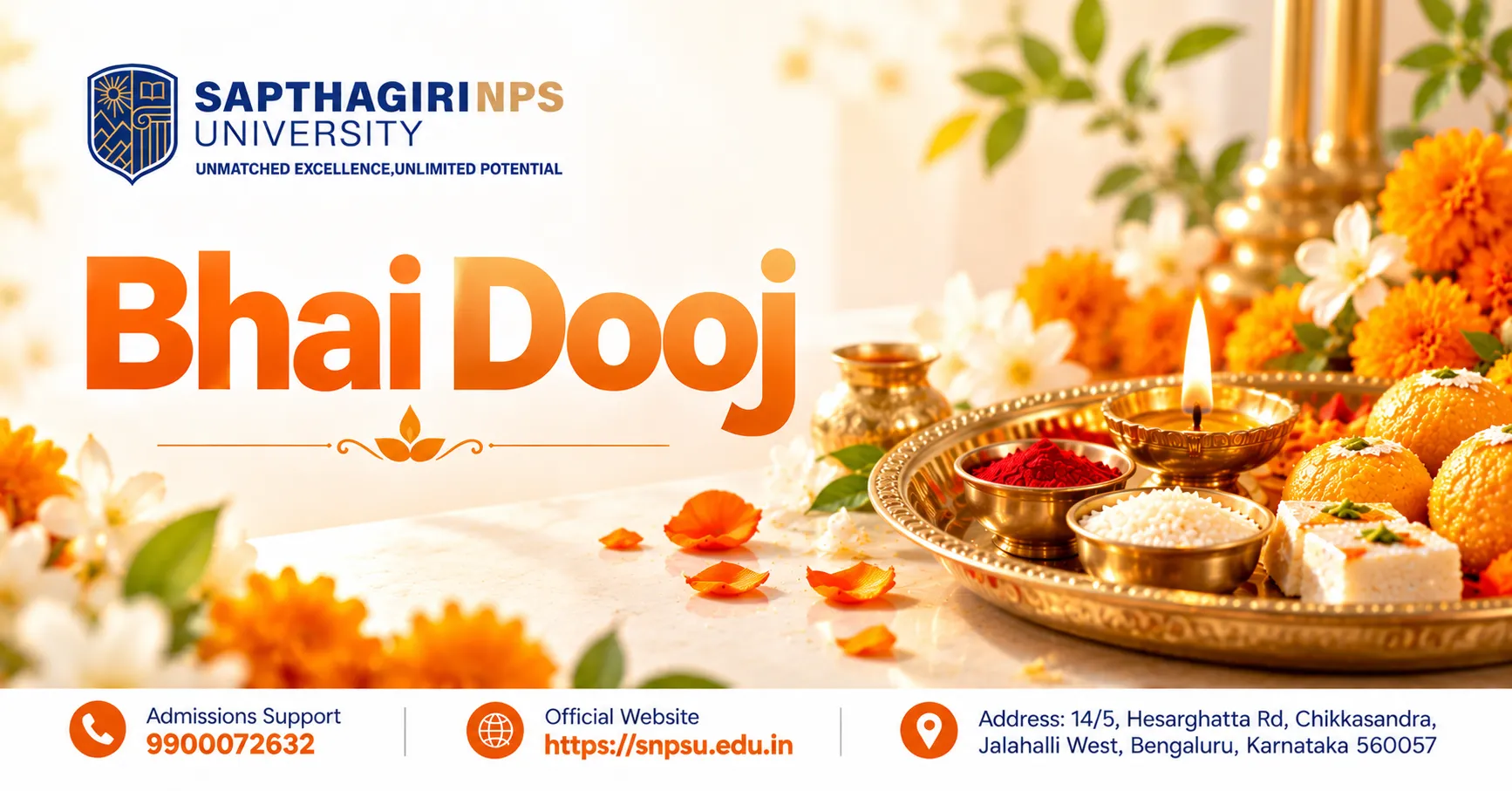
Bhai Dooj traditions include a collection of rituals that express affection and blessings between brothers and sisters. In many families, sisters prepare a clean space for the ceremony, arrange a puja thali, and place items such as a tilak, rice grains, flowers, sweets, and a small lamp on it. The sister applies a tilak to her brother's forehead and prays for his well-being, happiness, and success. Depending on family customs, the ceremony may include an aarti, the exchange of gifts, and the sharing of a festive meal. Brothers often give presents or money to their sisters as a gesture of appreciation and affection. However, the exact customs vary according to region, family background, and personal preference. Some siblings live far apart and celebrate through phone calls, video messages, or gifts delivered to their homes. These modern practices allow families to maintain emotional connections even when they cannot meet in person. The Bhai Dooj festival therefore combines traditional rituals with flexible ways of expressing love. Our University encourages students to appreciate these customs as part of India's living cultural heritage while recognising that respect, consent, kindness, and equality are important in every family relationship.
Bhai Dooj Celebration Across India
The Bhai Dooj celebration takes different forms across India, reflecting the country's regional diversity and the many traditions associated with sibling relationships. In northern India, the festival is commonly known as Bhai Dooj, and sisters perform tilak ceremonies and pray for their brothers' well-being. In Maharashtra and several western regions, a related observance is known as Bhau Beej, where sisters welcome their brothers, offer prayers, and share festive meals. In parts of Bengal, Bhai Phonta is observed with distinctive rituals in which sisters apply a ceremonial mark to their brothers' foreheads and offer prayers for their protection and long life. In Nepal, a related festival called Bhai Tika is celebrated as part of Tihar, with its own traditional customs and colourful tika ceremonies. Although names, rituals, and local beliefs differ, the central idea of appreciating sibling relationships remains common. Families may prepare regional sweets, decorate their homes, exchange presents, and gather for meals. These variations demonstrate how cultural traditions can preserve a shared message while reflecting local identities. Our University values opportunities for students to understand regional customs and appreciate India's cultural richness. Exploring the Bhai Dooj festival helps young people recognise that unity does not require every community to celebrate in exactly the same way.
Bhai Dooj : Date and Festival Preparation
Bhai Dooj 2026 falls during the Diwali season, with its date determined by the Hindu lunar calendar and the applicable regional panchang. Families should check a reliable Hindu calendar or local temple announcement to confirm the date and auspicious ceremony timings. Preparing ahead of time can help siblings enjoy the occasion without unnecessary stress. Families may arrange traditional clothing, puja materials, sweets, flowers, gifts, and ingredients for a special meal. Those travelling to meet relatives should plan transport and schedules in advance, especially during the busy festive period. Siblings living in different cities or countries can arrange a video call or send a thoughtful message if travel is not possible. Celebrations do not need to involve expensive purchases to be meaningful. A heartfelt greeting, a shared memory, or a sincere expression of gratitude can make the day special. The Bhai Dooj significance lies in the love and respect expressed through the occasion, not in the cost of gifts or the size of the celebration. Our University encourages students and families to plan thoughtfully, celebrate responsibly, and use festivals as opportunities to strengthen positive relationships.
The Role of Tilak in Bhai Dooj Traditions
The tilak ceremony is one of the most recognisable Bhai Dooj traditions and represents affection, blessings, and good wishes. During the ceremony, a sister applies a mark to her brother's forehead while offering prayers for his happiness, well-being, and success. Depending on family customs, the tilak may be prepared using vermilion, sandalwood paste, rice grains, or other traditional materials. A puja thali may also contain flowers, sweets, a lamp, and other items used during the ceremony. For many families, this moment carries emotional meaning because it creates an opportunity to express love that may not always be spoken openly in everyday life. Brothers may respond with gifts, blessings, or promises of continued support. However, the deeper message of the ritual is mutual care rather than a one-sided obligation. The ceremony can also be adapted to suit individual beliefs and family circumstances. Some siblings may choose a simple greeting or personal exchange instead of performing a formal ritual. The Importance of Bhai Dooj is reflected in the intention behind the ceremony: celebrating the relationship and wishing one another well. By understanding these traditions, younger generations can appreciate their cultural meaning while respecting different ways of celebrating.
Bhai Dooj Gifts: Thoughtful Ways to Express Affection
Gift-giving is a familiar part of the Bhai Dooj celebration, although it is not necessary for expressing genuine affection. Brothers and sisters may exchange clothes, books, sweets, accessories, handmade cards, useful items, or small tokens that reflect their relationship. A thoughtful gift often carries more emotional value than an expensive purchase because it shows that the giver understands the recipient's interests and needs. For students, gifts such as books, stationery, educational materials, or hobby supplies can be both practical and meaningful. Families may also choose to share a special meal, visit a favourite place, or spend time remembering childhood experiences. Siblings who live far apart can send digital greetings, photographs, voice messages, or carefully selected gifts. The most important part of gift-giving is the thought and care behind the gesture. No sibling should feel pressured to spend beyond their financial means to fulfil a festival expectation. The Bhai Dooj significance is rooted in love, respect, and emotional connection rather than material value. Our University encourages students to understand that generosity can be expressed through time, attention, encouragement, and helpful actions as well as through physical gifts.
Traditional Food and Sweets for Bhai Dooj
Food plays an important role in many Bhai Dooj traditions, bringing family members together around a shared meal. Depending on regional customs, families may prepare sweets such as laddus, barfi, kheer, halwa, or other traditional delicacies. Some households prepare a special lunch featuring rice, vegetables, lentils, breads, and favourite family recipes. Sisters may welcome their brothers with home-cooked dishes, while brothers may bring sweets or other treats to share with everyone. The meal provides an opportunity for relatives to talk, exchange news, and enjoy time together away from daily responsibilities. Food traditions also preserve family memories because recipes are often passed from parents and grandparents to younger generations. Families can make celebrations more inclusive by considering dietary needs and personal preferences when planning the menu. Preparing appropriate quantities helps reduce food waste, while sharing extra food with neighbours or people in need extends the spirit of generosity. The Bhai Dooj festival therefore represents more than a ceremonial exchange; it also celebrates hospitality, shared experiences, and the comfort of family life. Our University encourages students to appreciate how everyday practices, including cooking and sharing food, can strengthen cultural connections and create lasting memories.
The Importance of Bhai Dooj for Modern Families
The Importance of Bhai Dooj remains relevant in modern families, where work, education, travel, and personal commitments can limit the time relatives spend together. The festival provides a dedicated opportunity for siblings to reconnect, share experiences, and acknowledge the support they offer each other. Brothers and sisters may have different personalities, interests, opinions, or lifestyles, but mutual respect can help them maintain a strong relationship. The occasion also encourages families to move beyond misunderstandings and communicate with patience. For siblings who live apart, a phone call, a video conversation, or a thoughtful message can preserve their connection. Families may also create new traditions that reflect their circumstances while retaining the festival's central values. These could include sharing a meal, exchanging handwritten notes, helping each other with practical responsibilities, or spending time together without distractions. The Bhai Dooj significance lies in recognising that healthy relationships are built through consistent care rather than a single celebration. Our University encourages students to value the people who support their growth and to express appreciation through everyday actions. Respectful family relationships can help individuals develop empathy, communication skills, and a stronger sense of belonging.
Bhai Dooj and the Values of Respect and Equality
The Bhai Dooj festival offers an opportunity to reflect on respect, equality, and mutual support within families. Traditional rituals often highlight a sister's prayers for her brother and a brother's commitment to care for his sister. In contemporary life, these values can be understood as a shared responsibility in which all siblings deserve respect, safety, encouragement, and opportunities to grow. Brothers and sisters can support one another's education, professional ambitions, personal choices, and well-being. The celebration can also encourage families to recognise the contributions of daughters and sons equally and to avoid placing unfair expectations on any family member. Meaningful relationships are strengthened when people listen to each other, respect personal boundaries, and offer support without controlling one another's decisions. These principles apply to siblings of different ages and circumstances, including those who live far apart or have different life experiences. The Importance of Bhai Dooj can therefore be understood through the broader message of fairness and compassion. Our University believes that education and cultural awareness can help young people appreciate equality, responsibility, and respectful communication. By embracing these values, families can preserve the positive spirit of the festival while building healthier and more supportive relationships.
Why Our University Values Indian Festivals
Our University recognises that festivals offer meaningful opportunities to understand Indian culture, family traditions, and shared social values. Celebrations such as Bhai Dooj 2026 help students explore the stories, rituals, and regional customs that form part of India's cultural heritage. They also encourage reflection on kindness, gratitude, respect, and the importance of maintaining relationships. Cultural learning can strengthen students' understanding of communities with different languages, beliefs, and traditions. It also creates opportunities for respectful discussions about how customs change over time while retaining their core meanings. The Bhai Dooj significance provides a valuable example because the festival focuses on sibling affection, family unity, and mutual support. Students can relate these values to teamwork, communication, and cooperation in their academic lives. Our University encourages students to approach cultural traditions with curiosity and respect, recognising that each family may celebrate differently. Learning about festivals can help young people develop a broader understanding of society and appreciate the diversity that makes India culturally rich. Our University believes that meaningful education includes both academic development and an awareness of the values that support a responsible and compassionate community.
Bhai Dooj and Emotional Well-Being
The Bhai Dooj celebration can provide an opportunity for siblings to offer encouragement, reconnect emotionally, and remind one another that support is available during difficult times. Everyday responsibilities sometimes make it difficult for family members to communicate openly, even when they care deeply about each other. A festival gathering can create space for honest conversations, shared laughter, and expressions of gratitude. Siblings may offer practical help, celebrate each other's achievements, or provide reassurance when facing personal challenges. However, every family relationship is different, and not all siblings have the same experiences or level of closeness. The occasion can be observed in ways that respect individual circumstances and personal boundaries. A simple greeting or kind message may be meaningful when meeting in person is difficult or inappropriate. The Importance of Bhai Dooj lies in encouraging care and appreciation without requiring everyone to follow identical traditions. Our University recognises that positive relationships and respectful communication contribute to a supportive social environment. Students can carry the festival's message into everyday life by checking on loved ones, listening without judgement, and offering help when it is welcomed. Such actions make the values associated with Bhai Dooj relevant throughout the year.
Eco-Friendly and Responsible Bhai Dooj Celebrations
Families can make their Bhai Dooj celebration more environmentally responsible through simple choices that preserve the joy of the festival while reducing waste. Reusable decorations, locally prepared sweets, practical gifts, and recyclable packaging can help limit unnecessary materials. Families can also avoid buying items they do not need and focus instead on meaningful experiences, such as sharing a meal or writing a personal note. When preparing festive food, planning portions carefully can prevent waste and make it easier to share extra dishes with neighbours. If families use lamps or candles during their celebrations, they should place them securely and keep them away from flammable objects. Those travelling to meet relatives can plan journeys carefully and consider practical ways to reduce unnecessary travel where possible. The Bhai Dooj significance is connected with care and responsibility, values that can also guide people in their treatment of the environment. Our University encourages students to make thoughtful choices that support sustainability and community well-being. By celebrating responsibly, families can honour their traditions while demonstrating that happiness does not depend on excessive consumption. Small actions, repeated across communities, can contribute to cleaner surroundings and more considerate festive practices.
How Students Can Celebrate Bhai Dooj Meaningfully
Students can celebrate Bhai Dooj by expressing gratitude to their siblings and appreciating the role family relationships play in their lives. Those who live with their families may participate in traditional rituals, help prepare festive meals, or assist with decorations. Students living in hostels or studying in different cities can connect with their siblings through calls, messages, or video conversations. A handwritten note, a shared photograph, or a sincere expression of appreciation can make the occasion memorable without requiring expensive gifts. Students can also learn about the regional names and customs associated with the festival, including Bhai Dooj, Bhau Beej, Bhai Phonta, and Bhai Tika. Understanding these traditions encourages respect for India's cultural diversity. The Bhai Dooj traditions also provide an opportunity to reflect on values such as fairness, patience, and mutual encouragement. Students can strengthen their relationships by offering help, listening carefully, and celebrating each other's progress. Our University encourages students to balance academic responsibilities with meaningful connections to family and community. Celebrating thoughtfully helps young people preserve cultural heritage while adapting traditions to their modern educational and professional lives.
Frequently Asked Questions About Bhai Dooj 2026
1. What is Bhai Dooj 2026, and why is it celebrated?
Bhai Dooj is a traditional Hindu festival that celebrates the loving relationship between brothers and sisters. It is observed during the Diwali festive season and highlights affection, mutual respect, family unity, and lifelong support. On this occasion, sisters traditionally apply a tilak to their brothers' foreheads and pray for their happiness, health, prosperity, and success. Brothers may express their love by giving gifts, sharing blessings, and promising to support their sisters whenever needed. The Bhai Dooj festival also provides an opportunity for family members to come together, exchange sweets, enjoy traditional meals, and create lasting memories. The festival is associated with stories involving Yama and Yamuna, as well as Lord Krishna and Subhadra. Although customs vary across regions, the central message remains the celebration of sibling affection. Our University recognises the cultural importance of festivals and encourages students to understand the traditions and values that connect Indian families and communities.
2. What is the significance of Bhai Dooj in Indian culture?
The Bhai Dooj significance lies in its message of love, protection, gratitude, and mutual responsibility between siblings. The festival encourages brothers and sisters to appreciate their relationship and recognise the support they provide throughout different stages of life. The tilak ceremony and prayers symbolise a sister's good wishes for her brother, while the brother's response expresses affection and commitment to the relationship. In contemporary families, these customs can also represent equality, emotional support, and respect for each sibling's individual choices. The Importance of Bhai Dooj extends beyond religious rituals because it reminds people to maintain meaningful relationships through communication, kindness, and understanding. Families can use the occasion to reconnect after busy schedules, resolve minor misunderstandings, and celebrate shared experiences. The festival also demonstrates how cultural traditions preserve family values across generations. Our University encourages students to appreciate these values and apply them in their daily lives by showing empathy, respecting others, and building supportive relationships within their families and communities.
3. When will Bhai Dooj 2026 be celebrated?
Bhai Dooj will be observed according to the Hindu lunar calendar during the Diwali season. The exact date and auspicious timing for the tilak ceremony should be confirmed through a reliable Hindu calendar, regional panchang, or local temple announcement. In many communities, Bhai Dooj is celebrated on the second lunar day of the bright fortnight of Kartika, following the main Diwali celebrations. However, local calendar calculations and regional observances can affect the timing. Families should check the appropriate date before making travel plans, arranging family gatherings, or preparing for the ceremony. Advance preparation can include purchasing puja materials, organising a puja thali, preparing sweets, and planning a meal. Siblings living in different cities can arrange calls or virtual celebrations if meeting in person is not possible. The Bhai Dooj celebration does not need to be elaborate to be meaningful; a sincere greeting and a thoughtful expression of affection can preserve the spirit of the festival.
4. What is the history and story behind the Bhai Dooj festival?
The history of the Bhai Dooj festival is connected with traditional Hindu legends that highlight the relationship between brothers and sisters. One popular story describes Yama, the god of death, visiting his sister Yamuna. She welcomes him warmly, offers him food, and performs a ceremonial ritual for his well-being. According to the traditional account, Yama is pleased by her affection and blesses her, and this story becomes associated with the custom of brothers visiting their sisters. Another popular legend connects the festival with Lord Krishna's visit to his sister Subhadra after his victory over Narakasura. Subhadra welcomes Krishna with a tilak, flowers, sweets, and prayers. These stories are remembered in different communities and help explain the festival's emphasis on affection, blessings, and family bonds. While details may differ between traditions, the central message remains the same: brothers and sisters should value and support one another. Learning about these legends helps younger generations understand the cultural background of Bhai Dooj and appreciate the values communicated through traditional celebrations.
5. What are the main Bhai Dooj traditions followed by families?
Bhai Dooj traditions generally include preparing a puja thali, applying tilak, offering prayers, exchanging gifts, and sharing sweets or festive meals. A sister may arrange a tilak, rice grains, flowers, sweets, and a small lamp on the puja thali before welcoming her brother. During the ceremony, she applies the tilak to his forehead and prays for his happiness, health, and prosperity. Depending on family customs, the ritual may also include aarti and other traditional practices. Brothers often give gifts or money to their sisters as a gesture of appreciation, although gifts are not essential to the festival's meaning. Families may prepare favourite dishes, visit relatives, and spend time remembering childhood experiences. Regional customs influence the way the ceremony is performed, so not every household follows exactly the same ritual. Siblings who live far apart may celebrate through phone calls, video conversations, or thoughtful messages. The most important aspect of the Bhai Dooj celebration is the affection and respect expressed through these customs, rather than the expense or complexity of the arrangements.
6. Why is the tilak ceremony important during Bhai Dooj?
The tilak ceremony is one of the most recognisable Bhai Dooj traditions because it symbolises affection, blessings, and good wishes between siblings. During the ritual, a sister applies a mark to her brother's forehead while praying for his well-being, happiness, and success. The materials used for the tilak can vary according to family and regional customs and may include vermilion, sandalwood paste, or rice grains. A puja thali may also contain flowers, sweets, and a small lamp. For many families, the ceremony creates a meaningful moment to express affection and acknowledge the relationship they share. Brothers may respond by giving gifts, offering blessings, or expressing their commitment to maintaining the relationship. However, the deeper meaning of the ritual is mutual care and respect, not a compulsory set of actions. Families can adapt the ceremony according to their beliefs and circumstances. The Bhai Dooj significance is reflected in the intention behind the ritual: wishing one another well and strengthening a bond that continues beyond the festival day.
7. How is Bhai Dooj celebrated in different parts of India?
The Bhai Dooj celebration varies across India because different regions have their own names, rituals, and cultural customs. In many northern Indian communities, sisters apply tilak to their brothers and offer prayers for their happiness and prosperity. In Maharashtra and some western regions, a related celebration known as Bhau Beej includes traditional rituals, family visits, and festive meals. In Bengal, Bhai Phonta is observed through a ceremonial mark on the brother's forehead and prayers for his well-being. In Nepal, a related celebration called Bhai Tika forms part of the Tihar festival and features distinctive tika rituals. Families may prepare regional sweets, wear traditional clothing, exchange presents, and share meals with relatives. These differences demonstrate India's cultural diversity while preserving the common theme of sibling affection. Some families celebrate with large gatherings, while others prefer a quiet ceremony at home. Understanding the regional variations of the Bhai Dooj festival helps students appreciate how cultural traditions evolve while continuing to bring families together through shared values of love, respect, and gratitude.
8. What gifts can brothers and sisters exchange on Bhai Dooj?
Gift-giving is a familiar part of the Bhai Dooj celebration, but the value of a gift depends more on thoughtfulness than on its price. Brothers and sisters may exchange books, clothing, sweets, accessories, useful household items, handmade cards, or gifts connected with personal interests. Students may appreciate stationery, books, art materials, or items that support their hobbies and learning. Some siblings prefer to celebrate by sharing a meal, visiting a favourite place, or spending time together instead of exchanging physical gifts. Those who live far apart can send digital greetings, photographs, voice messages, or carefully selected presents. A sincere note expressing gratitude can also make the occasion memorable. Families should avoid feeling pressured to spend beyond their budgets because expensive gifts are not necessary to honour a sibling relationship. The Importance of Bhai Dooj lies in the love, encouragement, and support that siblings offer one another. Thoughtful gestures, helpful actions, and quality time can make the festival meaningful while keeping the celebration simple and comfortable for everyone.
9. How can families celebrate Bhai Dooj in an eco-friendly way?
Families can make Bhai Dooj more environmentally responsible by choosing reusable decorations, reducing plastic packaging, and avoiding unnecessary purchases. They can prepare sweets and meals at home, use reusable serving plates, and plan food quantities carefully to prevent waste. Gifts can be wrapped in reusable cloth or recyclable paper, while handmade cards offer a personal alternative to disposable decorations. Families may also support local businesses by purchasing locally made sweets, crafts, and useful gifts. If diyas or candles are used during the ceremony, they should be placed securely and kept away from flammable materials, with children supervised around open flames. Siblings can also celebrate by planting a tree, supporting a community initiative, or sharing food with people who need assistance. These choices reflect the values of responsibility and care associated with the festival. The Bhai Dooj significance is not limited to family relationships; it can also inspire people to consider their responsibilities towards their communities and the environment. A simple, thoughtful celebration can preserve cultural traditions while encouraging sustainable habits.
10. What values can students learn from Bhai Dooj?
Students can learn valuable lessons from Bhai Dooj, including gratitude, empathy, mutual respect, responsibility, and the importance of maintaining family relationships. The festival encourages siblings to recognise each other's contributions, celebrate achievements, and provide encouragement during challenging times. Its traditional rituals also demonstrate how cultural practices can preserve family memories and connect generations. Students can apply these values in their everyday lives by communicating respectfully, offering help when needed, and appreciating the people who support their education and personal development. The Importance of Bhai Dooj also includes understanding equality and recognising that every sibling deserves respect, encouragement, and the freedom to make personal choices. Students can explore the regional customs associated with Bhai Dooj to develop a deeper appreciation of India's cultural diversity. Our University believes that education includes cultural understanding, ethical awareness, and social responsibility alongside academic knowledge. By learning about the Bhai Dooj festival, students can reflect on the importance of kindness, cooperation, and supportive relationships. These lessons remain relevant throughout the year and can help build more respectful families and stronger communities.
Celebrating the Bond of Brothers and Sisters
Bhai Dooj is a meaningful occasion that celebrates the affection, trust, and mutual support shared by brothers and sisters. The festival's stories and rituals highlight the importance of family relationships, gratitude, and respect across generations. From the traditional tilak ceremony and prayers to the sharing of sweets, gifts, and family meals, each custom provides an opportunity to express care. The Bhai Dooj significance also extends to modern life, where communication, equality, and mutual encouragement remain essential for healthy relationships. Although Bhai Dooj traditions differ across regions and families, the central message of love and connection continues to bring people together. Families can preserve these customs while adapting celebrations to their circumstances and making environmentally responsible choices. Our University encourages students to appreciate India's cultural heritage and apply the values of kindness, respect, and responsibility in everyday life. The Importance of Bhai Dooj is not limited to a single day; it reminds everyone to maintain meaningful relationships throughout the year. May the Bhai Dooj festival bring happiness, harmony, and beautiful memories to families everywhere, strengthening the bond between siblings and inspiring a future built on mutual respect and care.
Contact Our University
| Contact Category | Details | Purpose |
|---|---|---|
| Bhai Dooj Wishes & General Enquiries | 9900072632 | Festival greetings and general information |
| Click here to email us | Admission and course enquiries | |
| Campus Address | #14/5, Chikkasandra, Hesaraghatta Main Road, Bengaluru, Karnataka – 560057 | Click here to visit Our University |
| Online Admission | Sapthagiri NPS University | Click here to apply for admission |
Bhai Dooj Wishes from Our University
May the beautiful occasion of Bhai Dooj fill every family with happiness, peace, love, and prosperity. May the bond between brothers and sisters grow stronger through understanding, trust, and mutual respect. May this Bhai Dooj festival inspire everyone to appreciate their loved ones, celebrate shared memories, and support one another through life's challenges. May the blessings of this special occasion bring new opportunities, positive energy, and success to every home. Our University extends warm wishes to all students, parents, faculty members, and well-wishers celebrating this meaningful festival. Happy Bhai Dooj from Our University!
Leave a Comment