

Govardhan Puja : History, Significance, Traditions and Celebration in India
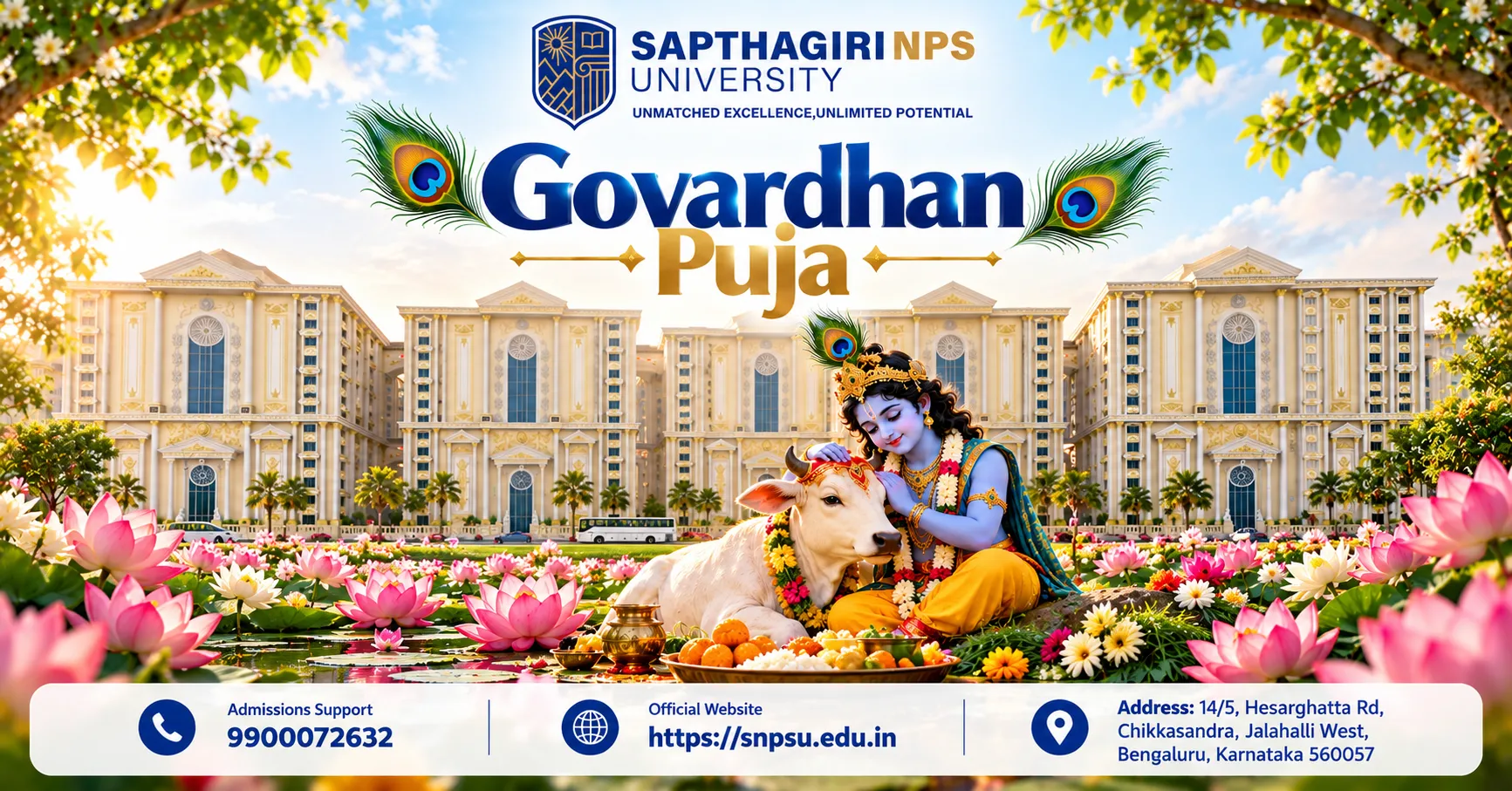
Govardhan Puja: History, Significance, Traditions and Celebration in India
Govardhan Puja is an important Hindu festival celebrated during the Diwali season, highlighting devotion, gratitude, prosperity, and respect for nature. The Govardhan Puja festival holds special significance for devotees of Lord Krishna, particularly in regions associated with Vrindavan and Govardhan Hill. Families celebrate this occasion by offering prayers, preparing traditional vegetarian dishes, decorating their homes, and sharing festive meals with loved ones. The festival reminds people that nature provides essential resources, including food, water, fertile soil, and shelter, which support everyday life. The Govardhan Puja significance extends beyond religious rituals because it encourages people to practise humility, kindness, environmental awareness, and community responsibility. Many devotees prepare Annakut, a traditional offering featuring a variety of food items presented as an expression of gratitude. Govardhan Puja traditions vary across regions, but the central message of appreciation and devotion remains meaningful. Our University recognises the educational and cultural value of Indian festivals because they help students understand the traditions, stories, and values that shape society. Through learning about Govardhan Puja, students can appreciate the relationship between cultural heritage, environmental responsibility, and community well-being. Govardhan Puja 2026 offers an opportunity for families and communities to celebrate faith while reflecting on the importance of living responsibly and respecting the natural world.
History of Govardhan Puja: The Story of Lord Krishna
The history of Govardhan Puja is closely connected with Lord Krishna and the residents of Vrindavan, according to Hindu religious traditions. The traditional story describes how the villagers prepared offerings for Lord Indra, who was associated with rain and its importance for agriculture. Lord Krishna encouraged the people to recognise the value of Govardhan Hill, the surrounding forests, grazing lands, and natural resources that sustained their lives. He explained the importance of expressing gratitude towards the environment and the resources that supported their community. Following Krishna's guidance, the villagers prepared food offerings and worshipped Govardhan Hill. According to the legend, Lord Indra became angry and sent heavy rainfall over Vrindavan. Lord Krishna then lifted Govardhan Hill on his little finger to provide shelter for the villagers and their cattle. The people remained protected beneath the hill until the storm passed. This story is central to the Govardhan Puja festival and symbolises divine protection, courage, compassion, and the importance of humility. It also teaches that pride should not overcome wisdom and that communities can find strength through trust and cooperation. Our University encourages students to explore traditional stories with cultural awareness and understand the moral lessons they communicate across generations. The story of Govardhan Hill continues to inspire devotees to express gratitude, protect nature, and value the resources that make life possible.
Govardhan Puja Significance: Gratitude, Faith and Environmental Awareness
The Govardhan Puja significance lies in its message of gratitude towards nature and recognition of the resources that sustain human life. The festival encourages people to appreciate the land that produces food, the water that supports living beings, and the environment that provides shelter and nourishment. Through prayers and traditional offerings, devotees express their respect for Lord Krishna and remember the story of Govardhan Hill. The festival also highlights the importance of humility by reminding people that prosperity depends on many factors beyond individual achievement. Families come together to prepare food, perform rituals, and share their blessings with others. These practices strengthen relationships and encourage generosity within communities. Govardhan Puja traditions also offer an opportunity to discuss environmental responsibility, including reducing waste, avoiding unnecessary pollution, and using natural resources carefully. Our University believes that cultural understanding and education can work together to encourage responsible citizenship. Students can learn from the festival by recognising the importance of sustainability, cooperation, compassion, and respect for living beings. The lessons associated with Govardhan Puja 2026 remain relevant in a world where environmental protection and community well-being are increasingly important. By reflecting on the Govardhan Puja significance, individuals can turn the festival's message into practical actions that support a cleaner environment and a more considerate society.
👉 Admissions are Open – Start Your Application and begin your academic journey with our university.
Govardhan Puja Traditions: Rituals, Offerings and Family Customs
Govardhan Puja traditions include prayers, food offerings, decorations, and family gatherings that express devotion and gratitude. Many devotees prepare Annakut, a large assortment of vegetarian dishes offered during worship. The food may include rice, vegetables, lentils, sweets, savoury preparations, and other regional delicacies. After the prayers, the offerings are distributed among family members and devotees as prasad. In some communities, people create symbolic representations of Govardhan Hill using natural materials or food, while others visit temples to participate in special ceremonies. Cows may also receive attention and care in communities where cattle are closely associated with agricultural life and Krishna traditions. Families decorate their homes, arrange flowers, light lamps, and wear festive clothing as part of the celebration. The details of Govardhan Puja traditions differ according to local customs, family practices, and regional beliefs. However, the shared values of devotion, gratitude, generosity, and togetherness remain at the heart of the occasion. Our University encourages students to learn about these customs respectfully and appreciate the cultural knowledge passed from one generation to another. Understanding the rituals also helps young people recognise the importance of preserving heritage while adapting celebrations to modern lifestyles. By celebrating thoughtfully, families can maintain meaningful traditions and share their cultural significance with future generations.
Govardhan Puja Celebration Across India
The Govardhan Puja celebration varies across India, reflecting the country's diverse religious practices and regional customs. In Mathura, Vrindavan, and nearby areas of Uttar Pradesh, the festival is particularly associated with Lord Krishna and the sacred landscape of Govardhan Hill. Devotees visit temples, offer food, participate in prayers, and join religious gatherings that bring communities together. Many temples organise Annakut offerings featuring numerous dishes arranged as an expression of gratitude and devotion. In other parts of India, families observe the festival at home by performing puja, preparing traditional meals, and spending time with relatives. Some communities combine the Govardhan Puja festival with local Diwali-season customs, creating celebrations that reflect their own cultural identities. These differences demonstrate how a shared religious tradition can be observed in many meaningful ways. The festival also encourages people to support local communities, share food, and help those who may need assistance. Our University values the opportunity to introduce students to India's regional heritage and help them understand how festivals strengthen social connections. Through cultural learning, students can develop respect for different traditions and appreciate the values that connect people across regions. Govardhan Puja 2026 can therefore be understood not only as a religious observance but also as an occasion for strengthening relationships, expressing gratitude, and encouraging responsible community participation.
Govardhan Hill: Cultural, Spiritual and Environmental Importance
Govardhan Hill holds an important place in Hindu traditions because of its association with Lord Krishna and the story behind Govardhan Puja. Located in the Braj region of Uttar Pradesh, the hill is an important pilgrimage destination for devotees who visit to offer prayers and express their devotion. Many pilgrims perform Govardhan Parikrama, a traditional circumambulation of the hill, as an act of faith. The surrounding landscape also forms part of the cultural and spiritual identity of the region. The story of Govardhan Hill highlights the relationship between people and nature, reminding communities that land, water, plants, and animals are essential to life. Its importance can also inspire broader conversations about environmental conservation and responsible tourism. Visitors can help protect the area by disposing of waste properly, respecting local customs, and following guidance from local authorities. The Govardhan Puja significance is closely connected with these ideas because the festival encourages gratitude for natural resources and awareness of human responsibilities. Our University supports the educational value of connecting cultural heritage with environmental awareness. Students can explore how traditional stories encourage respect for nature and inspire practical efforts to reduce pollution and protect shared spaces. By learning about Govardhan Hill, young people can better understand how cultural landmarks preserve history, support community identity, and offer lessons for a more sustainable future.
Annakut: The Traditional Food Offering of Govardhan Puja
Annakut is one of the most recognised features of the Govardhan Puja festival. The word is commonly understood as a mountain of food, representing abundance, gratitude, and devotion. On this occasion, devotees prepare a variety of vegetarian dishes and arrange them as offerings in temples or homes. The selection of food depends on regional customs, family traditions, and the ingredients available locally. Preparations may include rice dishes, vegetables, lentils, breads, sweets, and other festive recipes. After the prayers, the food is distributed as prasad, allowing devotees to share the offering with family members and the wider community. Annakut symbolises more than a large meal; it expresses appreciation for farmers, food producers, cooks, and the natural resources required to grow and prepare food. It can also remind families to avoid wasting food and to share available resources with people in need. These values are closely connected with the Govardhan Puja significance and its message of gratitude. Our University encourages students to recognise the importance of food security, responsible consumption, and community support. Through cultural learning, students can understand how traditional practices communicate lessons about generosity and sustainability. Celebrating Annakut thoughtfully can help preserve the spirit of Govardhan Puja 2026 while encouraging respect for food, the people who produce it, and the environment that sustains agriculture.
Govardhan Puja 2026: Date, Preparation and Celebration Planning
Govardhan Puja 2026 will be observed according to the Hindu lunar calendar, and the precise observance may vary by regional tradition and local panchang calculations. Families planning their celebrations should check a reliable local calendar or temple announcement for the correct date and puja timings. Preparing in advance can make the occasion more meaningful and less stressful. Families may organise the puja area, purchase fresh flowers, arrange ingredients for Annakut, and prepare traditional dishes together. Homes can be decorated with simple rangoli designs, diyas, and reusable festive decorations. Devotees who plan to visit temples or pilgrimage locations should check local arrangements, travel conditions, and visitor guidance before leaving. It is also helpful to plan a reasonable budget and avoid unnecessary purchases during the festive period. Families can make the Govardhan Puja celebration more environmentally responsible by reducing single-use materials, managing food portions carefully, and disposing of waste appropriately. Our University encourages students to combine respect for tradition with practical responsibility and thoughtful planning. The festival offers an opportunity to develop cooperation by sharing tasks, supporting local vendors, and helping neighbours. With careful preparation, Govardhan Puja 2026 can become a joyful occasion that brings families together while reinforcing the values of gratitude, sustainability, devotion, and community care.
Why Our University Values Cultural Festivals
Our University recognises that cultural festivals provide valuable opportunities for learning beyond the classroom. Celebrations such as the Govardhan Puja festival introduce students to traditional stories, regional customs, moral lessons, and the diversity of Indian society. They can encourage meaningful discussions about gratitude, humility, environmental responsibility, and the importance of supporting communities. Students who learn about different festivals may develop a deeper appreciation for the beliefs and experiences of people from diverse backgrounds. Cultural awareness also supports communication, mutual respect, and a sense of shared responsibility. The Govardhan Puja significance offers a useful example because its traditional story connects devotion with protection, cooperation, and respect for nature. These themes can be related to modern concerns such as sustainability, responsible resource use, and community welfare. Our University encourages students to approach cultural learning with curiosity and respect, recognising that traditions can carry different meanings for different people. By exploring the lessons of Govardhan Puja , students can consider how values such as honesty, compassion, and responsibility apply to academic life and future careers. Cultural education can help create a welcoming environment where students value their heritage while respecting the traditions of others. Our University believes that education becomes more meaningful when academic development is supported by cultural understanding, ethical awareness, and a commitment to the wider community.
Eco-Friendly Govardhan Puja Celebration
An eco-friendly Govardhan Puja celebration allows families to honour tradition while caring for the environment. Simple choices can reduce waste without removing the spiritual meaning of the occasion. Families can use reusable plates, avoid unnecessary plastic decorations, and choose flowers or other materials that can be disposed of responsibly. Preparing food in appropriate quantities helps prevent waste, while sharing extra meals with neighbours or community organisations can extend the festival's spirit of generosity. When lighting diyas, people should place them on stable surfaces and keep them away from curtains, paper decorations, and other flammable materials. Electrical decorations should be checked for damage, and children should be supervised around open flames. Families visiting Govardhan Hill or other religious sites can help preserve the surroundings by following local rules, avoiding littering, and respecting wildlife. These practical steps reflect the Govardhan Puja significance because the festival encourages gratitude for the natural world. Our University encourages students to connect cultural values with responsible everyday actions. Students can support sustainability by conserving water, reducing disposable materials, and participating in community cleanliness activities. A thoughtful Govardhan Puja celebration demonstrates that devotion and environmental responsibility can work together. By adopting simple sustainable habits, families can celebrate with joy while helping protect the natural resources that future generations will depend on.
Sharing the Message of Govardhan Puja
Govardhan Puja remains a meaningful festival that brings together devotion, gratitude, family traditions, and respect for nature. Its association with Lord Krishna and Govardhan Hill reminds devotees of the importance of humility, courage, cooperation, and protection. The Govardhan Puja festival is celebrated through prayers, Annakut offerings, family gatherings, and regional customs that reflect India's cultural diversity. Understanding the history and Govardhan Puja significance allows younger generations to appreciate the lessons behind these practices rather than viewing the occasion only as a festive ritual. The traditions also encourage people to share food, support others, and recognise the value of natural resources. As families prepare for Govardhan Puja, they can preserve meaningful customs while adopting environmentally responsible habits. Our University encourages students to learn from India's cultural heritage and apply its positive values in their studies, relationships, and future careers. Respect for nature, compassion for others, and responsible community participation are lessons that remain important throughout the year. Through cultural understanding and thoughtful celebration, people can keep these traditions alive for future generations. May Govardhan Puja 2026 inspire everyone to practise gratitude, strengthen relationships, protect the environment, and contribute to a kinder and more responsible society.
Frequently Asked Questions About Govardhan Puja
1. What is Govardhan Puja, and why is it celebrated?
Govardhan Puja is an important Hindu festival celebrated during the Diwali season to honour Lord Krishna and remember the traditional story of Govardhan Hill. The festival symbolises gratitude, devotion, humility, and respect for nature. According to Hindu tradition, Lord Krishna lifted Govardhan Hill to protect the residents of Vrindavan and their cattle from heavy rainfall sent by Lord Indra. This story teaches the importance of courage, compassion, and protecting those who depend on us. Families celebrate the occasion by performing puja, preparing traditional vegetarian dishes, offering Annakut, and sharing food with relatives and community members. The festival also encourages people to appreciate the natural resources that support everyday life. Through its customs and stories, Govardhan Puja reminds people to practise gratitude and contribute positively to society.
2. What is the significance of the Govardhan Puja festival?
The Govardhan Puja significance lies in its message of gratitude towards nature, devotion to Lord Krishna, and the importance of humility. The festival reminds people that food, water, fertile land, forests, and animals play essential roles in supporting life. It also teaches that pride should not prevent people from recognising their responsibilities towards others. Devotees express their faith through prayers, food offerings, family gatherings, and charitable activities. The tradition of sharing Annakut represents abundance, generosity, and appreciation for food. In modern life, these lessons can inspire people to reduce waste, conserve resources, and support communities in need. Our University encourages students to understand the cultural values behind Indian festivals and connect those values with responsible living, environmental awareness, and social cooperation.
3. When will Govardhan Puja be celebrated?
Govardhan Puja falls on a date determined by the Hindu lunar calendar, and local observance can depend on the tithi and regional panchang calculations. Families planning the celebration should confirm the date and puja timings through a reliable Hindu calendar or a local temple announcement. The festival is commonly observed during the Diwali period, often on the day following Lakshmi Puja, although regional calendars and customs may affect the observance. Knowing the correct date helps families prepare food offerings, arrange decorations, organise prayers, and plan visits to temples. Devotees travelling to religious destinations should also check local arrangements before beginning their journey. Advance planning can help families celebrate peacefully while preserving their traditional customs and spending meaningful time together.
4. What is the story behind Govardhan Hill and Lord Krishna?
The story of Govardhan Hill is closely associated with Lord Krishna and the people of Vrindavan. According to Hindu tradition, the villagers prepared offerings for Lord Indra, who was associated with rainfall. Lord Krishna encouraged them to appreciate Govardhan Hill and the natural surroundings that supported their agricultural activities and daily lives. The villagers followed his advice and offered food in gratitude. According to the traditional account, Lord Indra responded with heavy rainfall, threatening the people and their cattle. Lord Krishna lifted Govardhan Hill and provided shelter until the storm ended. The story is remembered as a lesson about divine protection, humility, courage, and respect for nature. It forms the spiritual foundation of Govardhan Puja and continues to inspire devotees to appreciate the environment and help protect vulnerable members of their communities.
5. What are the important Govardhan Puja traditions followed by families?
Govardhan Puja traditions include performing prayers, preparing food offerings, decorating homes, visiting temples, and sharing meals with family members. Many households prepare Annakut, a collection of vegetarian dishes offered during worship. Families may arrange flowers, light diyas, create rangoli designs, and wear traditional clothing to mark the occasion. In some communities, devotees create symbolic representations of Govardhan Hill and offer prayers to Lord Krishna. Temple celebrations may include devotional songs, special pujas, and the distribution of prasad. The specific customs differ according to regional practices and family traditions. However, gratitude, devotion, generosity, and togetherness remain central themes. Families can preserve these traditions by explaining their meaning to younger generations and celebrating respectfully with neighbours and people from different cultural backgrounds.
6. What is Annakut, and why is it important during Govardhan Puja?
Annakut is a traditional food offering associated with the Govardhan Puja festival. The term is commonly understood as a mountain of food, representing abundance, gratitude, and devotion. Devotees prepare a variety of vegetarian dishes, which may include rice, vegetables, lentils, breads, sweets, and regional specialities. These dishes are arranged as offerings in temples or homes before being distributed as prasad. Annakut represents appreciation for food and the natural resources needed to produce it. The tradition also highlights the contribution of farmers, food producers, and everyone involved in preparing meals. Families can honour this custom by avoiding food waste, preparing suitable quantities, and sharing extra food with people who need assistance. Annakut therefore connects religious devotion with generosity, responsible consumption, and community care.
7. Where is Govardhan Hill located, and why do devotees visit it?
Govardhan Hill is located in the Braj region of Uttar Pradesh, near Mathura and Vrindavan, and is an important pilgrimage destination associated with Lord Krishna. Devotees visit the area to offer prayers, remember the traditional stories of Krishna, and experience its spiritual significance. One well-known practice is Govardhan Parikrama, in which pilgrims walk around the hill as an expression of devotion. Visitors may also attend temple ceremonies and participate in religious activities during Govardhan Puja. Pilgrims should plan their journeys carefully, check local conditions, follow temple guidance, and respect the customs of the area. Keeping the surroundings clean is also important. By avoiding littering and reducing waste, visitors can help protect this culturally significant landscape for future generations.
8. How is Govardhan Puja celebrated in different parts of India?
The Govardhan Puja celebration varies across India according to local customs, family traditions, and religious practices. In Mathura, Vrindavan, and the surrounding Braj region, the festival is closely connected with Lord Krishna and Govardhan Hill. Temples may organise special prayers, Annakut offerings, devotional activities, and community gatherings. In other regions, families celebrate at home by performing puja, preparing traditional vegetarian dishes, decorating their surroundings, and sharing meals with relatives. Some communities observe the festival alongside other Diwali-season traditions, creating celebrations that reflect their regional heritage. These differences demonstrate the diversity of Indian culture while highlighting shared values of gratitude, faith, generosity, and togetherness. Learning about regional practices helps younger generations appreciate India's cultural richness and respect traditions that may differ from their own.
9. How can families celebrate Govardhan Puja in an eco-friendly way?
Families can make their Govardhan Puja celebration more environmentally responsible by choosing reusable decorations, reducing plastic use, and managing food waste carefully. Preparing meals in suitable quantities helps prevent unnecessary waste, while sharing extra food with neighbours or charitable organisations supports the festival's spirit of generosity. Families can use reusable plates and containers, select locally available ingredients, and dispose of flowers and other materials responsibly. Diyas should be placed on stable surfaces away from curtains and other flammable materials, and children should be supervised around open flames. Visitors to Govardhan Hill and other religious locations should follow local rules and avoid littering. These simple actions reflect the festival's message of gratitude towards nature. Our University encourages students to connect cultural traditions with practical sustainability habits that benefit communities and future generations.
10. What values can students learn from Govardhan Puja?
Students can learn several valuable lessons from Govardhan Puja , including gratitude, humility, compassion, cooperation, environmental awareness, and respect for cultural heritage. The traditional story of Lord Krishna teaches that courage and wisdom can help protect others during difficult circumstances. The Annakut tradition encourages generosity and appreciation for food, while the importance of Govardhan Hill highlights the relationship between communities and the natural environment. These lessons can be applied in everyday life through responsible resource use, teamwork, charitable activities, and respect for people from different backgrounds. Our University recognises that education involves developing ethical awareness and social responsibility alongside academic knowledge. By understanding Indian festivals, students can strengthen their cultural awareness and learn to contribute positively to their communities. The message of Govardhan Puja remains relevant throughout the year because gratitude, kindness, and environmental responsibility are important in every stage of life.
Contact Our University
|
Contact Category |
Details |
Purpose |
|---|---|---|
|
Phone |
9900072632 |
|
|
|
admissions@snpsu.edu.in |
|
|
Campus Address |
#14/5, Chikkasandra, Hesaraghatta Main Road, Bengaluru, Karnataka – 560057 |
|
|
Online Admission |
Sapthagiri NPS University |
May Govardhan Puja fill your life with happiness, peace, prosperity, and divine blessings. May Lord Krishna guide you towards wisdom, kindness, and success in every step of life. May this auspicious festival inspire gratitude, strengthen family bonds, and remind us to respect nature. May your home be blessed with abundance, harmony, and positive energy. Sapthagiri NPS University extends warm Govardhan Puja wishes to all students, parents, faculty, and well-wishers. Happy Govardhan Puja from Our University! 🙏
Leave a Comment