

Childrens Day in India – History, Significance and Activities for Students
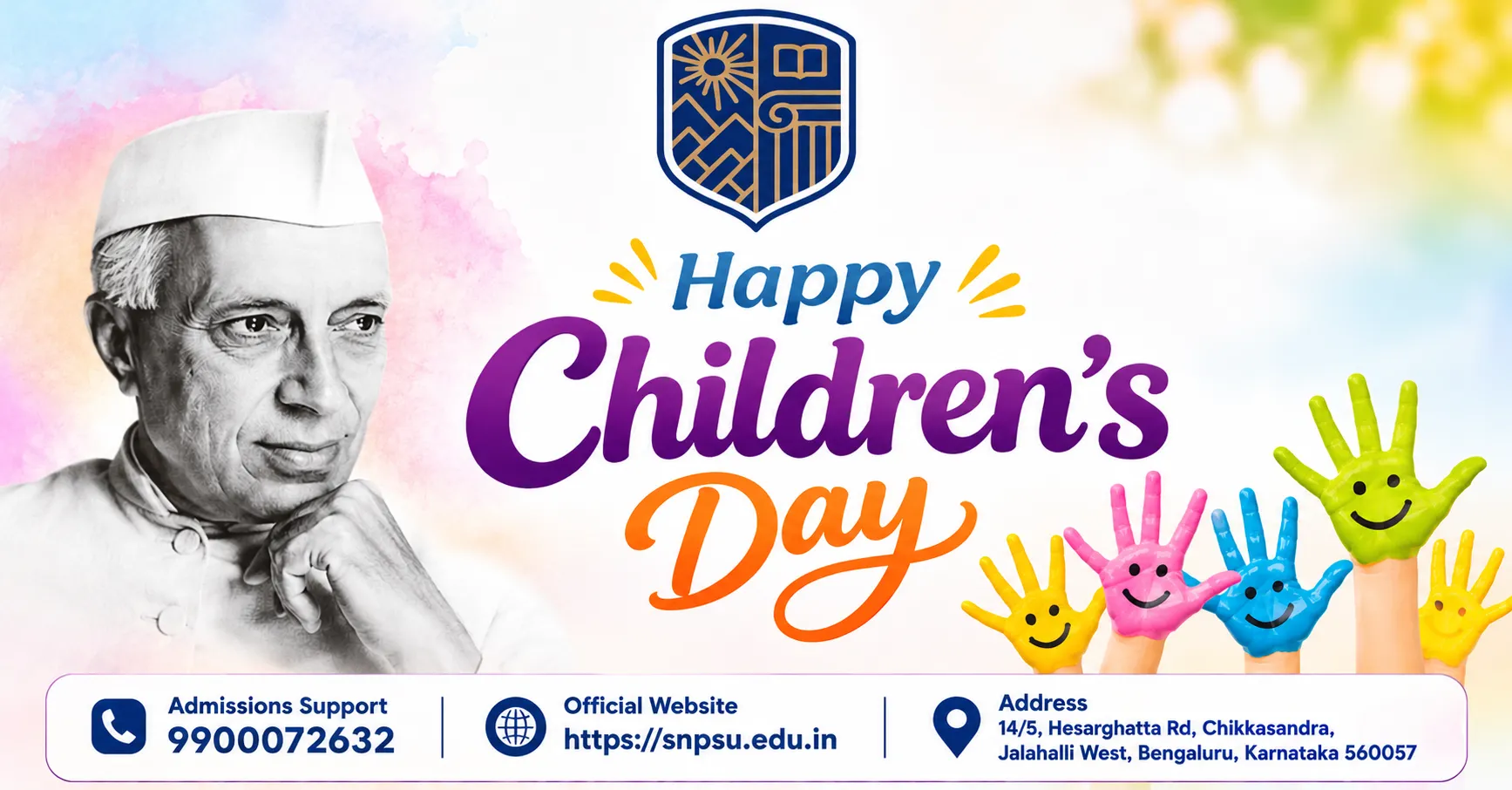
Children's Day – Celebrating Childhood, Education and the Future of India
Children's Day is a special occasion dedicated to celebrating childhood, recognising the importance of education and encouraging the overall development of children. In India, Children's Day is celebrated every year on 14 November to mark the birth anniversary of Pandit Jawaharlal Nehru, the first Prime Minister of independent India. This day reminds us that children are the foundation of a strong, educated and progressive nation. Childhood is an important stage of life when young minds develop knowledge, values, creativity, confidence and social awareness. Every child deserves opportunities to learn, explore, participate and discover their individual abilities. Children's Day encourages parents, teachers, educational institutions and communities to understand their responsibilities towards children. It also highlights the importance of providing a safe, supportive and encouraging environment for every young learner. Schools and colleges organise various programmes to make the occasion memorable through cultural performances, games, competitions, storytelling and educational activities. These celebrations allow students to express themselves and enjoy meaningful experiences with their classmates and teachers. Children's Day celebration in India is therefore not limited to entertainment; it also creates awareness about children's rights, education, health, safety and future opportunities. Through this celebration, we recognise the importance of nurturing young minds and preparing them to become responsible citizens who can contribute positively to society.
Children's Day Celebration in India
Children's Day celebration in India is observed on 14 November every year with enthusiasm and happiness across schools, educational institutions and communities. The date has special importance because it marks the birthday of Pandit Jawaharlal Nehru, who had great affection for children. Educational institutions organise different activities to make the day enjoyable and meaningful for students. Teachers may arrange cultural programmes, drawing competitions, music performances, storytelling sessions, quizzes, sports activities and classroom celebrations. These activities provide opportunities for children to demonstrate their talents and develop confidence in front of others. Students participate in group performances, creative competitions and interactive sessions that encourage friendship and teamwork. Teachers also explain the importance of education, discipline, kindness and respect through age-appropriate activities. Some schools organise special assemblies where students learn about the history and significance of the occasion. Children's Day celebrations can also include activities that promote environmental awareness, social responsibility and community participation. Such programmes help students understand that learning takes place both inside and outside the classroom. The celebration also provides teachers with an opportunity to appreciate students' efforts, encourage their interests and recognise their achievements. By creating a joyful learning environment, educational institutions make Children's Day a memorable occasion while reminding everyone that every child deserves care, encouragement and equal opportunities.
Children's Day Importance
The Children's Day importance lies in recognising the value of childhood and understanding the responsibilities of society towards young people. Children require more than academic education to develop into confident and responsible individuals. They need emotional support, good health, positive relationships, creative opportunities and a safe environment in which they can grow. Children's Day reminds families, teachers and communities that every child deserves respect, protection and encouragement. It also draws attention to the importance of accessible education and equal learning opportunities for children from different backgrounds. Education helps children develop knowledge, communication skills, logical thinking and the confidence to make informed decisions. Similarly, sports, arts, cultural activities and teamwork help them discover their interests and understand the value of cooperation. The day encourages adults to listen to children's ideas, understand their concerns and support their aspirations. It also provides an opportunity to discuss issues such as child labour, discrimination, school dropout rates, bullying and unequal access to education. Awareness about these challenges is important for building a society where children can learn and develop without unnecessary barriers. Children's Day is therefore a reminder that investing in children's education, safety, health and well-being contributes to the future of the country. By giving children the right support and opportunities, society can help them become knowledgeable, compassionate and responsible citizens.
Children's Day History
The Children's Day history in India is closely connected with the life and legacy of Pandit Jawaharlal Nehru. India celebrates the occasion on 14 November, the birth anniversary of Nehru, who was born on 14 November 1889. He served as the first Prime Minister of independent India and played an important role in the country's development. Nehru believed that children were essential to the nation's future and that their education and well-being deserved attention. His affection for children earned him the popular name Chacha Nehru. His birthday became associated with Children's Day celebrations in India after his death in 1964. Before that, Universal Children's Day was observed in India on 20 November, in keeping with the international observance. Following Nehru's death, India adopted 14 November as its own Children's Day to honour his affection for children and his emphasis on their development. Over time, schools and educational institutions began observing the day through special programmes, competitions and activities. The celebration became an opportunity to remember Nehru's contribution while discussing the importance of children's education and welfare. Understanding the history of this occasion helps students connect an important national observance with the values of education, equality, care and responsibility. It also reminds younger generations that the progress of a country depends greatly on how it supports and prepares its children.
Pandit Jawaharlal Nehru Birthday and His Love for Children
The Pandit Jawaharlal Nehru birthday is celebrated as Children's Day in India on 14 November. Nehru was born in 1889 and became the first Prime Minister of independent India in 1947. He is remembered for his leadership during the early years of independent India and for his belief in education, scientific development and national progress. His affection for children was an important part of his public image. Children affectionately called him Chacha Nehru, and he believed that young people should receive opportunities to learn, develop and contribute to the nation. He understood that children would shape the country's future through their knowledge, abilities and values. His birthday is therefore an appropriate occasion to celebrate childhood and encourage a greater commitment to children's education and welfare. Schools often introduce students to his life, achievements and ideas through speeches, presentations, essays and special assemblies. These activities help children understand the connection between national development and education. Remembering Nehru on Children's Day also encourages students to value curiosity, learning, discipline and responsibility. His birthday is not simply a historical date; it has become a meaningful annual reminder that children deserve attention, encouragement and opportunities to fulfil their potential.
Children's Day Activities for Students
Children's Day activities for students make the celebration enjoyable while encouraging creativity, confidence, teamwork and communication. Educational institutions can organise a variety of activities according to students' interests and age groups. Drawing and painting competitions allow children to express their imagination through colours and pictures. Essay-writing and speech competitions help students improve their language skills and communicate their thoughts clearly. Quiz programmes encourage general knowledge, curiosity and healthy participation. Cultural performances such as singing, dancing, drama and group presentations give students an opportunity to showcase their talents. Sports activities and traditional games promote physical fitness, teamwork and discipline. Storytelling sessions can encourage reading habits and help students develop listening and speaking skills. Teachers can also organise classroom games, creative workshops, poster-making competitions and group discussions about children's rights and responsibilities. Activities such as planting saplings, preparing awareness posters and participating in community initiatives can introduce students to social and environmental responsibility. These programmes should create an inclusive atmosphere where every child feels welcome to participate, regardless of their individual abilities. Teachers can encourage students by appreciating their efforts rather than focusing only on competition results. When planned thoughtfully, Children's Day activities become valuable learning experiences that help students discover their interests, build friendships and develop confidence.
Role of Educational Institutions in Children's Day Celebration
Educational institutions play an important role in making Children's Day meaningful because schools and universities contribute to the development of knowledge, values and personal abilities. A good educational environment encourages students to ask questions, share ideas, participate in activities and learn from different experiences. Children's Day provides an opportunity for institutions to recognise students as individuals with unique interests, talents and aspirations. Teachers can plan activities that combine enjoyment with learning and encourage participation from different groups of students. Special assemblies, cultural programmes, interactive sessions and creative competitions can help students understand the significance of the occasion. Educational institutions can also use the celebration to discuss the importance of education, equality, kindness, discipline and respect. These values are essential for building positive relationships within classrooms and communities. Teachers can encourage students to support their classmates, appreciate different talents and work together towards common goals. The occasion also offers an opportunity to create awareness about children's safety, health and emotional well-being. By promoting an encouraging learning environment, educational institutions can help students become confident and responsible individuals. Children's Day should therefore be viewed as more than a one-day celebration; it can inspire institutions to continue supporting students throughout the academic year.
Importance of Education in Every Child's Life
Education is one of the most important foundations of a child's development because it provides knowledge, practical abilities and opportunities for the future. Through education, children learn to read, write, communicate, understand information and solve problems. They also develop important personal qualities such as patience, discipline, responsibility and respect for others. A supportive educational environment encourages students to explore subjects, ask questions and develop independent thinking. Learning should not be restricted to textbooks and examinations because children also gain knowledge through sports, arts, experiments, discussions and practical experiences. Teachers guide students by explaining concepts, identifying learning needs and encouraging them to improve their abilities. Parents also contribute by providing support, maintaining positive communication and encouraging healthy learning habits at home. Equal access to quality education is essential because every child should have the opportunity to develop their potential. Children's Day reminds society that education is not simply a pathway to employment; it is also a means of developing responsible citizens who can understand social issues and contribute to their communities. When children receive appropriate guidance and learning opportunities, they become better prepared to face future challenges. Supporting education is therefore an important responsibility shared by families, institutions and society.
Children's Rights, Safety and Well-Being
Children's rights, safety and well-being are essential parts of a healthy and supportive society. Every child deserves protection, dignity, care and opportunities for development. Children's Day provides an opportunity to create awareness about the rights of children and the responsibilities of adults towards them. Children should have access to education, healthcare, nutrition, protection and a safe environment. They should also be treated fairly without discrimination based on their background or circumstances. Families, schools and communities must work together to prevent abuse, neglect, bullying and exploitation. Educational institutions can encourage students to speak about their concerns and seek support from trusted adults whenever necessary. Teachers should promote respectful communication and create classrooms where students feel comfortable asking questions and expressing themselves. Parents can support children's emotional well-being by listening carefully, offering encouragement and maintaining open communication. Awareness programmes can also explain the importance of personal safety, online responsibility and respectful behaviour. Children's Day reminds everyone that protecting children is not the responsibility of one individual or institution alone. It requires consistent attention and cooperation from the entire community. A safe and caring environment allows children to focus on learning, build confidence and develop positive relationships.
Developing Creativity, Confidence and Leadership Among Students
Creativity, confidence and leadership are important qualities that help children prepare for different situations in life. Children's Day activities can provide opportunities for students to explore these qualities through meaningful participation. Creative competitions encourage children to think differently and communicate their ideas through art, writing, music and performance. Group activities help students understand cooperation, shared responsibility and respect for different opinions. Leadership opportunities, such as coordinating a classroom activity or presenting a group project, help students develop decision-making and organisational skills. Public speaking sessions can improve confidence and communication abilities. Sports and team-based competitions teach discipline, perseverance and the importance of supporting others. Teachers can guide students by providing constructive feedback and recognising individual improvement. It is important to remember that every child develops at a different pace and may demonstrate talent in different ways. Some students may excel in academics, while others may show strengths in creativity, sports, communication or teamwork. Educational institutions should create opportunities that allow different abilities to be recognised and encouraged. By supporting participation and positive learning experiences, Children's Day can inspire students to believe in themselves and continue developing their strengths.
Making Children's Day Meaningful Beyond the Celebration
Children's Day should inspire positive action throughout the year rather than remain limited to a single day's programme. The celebration reminds adults to think about the everyday needs, interests and aspirations of children. Schools can continue encouraging creative learning, sports participation, reading habits and student involvement after the event. Parents can support children's development by spending quality time with them, listening to their thoughts and appreciating their efforts. Communities can contribute by promoting educational awareness and supporting children who face barriers to learning. Students can also practise kindness, cooperation and respect in their daily interactions. Teachers can use the occasion to review how classroom activities support different learning needs and encourage participation from every student. A meaningful Children's Day celebration should leave children feeling valued, confident and motivated. It should also remind adults that children need consistent encouragement, protection and opportunities. When families, educational institutions and communities work together, children receive a stronger foundation for their future. The real value of Children's Day lies in translating its message into everyday actions that support the happiness, safety, education and development of every child.
Children's Day is a meaningful celebration that honours childhood and highlights the importance of education, care, protection and equal opportunities. In India, 14 November is observed in memory of Pandit Jawaharlal Nehru, whose affection for children earned him the name Chacha Nehru. The occasion brings schools, families and communities together to celebrate the talents, happiness and potential of young learners. Through cultural programmes, competitions, games and educational activities, students receive opportunities to express themselves and develop confidence. The Children's Day importance extends beyond celebrations because it reminds society to protect children's rights and support their physical, emotional and intellectual development. Understanding the Children's Day history also helps students appreciate the values associated with this national observance. Educational institutions have an important responsibility to create supportive learning environments where every student can discover their abilities and pursue their aspirations. By encouraging creativity, kindness, discipline, teamwork and curiosity, we can help children become responsible citizens and future leaders. Every child deserves a childhood filled with learning, encouragement, safety and happiness. Let us celebrate Children's Day by recognising the importance of young minds and continuing our commitment to their bright and promising future.
Frequently Asked Questions About Children's Day
1. Why is Children's Day celebrated in India on 14 November, and what is its historical significance?
Children's Day is celebrated in India on 14 November every year to commemorate the birth anniversary of Pandit Jawaharlal Nehru, the first Prime Minister of independent India. Born on 14 November 1889, Nehru had a special affection for children and believed that their education, happiness and development were essential for the country's future. Children affectionately called him Chacha Nehru because of his close association with young learners. After his death in 1964, his birthday was chosen as the date for celebrating Children's Day in India. The occasion reminds everyone that children deserve love, care, protection and equal opportunities to learn. Schools and educational institutions organise cultural programmes, competitions, games and educational activities to make the day memorable. It also encourages parents, teachers and communities to contribute towards children's well-being and development.
2. What is the importance of Children's Day for students, teachers and educational institutions?
The importance of Children's Day extends beyond celebrations and entertainment because it highlights the need to support children's education, creativity, confidence and overall development. For students, the occasion provides opportunities to participate in competitions, cultural performances, sports and interactive activities. These experiences help improve communication, teamwork, leadership and creative thinking. Teachers can use the celebration to appreciate students' talents, encourage their interests and create a positive learning environment. Educational institutions can organise awareness programmes that explain children's rights, safety, health and the importance of equal educational opportunities. The occasion also reminds society that every child has individual abilities and deserves encouragement to achieve personal goals. By supporting academic learning alongside sports, arts and extracurricular activities, institutions can contribute to the development of confident and responsible individuals.
3. What are the best Children's Day activities for students to develop creativity, confidence and teamwork?
Children's Day activities for students can include drawing and painting competitions, essay writing, storytelling, quizzes, singing, dancing, drama, poster-making and sports events. These activities provide opportunities for children to express their ideas and demonstrate their abilities in different areas. Group performances and team games encourage cooperation, communication and mutual respect. Public speaking and storytelling sessions help students overcome hesitation and improve their confidence. Creative workshops allow children to explore their imagination, while quiz competitions encourage curiosity and general knowledge. Schools can also organise environmental awareness programmes, reading activities and community initiatives to connect learning with social responsibility. Teachers should encourage every student to participate according to their interests and abilities. The main purpose should be to create an enjoyable and inclusive environment where students feel appreciated, motivated and confident.
4. How can parents and teachers make Children's Day meaningful beyond school celebrations?
Parents and teachers can make Children's Day meaningful by focusing on children's everyday needs, interests, aspirations and well-being. Parents can spend quality time with their children, listen to their thoughts, encourage their hobbies and appreciate their efforts. Teachers can create supportive classrooms where students feel comfortable asking questions, sharing ideas and learning from mistakes. Families and educational institutions should work together to encourage healthy habits, reading, creativity, physical activities and positive relationships. Adults should also explain the importance of kindness, respect, discipline, safety and responsibility through practical examples. Children's Day can be used to discuss challenges such as bullying, discrimination, unequal access to education and child labour. These conversations should be appropriate for the children's age and understanding. The occasion becomes more meaningful when its message continues throughout the year through consistent encouragement, care and opportunities for growth.
5. How does Children's Day encourage awareness about children's rights, education and a better future?
Children's Day encourages society to recognise that every child deserves education, protection, healthcare, dignity and opportunities for personal development. It reminds families, educational institutions and communities to create environments where children can grow without discrimination, exploitation or unnecessary barriers. Access to quality education helps children develop knowledge, communication skills, independent thinking and problem-solving abilities. Awareness about children's rights also helps students understand the importance of safety, equality, respect and responsible behaviour. Schools can organise discussions and educational programmes about child protection, health, hygiene, environmental responsibility and social values. Parents and teachers should provide guidance while respecting children's individual interests and abilities. By investing in children's education and well-being, society can prepare younger generations to become knowledgeable, confident and responsible citizens. Children's Day therefore represents a continuing commitment to building a safer, happier and more promising future for every child.
Contact Information
For university-related enquiries, admission guidance and programme information, please contact Sapthagiri NPS University through the official channels below.
| Contact Details | Information |
|---|---|
| University Name | Sapthagiri NPS University |
| Contact Number | 9900072632 |
| Email Address | admissions@snpsu.edu.in |
| Official Website | Click Here to Visit |
| Admission Enquiries | Click Here to Contact |
| University Address | #14/5, Chikkasandra, Hesaraghatta Main Road, Bengaluru, Karnataka – 560057 |
For admission assistance and university-related enquiries, connect with our team through the official admission portal or call 9900072632. We encourage students and parents to visit our official website for university information and updates.
Leave a Comment